
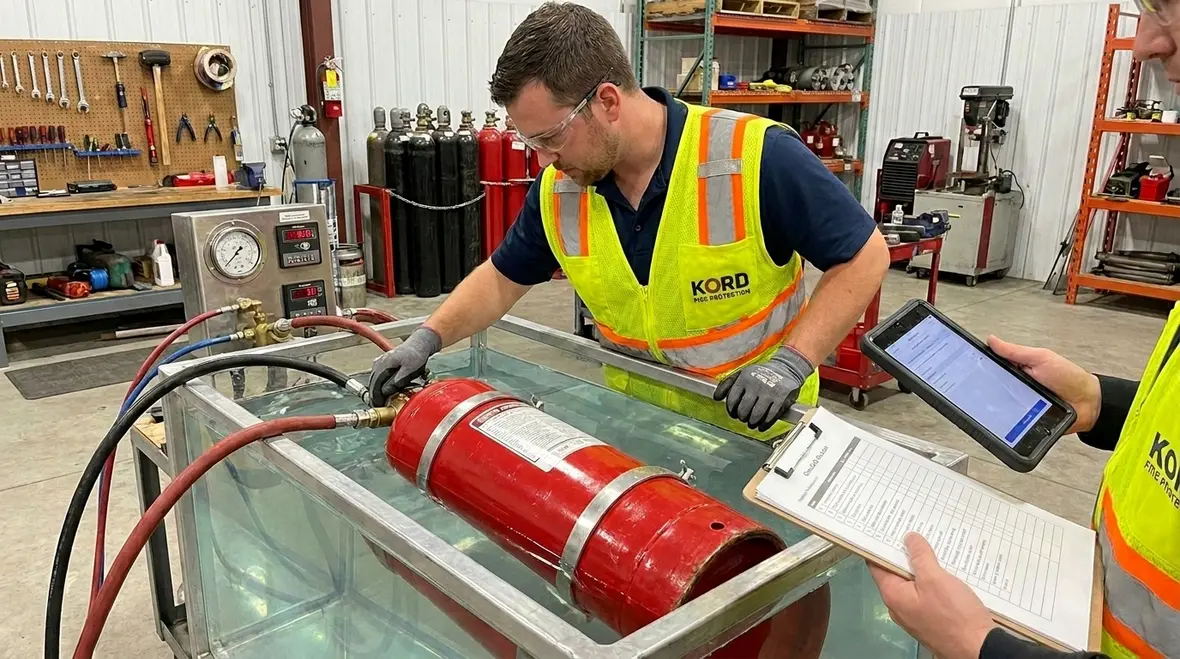
Suppression Cylinder Hydrostatic Testing by Kord Fire Protection
Suppression cylinder hydrostatic testing sounds like a mouthful, and honestly, it is. Still, it plays a serious role in keeping fire suppression systems reliable when it matters most. In simple terms, professionals fill suppression cylinders with water and pressurize them to check for leaks, weakness, and loss of integrity. Then they document results so building owners and fire protection teams can move forward with confidence. In this article, third person explains how suppression cylinder hydrostatic testing fits into the wider world of hydrostatic testing for fire suppression, why timing and records matter, and how Kord Fire Protection can become a vital partner before, during, and after the test.
The topic may sound technical, but the purpose is refreshingly practical. Pressure cylinders do not get unlimited chances. They either hold under required conditions or they do not. That is exactly why hydrostatic testing exists. It gives owners, managers, and compliance teams a clearer picture of whether a suppression cylinder remains fit for service, whether it needs requalification, or whether replacement is the safer call. Kord Fire Protection also offers broader hydro static testing services for pressure equipment, helping clients keep testing organized instead of turning maintenance into an annual surprise party.
What hydrostatic testing checks in a fire suppression system
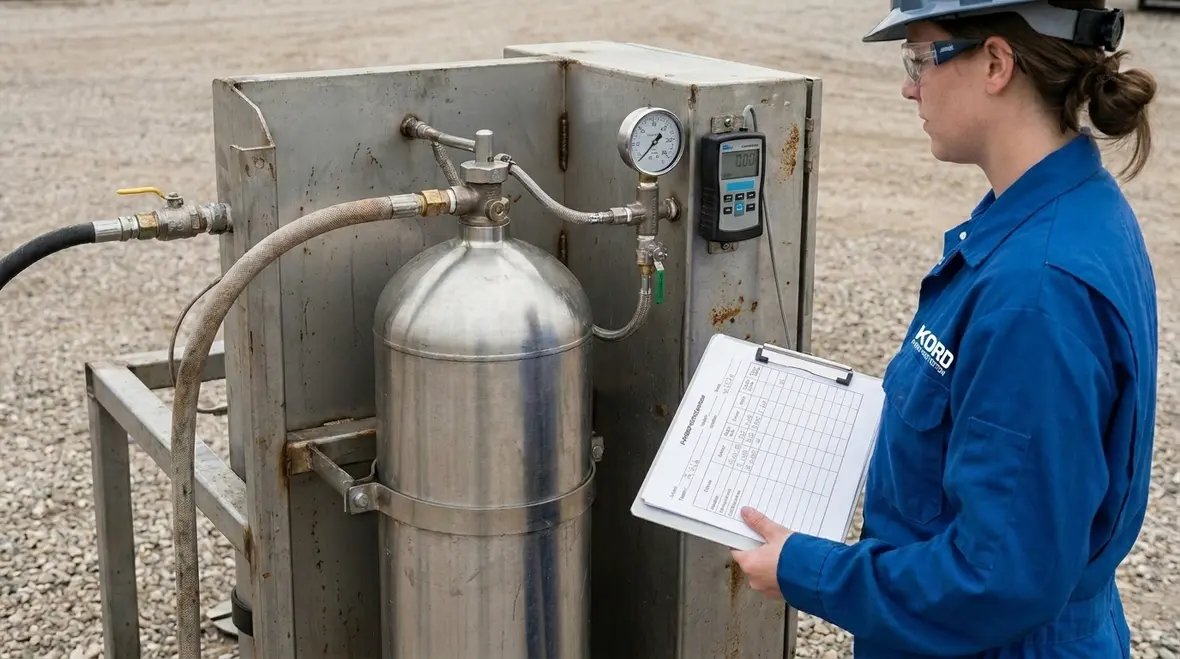
Fire suppression systems rely on pressure and controlled release to put out a fire quickly. However, even well built equipment ages. Corrosion, impact, stress, and slow material fatigue can reduce performance over time. Therefore, hydrostatic testing aims to verify that cylinders and related pressure components still withstand required pressure levels without harmful deformation or leaks.
Typically, technicians follow a step by step process. First, they isolate the cylinder from the rest of the system. Next, they connect certified test equipment, then fill the cylinder with water. After that, they raise pressure in a controlled way and hold it long enough to observe any changes. If pressure drops, seepage appears, or measurements fail, the cylinder does not meet safety expectations.
Meanwhile, good teams also focus on documentation. They record test pressure, hold time, temperature, and outcomes. As a result, the building team can prove compliance and plan next steps. And yes, this paperwork can feel like a boring sitcom, but it helps prevent real problems. Kord Fire Protection highlights this same point in its article on hydrostatic testing fire extinguishers intervals and costs, where testing records and service timing play a major role in long term safety planning.
Why water is used during the test
Water is used because it is far less compressible than air. That means the testing setup is safer and more controlled if a cylinder shows weakness during the procedure. The goal is not to create drama. The goal is to measure integrity with as little additional risk as possible. This controlled approach gives technicians cleaner data and gives owners better answers about whether the cylinder should continue in service.
Which components usually undergo pressure testing
Not every part of a fire suppression system needs hydrostatic testing. Instead, professionals target pressure bearing components that store agent under pressure. That usually includes suppression cylinders and certain associated hardware, depending on design and jurisdiction requirements.
In many systems, cylinders form the main storage unit, and they take the brunt of long term stress. In addition, fittings and valves may require inspection, even if they do not undergo the same water test. Technicians may also review condition through visual checks, corrosion evaluation, and component compatibility confirmation.
To avoid surprises, a qualified provider confirms the system type and the original cylinder information first. Then they align the testing scope with applicable standards and the cylinder’s service history. If the provider skips this step, the job can turn into a “trust me bro” situation, which is funny until the numbers do not match.
The value of confirming cylinder history first
Stamped markings, service labels, prior reports, and manufacturer details all shape the testing plan. They help technicians verify pressure ratings, prior requalification dates, and whether the cylinder has a history of repairs or damage. That background matters because pressure testing is not a generic one size fits all service. It is a technical process that depends on matching the right method to the right cylinder.

How the testing process works step by step
When a job runs smoothly, the process feels calm and deliberate. First, technicians verify identification marks, prior test records, and service dates. Then they check the cylinder’s current status and confirm it can safely handle the testing procedure. After that, they set up a sealed test connection and remove unnecessary loads that could affect readings.
Next, they fill the cylinder with water. Then they pressurize it to a predetermined level based on code requirements. During the hold period, the team monitors pressure stability and watches for leaks or abnormal gauge behavior. If the cylinder passes, technicians release pressure safely, drain and dry the unit as required, and prepare it for return to service.
Finally, they update records. For owners, this stage matters because it supports maintenance schedules and inspection readiness. For safety teams, it provides proof that the cylinder meets integrity expectations. In the real world, that evidence helps prevent shutdown delays later when the authority having jurisdiction asks for details.
What a well organized testing visit looks like
A well managed project usually starts before the truck arrives. The provider confirms access, coordinates timing with the facility, reviews the number of cylinders involved, and prepares for any system downtime that may need to be scheduled. By the time the test begins, the work should feel methodical rather than chaotic. That steady approach is especially helpful in larger facilities where multiple protected areas and multiple cylinders are involved.
Why timing and documentation matter for compliance
Fire protection equipment does not run on vibes. It runs on schedules, records, and verified performance. Therefore, hydrostatic testing must happen within required intervals or when a cylinder reaches a specified condition. Some jurisdictions follow strict time frames, while others require testing after certain repairs, damage, or significant events.
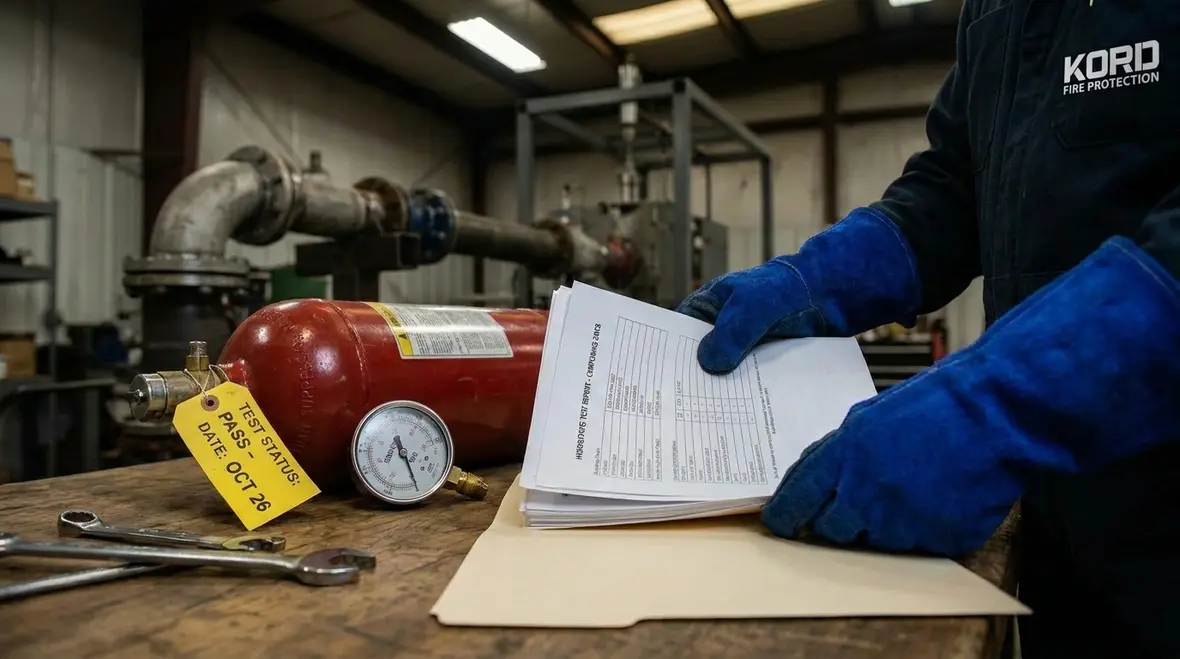
Documentation supports compliance in multiple ways. It shows the test date, the test method, and the results. It also ties the outcome to the specific cylinder identification. That way, the maintenance team does not have to guess which cylinder passed and which one simply looks fine.
In addition, records help with insurance and risk reviews. They also support internal audits and help building owners plan maintenance without panic. Because when you miss a due date, the delay can feel like waiting for a space shuttle launch, except the rocket is replaced by a paperwork folder. Kord Fire Protection’s broader full fire protection services support clients who want fewer loose ends across inspection, testing, and reporting.
Common issues found during hydrostatic testing
Even when systems receive proper maintenance, testing can reveal issues. Corrosion is a frequent concern, especially in environments with moisture exposure or poor ventilation. Surface pitting can weaken the metal over time. Additionally, damage from handling or prior incidents may create stress points.
Pressure related problems can also show up. For example, a cylinder may show leakage or abnormal pressure behavior. Technicians may also find that cleaning and preparation steps must be improved so test readings stay accurate.
However, the goal stays practical. Instead of blaming everyone and starting a blame parade, strong teams interpret findings clearly. Then they recommend repairs, replacements, requalification, or retesting based on the observed results and applicable standards.
Problems that often start small
Some of the most serious cylinder issues begin as quiet, easy to miss changes. A little corrosion around a fitting, a small dent from rough handling, or poor storage conditions can slowly affect long term integrity. That is why testing and visual inspection work best together. The pressure test tells part of the story, but the physical condition of the cylinder fills in the rest.
How Kord Fire Protection supports suppression cylinder hydrostatic testing
Kord Fire Protection can become a vital partner because it treats this service as more than a stand alone test. The team focuses on planning, coordination, and documentation, which helps keep the project controlled and lowers the chance of delays. Instead of arriving with a “we will figure it out” attitude, Kord verifies system details early and aligns the testing approach with the cylinder’s requirements.
Next, Kord supports safe handling and organized execution. That matters because cylinder testing needs careful setup, controlled pressurization, and responsible return to service steps. When the job includes multiple cylinders across a facility, coordination becomes even more important. Kord helps manage the flow so operations stay stable and downtime stays reasonable.
Finally, Kord helps clients maintain audit ready records. That means the building team can answer questions quickly during inspections. And if someone jokes that fire protection is like the Wi Fi, only important when it stops working, Kord responds professionally and does not laugh too hard. After all, the real win is fewer surprises and steadier compliance. Clients looking for related system support can also explore Kord Fire Protection’s fire suppression services near the end of the project planning process to keep broader suppression needs aligned under one provider.
Choosing a qualified provider for reliable results
People often pick a provider based on price, and then the project turns into a scavenger hunt for compliance paperwork. Instead, owners should prioritize experience with pressure systems, clear testing methods, and organized documentation. A qualified provider uses proper equipment, follows recognized procedures, and communicates what they plan to do before they start.
It also helps when the provider coordinates with facility operations. That means they plan access times, confirm safety requirements, and reduce disruption. When the team handles these details, clients get a cleaner process and fewer last minute surprises.
Ultimately, reliable suppression cylinder hydrostatic testing supports a simple goal. It protects people, assets, and business continuity. The best providers make that goal feel calm and managed, not chaotic and last minute. For facilities that also manage portable extinguishers, Kord Fire Protection’s fire extinguisher service and certification can help centralize recurring maintenance under one roof.
FAQ about hydrostatic testing for fire suppression cylinders
Final word and call to action
Fire suppression cylinder integrity cannot rely on guesses. Kord Fire Protection helps clients plan and complete hydrostatic testing with clear communication, careful execution, and audit ready records. If a test is due, if a cylinder needs requalification, or if the facility wants a smoother compliance path, Kord can step in as a steady, vital partner. Contact Kord Fire Protection today to schedule your testing and keep your fire suppression system ready to perform when it truly counts.
For organizations that want a wider support system, Kord Fire Protection also provides coordinated solutions across suppression, extinguishers, alarms, and other critical life safety services. Explore fire suppression solutions or review the company background at Kord Fire Protection to see how a more organized service partner can simplify compliance, maintenance, and readiness across the facility.

Join Our Newsletter!
Get the latest fire safety tips delivered straight to your inbox From our Newsletter.



