Overview of How It Works: Compact Suppression Explained
Stat-X First Responder Systems deliver fast, compact protection using compact aerosol fire suppression systems designed to work when every second matters. In many cases, first responders and facility teams need a suppression approach that feels simple in concept, yet serious in performance. That is where the Stat-X approach stands out. It uses a clean agent process that helps control flames and heat without turning a small incident into a full scale disaster. And yes, before anyone jokes that “it sounds too good to be true,” trained kord fire protection technicians explain the design and limits clearly, so expectations stay grounded. Next, the article breaks down how it works, where it fits in real life, and what care it needs to keep performing.
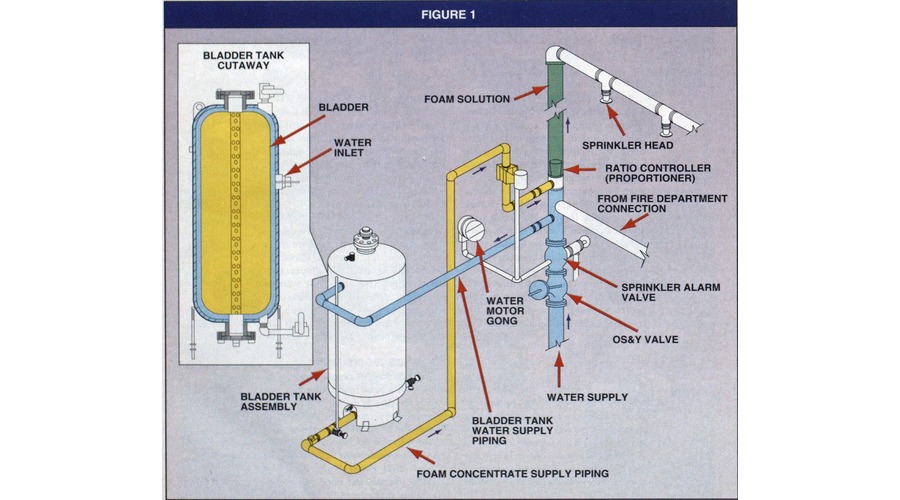
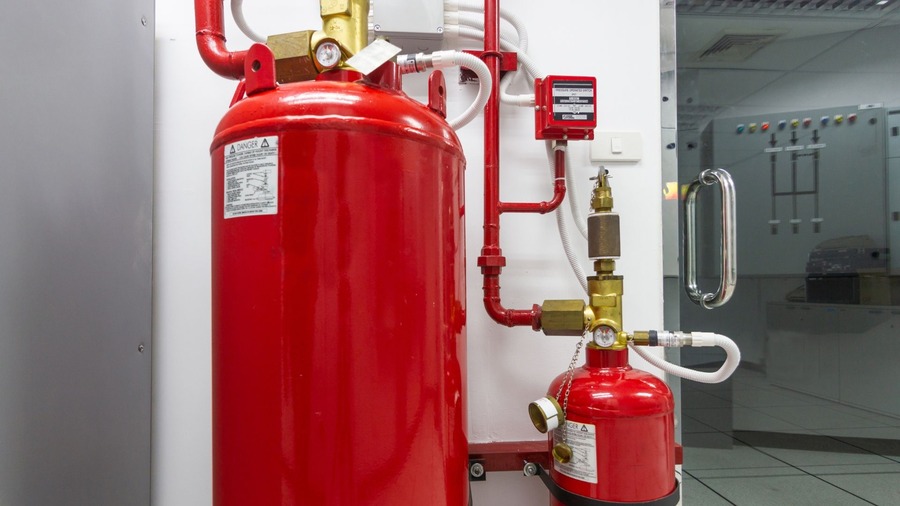
Stat-X systems rely on a compact aerosol discharge to interrupt a fire’s ability to grow. First, the unit senses the event through approved triggering methods, which may include detector activation depending on the installation design. Then the system releases a fine, fast dispersing suppression agent into the protected space. The goal is to reduce flame intensity, limit heat buildup, and help slow the spread long enough for responders to act or for occupants to escape.
Compact aerosol fire suppression systems operate in a way that emphasizes speed and reach. Rather than flooding the area with a large volume of traditional extinguishing media, the discharge creates a rapid distribution that targets the fire environment. In practical terms, this means the system aims to create a suppression effect where the fire is likely to be developing, even before conditions worsen. If that sounds like a superhero origin story, it is not. It is engineering, and the technicians from kord fire protection walk teams through the process so they understand how discharge, airflow, and enclosure geometry influence results.
Next, technicians pay attention to placement and coverage. A compact aerosol system does not behave like a handheld extinguisher that someone can wave around for fun. Instead, it depends on the protected enclosure size, ventilation characteristics, and fire load. Therefore, correct design details decide whether the unit will protect as intended.
Real World Use Cases for First Responder Safety
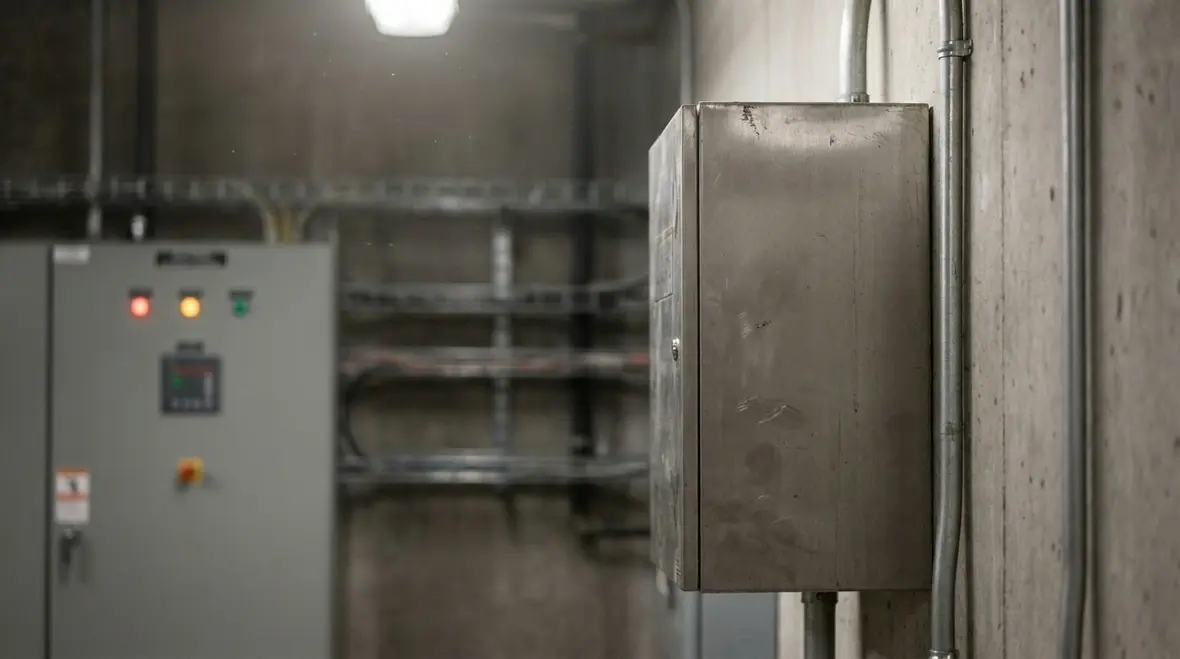
In the field, Stat-X first responder systems frequently support scenarios where rapid control helps responders maintain control and reduces the chaos that comes with heat, smoke, and secondary damage. The systems can be especially useful in areas where a quick knockdown matters, such as small electrical rooms, storage compartments, and certain industrial cabinets where fires start small but escalate fast.
For example, many teams install protection in locations that contain high risk ignition sources, including electrical panels or equipment housings. In these spaces, a fast activation can reduce flame development before it spreads beyond the enclosure. Then, firefighters arrive with a scene that stays safer, with lower heat intensity and a slower spread rate.
Also, commercial and light industrial facilities often want protection that helps limit downtime. If the incident stays contained, the facility can recover faster and avoid massive cleanup. In that sense, compact aerosol fire suppression systems function as a first line of defense while other response steps take place.
Meanwhile, first responder departments benefit from predictable system behavior. When the system activates as designed, it can help them focus on life safety and scene management instead of wrestling with rapidly growing flames. And to keep the mood light, anyone who has watched a cable tray fire spread knows that “waiting and seeing” is not a strategy. The goal here is control, not optimism.

Strengths and Weak Points: What Pros Learn Fast
Stat-X’s biggest strengths usually show up in three areas: speed, compact footprint, and clean operation. First, the system helps act quickly. Second, it uses a compact design that fits into space constrained installations. Third, many users prefer clean agent characteristics compared with messy media that can ruin sensitive equipment.
However, every real-world system comes with boundaries. One weakness can involve enclosure conditions. If an area is extremely open to high airflow or has complex airflow paths, suppression performance may shift. Therefore, design review matters. Another weak point can involve fire load and fuel type. The system must match the risk profile it protects. Installing protection without confirming the hazard does not make the problem smaller, it just makes it different.
Kord fire protection technicians emphasize this during assessment and design. They explain what the system covers well, what needs additional safeguards, and when supplemental measures are required. And they also address something people forget: maintenance and inspection. If a system is installed and then ignored, it becomes a decorative box with ambition.
Ongoing Maintenance Needs for Reliable Discharge
To keep Stat-X first responder systems dependable, owners should plan for inspections, testing, and documentation. Typical maintenance steps include checking the unit status, verifying power and detection circuits when applicable, ensuring no obstructions block discharge paths, and confirming that the system remains within its service timeline.
Next, technicians verify the physical condition of components. They look for damage, corrosion, loose mounting, and signs of tampering. If the system connects to detection devices, they verify that the detection components meet the current installed requirements.
Also, the facility should keep records. Fire protection systems often require documentation for compliance, insurance, and internal safety audits. Having a clean paper trail saves time when questions come from safety committees or inspectors. And yes, nobody enjoys playing “find the binder” when the clock is ticking.
When teams work with kord fire protection technicians, they usually receive guidance on inspection intervals that align with local expectations, the manufacturer’s instructions, and the hazard profile. Those instructions matter because they protect the system’s readiness. In short, maintenance turns a one-time installation into an ongoing safety tool.

Relevant NFPA and Local Code Requirements
Fire code compliance depends on jurisdiction, occupancy, and installation details. Many projects reference NFPA standards that guide hazard assessment, protection design, and inspection practices. In addition, local fire authority requirements can add specifics on documentation, acceptance testing, and inspection frequency.
While the exact code path varies, designers often align system design and inspection processes with applicable NFPA guidance for protection systems and fire alarm related coordination where relevant. The right approach also includes ensuring that the hazard classification matches the protection method. Then, the installation must follow the approved design documents.
Kord fire protection technicians typically handle the code review as part of the installation process. They ensure the system placement and activation method meet the expectations for the site. Because local rules can differ, technicians also coordinate with the authority having jurisdiction so the installation moves smoothly through review and acceptance.
For local code interpretation, facility owners should consult their licensed professionals and the local fire marshal. That way, compliance does not rely on guessing, and approvals do not depend on “someone said it should be fine.”
How Teams Use These Systems in Training and Response
Once installed, teams should integrate Stat-X first responder systems into training and response planning. First, staff learn what activation means and how to respond safely. Second, responders learn how to recognize system behavior so they can manage the scene correctly.
Next, facilities can use this equipment in drills and tabletop exercises. Then, they can align procedures for evacuation, incident control, and post incident evaluation. For example, teams can review shutdown steps, ventilation considerations, and how to secure the area until a qualified technician confirms the system status.
And for a practical reality check, training also reduces confusion with other suppression systems. When staff understand which system protects which area, they waste less time guessing during an emergency. In that sense, compact aerosol fire suppression systems help not only during discharge, but also in the months before it ever activates.
Properly used, these systems strengthen the overall safety strategy, and they support faster, more confident action by both employees and first responders.
FAQ: Quick Featured Snippet Answers
Conclusion: Ready to Protect What Matters Most
Stat-X first responder systems bring fast, compact suppression into real life, helping facilities control early fire growth and supporting safer response. To get dependable results, teams should match the system to the hazard, install it correctly, and keep it maintained with qualified support.
If a site owner wants clarity on coverage, code expectations, and service planning, now is the time to act. Contact kord fire protection technicians to review the space and design a protection approach using compact aerosol fire suppression systems for practical, confident safety.
Know Your Weapon Before You Fight the Flame
Kord Fire Protection is your go-to when it comes to all things fire protection. For over 20 years, we’ve been serving Southern California with the quality service and equipment to keep your home or business safe at all times. Our competitive prices reflect our unwavering commitment to protecting what matters most in the event of a fire emergency. Give us a call, send an email, or use that form!

Join Our Newsletter!
Get the latest fire safety tips delivered straight to your inbox From our Newsletter.