
Standpipe System Basics and High Rise Use Cases
Standpipe System Basics: What It Is, Standpipe Classes, and High Rise Use Cases
In the first few moments of a high rise fire, seconds feel like minutes and minutes feel like entire seasons of a Netflix drama. That is where our standpipe system steps in quietly, confidently, and without the need for applause. It waits behind the walls of stairwells and mechanical rooms, ready to deliver water exactly where firefighters need it most. While sprinklers often take the spotlight, this vertical water delivery network serves as the backbone of manual firefighting operations in tall structures. Throughout this article, Kord Fire Protection technicians explain how these systems work, why they matter, and how building owners can use them wisely.
So settle in. This is not just plumbing. This is strategy, engineering, and preparation working together in calm, deliberate harmony.
Understanding the Purpose of a Standpipe System
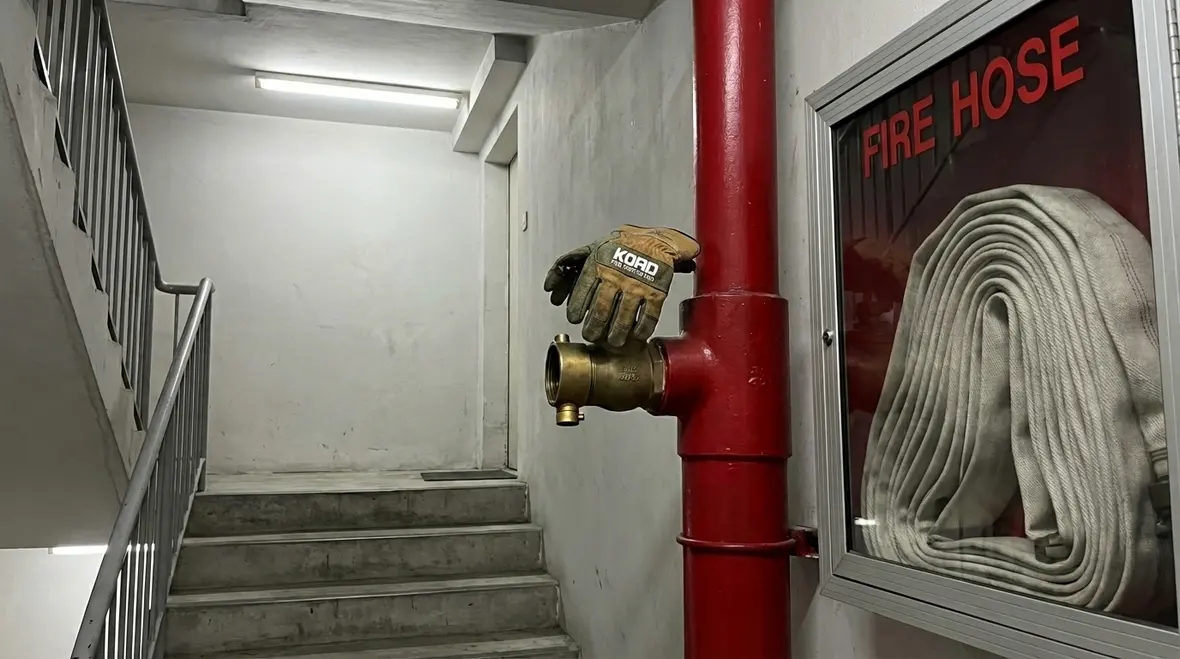
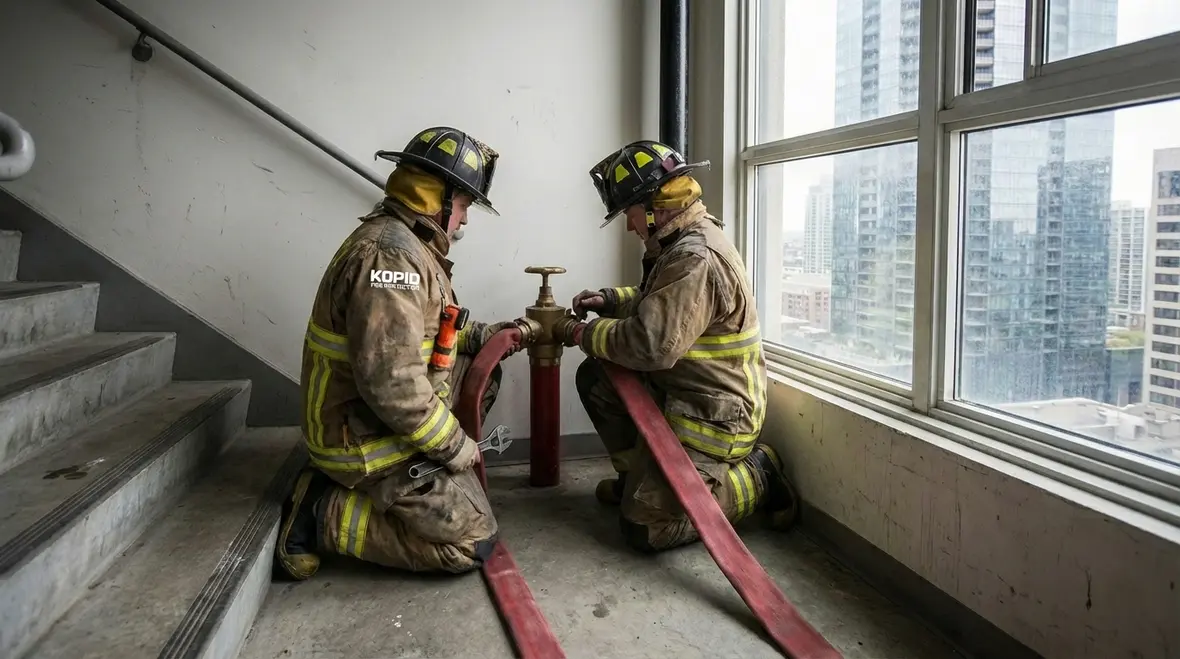
A standpipe system is a network of piping that runs vertically through a building and connects to hose outlets at various floor levels. Firefighters attach hoses to these outlets, giving them immediate access to water without dragging heavy lines up stairwells. In short, it brings the water closer to the fire.
Without it, crews would spend valuable time stretching hose from ground level to the fire floor. In a five story building, that might be inconvenient. In a forty story tower, it becomes a tactical nightmare. Therefore, this internal piping system reduces response time, conserves energy, and improves overall fire control.
Kord Fire Protection technicians often explain it like this. Imagine climbing a skyscraper while carrying a rolled up garden hose that weighs more than your luggage on vacation. Now imagine doing it in full gear. Suddenly, that vertical water main does not sound so boring.
Moreover, these systems are not limited to skyscrapers. Parking garages, shopping centers, industrial facilities, and large warehouses also rely on them. Whenever distance and height create a challenge, this fire suppression piping provides the solution.
How a Standpipe System Works Inside the Building
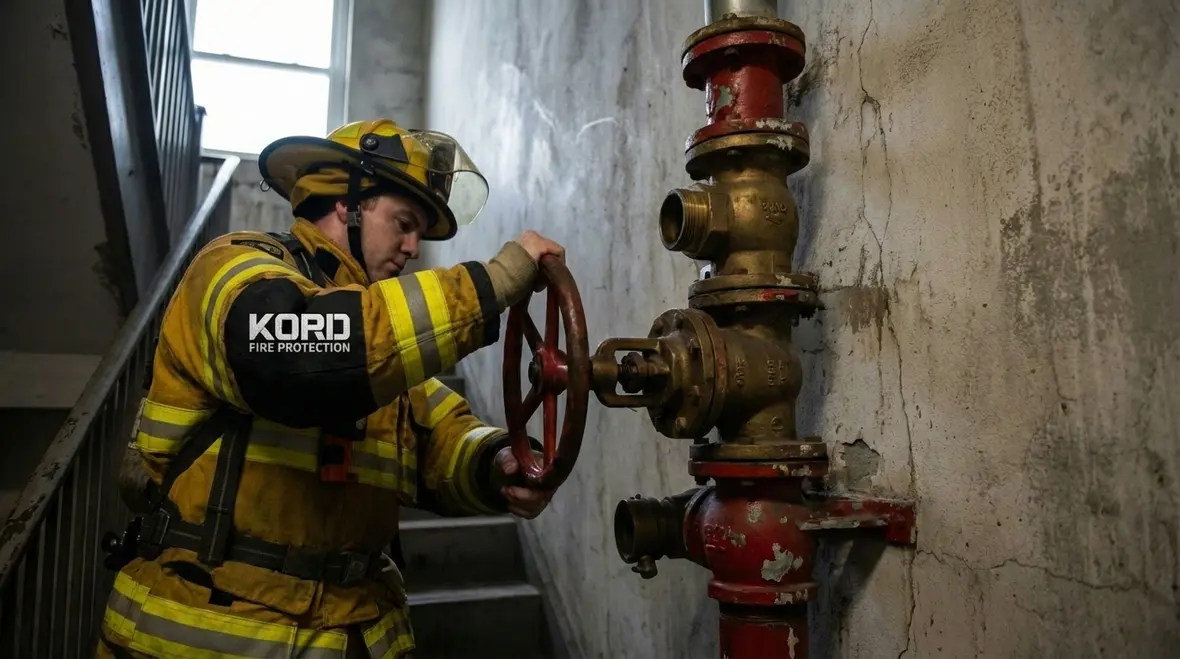
The mechanics are straightforward, yet the coordination is precise. A vertical pipe rises through the building. At designated floors, hose valves connect to that pipe. In many cases, the system ties into the building water supply. In others, it connects to a fire pump that boosts pressure.
When firefighters arrive, they connect their hoses to these outlets. At the same time, they may connect a fire engine to a fire department connection on the exterior of the building. This supplements the water supply and maintains proper pressure.
Because pressure changes with height, engineers must carefully calculate pipe size, pump capacity, and valve placement. Too little pressure and water dribbles out like a tired fountain. Too much pressure and equipment can fail. Therefore, balance becomes the guiding principle.
Kord Fire Protection technicians frequently walk building managers through this process. They emphasize that inspections and testing are not paperwork exercises. Instead, they confirm that pressure levels, flow rates, and valves operate as intended. In a real emergency, guesswork has no place.
If you want to dive deeper into how system types and classifications play out in the field, Kord’s dedicated standpipe systems page walks through wet, dry, and combined standpipe designs and explains how Class I-II-III systems are applied across different building types.
Standpipe System Classes Explained Clearly
Not all standpipes serve the same users. In fact, the National Fire Protection Association divides them into three primary classes. Each class defines who can use the hose connections and what type of equipment is installed.
Below is a simple breakdown presented in two columns for clarity.
Class
Class I
Class II
Class III
Primary Use and Features
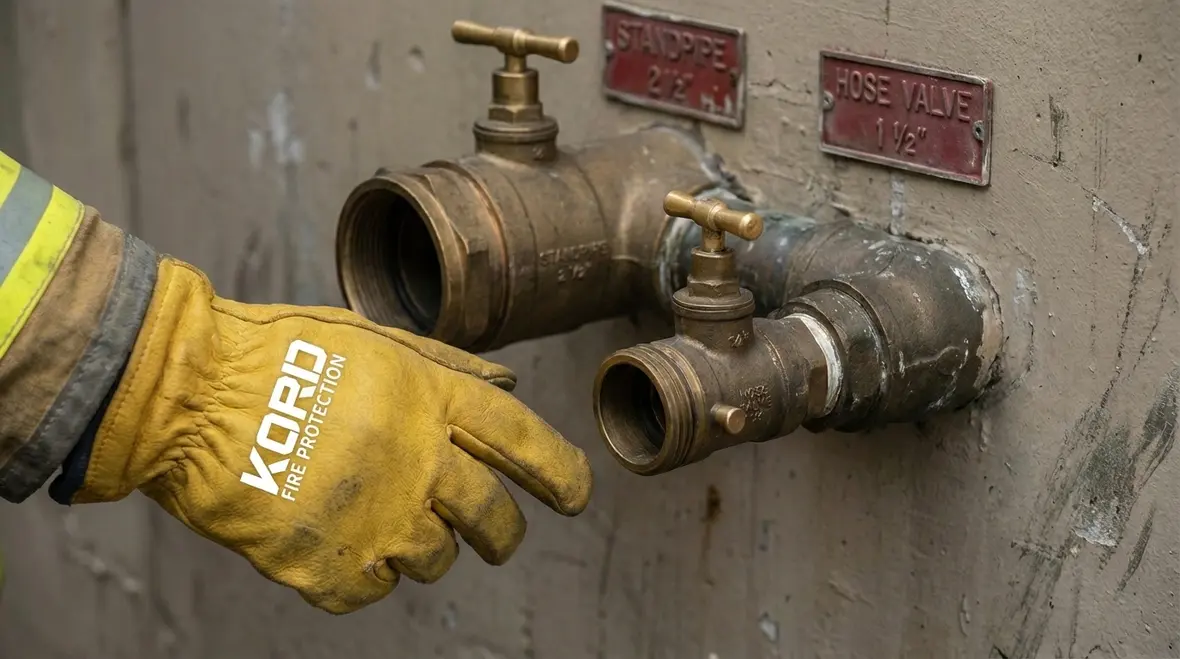
Designed for firefighter use only. Equipped with two and one half inch hose connections. Most common in high rise buildings and large commercial properties.
Intended for trained building occupants. Uses one and one half inch hose stations. Less common today due to liability and training concerns.
Combines features of Class I and Class II. Includes both sizes of hose connections for flexibility.
Most modern high rise buildings install Class I systems. Why? Because fire departments prefer using their own hoses and equipment. It ensures compatibility, performance, and safety. Meanwhile, Class II installations have become less popular. After all, asking office employees to fight a fire can feel like casting accountants in an action movie. Brave, perhaps. Ideal, not quite.
Kord Fire Protection technicians often recommend evaluating building occupancy and local code requirements before selecting or upgrading a class type. Codes vary by jurisdiction, and compliance is not optional.
High Rise Applications and Strategic Advantages
High rise buildings present unique challenges. Elevators may be restricted during a fire. Stairwells become primary access routes. Smoke travels vertically. Therefore, water delivery must be immediate and reliable on every level.
1. Faster Fire Attack
Firefighters can connect on the floor below the fire and advance upward safely. This reduces setup time and limits fire growth.
2. Improved Water Pressure Control
Engineers design pressure zones to ensure consistent flow, even at upper floors. Pressure regulating devices prevent dangerous surges.
3. Enhanced Firefighter Safety
By reducing the need to haul long hose lines vertically, crews conserve energy and reduce strain. In a high stress environment, that matters.
4. Code Compliance
Most building codes require these systems in structures exceeding certain height thresholds. Compliance protects both occupants and owners.
Kord Fire Protection technicians often remind property managers that high rise design is not simply about aesthetics. Glass facades and rooftop lounges may draw attention, yet hidden infrastructure keeps people alive. The fire suppression riser may never appear in a glossy brochure, but it quietly earns its keep every day.
Design Considerations That Go Beyond the Basics
Designing a standpipe network involves more than installing vertical pipes. Engineers must account for water supply reliability, pump redundancy, seismic bracing, and valve accessibility. Additionally, they must consider future building modifications.
For example, if a commercial tower converts office floors into residential units, water demand patterns may shift. Consequently, system capacity must be reviewed. Similarly, renovations can obstruct hose valve access if not carefully planned.
Pressure regulating valves deserve special attention. In tall buildings, static pressure at lower floors can become excessive. Therefore, these valves control outlet pressure to safe levels. However, improper adjustment can restrict flow. Routine testing ensures they operate within design limits.
Kord Fire Protection technicians stress the importance of annual inspections and periodic flow testing. They approach these visits with the calm focus of a seasoned pilot running through a preflight checklist. Each valve, gauge, and connection receives careful evaluation. If something feels off, they investigate before a minor issue becomes a major liability.
Furthermore, corrosion control plays a vital role. Over time, internal pipe surfaces can degrade, especially in systems that remain dry until activation. Moisture intrusion, trapped air, and mineral deposits all contribute to wear. Regular internal assessments and flushing reduce long term damage.
Common Mistakes Building Owners Should Avoid
Although the concept seems simple, missteps occur more often than one might expect. Fortunately, most are preventable.
Neglecting Routine Inspections
Some owners treat inspection reports like unread terms and conditions. However, deferring maintenance increases risk and cost.
Blocking Hose Valve Access
Storage boxes, decorative panels, and creative remodeling can obstruct connections. During an emergency, clear access is non negotiable.
Ignoring Fire Department Connections
Exterior connections must remain visible and protected. Landscaping should complement safety, not compete with it.
Assuming Sprinklers Replace Standpipes
Sprinklers control many fires effectively. Yet, they do not eliminate the need for manual firefighting infrastructure. Both systems serve different but complementary roles.
Kord Fire Protection technicians frequently conduct walkthroughs to identify these issues early. They believe prevention beats explanation every time. After all, explaining to an insurance adjuster why a valve was hidden behind holiday decorations rarely ends well.
Maintenance, Testing, and Long Term Reliability
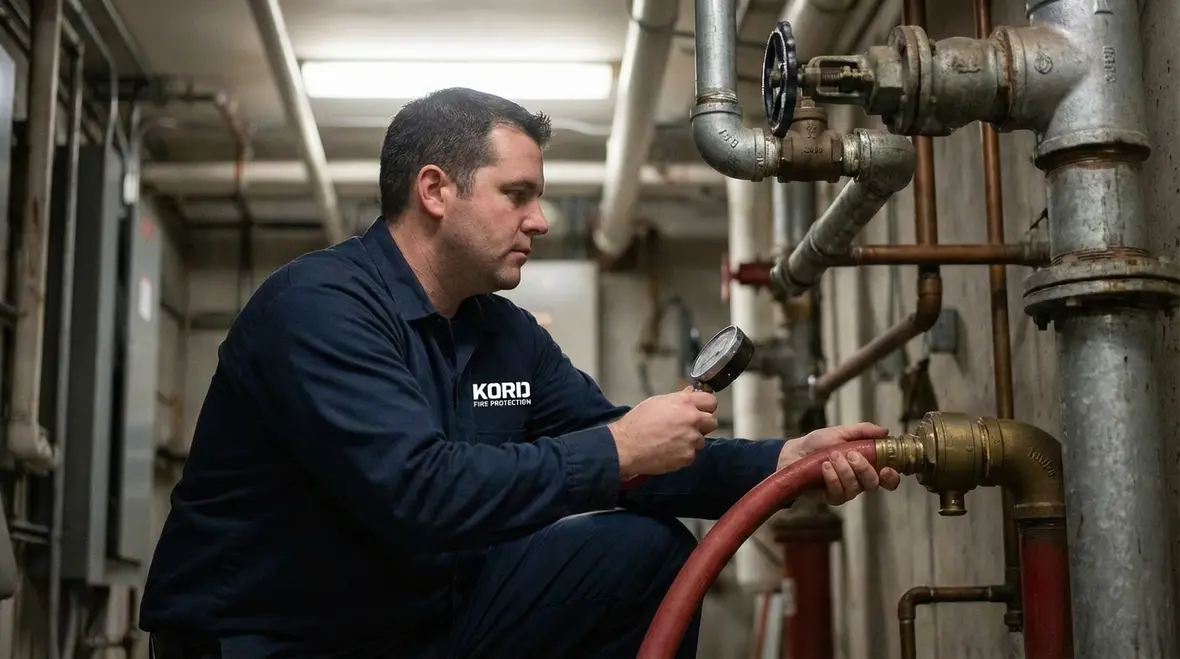
Reliability depends on disciplined maintenance. Industry standards outline inspection intervals for valves, gauges, hose connections, and fire department connections. Additionally, periodic flow testing verifies that the system can deliver required gallons per minute at specified pressures.
During a flow test, technicians measure pressure at various points while water moves through the piping. They compare results to design criteria. If discrepancies appear, they investigate pump performance, obstructions, or valve settings.
Moreover, documentation matters. Accurate records demonstrate compliance and provide a performance history. In the event of a fire or inspection, clear documentation supports accountability.
Kord Fire Protection technicians approach maintenance with steady professionalism. They explain findings in plain language, avoiding technical jargon whenever possible. Because informed building owners make better decisions, transparency remains central to their process.
Importantly, modernization may become necessary in aging properties. Older buildings sometimes operate with outdated components or undersized piping. Upgrades can improve reliability and align with current codes. While capital improvements require investment, they also reduce long term exposure.
What Should a Building Manager Ask About a Standpipe System?
A building manager evaluating fire protection readiness might ask several practical questions. Clear answers build confidence.
Is the system classified correctly for the building occupancy?
It should match current code requirements and intended use.When was the last full flow test conducted?
Recent, documented testing confirms performance.Are pressure regulating devices properly adjusted?
Incorrect settings can limit firefighting effectiveness.Are all hose valves accessible and clearly marked?
Obstructions delay response time.Does the fire department connection remain visible and protected?
It must allow quick engine hookup.
Kord Fire Protection technicians encourage proactive conversations. Instead of waiting for a deficiency notice, they recommend scheduled reviews and planning sessions. Fire protection works best when treated as a living system rather than a forgotten installation.
Frequently Asked Questions
Conclusion and Next Steps
Fire protection rarely announces itself with fanfare. Yet, when the moment comes, preparation speaks loudly. A well designed and maintained standpipe system supports firefighters, protects occupants, and preserves property value. Kord Fire Protection technicians stand ready to evaluate, test, and strengthen these critical systems with steady expertise. Building owners who prioritize inspection and proactive planning invest not only in compliance but in confidence.
If your property includes high rise towers, large parking structures, or complex campuses, now is the time to review your standpipe readiness. Explore Kord’s dedicated Standpipe Systems service page to see how Class I-II-III design, testing, and upgrades can align with your local codes and building goals. Then, connect with Kord today and ensure every floor stands prepared.
For facilities in greater Los Angeles and across California, Kord’s broader fire protection services bring together sprinklers, alarms, pumps, suppression systems, and standpipes into one coordinated safety strategy. One call, one team, and a lot more peace of mind.
Know Your Weapon Before You Fight the Flame
Kord Fire Protection is your go-to when it comes to all things fire protection. For over 20 years, we’ve been serving Southern California with the quality service and equipment to keep your home or business safe at all times. Our competitive prices reflect our unwavering commitment to protecting what matters most in the event of a fire emergency. Give us a call, send an email, or use that form!

Join Our Newsletter!
Get the latest fire safety tips delivered straight to your inbox From our Newsletter.


