NFPA 1 Section 43.5 Miscellaneous Spray Operations Guide
Quick Answer
NFPA 1 Section 43.5 sets the fire safety rules for miscellaneous spray operations, especially where spray work does not fit the usual paint booth setup. In plain terms, it helps facilities control ignition, fumes, overspray, and cleanup risks. For industrial, retail, and commercial sites, Kord Fire Protection can help turn compliance into a smooth, practical process through broader full fire protection services that support inspection readiness and system performance.
NFPA 1 Section 43.5: What It Means for Spray Work
NFPA 1 Section 43.5 covers spray operations that fall outside standard systems, which makes it a big deal for sites using coating, finishing, touch up, or product treatment methods. These tasks can look routine on the floor, yet they can create serious fire and vapor risks fast. That is where miscellaneous spray operations NFPA guidance becomes useful, because it gives a clear path for safer work. In other words, the code helps stop a small spark from becoming a very expensive headline. Nobody wants that kind of surprise on a Monday.
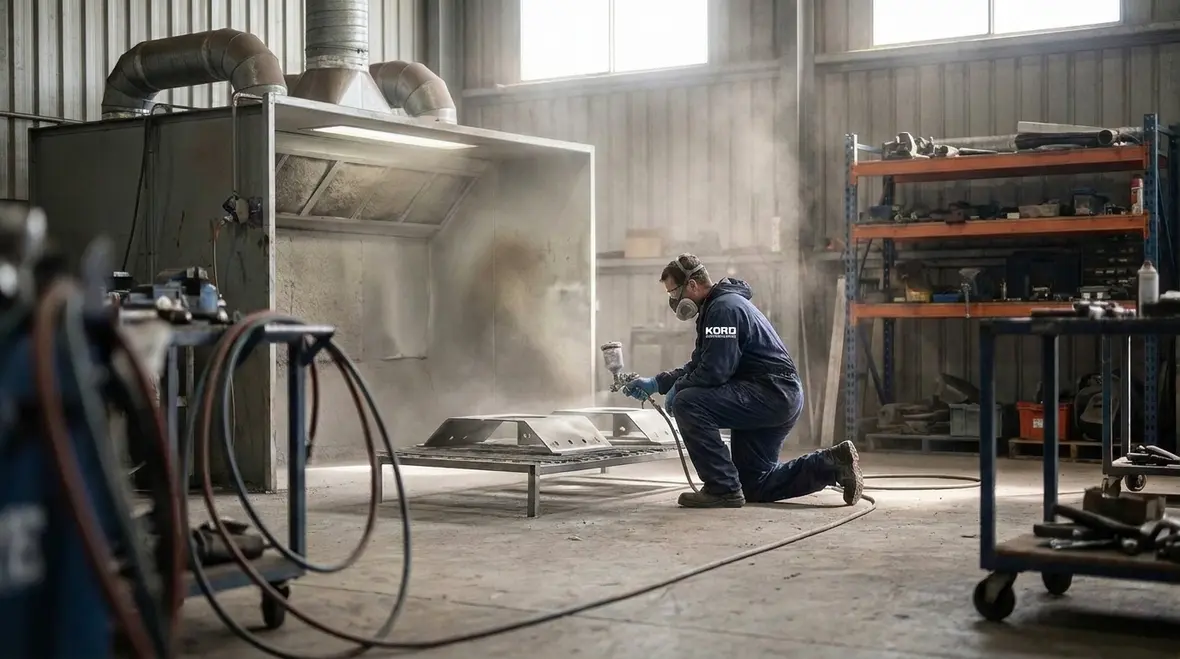
What makes this section especially important is that miscellaneous spray work often lives in the gray zone. It may not happen inside a traditional enclosed spray booth. It may be temporary, mobile, intermittent, or part of a broader production sequence. That creates a false sense of comfort. Teams sometimes assume that if the process is smaller, quicker, or moved to a corner of the building, it carries less danger. Fire risk, however, does not care whether a job is formal, informal, permanent, or squeezed in before lunch.
Why these operations get special attention
Standard spray setups usually come with clearer boundaries, dedicated ventilation, and equipment designed around predictable hazards. Miscellaneous spray operations can be different. A process might happen near storage, packing, maintenance activity, electrical components, or busy walkways. That means the risk is not isolated. It is mixed into everyday operations where a harmless looking change can raise the danger fast.
This is also why code language matters so much. It gives facilities a framework for deciding when an area needs tighter controls, when materials require more careful handling, and when the process itself needs a smarter layout. It is less about red tape and more about avoiding the kind of avoidable incident that starts with, “We have done it this way for years.”
Why Special Spray Processes Need Strict Controls
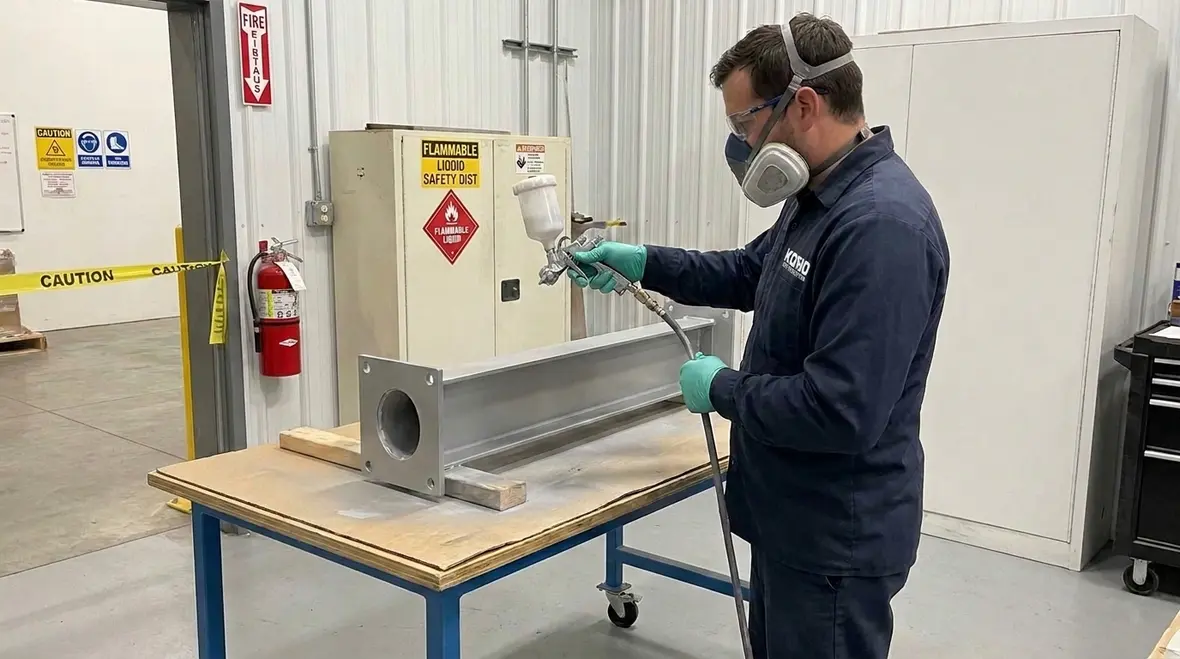
Special spray processes fire code rules focus on how flammable material behaves in open or semi open work areas. Unlike a sealed booth, these jobs often happen in flexible spaces, near production lines, storage zones, or maintenance bays. Therefore, the fire load can shift during the day. Overspray can settle on surfaces. Vapors can move through the room. Meanwhile, ignition sources may be hiding in plain sight, like switches, motors, or careless hot work. Strong control measures reduce those risks before they stack up.
The real issue is accumulation. One small source of vapor may not seem dramatic. A little overspray on a surface may not get anyone’s attention. A fan relocated for convenience may look harmless. But combine all of that with poor airflow, open containers, static, or a nearby spark source, and the risk profile changes in a hurry. Fire events in spray environments do not always arrive with a giant warning sign. Sometimes they build quietly and then make their entrance like they own the place.
Strict controls matter because they force consistency. Ventilation cannot be a maybe. Housekeeping cannot be a once in a while event. Electrical safety cannot depend on whether the busiest shift remembered to check the area. The point of these controls is not to make work harder. It is to make safe work repeatable, even when production pressure is high and everyone swears they only need five more minutes.
What a Facility Must Check Before Spray Operations Begin
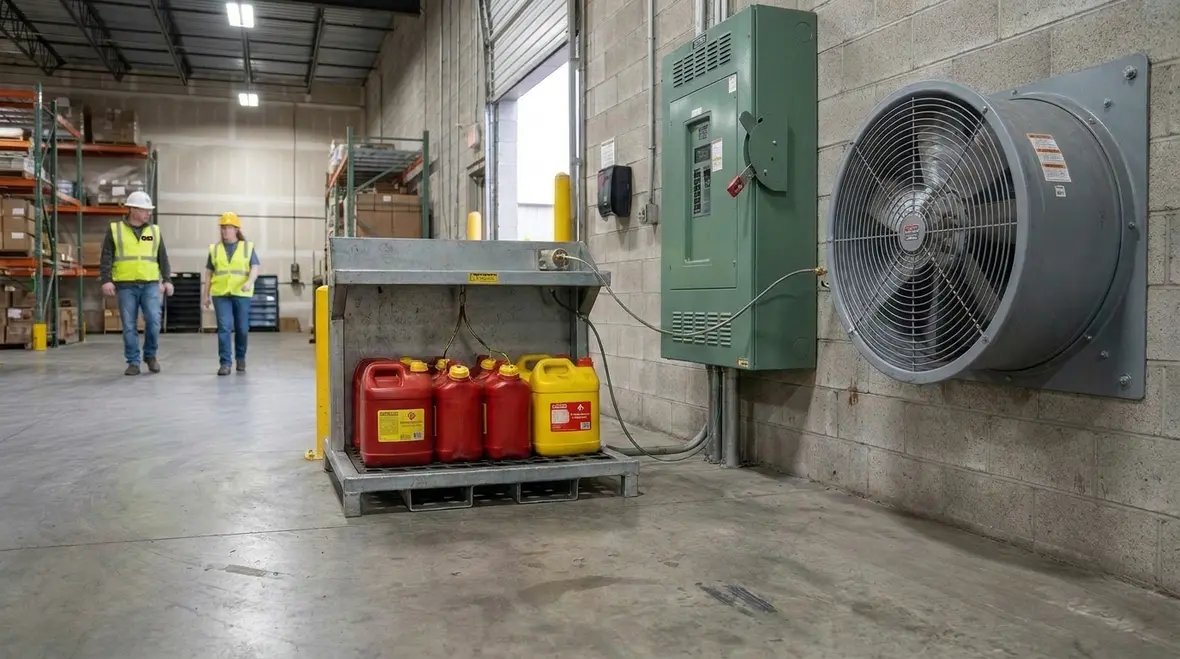
A site should review the spray type, the product being used, the area layout, and the nearby equipment. In addition, teams should confirm ventilation, grounding, electrical safety, housekeeping, and emergency response steps. NFPA 1 Section 43.5 expects the work area to match the hazard. So, if a task creates flammable mist or vapor, the room must be treated like a fire risk zone, not just a work zone. That sounds obvious, but fire does not care about office politics or tight schedules.
Pre start review points that matter most
Before spray operations begin, facilities should ask practical questions. What exactly is being sprayed, and how flammable is it? Where will vapors travel if airflow changes? Are containers closed when not in use? Is the surrounding equipment suitable for the area? Has anyone introduced heat producing tools or temporary electrical gear nearby? These questions are not overkill. They are the difference between assuming safety and actually building it.
Grounding and bonding deserve special attention in any spray related environment because static can become the sneaky troublemaker in the room. Ventilation deserves equal respect because even a well intended process can turn risky when fumes linger instead of moving safely away. Housekeeping matters because overspray residue does not remain neatly loyal to one surface. It spreads, settles, and waits for people to forget it exists.
Emergency planning also belongs in the early review, not at the end of a compliance checklist. Staff should know what to do if there is a spill, unexpected ignition, ventilation problem, or equipment fault. If the response plan only becomes clear after something goes wrong, that is not really a plan. That is just a very stressful meeting waiting to happen.
How Kord Fire Protection Supports Compliance
Kord Fire Protection can become a vital partner because it brings fire safety planning, system support, and practical advice into one service path. For facilities that handle non standard spray fire safety issues, this matters a lot. Kord Fire Protection can assist with hazard reviews, system checks, suppression planning, and guidance on safer work practices. As a result, the facility does not just tick a box. It builds a stronger, more workable safety setup that supports production and protects people.
That support is particularly valuable for facilities balancing compliance with day to day operations. Managers often know the risks are real, but they also have schedules, staffing issues, equipment demands, and the usual parade of urgent tasks. A practical fire protection partner helps translate code expectations into actions that can actually be carried out. That includes reviewing conditions on site, helping identify weak points, and connecting those findings to real system needs, including fire suppression system services where special hazard protection is part of the bigger picture.
For teams trying to align broader code guidance, it can also help to understand related topics such as NFPA 1 fire prevention and safety guidance. That wider context makes Section 43.5 easier to apply because it places spray hazards inside the larger goal of controlling ignition, managing combustible conditions, and keeping systems ready when conditions change.
Facility priorities
- Reduce ignition risk
- Manage vapors and overspray
- Keep systems ready
- Improve staff response
How Kord helps
- Review equipment, layout, and control measures
- Support ventilation and fire safety planning
- Inspect and maintain relevant fire protection systems
- Help align emergency steps with site risks
Where Compliance Often Breaks Down
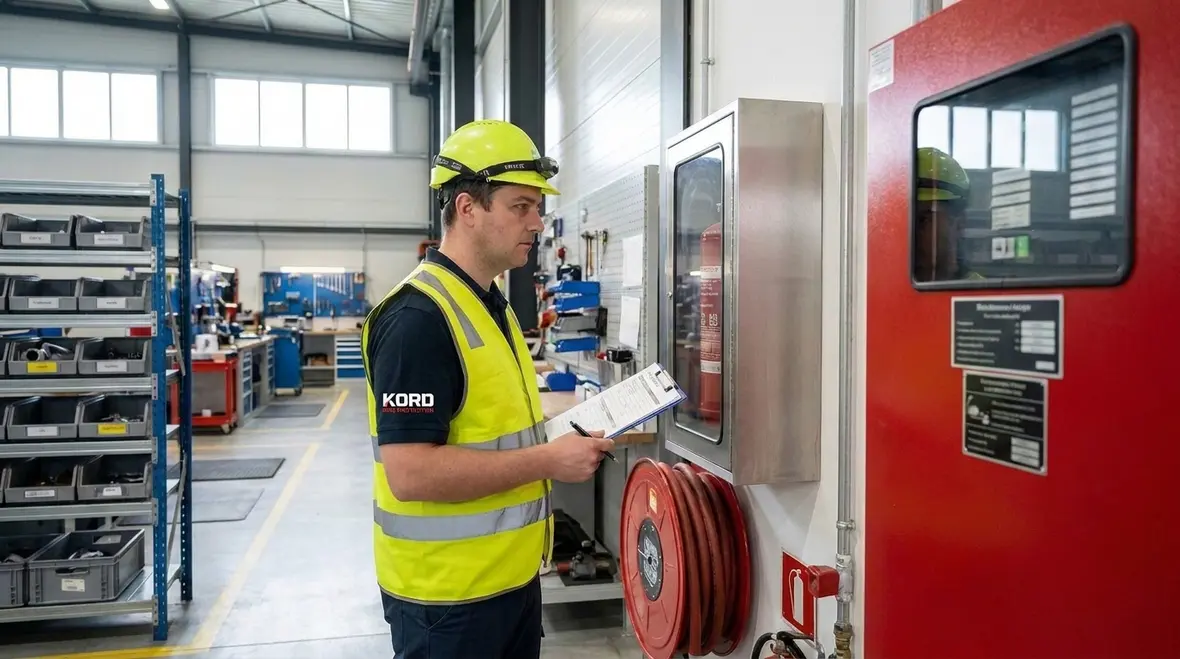
Most problems do not start with one major mistake. Instead, they grow from small shortcuts. For example, a team may skip a risk review because the spray job is short. Then someone moves a fan, a container stays open, or a grounded surface becomes poorly maintained. After that, the hazard rises quietly. Special spray processes fire code rules are built to catch those weak points before they spread. Therefore, regular checks matter just as much as the original setup.
Temporary work is a classic trouble zone. People tend to treat temporary tasks like temporary risks, but the chemistry does not cooperate with that logic. A quick spray application can still produce vapors, residue, and ignition potential. Another common failure point is change management. New product, new nozzle, new area, new schedule, same old assumptions. That combination can undo a perfectly good control plan in record time.
Training gaps also play a role. Staff may understand the process itself but not the way that process alters the surrounding fire environment. If workers do not know why ventilation settings matter, why residue cleanup is urgent, or why certain tools should stay out of the zone, compliance becomes fragile. It survives only while everyone remembers the rules and nobody gets creative.
What Strong Fire Protection Looks Like in Practice
A solid program for miscellaneous spray operations NFPA compliance includes clear zone control, correct storage for flammable materials, safe electrical equipment, and trained staff who know what to watch for. It also includes tested suppression and alarm systems when the site requires them. Furthermore, leaders should document each process and update controls when products or equipment change. A good system does not just exist on paper. It works when a hose leaks, a process changes, or a shift gets busy.
In practice, strong protection looks organized, boring, and dependable, which is exactly what you want from fire safety. The spray area is defined. Materials are handled properly. Cleanup is not postponed until someday. Systems are inspected. Responsibilities are clear. When work conditions shift, the controls shift with them. That kind of discipline protects more than compliance. It protects uptime, property, and the people trying to do their jobs without starring in an incident report.
The best programs also treat review as ongoing rather than one and done. Spray operations change. Products change. Equipment ages. Staff turns over. Building use evolves. A site that was reasonably controlled last year may have brand new exposure points today. Consistent review keeps the safety plan alive instead of leaving it framed on a wall like a motivational poster.
FAQ
Conclusion
NFPA 1 Section 43.5 gives facilities a smarter way to control spray related fire risk before trouble starts. It addresses the messy reality of non standard spray work, where fumes, overspray, shifting layouts, and hidden ignition sources can turn an ordinary task into a serious hazard. The value of the section is not just technical. It is practical. It helps teams create safer routines, clearer controls, and stronger readiness before a small issue becomes a major event.
For industrial, retail, and commercial sites, Kord Fire Protection can help turn complex code needs into simple, workable action. When the job is messy, fast, and full of vapors, the right partner makes all the difference. Reach out to Kord Fire Protection and build a safer spray operation today.

Join Our Newsletter!
Get the latest fire safety tips delivered straight to your inbox From our Newsletter.