
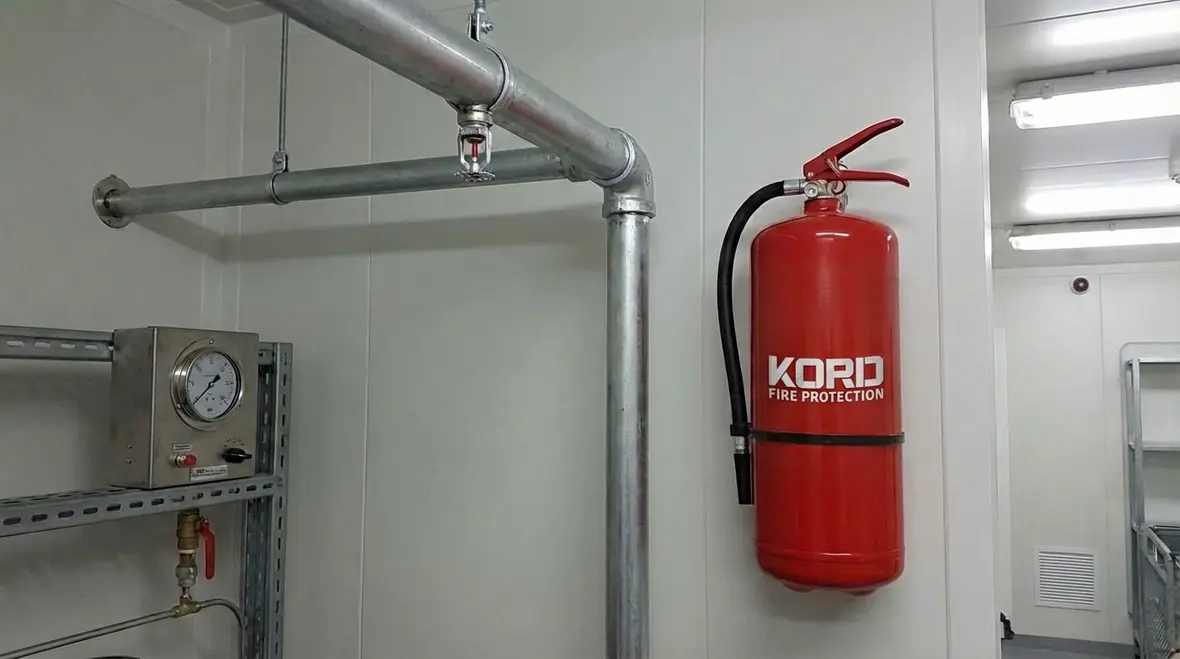
Portable vs Fixed Fire Suppression Options
The Difference Between Portable and Fixed Fire Suppression Options
In the world of fire safety, choices matter. The difference between a small extinguisher mounted on a wall and a fully engineered suppression system built into a facility can mean the difference between minor damage and a devastating loss. Within the first conversation, many facility owners hear about Fixed Fire Suppression Options and wonder how they compare to portable units. That is where Kord Fire Protection technicians step in. With calm authority and practical insight, they walk clients through each solution, explaining not only how systems work, but why they matter. This article explores those differences in depth, guiding decision makers toward safer, smarter protection strategies.
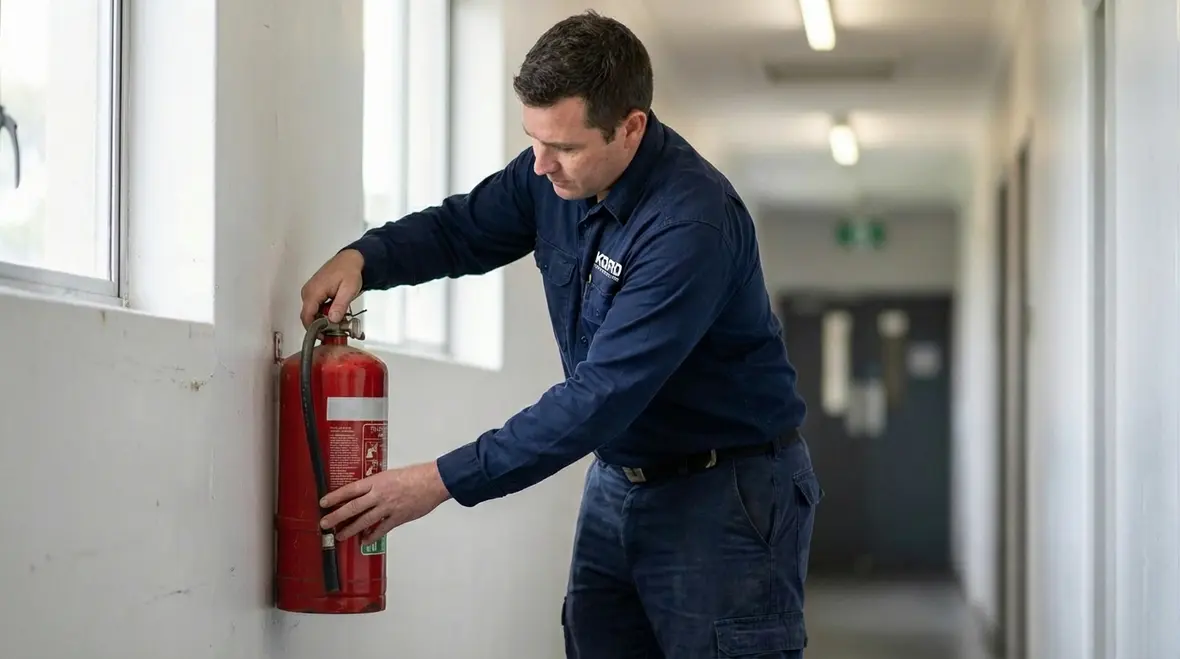
Understanding Portable Fire Suppression Devices
Portable fire suppression typically refers to handheld extinguishers or mobile units that a person can carry or wheel to a fire. These devices are the first line of defense. They are simple, visible, and familiar. Almost everyone has seen one mounted near an exit door.
However, while portable units look straightforward, they demand quick thinking and proper training. A person must identify the fire class, pull the pin, aim correctly, and discharge the agent effectively. That sounds easy in theory. In practice, adrenaline kicks in, smoke clouds the air, and suddenly it feels less like a training video and more like an action movie scene. Except there is no stunt double.
Portable extinguishers come in several types:
- Water based for ordinary combustibles
- Dry chemical for multi purpose coverage
- CO2 for electrical equipment
- Wet chemical for commercial kitchens
Each has its role. Yet, each also relies on human response. If no one is present, or if the fire spreads too quickly, portable protection reaches its limit.
Where Portable Suppression Fits Best
In many facilities, portable extinguishers shine in dynamic spaces. Construction sites, loading docks, vehicles, and small tenant areas all benefit from tools that can be moved, aimed, and discharged exactly where the fire starts. They are also vital backup in areas already protected by sprinklers or other systems, giving trained staff a way to stop a tiny incident before it becomes a full alarm event.
For a deeper dive into specialty agents—especially clean agents that protect sensitive equipment—facility managers can explore Kord Fire Protection’s Clean Agent Fire Suppression System Services page for examples of how portable and fixed solutions pair together in high value environments.
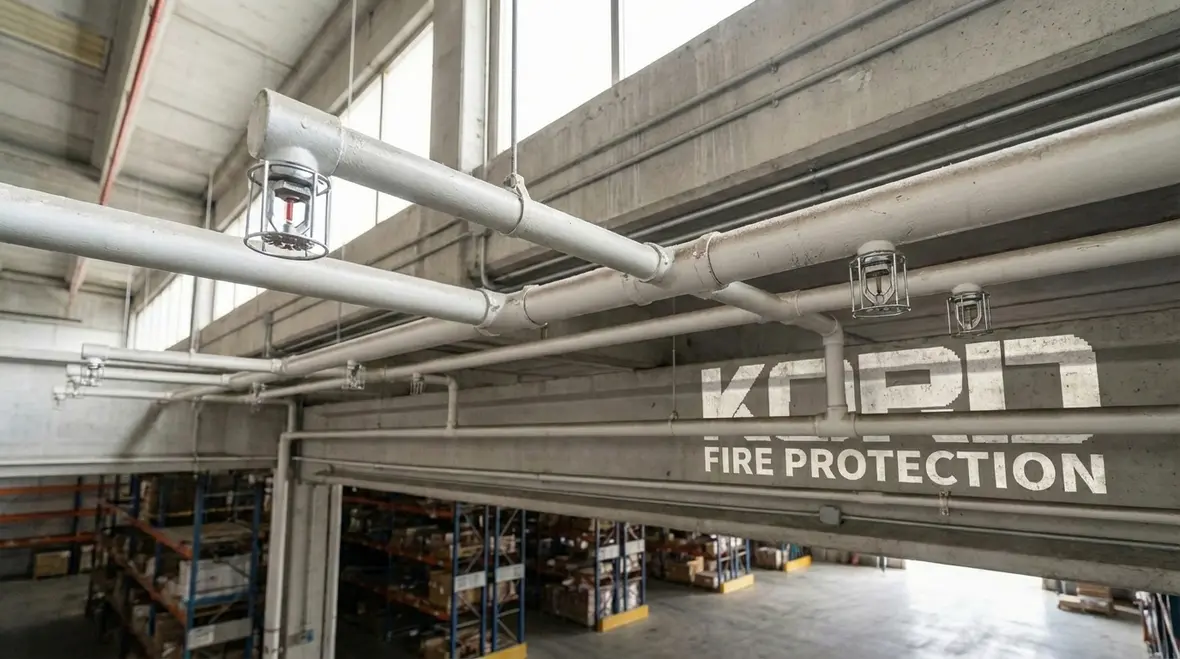
How Fixed Fire Suppression Options Protect Facilities
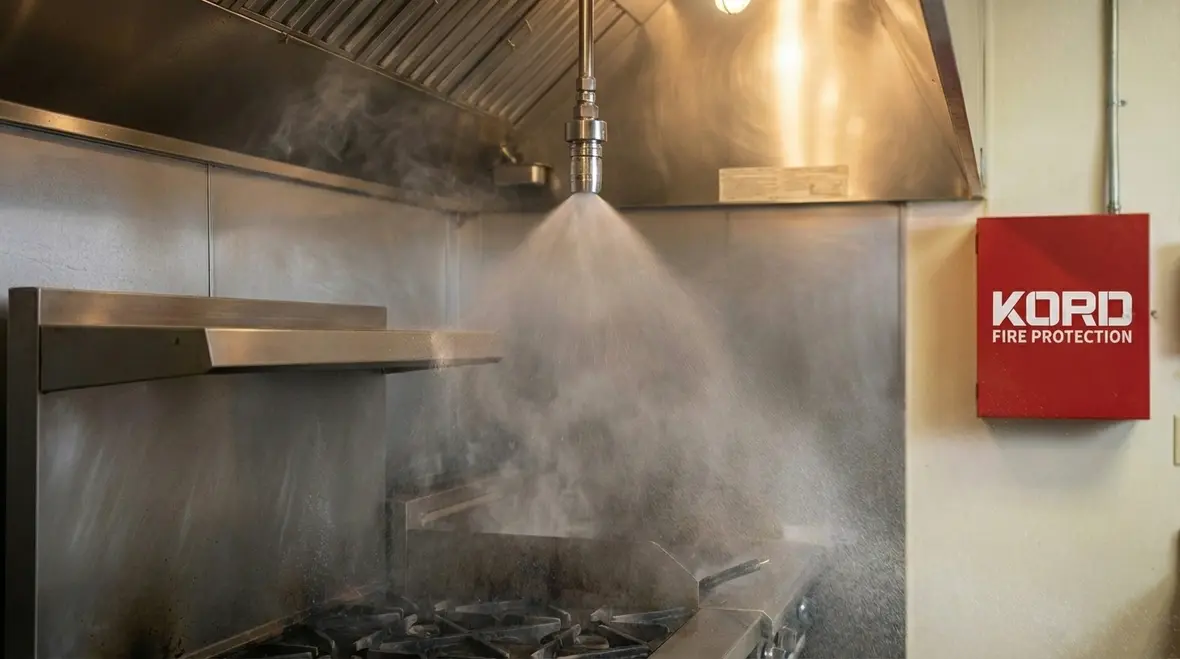
Unlike handheld devices, Fixed Fire Suppression Options are installed directly into a building or piece of equipment. They detect and suppress fires automatically. Sprinkler systems, clean agent systems, foam systems, and kitchen hood suppression units all fall into this category.
These systems do not wait for someone to grab them. Instead, they monitor heat, smoke, or flame signatures. When a threat appears, they activate immediately. Because of this automation, they provide consistent protection whether staff are present or not.
Kord Fire Protection technicians often explain it this way: portable extinguishers are like umbrellas. They help when someone is there to open them. Fixed systems are more like a roof. They stand ready, rain or shine, without waiting for permission.
Moreover, engineered suppression systems are designed around the unique hazards of a space. A data center requires a different approach than a commercial kitchen. An industrial paint booth demands different suppression than a warehouse filled with cardboard inventory. Therefore, design and installation involve careful planning, hazard analysis, and compliance with fire codes.
Examples of Fixed Fire Suppression in Action
Some of the most common fixed systems include:
- Sprinkler systems for broad building coverage
- Clean agent systems protecting server rooms, data centers, and control rooms
- Wet chemical systems in UL 300 compliant kitchen hoods
- Foam systems for aircraft hangars, fuel areas, and high challenge storage
- CO2 and dry chemical systems for specialized industrial hazards
To see how these options scale from kitchens to aircraft hangars and beyond, readers can review service pages like Foam Fire Suppression Systems and UL 300 Kitchen Suppression Systems, where Kord Fire Protection outlines how fixed systems are engineered around specific environments.
What Should a Business Choose for Fire Protection?
The short answer is usually both. However, the long answer deserves attention.
Portable units serve as immediate response tools. They empower employees to address small fires before they escalate. On the other hand, permanently installed fire suppression systems provide broader coverage and faster automatic response.
- What materials are present?
- How quickly could a fire spread?
- Are people always onsite?
- What does local code require?
- What level of asset protection is needed?
For example, a small retail shop may rely heavily on extinguishers combined with a standard sprinkler system. Meanwhile, a manufacturing plant handling flammable liquids may require foam based suppression integrated with alarm systems and emergency shutoffs.
Therefore, the decision is not about choosing one over the other. Instead, it involves layering protection. Fire safety works best when systems support each other.
Side by Side Comparison of Protection Strategies
Portable Fire Suppression
- Manually operated
- Lower upfront cost
- Requires training and quick response
- Ideal for small, contained fires
- Limited discharge time
Fixed Fire Suppression Options
- Automatically activated
- Higher initial investment
- Designed for specific hazards
- Protects even when no one is present
- Integrated with alarms and building systems
This comparison highlights a simple truth. Portable units are reactive tools. Fixed systems are proactive safeguards. Both play important roles, yet their capabilities differ significantly.
Installation, Maintenance, and Long Term Reliability
Installing a portable extinguisher involves mounting it in an accessible location and ensuring proper signage. Installing a fixed suppression system requires engineering drawings, hydraulic calculations, pipe routing, detection integration, and code approvals. Clearly, the complexity varies.
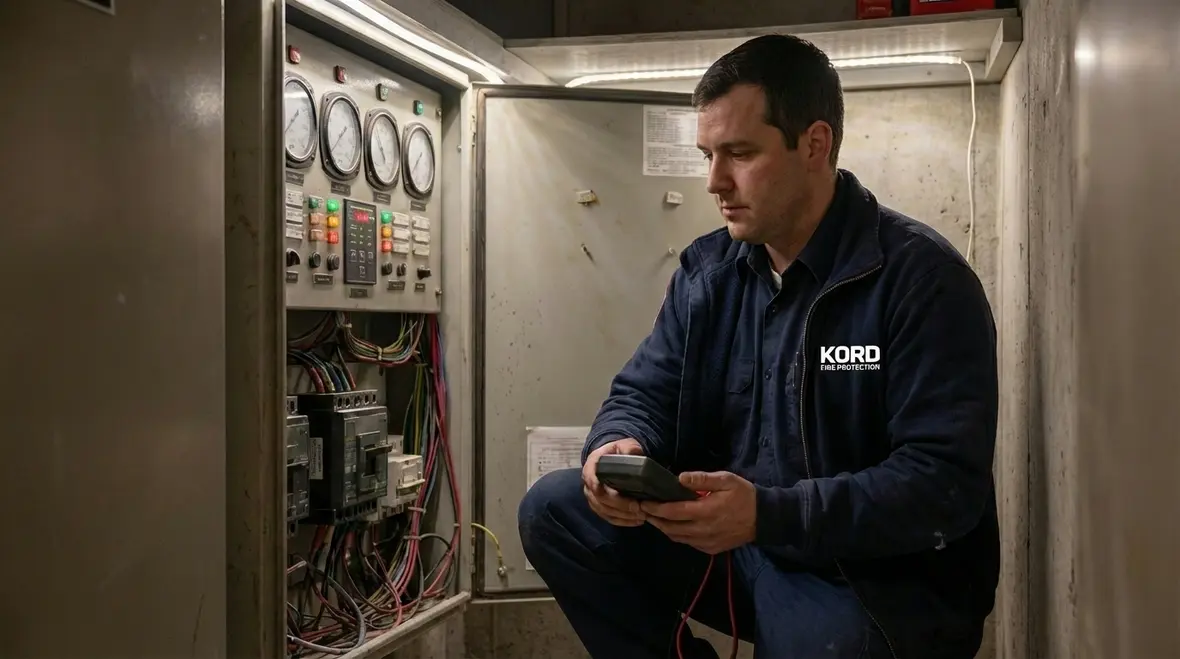
However, complexity also brings reliability. Permanently installed systems undergo routine inspections, testing, and maintenance. Sprinkler heads are checked for corrosion. Control panels are tested. Detection devices are calibrated. Clean agent cylinders are weighed and monitored.
Kord Fire Protection technicians emphasize that maintenance is not optional. It is essential. Even the best designed system can fail if neglected. In fact, regular service visits often reveal minor issues before they become serious problems.
Portable extinguishers also require inspection. Pressure gauges must read correctly. Seals must remain intact. Units must stay accessible. Yet, because they appear simple, they are sometimes overlooked. Ironically, the tool meant to stop a small fire can become useless if it has not been checked in years.
Therefore, maintenance bridges the gap between theory and real world performance. Fire protection is not a set it and forget it investment. It is a living system that demands attention.
Cost Considerations and Risk Management
Cost often drives decision making. Portable extinguishers cost less upfront. Fixed installations require higher initial spending. However, evaluating price without considering risk can be shortsighted.
A properly designed suppression system can reduce property damage, minimize downtime, and even lower insurance premiums. Moreover, it can protect lives. When viewed through that lens, the investment begins to make sense.
Additionally, certain industries must install engineered systems to meet code requirements. Restaurants need kitchen hood suppression. Data centers often require clean agent systems to avoid water damage to electronics. Industrial facilities handling hazardous materials may require foam or specialized suppression solutions.
Kord Fire Protection technicians often remind clients that compliance is not merely about avoiding fines. It is about building resilience. After all, no business owner wants to explain to stakeholders why a preventable fire shut down operations for months.
Think of it like car insurance. No one brags about paying premiums. Yet everyone appreciates coverage when something goes wrong.
Industry Specific Applications and Practical Examples
Different environments call for different strategies. For example, in a commercial kitchen, grease fires spread rapidly. A portable extinguisher might help initially. However, a built in wet chemical system installed under the hood activates quickly and suppresses flames at their source. It also shuts off fuel supply, preventing re ignition.
In a warehouse storing high piled combustible goods, ceiling mounted sprinkler systems provide wide area coverage. Portable extinguishers remain available, yet they cannot match the reach of overhead sprinklers.
Meanwhile, in server rooms, water can cause almost as much damage as fire. Clean agent suppression systems release gas that extinguishes flames without harming electronics. This tailored approach shows the strength of engineered solutions.
Kord Fire Protection technicians guide clients through these scenarios with clarity. They explain how detection technology works, how discharge patterns spread, and how each component interacts with alarms and monitoring services. Their explanations feel less like technical lectures and more like practical storytelling. As a result, clients understand not only what they are buying, but why it matters.
The Human Factor in Fire Response
One crucial difference between portable extinguishers and permanently installed fire suppression systems lies in the human factor. Portable devices depend on courage, training, and timing. Fixed systems reduce that dependency.
During an emergency, stress affects judgment. Even trained employees may hesitate. Therefore, automation provides a safety net. It removes guesswork and speeds response time.
That said, training remains important. Staff should know evacuation procedures, alarm signals, and basic extinguisher use. Fire protection works best when people and systems cooperate.
In many ways, portable and fixed systems represent teamwork. One handles immediate manual intervention. The other provides automatic defense. Together, they create layers of protection that strengthen a facility’s overall safety posture.
Conclusion: Build Smarter Protection with the Right Strategy
Fire safety is not a choice between simple and complex. It is a commitment to layered protection. Portable tools offer immediate response. Engineered systems provide automatic defense. Together, they form a reliable shield. Kord Fire Protection technicians stand ready to assess risks, explain options clearly, and design solutions that fit each facility. When safety matters, thoughtful planning makes all the difference.
For facilities ready to move from “good enough” to confidently protected, partnering with a full service provider is the next step. Kord Fire Protection delivers design, installation, testing, and maintenance for systems ranging from clean agents to foam, CO2, and UL 300 kitchen suppression. Explore their Fire Suppression Services to see how portable and fixed fire suppression can be tailored to your specific hazards. Reach out today and build protection that stands firm when it counts most.
Know Your Weapon Before You Fight the Flame
Kord Fire Protection is your go-to when it comes to all things fire protection. For over 20 years, we’ve been serving Southern California with the quality service and equipment to keep your home or business safe at all times. Our competitive prices reflect our unwavering commitment to protecting what matters most in the event of a fire emergency. Give us a call, send an email, or use that form!

Join Our Newsletter!
Get the latest fire safety tips delivered straight to your inbox From our Newsletter.


