NFPA 1 Section 43.10 Dipping Coating Printing Fire Safety
Quick Answer: NFPA 1 Section 43.10 sets the fire safety baseline for dipping and printing work where flammable liquids, vapors, and hot surfaces can mix in a very unfriendly way. It matters because the right controls protect people, plant, stock, and uptime. For industrial and commercial sites across Australia, Kord Fire Protection can help turn code duties into practical, workable protection.
NFPA 1 Section 43.10 speaks directly to dipping coating printing NFPA concerns, and it matters wherever coatings, inks, solvents, and drying steps create fire risk. In plain terms, the dipping process fire code aims to keep vapors from building up and turning a routine job into a fast moving incident. That is where strong coating printing fire safety controls become part of daily operations, not just a box tick for the clipboard crowd.
For industrial, retail, commercial, and facility environments across Australia, this section offers a useful frame for safer design, safer work practices, and better emergency planning. It also shows why a partner like Kord Fire Protection can matter. Sites that need broader support can pair this code focus with Australia fire protection for compliance and readiness, which fits naturally when process hazards need system thinking rather than guesswork. After all, fire safety should not feel like a scene from a disaster film directed by a bored pyromaniac.
What NFPA 1 Section 43.10 Means on Site
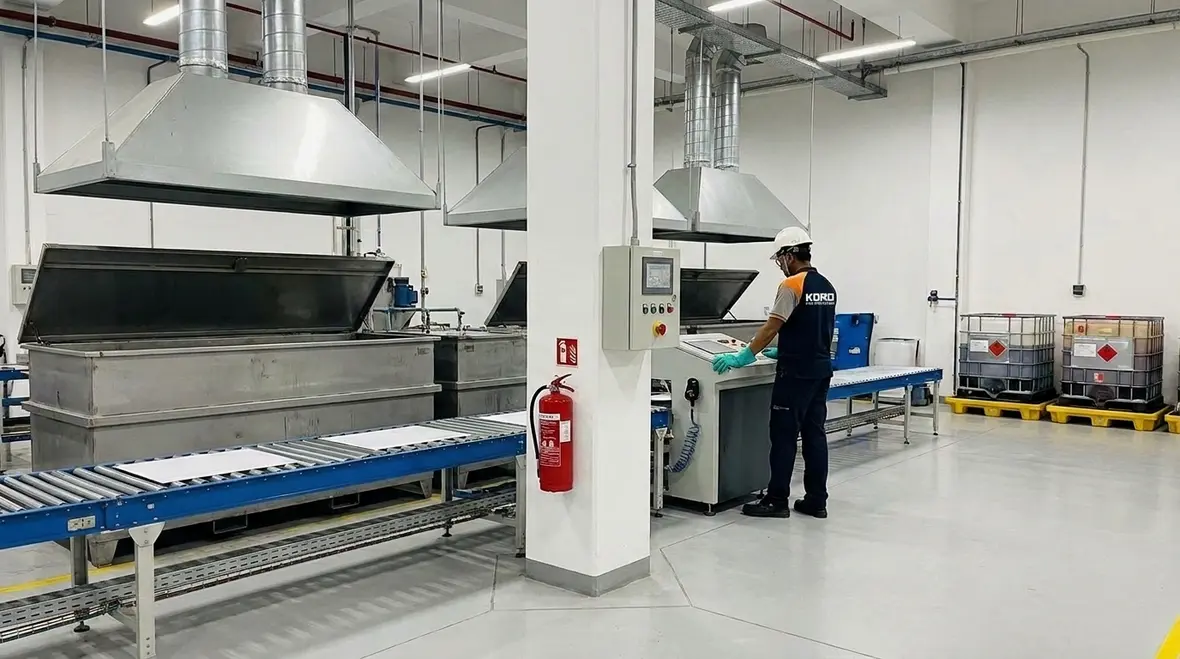
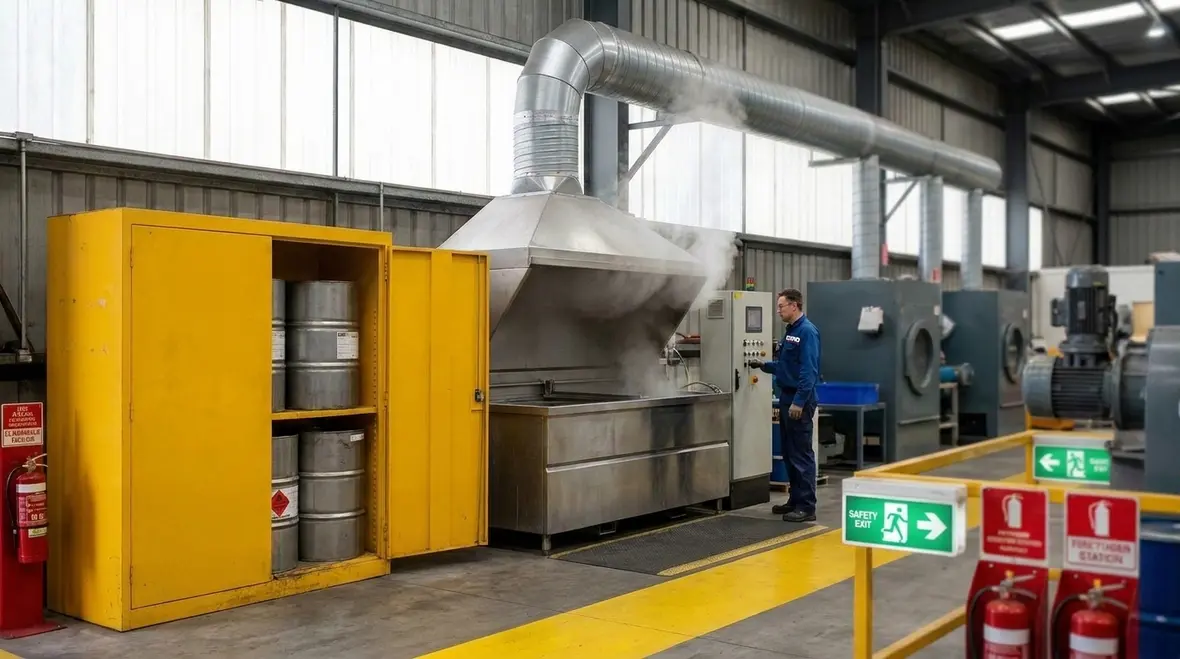
NFPA 1 Section 43.10 focuses on processes that dip, coat, print, or use similar materials that may release flammable vapors. It expects employers and facility operators to control ignition sources, manage liquid storage, protect equipment, and keep hazardous vapors from spreading. In practice, this means the site must treat the process area as a controlled fire risk zone.
That matters because the work often happens near dryers, heaters, motors, conveyors, and electrical gear. Therefore, the risk does not come from one single source. It comes from the mix. A small splash, a warm surface, and poor ventilation can line up like a bad sitcom plot. The code helps break that chain before it starts.
The real point of the section
The goal is not to make operations stiff, awkward, or buried under paperwork. The goal is to keep people safe while allowing production to run with fewer nasty surprises. When managers understand the code in that practical way, compliance stops being a last minute scramble and starts becoming part of the process design itself.
It also helps to view this section as part of a wider prevention mindset. Kord Fire Protection’s guide to NFPA 1 fire prevention and safety gives useful context for how specific process rules fit into a broader life safety picture. That bigger view is handy when a facility wants its controls to make sense on the floor, not only on the audit sheet.
Why Dipping and Printing Areas Need Extra Care
Dipping and printing spaces often use solvents, inks, coatings, and cleaning agents that can ignite or feed a fire. Also, the process may generate waste cloths, residue, overspray, and vapor clouds that raise risk even when the line looks clean. Because of that, coating printing fire safety must cover the whole work area, not just the main machine.
Operators should also watch for crowded storage, blocked exits, poor housekeeping, and unplanned changes to the process. Furthermore, small process changes can create new hazards fast. A new ink, a faster line speed, or a warmer drying stage can shift the risk profile overnight. That is why fire protection review should sit alongside production planning, not after it.
Common trouble spots teams miss
One common mistake is focusing only on the line itself and forgetting connected spaces. Mixing rooms, solvent storage corners, waste collection points, maintenance benches, and drying zones can all contribute to the hazard picture. Another miss is assuming a room that smells “fine” is safe. Vapors are not known for sending polite calendar invites before trouble starts.
Key Controls That Support the Code
The smartest fire control plan usually combines engineering, operations, and training. Each part matters, and each part supports the others. If one leg of the stool fails, the whole setup gets wobbly in a hurry.
Dual column overview
- Flammable vapors
Control That Helps: Ventilation, capture, and proper exhaust design - Ignition sources
Control That Helps: Electrical control, hot work rules, and equipment checks - Liquid storage
Control That Helps: Approved cabinets, labeling, and spill control
- Fire spread
Control That Helps: Detection, suppression, and separation of process zones - Human error
Control That Helps: Training, permit systems, and clear procedures - Ongoing readiness
Control That Helps: Inspection records, maintenance, and post-change reviews
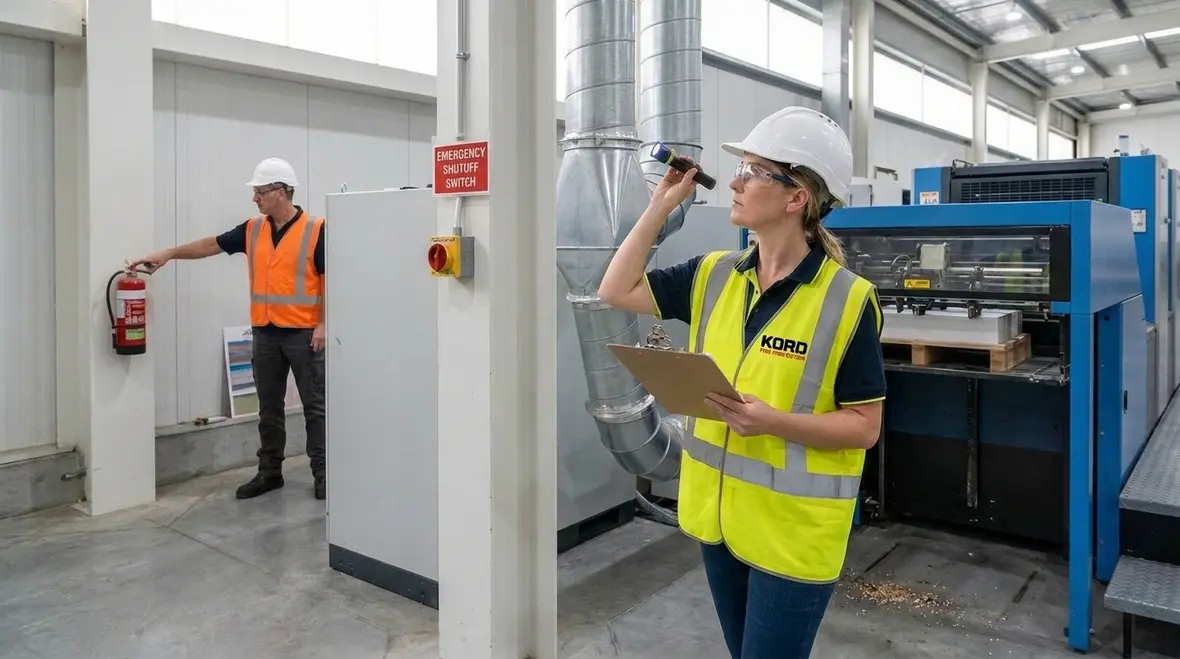
In addition, good housekeeping reduces buildup of residue and waste that can feed a fire. Likewise, clear access to exits, extinguishers, and shutoff points helps staff act fast if things go wrong. The best systems do not just meet the rule. They support real operations without slowing them down like a traffic jam behind a parade float.
Engineering plus human behavior
Strong ventilation and suppression are crucial, but people still make the daily decisions that keep risk low. Staff need to understand startup checks, cleaning rules, storage limits, reporting lines, and shutdown actions. When training is sharp and procedures are easy to follow, the site becomes far less dependent on luck, wishful thinking, or that one veteran operator who somehow remembers everything.
How Kord Fire Protection Can Support the Job
Kord Fire Protection can become a vital partner by helping facilities map their process risks and match them with practical fire protection measures. That support may include system design guidance, asset protection planning, detection and suppression recommendations, and maintenance programs that keep protection ready when it matters most.
For sites handling dipping and printing work, Kord Fire Protection can also help translate code language into real site actions. This may mean reviewing high risk zones, checking separation needs, and helping teams understand where fire systems should work harder. As a result, the facility gains a plan that fits the process instead of forcing the process to fit the plan. That is the sort of calm, grown up solution that keeps operations moving and insurers nodding in approval.
Where hazards are more demanding, related approaches like special hazard fire suppression in Australia can also help frame what enhanced protection may look like in high risk process areas. The point is not to overcomplicate the site. It is to make sure the level of protection actually matches the level of risk.
What Australian Facilities Should Check First
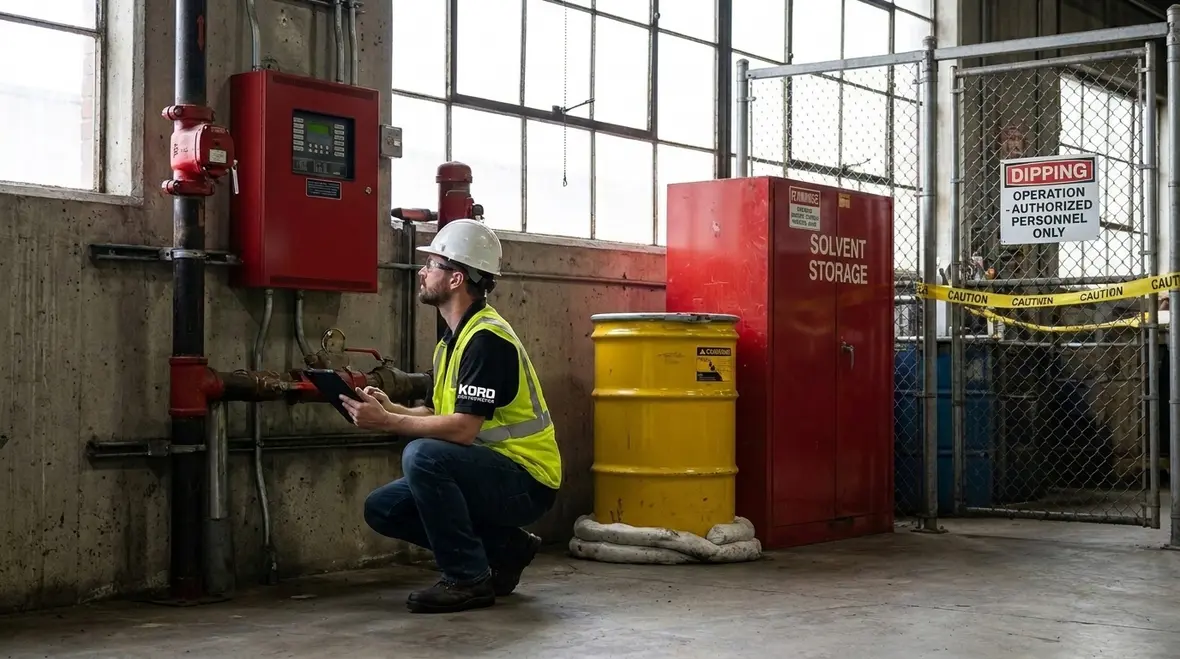
Across Australia, many facilities run mixed use spaces where production, storage, maintenance, and dispatch sit close together. Therefore, the first step is to look at the whole environment. Site teams should check whether flammable materials sit near heat sources, whether ventilation works as intended, and whether staff know the response steps during a leak or ignition event.
They should also confirm that fire protection systems suit the process load. For example, a simple office grade setup may not fit a coating or printing area with solvent use. In addition, emergency plans should cover shutdown steps, spill response, evacuation, and notification duties. If the plan feels vague, it probably is.
A sensible first review checklist
- Identify where flammable liquids, inks, and cleaning chemicals are stored and used
- Check whether dryers, heaters, motors, and electrical gear sit too close to vapor release points
- Review housekeeping in waste, residue, overspray, and rag disposal areas
- Confirm exits, alarms, extinguishers, and emergency shutoffs are easy to reach
- Test whether staff actually know what to do during a spill, ignition, or shutdown event
- Reassess controls after changes to materials, throughput, layout, or equipment
How to Stay Ready for Inspections and Daily Work
Compliance works best when it becomes part of routine operations. Regular checks, clear records, and staff refreshers help a site stay ready for inspections and for actual emergencies. Moreover, maintenance should never wait for a problem to appear. Small faults in ventilation, alarms, or suppression systems can grow into major losses later.
It also helps to review the process after any change. New materials, new layouts, and new equipment can all alter the fire risk. Therefore, a short review after each change keeps the protection plan honest. Nobody wants the system to discover a flaw during a real fire. That would be a dramatic reveal nobody asked for.
Readiness is a daily habit
The most reliable sites build readiness into everyday routines. They inspect before shifts, log issues clearly, fix faults before they stack up, and treat small warning signs as useful information rather than annoying interruptions. That culture is usually the difference between a manageable incident and a headline nobody wants attached to the loading dock.
FAQ
Conclusion
NFPA 1 Section 43.10 gives facilities a clear path to safer dipping and printing operations. When teams pair solid procedures with the right fire protection, they protect people, property, and production. Kord Fire Protection can help turn that plan into action.
For sites across Australia, that partnership can make all the difference. A safer process is a stronger business, and that is a win worth backing. Better yet, it is a win achieved without any dramatic soundtrack, heroic slow motion, or last second panic.

Join Our Newsletter!
Get the latest fire safety tips delivered straight to your inbox From our Newsletter.