Smart Fire Safety Integration for Australian Commercial Sites
Quick Answer: Smart Fire Safety Integration is moving commercial fire protection beyond pull stations and panels into connected, data driven systems. In Australia, facilities can reduce downtime, prove compliance faster, and respond in minutes instead of hours. Kord Fire Protection can act as a vital partner by designing, installing, monitoring, and improving these integrated networks.
Commercial sites across Australia are getting smarter, and fire protection is no exception. At the center of this shift sits Smart Fire Safety Integration, the approach that links detection, suppression, control panels, building systems, and reporting into one coordinated response. Rather than treating fire systems like isolated devices that only matter during emergencies, operators increasingly treat them like active infrastructure that supports daily decision making.
That broader mindset fits naturally with a full service approach to protection. Near the top of any serious integration plan, teams should think about how monitoring, alarms, sprinklers, and maintenance connect across the entire site, which is exactly why many operators explore full fire protection services before they start adding smart layers one device at a time. It is much easier to coordinate an ecosystem when the ecosystem has not already turned into a mystery novel.
And yes, the future is not a single gadget that magically prevents disasters. It is a system of systems, with clear ownership, clean data, and reliable testing. Kord Fire Protection can become the partner that makes that future practical for industrial, retail, and facilities teams across the country.
Where smart integration is headed in commercial fire protection
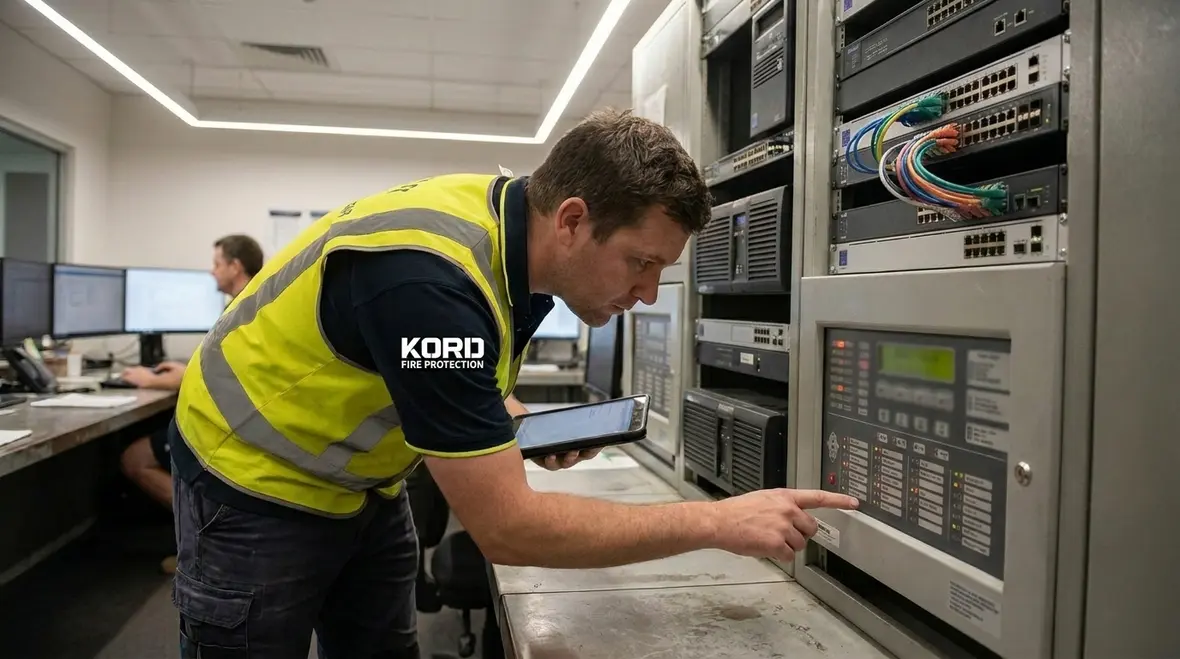
Smart integration in commercial fire protection infrastructure continues to evolve toward real time visibility and faster intervention. First, connected devices will report health status more often, not just during annual checks. Next, systems will share context, such as where an event starts and how compartments behave. Then, they will coordinate actions with other building functions like ventilation control, access control, and emergency messaging.
Meanwhile, analytics will shift from reactive to predictive. Facilities teams will not only ask, “Did it alarm?” but also, “What trends suggest a problem is forming?” Think of it like turning the fire panel into a calm, reliable narrator instead of a noisy smoke detector that wakes everyone like it is starring in a sitcom.
Why connected visibility matters more than flashy features
The best integrations are rarely the ones with the most dramatic sales pitch. They are the ones that provide consistent insight, dependable event flow, and fewer blind spots during both routine maintenance and abnormal events. A modern site may have fire alarms, suppression systems, smoke control, access restrictions, and messaging tools, but the value only appears when those systems behave like teammates instead of awkward strangers in the same meeting room.
As this happens, Kord Fire Protection can help clients avoid two common traps. One trap is buying technology without integration planning. The other trap is relying on data that no one trusts. With the right partner, the systems remain serviceable, understandable, and compliant. For teams that want to go deeper into how alarm logic and building response can work together, Kord Fire also covers this topic in fire alarm system integration for smarter building response.
What Smart Fire Safety Integration changes for operations teams
Facilities leaders care about outcomes, not buzzwords. Smart integration supports safer operations while also lowering the operational drag that comes with fire system management. For example, integrated reporting can streamline documentation and reduce time spent hunting down test records. Also, coordinated diagnostics help teams pinpoint which component needs attention instead of doing guesswork.
In industrial sites, this matters because downtime can be expensive and access is tightly managed. In retail and commercial facilities, it matters because inspections, escalations, and customer safety require predictable response. Even across different building types, the same pattern holds: teams want fewer surprises, clearer audit trails, and actions that match site risk.
From maintenance burden to operational clarity
When systems are integrated well, the daily experience improves in quiet but important ways. Service teams spend less time deciphering vague faults. Managers can review trends instead of chasing one off incidents. Contractors can commission interfaces with clearer evidence. Everyone gets closer to the dream of a fire system that behaves professionally and not like an office printer having an emotional episode.
Kord Fire Protection can support that shift by guiding clients through a practical approach that covers hardware, software, commissioning, and ongoing service. In other words, the integration works in real life, not just in a glossy brochure. Where ongoing alarm performance and off site awareness are part of the plan, it also makes sense to consider fire alarm monitoring systems as part of the wider strategy.
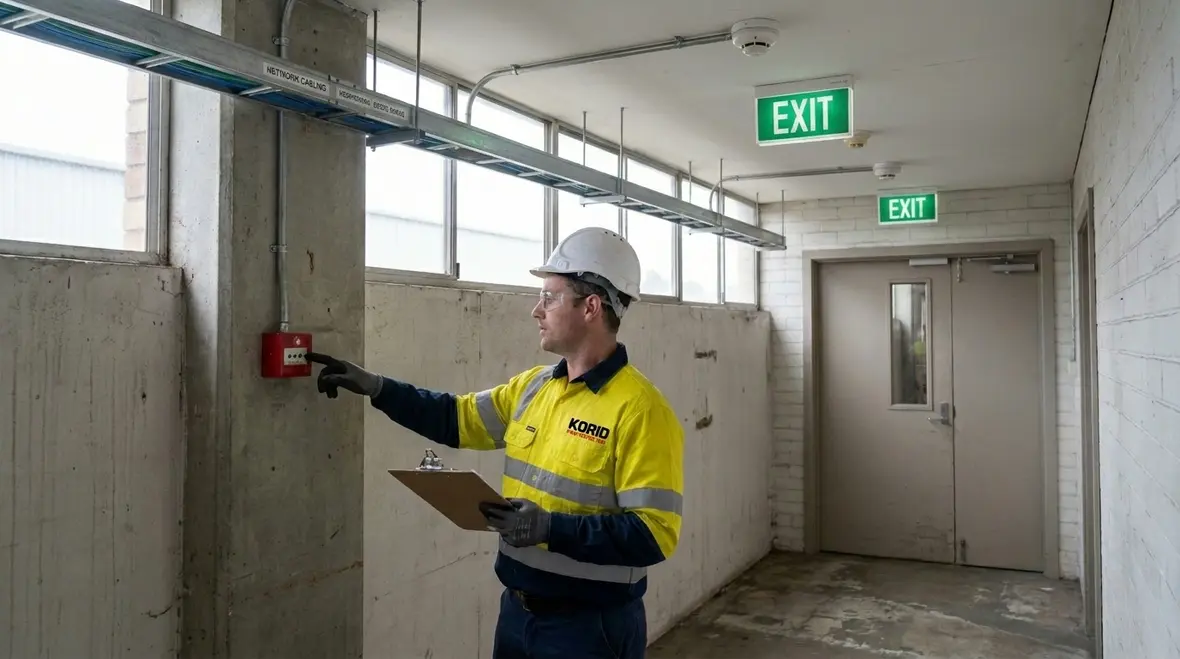
Dual column: modern infrastructure, clear responsibilities
To keep integration effective, organizations need both technology and ownership. The table below frames how smart systems should line up with responsibilities in commercial environments.
| Integration layer | What it should deliver on site |
|---|---|
| Detection and signalling | Reliable alarms, health status, and event logging that stays readable during emergencies |
| Control and coordination | Measured, sequenced outputs for shutdown, compartment control, and life safety functions |
| Building systems links | Clear communication with ventilation, access control, and emergency messaging, when approved |
| Monitoring and reporting | Timely alerts, service tickets, and audit ready documentation for inspections |
| Service and improvement | Commissioning, scheduled testing, and updates based on actual performance trends |
Technology side
The infrastructure side must deliver stable signals, sensible interface logic, dependable reporting, and hardware that remains serviceable after installation. Smart systems are not impressive because they are connected. They are impressive when they stay readable, testable, and useful under pressure.
Ownership side
Someone still needs to own procedures, escalation paths, naming conventions, records, and follow up. When these layers connect cleanly, teams can manage risk with calm confidence. And when they do not, well, the system becomes like a group chat with zero admins. Everyone “sees” something, but nothing moves.
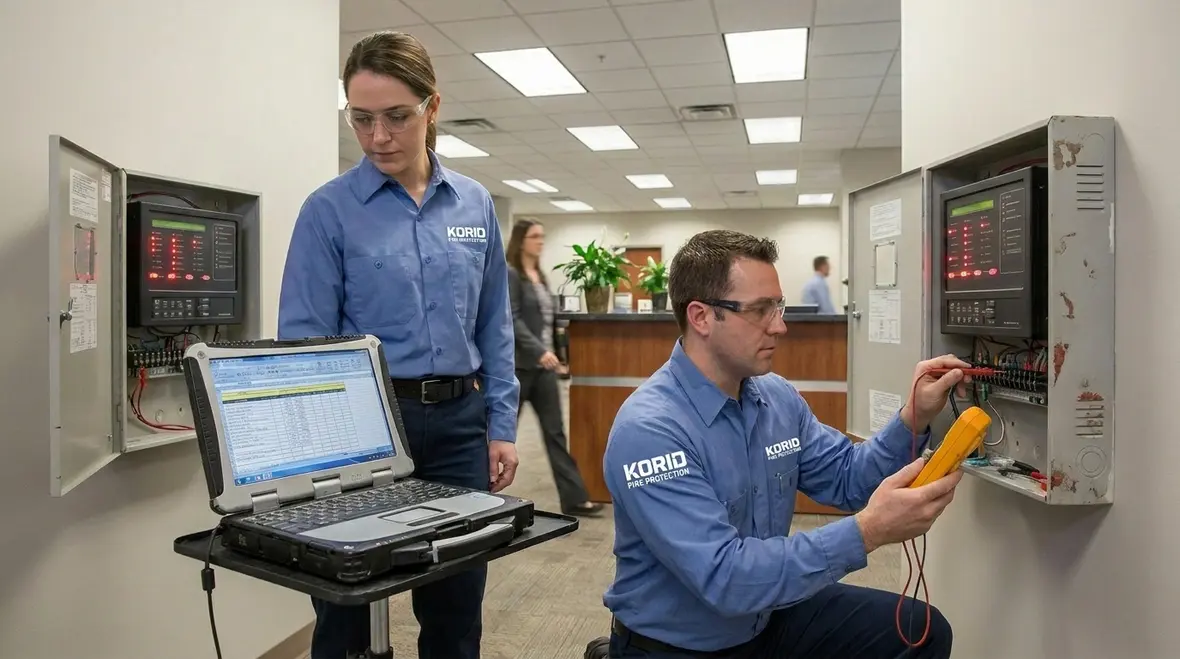
Common risks in smart integration and how to reduce them
Smart integration can fail when organizations skip fundamentals. First, networks can become a weak link if they are not maintained and segmented properly. Second, data quality can collapse if devices send inconsistent signals or if event codes lack clear meaning. Third, upgrades can create “works on the bench” problems if software and interfaces get changed without proper commissioning.
There is also a human risk, and it is usually louder than the alarms. If staff lack training on how integrated events should look and be handled, the system will not deliver value. Therefore, facilities teams should demand clear procedures, role based response plans, and evidence that testing matches real risk.
How to keep integrations from drifting out of alignment
Drift usually happens slowly. A renovation changes room layouts. A panel gets upgraded. A vendor swaps a device line. Access rules change. None of that sounds dramatic in isolation, but together they can break assumptions that the original commissioning relied on. That is why integrated fire protection needs lifecycle thinking, not just project thinking. Documentation has to stay current, interfaces have to be verified, and testing has to reflect the building people actually use rather than the building that lived in last year’s drawings.
Kord Fire Protection can reduce these risks by taking a whole lifecycle view. That means proper design and documentation before installation, commissioning that proves the system behaves as intended, and service that verifies ongoing performance. In practice, it is the difference between a fire system that “has features” and one that performs when it counts. That same mindset appears in Kord Fire’s discussion of the full lifecycle of fire protection servicing, which fits naturally with smart integration planning.
Future ready compliance, reporting, and audit readiness
Across Australia, commercial sites must satisfy safety expectations and inspection requirements. Smart integration supports this work by creating more complete event records and service documentation. Instead of assembling paperwork after the fact, teams can pull reliable reports aligned to maintenance schedules and test outcomes.
However, compliance does not come from collecting data alone. It comes from using that data correctly. Facilities teams need consistent naming, structured logs, and commissioning evidence that matches site layouts and operational assumptions. Also, any link between fire systems and other building functions must follow approved practices and careful interface design.
Better records, less scramble
This is where smart integration becomes quietly powerful. Instead of forcing teams into a frantic paper chase every time an inspection approaches, a well designed system can make records more consistent and easier to retrieve. The goal is not a bigger pile of data. The goal is evidence that people can actually trust, understand, and use without needing three spreadsheets, four emails, and a small miracle.
This is where Kord Fire Protection becomes a vital partner. The goal is not to overwhelm clients with dashboards. The goal is to produce clear, audit ready evidence and to help teams understand what matters. When reporting is trustworthy and repeatable, inspections become less of a scramble and more of a routine check.
How Kord Fire Protection supports Smart Fire Safety Integration
Kord Fire Protection can support Smart Fire Safety Integration by treating it like a delivered capability, not a one time install. First, the partner assesses site risk and operational needs across industrial, retail, and mixed use commercial environments. Next, it designs an integration approach that protects reliability while keeping systems serviceable. Then it installs, commissions, and documents with a focus on repeatable testing.
After that, Kord Fire Protection can help clients keep the system healthy with ongoing service. That includes scheduled checks, performance reviews, and practical updates when devices or building systems change. In fast moving facilities where renovations and equipment swaps happen often, this ongoing support prevents integration from drifting out of alignment.
And if a client worries that smart systems will become complicated, Kord Fire Protection can help keep it simple. The point is clarity during emergencies and confidence during everyday operations. The fire system should not feel like you are decoding a spy thriller. It should feel like a well run control room. When alarm service is a core part of the site strategy, teams may also want to review fire alarm service systems as part of building out a more reliable and supportable program.
FAQ
Conclusion
Smart integration is not a future fantasy, it is arriving now in commercial facilities across Australia. The winners will pair connected technology with disciplined commissioning, clear documentation, and ongoing service. Kord Fire Protection can be that vital partner, helping teams move from isolated fire devices to a coordinated, evidence ready infrastructure.
If your site wants a safer, smoother path forward, reach out to Kord Fire Protection and build the next chapter of fire protection the right way. Done well, smart integration does not add chaos. It removes uncertainty, sharpens response, and gives facilities teams something they rarely get enough of: confidence that the system will make sense when it matters most.

Join Our Newsletter!
Get the latest fire safety tips delivered straight to your inbox From our Newsletter.