Smart Fire Protection Technology Trends in Australia
Quick Answer: Emerging smart technologies are changing modern fire protection systems by connecting detectors, alarms, and suppression equipment to real-time data. This improves detection speed, reduces false alarms, and streamlines inspections. Kord Fire Protection can act as a vital partner by designing, installing, and maintaining systems that stay reliable across Australia’s industrial and commercial environments.
Fire safety technology trends are no longer stuck in “install and forget.” Instead, modern fire protection systems now blend smarter sensing, connected reporting, and faster response workflows. Over the last few years, facilities across Australia have leaned into wireless detection, AI-assisted analytics, smarter suppression control, and cloud based asset visibility. And yes, this means fewer mystery alarms that ruin lunch. However, the real value shows up in how quickly people can act, how accurately systems can diagnose issues, and how confidently businesses meet compliance.
In this article, third person planning meets practical outcomes. It covers the key smart technologies shaping today’s fire protection, and explains how Kord Fire Protection can help organizations use them well, not just buy them. For facilities that want a broader view of integrated life safety support, Kord also offers full fire protection services that connect alarms, suppression, inspections, and ongoing readiness into one practical program. For teams focused specifically on connected notification and dependable monitoring, Kord’s fire alarm service systems page is also worth a close look.
Connected detection and real time situational awareness
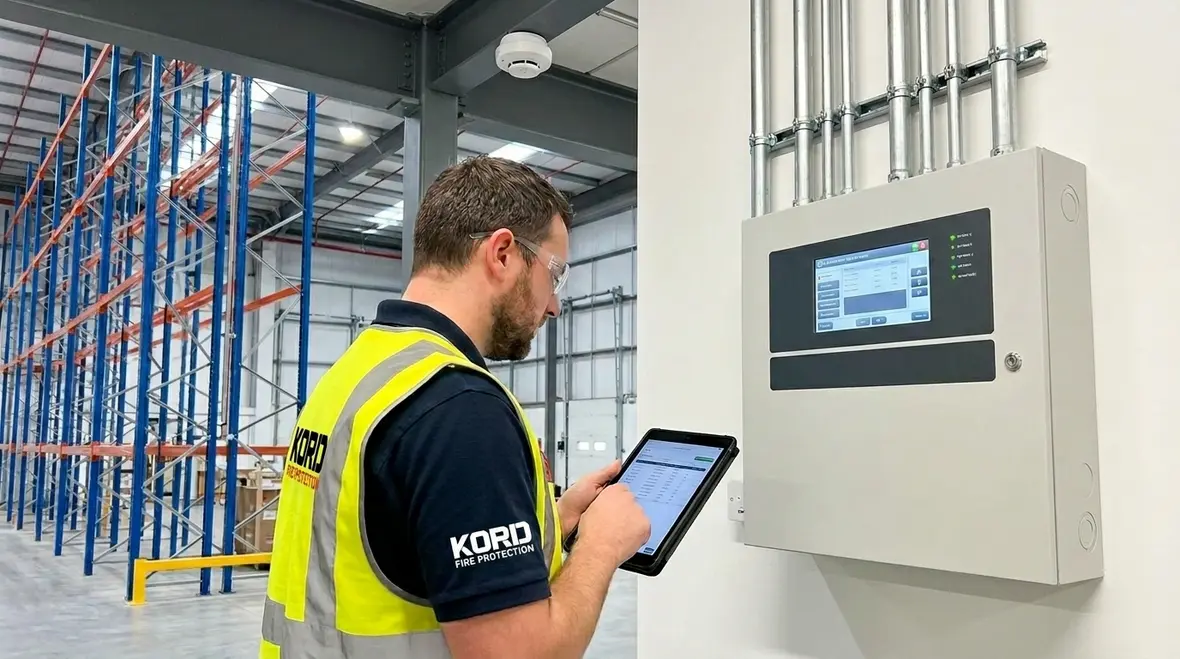
Modern systems increasingly use connected detectors and networked panels so fire and fault data reaches the right people fast. Instead of a panel simply sounding an alarm, the system pushes precise status details to dashboards, mobile responders, and maintenance teams. As a result, responders get location and type of event sooner, which improves decision making on site.
Connected detection also helps with the boring but important job of keeping systems healthy. For example, it can track drift in detector sensitivity, monitor power and line integrity, and flag component issues before they grow into failures. Therefore, teams can plan service around trends rather than reacting to emergencies.
For industrial and retail facilities, this matters because fire risk and operational demands never really pause. Logistics sites, warehouses, and retail networks rely on high uptime. Connected systems help reduce downtime by shortening troubleshooting time and improving service accuracy. That is also why related discussions around smart fire monitoring and data-driven safety systems keep showing up in modern facility planning. Better visibility leads to faster action, and faster action usually beats standing around trying to interpret a blinking panel like it is speaking in riddles.
Why connected visibility changes day to day operations
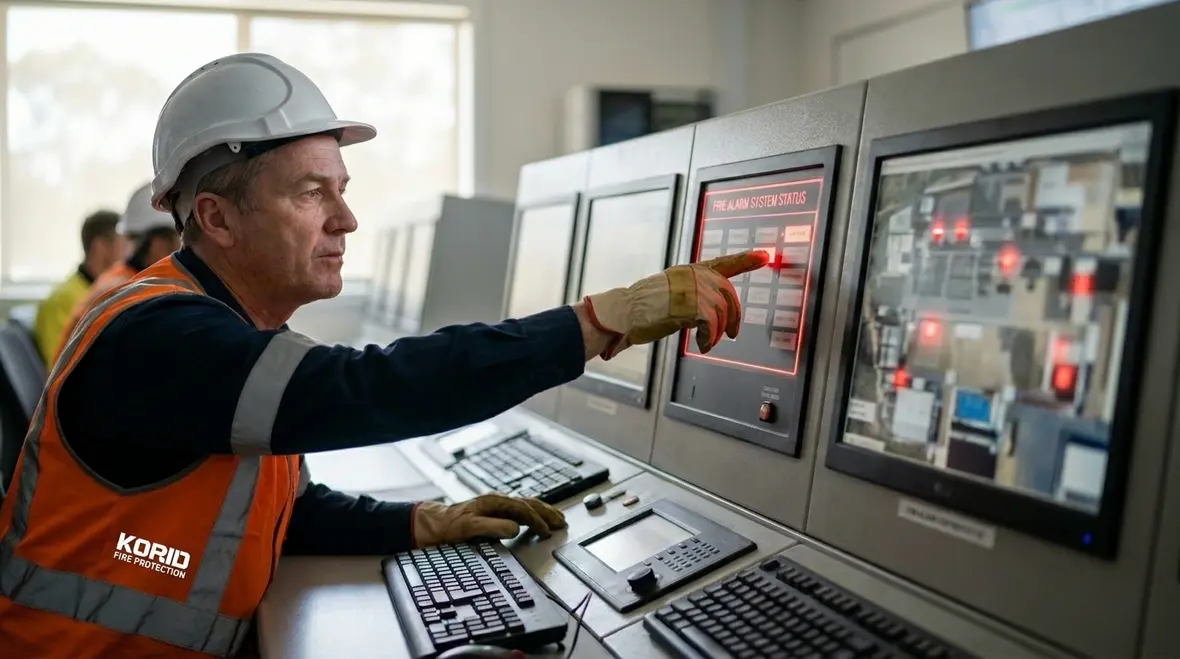
A connected system does more than announce trouble. It gives teams context. When a site manager knows the exact zone, device type, and fault condition, response becomes more deliberate and less chaotic. Maintenance teams arrive better prepared, internal communication improves, and the business spends less time losing momentum over vague alerts. In practical terms, that means less guesswork, fewer delays, and more confidence that life safety systems are doing what they are supposed to do.
How AI assisted analytics cuts false alarms without cutting corners
AI assisted analytics looks for patterns that humans may miss, especially when conditions change. Smoke, steam, dust, and cooking fumes can trigger unwanted alarms in some areas. However, AI tools can learn environmental behavior and flag likely genuine fire events while reducing nuisance calls.
To be clear, smart analytics should not replace professional design and commissioning. Instead, it supports decision making by providing better context and risk scoring. When implemented correctly, it helps maintenance teams focus on the events that truly need attention.
In practice, this also improves communication between stakeholders. Facilities managers get clearer explanations. Safety officers spend less time responding to alarms that turn out to be “the building being dramatic.” Meanwhile, inspectors can review data trails that show consistent system behavior over time. Kord has also explored related ideas in how smart fire protection systems reduce risk, which fits naturally with this shift toward sharper, more actionable analysis.
Smarter analysis still depends on smarter setup
Even the best analytics will struggle if the system was poorly placed, badly tuned, or ignored after handoff. Detector choice, spacing, commissioning quality, and service discipline still do the heavy lifting. AI can help sort patterns faster, but it cannot rescue a sloppy rollout. In other words, smart tools are helpful, but they still need human professionals who know what they are doing and do not treat commissioning like an optional side quest.
What wireless fire protection devices bring to multi site businesses
Wireless devices expand coverage without the cost and disruption of new wiring. That benefit lands hard for commercial and facilities teams across large footprints, multiple stores, and mixed use sites. For example, wireless detection can add protection in areas where cabling would disrupt operations or raise install timelines.
Yet wireless reliability must stay top priority. A modern fire solution should include strong network planning, quality power strategies, and clear maintenance schedules. Therefore, wireless becomes an advantage only when the system design accounts for building materials, interference sources, and battery lifecycle.
Kord Fire Protection can help businesses treat wireless as a controlled engineering upgrade rather than a guess. They can integrate wireless with existing components, validate coverage, and set service routines that protect performance over time. For organizations comparing broader connected approaches, Kord’s article on fire protection system connectivity with smart building integration adds useful context.
Smart suppression control that responds like a system, not a switch
Fire protection technology now extends beyond detection and notification into suppression control. Modern systems can monitor hazards, confirm operational status, and coordinate release sequences with clearer safeguards. Instead of relying on a single trigger, smart suppression control can use logic tied to verified detection inputs.
This reduces the chance of unnecessary discharge and helps protect critical assets like data equipment, production lines, and sensitive inventory. Furthermore, it supports safer maintenance workflows by logging events, showing actuator status, and guiding troubleshooting.
In industrial settings, suppression systems often sit close to harsh conditions: heat, vibration, dust, and chemical exposure. Smart monitoring adds the layer of visibility that keeps teams from “hoping it still works.” It shows what the system sees, and helps maintain readiness. That practical mindset also pairs well with service structures built around coordinated fire protection support, where suppression, alarms, and inspections are managed as one operating picture instead of separate headaches.

Where suppression intelligence pays off most
The biggest gains usually appear where downtime costs real money or where equipment is too valuable to leave to chance. Data rooms, processing lines, storage environments, utilities, and specialized manufacturing areas all benefit from clearer release logic and better status feedback. When the system can verify conditions and document decisions, businesses avoid unnecessary discharge events and gain a stronger trail of evidence for maintenance and review.
Digital inspections, reporting, and compliance evidence teams can trust
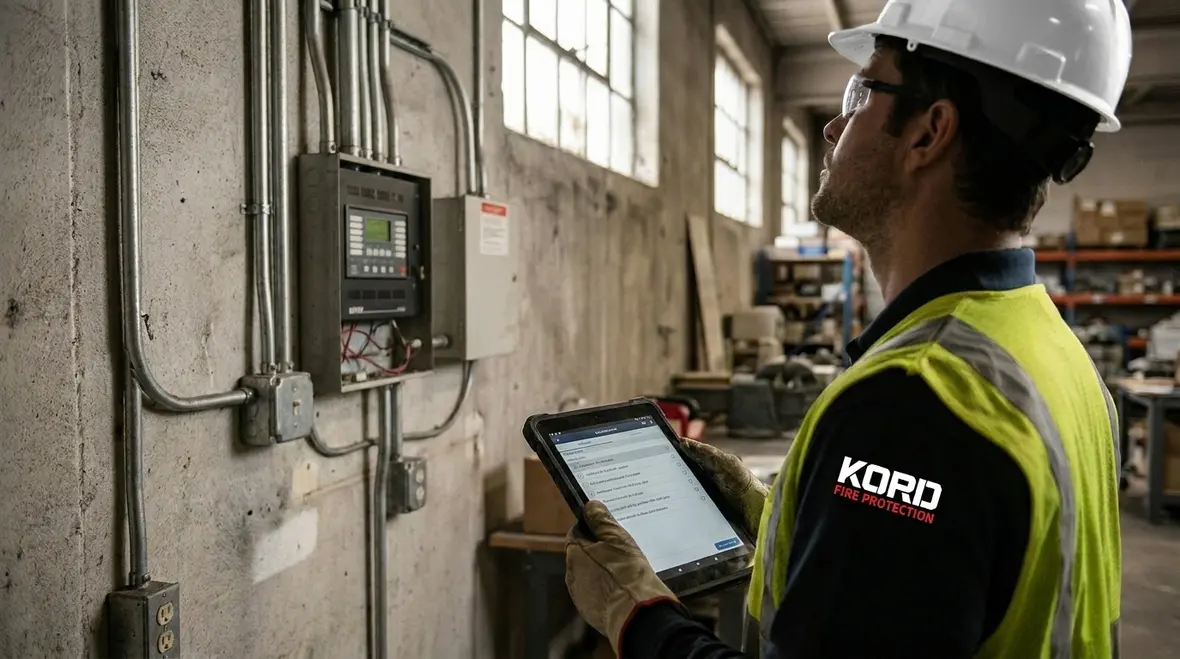
Compliance does not have to feel like a paperwork mountain. Smart fire protection solutions now support digital inspection workflows that improve documentation quality and speed. Technicians can capture test results, upload evidence, and associate it with asset history. As a result, stakeholders receive consistent reports without chasing data across emails and spreadsheets.
Moreover, digital reporting helps identify recurring issues. For example, if a certain zone shows repeated faults, the evidence can point to the likely cause, such as environmental impact, installation wear, or recurring maintenance needs.
When inspections are structured around real system data, teams can plan service with more confidence. Therefore, the organization reduces operational disruption while also strengthening audit readiness.
Kord Fire Protection can become a vital partner here by aligning system design, maintenance plans, and evidence capture into one clear workflow. That means fewer gaps between installed reality and compliance records. And in Australia’s diverse commercial landscape, that consistency matters. Teams wanting another example of connected oversight in practice can also explore smart fire extinguisher monitoring for compliance Australia, which shows how digital visibility makes routine compliance a lot less painful.
Cyber safe monitoring and why security matters for life safety
As fire systems connect to networks and cloud platforms, cyber safety becomes a key part of modern fire protection planning. A life safety system must remain dependable even when other business systems change. Therefore, smart fire safety technology trends should always include security design: access control, network segmentation, secure communication, and careful change management.
Organizations should also set clear rules for user permissions. Only trained staff should manage configuration changes. In addition, the system should support monitoring and logging so teams can track events and verify integrity.
Here is the practical truth: a secure system protects operations and protects people. It also protects budgets by preventing expensive downtime caused by misconfiguration or unplanned network updates. Connected fire technology is supposed to create clarity, not become the reason someone has to schedule three emergency meetings and a headache.
How Kord Fire Protection partners with emerging smart systems
Many businesses adopt smart fire protection tech and then struggle at the handoff stage: design, install, tuning, training, and ongoing service. The technology works, but the organization does not fully benefit. That is where a strong service partner becomes vital.
Kord Fire Protection supports facilities across Australia with a practical approach to smart systems. They focus on proper commissioning, ensuring detection behavior matches the real risk profile of each site. Then they build maintenance routines around data and sensor health, not guesswork. As a result, industrial, retail, and commercial teams get systems that perform, and reports that stand up when questions come.
Additionally, they can help align training for on site teams. That means staff understand how to interpret alerts, when to escalate, and how to keep operations safe while avoiding chaos. Because nothing kills productivity like a fire alarm event that no one knows how to manage. For organizations mapping a wider readiness strategy, Kord’s post on Australia fire protection for compliance and readiness is another useful resource.
FAQ
Final word and call to action
Smart fire safety technology trends can protect people, reduce downtime, and strengthen compliance evidence. However, benefits only appear when systems get the right design, commissioning, training, and ongoing service. Kord Fire Protection can help organizations across Australia adopt modern fire protection in a practical way that stays reliable over time.
If a facility wants connected detection, smarter analytics, and clearer reporting, it should book an assessment with Kord Fire Protection today. The goal is not just to buy technology. The goal is to make sure the technology actually helps people respond faster, work smarter, and stay compliant without turning every alarm event into a full blown production.

Join Our Newsletter!
Get the latest fire safety tips delivered straight to your inbox From our Newsletter.