
Restaurant Fire Safety Regulations Compliance Guide
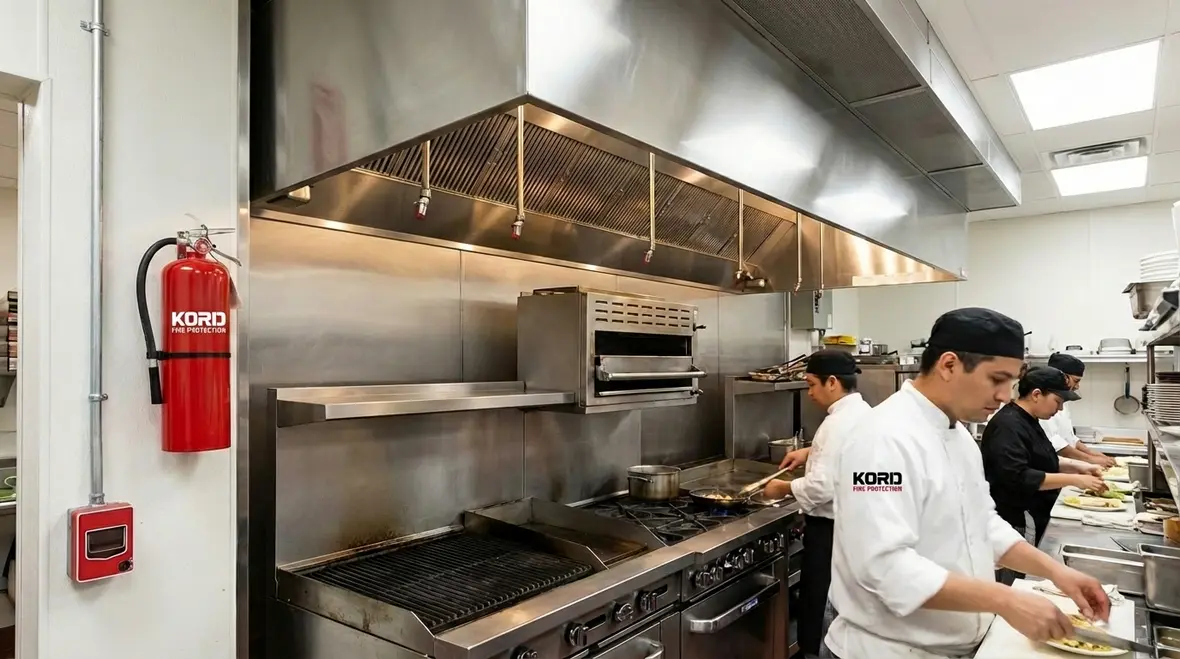
There is something beautiful about a busy kitchen. The rhythm of knives on cutting boards. The low hum of conversation in the dining room. The sizzle of a steak meeting a hot pan. Yet behind that harmony sits a serious responsibility. Restaurant fire safety is not just a checklist for inspectors. It is the quiet guardian of every plate served and every guest seated.
From grease laden hoods to open flames and overloaded circuits, restaurants face higher fire risks than most businesses. Therefore, understanding the regulations that govern commercial kitchen fire protection is essential. Kord Fire Protection technicians often explain that the goal is not to burden owners with rules. Instead, it is to create systems that prevent small sparks from becoming front page news. And frankly, nobody wants their signature dish to be called “Flambéed Building.”
Understanding Restaurant Fire Safety Regulations
Restaurant fire codes come from a mix of national standards, local building laws, and fire department requirements. Although that sounds complex, the core ideas stay consistent. Prevent fires. Detect them early. Suppress them fast. Protect people first.
Most jurisdictions follow standards such as NFPA guidelines for commercial cooking equipment. These rules outline how kitchens must install hoods, ducts, fire suppression systems, extinguishers, and alarms. In addition, local authorities may add their own requirements based on building size, occupancy, and layout. For a deeper dive into how NFPA 96 shapes commercial kitchen protections, Kord Fire’s guide to essential fire prevention strategies for commercial kitchens breaks down the biggest risk factors and controls.
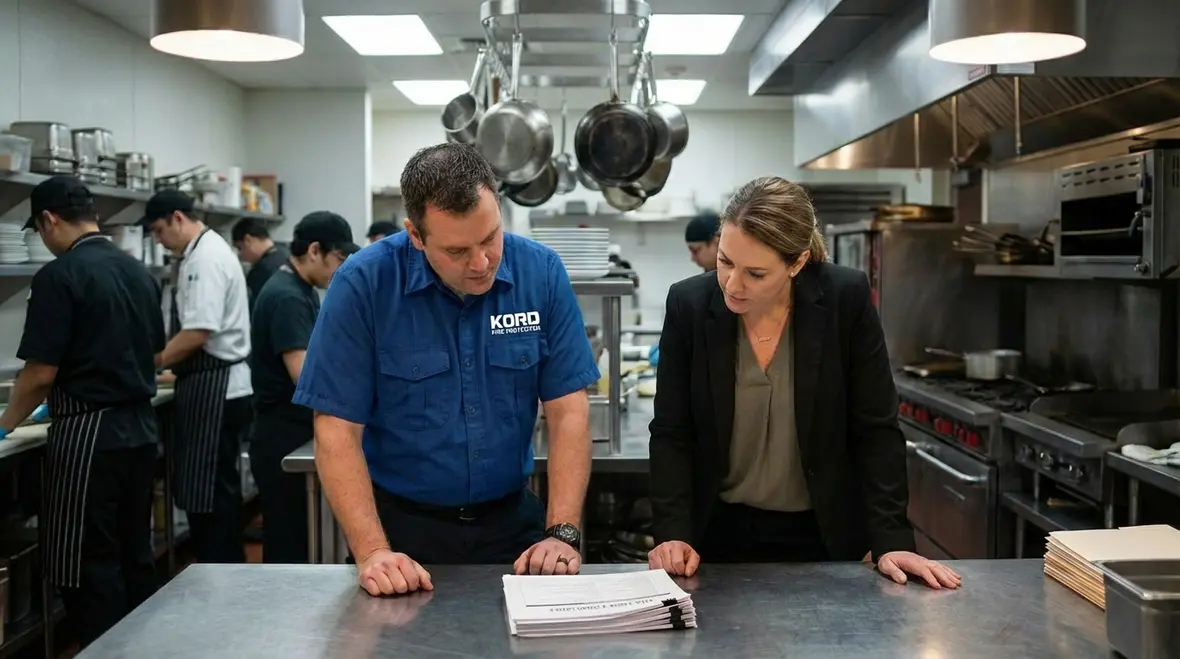
Kord Fire Protection technicians often walk owners through this maze in plain language. They explain which systems are required, how often inspections must happen, and what documentation must stay on site. Because when an inspector asks for maintenance records, “I think we did that last year” will not earn a gold star.
Moreover, regulations are not static. Fire codes update regularly. Therefore, restaurant operators must stay informed or partner with professionals who do. Compliance is not a one time event. It is an ongoing commitment.
What Fire Systems Are Required in a Commercial Kitchen?
Most restaurant owners ask a simple question. What exactly has to be installed to meet code? The answer depends on the kitchen setup. However, several components are almost always required.
Type 1 Kitchen Hood Systems
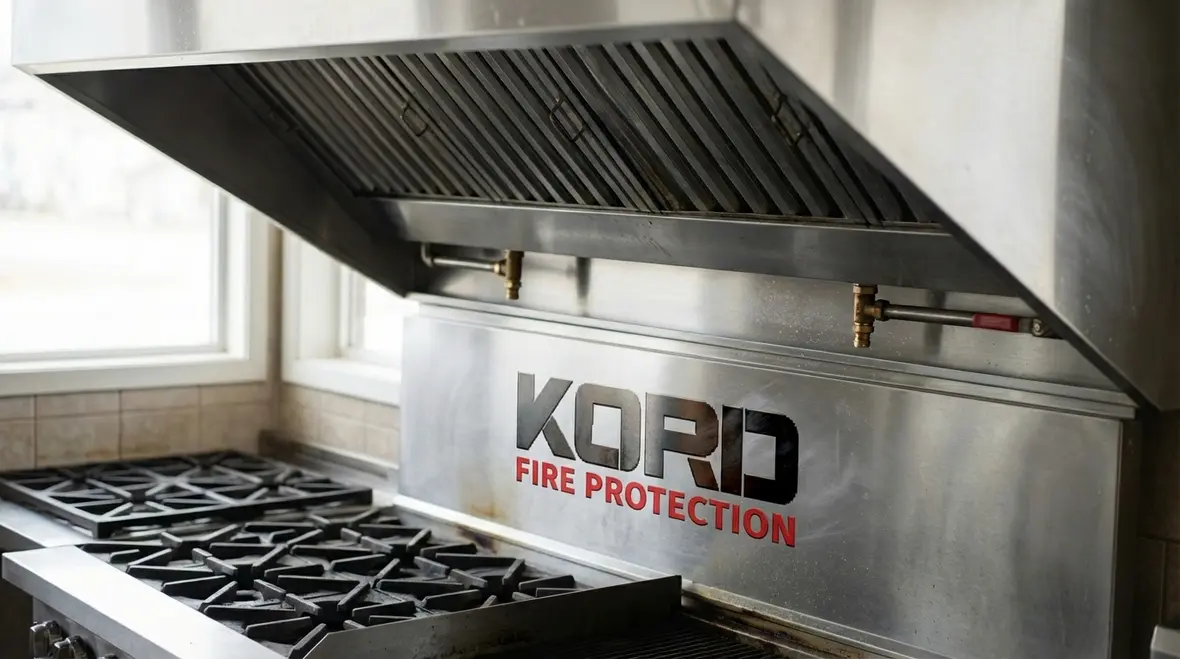
Type 1 Kitchen Hood Systems sit above cooking equipment that produces grease laden vapors. They capture heat, smoke, and grease before it spreads. Additionally, they connect to duct systems that vent safely outside.
Automatic Fire Suppression Systems
Automatic Fire Suppression Systems are installed inside the hood. These systems detect high heat and release a chemical agent that suppresses flames. They also shut off fuel or electricity to cooking appliances. That quick response often stops a fire before it grows. To see how modern UL 300 systems are designed for today’s cooking oils and equipment, explore Kord Fire’s overview of UL 300 kitchen hood fire suppression.
Portable Fire Extinguishers
Portable Fire Extinguishers — specifically Class K extinguishers — are required for grease fires. They must be accessible, clearly marked, and inspected regularly. Because when a fryer flares up, no one wants to run a marathon to find the extinguisher.
Fire Alarm and Detection Systems
Fire Alarm and Detection Systems may be required depending on occupancy size. These systems alert occupants and notify emergency services quickly, and often tie into broader building fire alarm and monitoring services.
Kord Fire Protection technicians emphasize that each component works as part of a larger safety net. Remove one layer, and the entire system becomes weaker. Together, they form a coordinated defense against kitchen fires.
Inspection and Maintenance Requirements
Installing equipment is only half the story. Regulations also require ongoing inspections and maintenance. After all, a neglected suppression system is about as useful as a smoke detector without batteries.
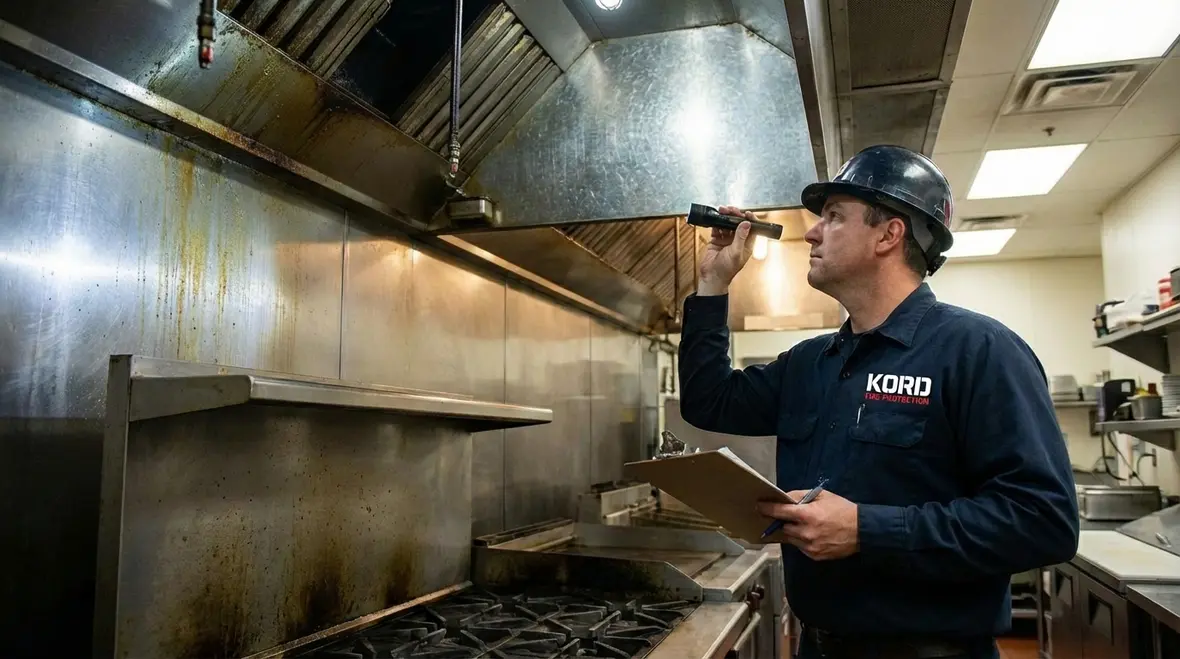
Most fire suppression systems require professional inspection every six months. During these visits, technicians check nozzles, tanks, detection lines, and manual pull stations. They also verify that fuel shut off devices function properly.
In addition, kitchen hood cleaning must occur at intervals based on cooking volume. High volume kitchens may need monthly service. Lower volume operations may qualify for quarterly or semiannual cleaning. This process removes grease buildup inside ducts, which is a major fire hazard.
Portable extinguishers require monthly visual checks by staff and annual service by certified professionals. Meanwhile, alarm systems often require annual testing.
Kord Fire Protection technicians explain that documentation is just as important as the work itself. Inspection tags, service reports, and compliance certificates must remain accessible. If a fire marshal visits, clear records demonstrate accountability and professionalism.
Common Violations and How to Avoid Them
Even well run restaurants can slip into non compliance. However, most violations are preventable with awareness and routine oversight.
Blocked Equipment and Exits
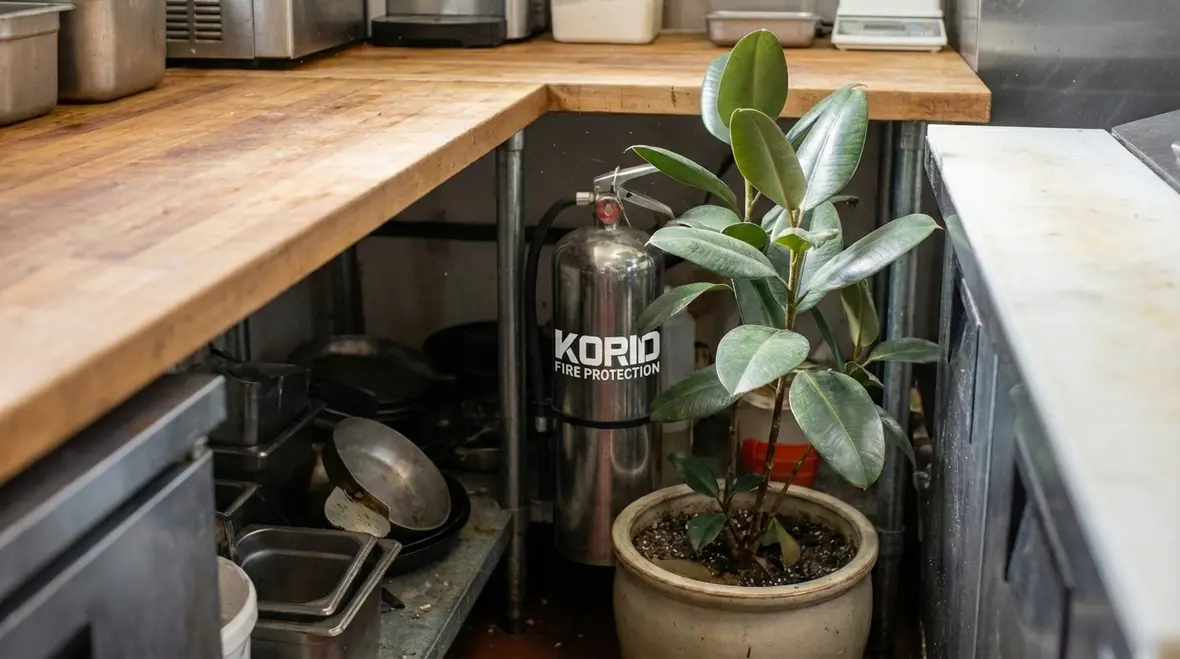
One common issue is blocked access to fire extinguishers or pull stations. Storage boxes, chairs, or even decorative plants sometimes find their way in front of critical equipment. While that fern may look charming, it should not guard lifesaving tools.
Grease Buildup in Hoods and Ducts
Another frequent violation involves grease buildup in ducts and hoods. Over time, busy kitchens push cleaning schedules aside. Yet grease acts like fuel waiting for a spark. Therefore, sticking to a cleaning schedule is essential.
Insufficient Staff Training
Improperly trained staff also create risk. Employees must know how to activate suppression systems, use extinguishers, and evacuate guests calmly. Training should happen during onboarding and refresh regularly.
Kord Fire Protection technicians often conduct walkthroughs to identify these risks early. By correcting small issues, restaurants avoid costly fines and reduce the chance of catastrophic damage.
Restaurant Fire Safety Compliance Checklist
For operators who appreciate a clear roadmap, the following overview highlights core compliance areas. Although each jurisdiction may vary, these categories apply broadly.
This structured approach helps management track responsibilities. Furthermore, it encourages a culture where safety becomes routine rather than reactive.
Training and Emergency Planning in Restaurant Fire Safety
Equipment alone cannot guarantee protection. People must know what to do when seconds matter. Therefore, emergency planning forms a critical part of restaurant fire safety programs.
Written Emergency Action Plan
First, every restaurant should maintain a written emergency action plan. This document outlines evacuation routes, assembly points, and roles for managers and staff. Clear signage must mark exits, and pathways must remain unobstructed.
Hands-On Staff Training
Next, staff training should include hands on demonstrations. Employees learn how to identify fire types, operate extinguishers, and activate manual pull stations. Moreover, they should understand when to fight a small fire and when to step back and evacuate.
Kord Fire Protection technicians often remind teams that safety training builds confidence. When employees know the plan, panic decreases. Guests notice that calm leadership. And in a crisis, calm is contagious.
Regular Drills and Practice
Finally, regular drills reinforce readiness. Although some may roll their eyes at practice scenarios, repetition builds muscle memory. In a real emergency, that preparation can save lives.
The Cost of Non Compliance
Ignoring fire regulations carries serious consequences. Fines and citations can strain budgets. However, financial penalties are only part of the picture.
Insurance claims may be denied if investigators find neglected maintenance or expired inspections. Additionally, temporary closures after violations disrupt revenue and damage reputation. In today’s digital world, news travels fast. One viral post about unsafe conditions can undo years of brand building.
Most importantly, lives are at stake. Kitchen fires can spread rapidly through grease filled ducts and open dining spaces. Therefore, proactive compliance is not about avoiding paperwork. It is about protecting employees, guests, and investments.
Kord Fire Protection technicians stress that prevention costs far less than recovery. A scheduled inspection feels minor compared to rebuilding after a major fire. And while insurance may cover property, it cannot restore trust overnight.
Frequently Asked Questions
Protect What Matters Most
Restaurant owners pour heart and soul into their craft. However, passion must stand beside preparation. Strong fire protection measures shield more than equipment. They protect people, reputations, and dreams. Kord Fire Protection technicians stand ready to guide restaurants through every regulation and requirement.
If your kitchen relies on hot oil, high heat, and long hours, consider a dedicated assessment of your suppression and exhaust systems. From UL 300 hood systems to ongoing inspections, Kord Fire helps you stay ready long before the inspector walks in.
Schedule a professional assessment today, strengthen compliance, and keep the only flames in the building exactly where they belong: on the stove, under control, and nowhere else. To get started, explore Kord Fire’s full fire protection services or request a quote for commercial kitchen fire suppression solutions tailored to your restaurant.
Know Your Weapon Before You Fight the Flame
Kord Fire Protection is your go-to when it comes to all things fire protection. For over 20 years, we’ve been serving Southern California with the quality service and equipment to keep your home or business safe at all times. Our competitive prices reflect our unwavering commitment to protecting what matters most in the event of a fire emergency. Give us a call, send an email, or use that form!

Join Our Newsletter!
Get the latest fire safety tips delivered straight to your inbox From our Newsletter.


