Regulation 4 Gas Detection Testing Guide
What Regulation 4 Requires for Gas Detection Testing: A Straight-Talking Guide with Insights from Kord Fire Protection Technicians
Gas Detection Testing requirements may not sound like blockbuster material—there’s no car chases, no explosions (hopefully), and it won’t earn you street cred at parties. Still, this low-key hero is at the heart of workplace safety. Regulation 4 under the Fire Precautions Regulation 2017 might not roll off the tongue like your favorite Netflix title, but it spells out expectations that keep lives, properties, and insurance premiums in the safe zone. Kord Fire Protection’s technicians are boots-on-the-ground experts who understand these guidelines like Gandalf understands Middle-earth: thoroughly, wisely, and with just the right hint of “don’t mess this up.”
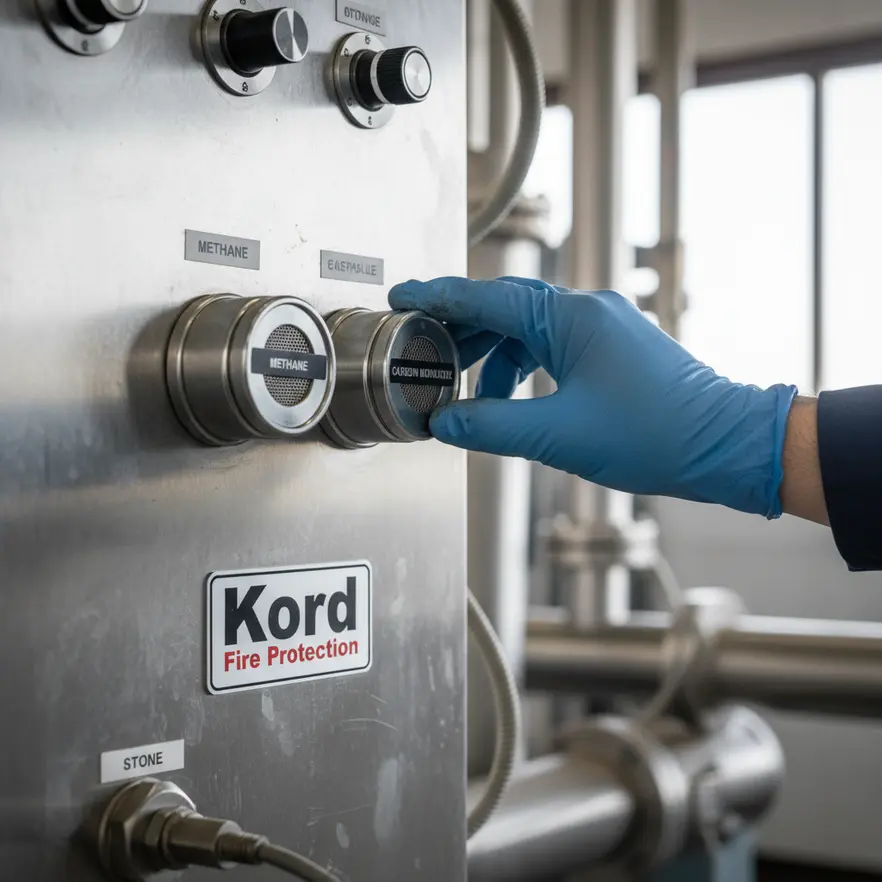
At its core, Regulation 4 tells us that gas detection systems must be tested regularly, inspected by competent professionals, and maintained per manufacturer and legal criteria. This includes everything from sensor response time and alarm functionality to checking for physical damage or tampering. If you’ve ever ignored your car’s check engine light for six months, fair warning: this is not the arena for that level of chill.
Let’s break down what Regulation 4 really entails, why it matters, and how Kord Fire Protection’s technicians make it almost enjoyable—yes, really.

Understanding Regulation 4 Without Falling Asleep
Now, let’s take the legalese and make it sound human. Regulation 4 is part of a broader effort to prevent fires, explosions, and gas-related hazards in premises that use flammable substances. This includes commercial kitchens, labs, factories—basically any place where gases don’t just escape when someone eats too many beans.
It requires the following Gas Detection Testing requirements:
- Scheduled testing of gas detection systems by qualified professionals
- Documented inspections and system performance reports
- Calibration of detectors to confirm accuracy
- Confirmation that visual and audible alarms are operational
- Regular replacement of parts, per manufacturer timelines
To cut the jargon with a Jedi lightsaber: Gas detection isn’t just about ticking boxes. It’s about proactive safety. Ignoring it because “nothing’s ever gone wrong here” is like skipping dentist visits because your teeth haven’t fallen out—yet.
Different Gases, Different Rules
Carbon monoxide. Methane. Propane. Sounds like a lineup for a villain squad in a Marvel movie. In the world of gas, each one has its own behavior, its own dangers, and—yes—its own sensor technology.
Regulation 4 doesn’t play favorites. Whether you’re dealing with flammable, toxic, or asphyxiating gases, it demands vigilant and tailored controls. That means:
- Toxic gases like chlorine require ultra-sensitive threshold detection
- Combustible gases like methane demand fast-response detectors in risk zones
- Oxygen depletion scenarios (like nitrogen leaks) need constant atmospheric monitoring
Kord Fire Protection technicians take all these variables into account. They calibrate and position detectors based on the gas present, room layout, and ventilation. This isn’t “one sensor fits all.” It’s more like fitting Tony Stark’s suit to the right Avenger.

Why Record-Keeping Isn’t Just Bureaucratic Fluff
You know those dusty folders labeled “safety audits” that no one opens until there’s a problem? Regulation 4 insists those should be legendary binders of truth. Gas Detection Testing isn’t done unless it’s documented, dated, and marked by a qualified expert.
This paperwork isn’t just for looks. If an inspector walks in and asks for evidence that your gas detection system was serviced last quarter, you’d better produce more than a shrug and a vague memory of a guy with a toolbox.
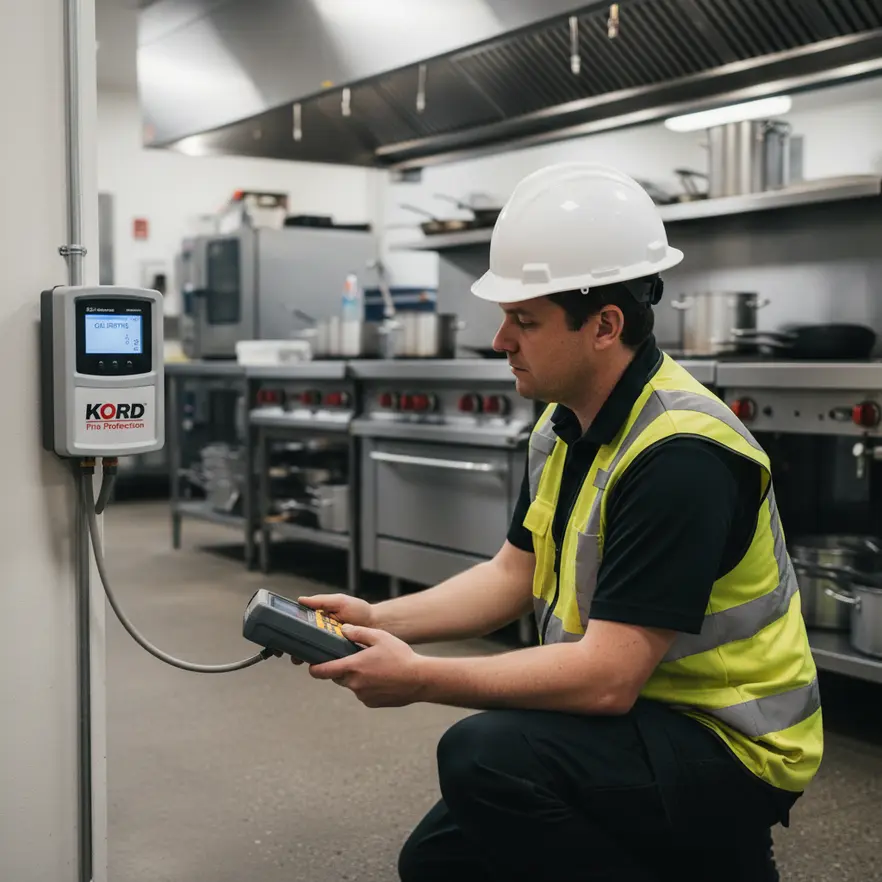
Kord Fire Protection technicians log every test detail—from sensor accuracy to alarm trials—to ensure compliance and help paint a clear picture of system readiness. It’s like a car MOT, minus the oil stains and awkward mechanic banter.
Common Mistakes That Can Blow Up Your Compliance
Let’s be real. Most non-compliance issues don’t come from malice—they come from forgetfulness or misplaced assumptions. Here are ways businesses fumble the gas safety ball:
- Assuming the fire alarm company also checks gas detectors (they usually don’t)
- Swapping out old detectors without calibrating the new ones
- Skipping annual tests because everything “seems fine”
- Assigning gas safety responsibilities to someone with no training
That’s why Kord’s team explains everything on-site, minus the techy confusion. They clarify what systems are tested, what’s passing, what’s not, and what to prioritize before the inspector does his best “CSI episode” impression at your next audit.
Technology Marches On—Your Detectors Should Too
Remember when you had to blow into video game cartridges to get them to work? That tactic won’t fly with defective sensors. Gas detection tech is evolving fast. Modern systems can monitor multiple gases, send alerts to smartphones, and self-calibrate at regular intervals.
If your equipment predates Instagram, it probably needs an upgrade. Regulation 4 doesn’t specifically demand cutting-edge tech—but it does insist your detectors work properly, communicate effectively, and meet the right sensitivity thresholds. Older systems may not tick all those boxes, even if they still power on.
Enter Kord Fire Protection again, with their wizard-like ability to assess whether your setup is useful or just… there for moral support.
Testing Frequency: No, You Can’t Just “Do It Later”
Regular testing is the meat and potatoes of Regulation 4. The minimum requirement? Annually. But depending on your environment, usage, and gas types, quarterly—or even monthly—checks may be recommended. Relying on the bare minimum is like flossing once a year and wondering why your dentist weeps during your appointments.
Kord technicians map out sensible testing schedules based on your setup. They’re not charging for extra visits just for kicks—they’re preventing your safety score from plummeting faster than a spaceship in a video game cutscene.
Trust them: “testing later” is often the uneasy prequel to “cleaning up a mess.”
Basic Components That Get Tested (But Are Often Ignored)
It’s not just about waving a wand and hoping the alarm goes off. Here’s what usually gets tested (and often overlooked):
- Sensor accuracy and sensitivity
- Alarm volume and visibility
- Battery levels
- Communication with control panels
- Bypasses and overrides
- Physical sensor location
- Dust, muffling, or casing issues
- Calibration drift
- Old firmware or software updates
- False positive history (aka The Boy Who Cried Gas)
Even tiny failures can mean dangerous blind spots. Kord Fire Protection goes through these tests like a gourmet chef checks for seasoning—precise, thorough, and with a touch of obsession.
Training Makes the Difference Between “Oops” and “Aha”
The most advanced gas detection system in the world means little if no one onsite knows what it’s beeping about. Regulation 4 emphasizes that only trained, competent persons can test, interpret, and maintain gas detection systems.
Kord doesn’t just test the kit and walk away—they educate staff, explain alarm thresholds, and share practical responses. We’re talking real-world advice, not robotic voiceovers from dusty training DVDs. If someone says, “Oh, I thought that alarm on the ceiling was broken because it always beeps,” after a training session—it won’t be because they didn’t get the info.
Gas Detection Testing FAQs
- What is Regulation 4 in gas detection?
It mandates regular testing and maintenance of gas detection systems to ensure safety in any workplace using flammable or toxic gases. - How often should gas detection be tested?
At least annually, though some environments require quarterly or monthly checks. - Who can inspect gas detection systems?
Only trained and competent professionals, like the technicians at Kord Fire Protection. - Do gas detection systems expire?
Yes. Sensors degrade and tech becomes outdated. Testing identifies the need for replacement or upgrade. - Will testing disrupt my operations?
Not with proper scheduling. Most systems can be tested with minimal interruption to daily workflows.
Know Your Weapon Before You Fight the Flame
If your gas detection systems are collecting dust, confusing the staff, or sounding off at random like a toddler with a whistle, it’s time to get serious. Regulation 4 isn’t a suggestion, and neither is safety. Kord Fire Protection’s technicians offer clarity, compliance, and a surprising lack of boring lectures. Get in touch today for testing schedules, site assessments, or maybe just to hear someone explain gas alarms without making your eyes glaze over.
Remember: when it comes to gas, detection isn’t optional—it’s survival.

Join Our Newsletter!
Get the latest fire safety tips delivered straight to your inbox From our Newsletter.