Los Angeles Reg 4 Fire Door Testing by Kord Explained
By the time a smoke detector goes off in Los Angeles, it’s already late to start asking how well your fire assemblies are working. The Automatic Closing Fire Assemblies standards, as set by Los Angeles Regulation 4, are not here to win beauty pageants—they’re here to save lives, buildings, and the donuts in the breakroom. The city’s strict fire prevention code is built around ensuring these critical components can function seamlessly; and at the center of that accountability dance are certified technicians, like the team from Kord Fire Protection, who test, inspect, and explain the stuff most people would rather not think about until they smell smoke.
From those magical doors that shut themselves when there’s danger in the air, to the hidden systems tucked behind aesthetics in offices, hospitals, and shopping centers—the average Angeleno walks by safety equipment every single day, blissfully unaware. But fear not. We’re about to break down the bureaucratic jungle that is Los Angeles Regulation 4 on Automatic Closing Fire Assemblies with clarity, humor, and maybe a few sly pop culture nudges just to keep it spicy.
Understanding the Backbone: What Are Automatic Closing Fire Assemblies?
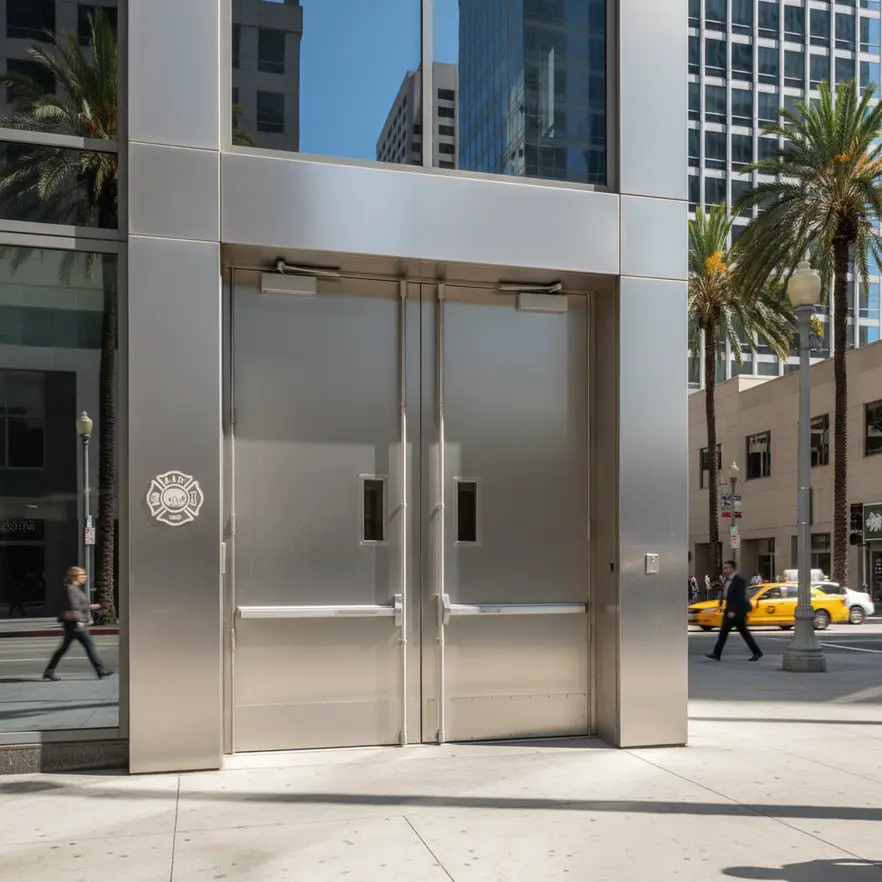
Let’s not get lost in fire-safety jargon right out of the gate. Simply put, Automatic Closing Fire Assemblies are fire-rated doors and shutters that spring into action (literally) when they detect fire or smoke. They’re smart, mechanical Supermans—quietly waiting for danger before leaping into action to block flames and smoke from spreading across zones.
These assemblies could be:
- Rolling steel fire doors in garages and retail spaces
- Horizontal sliding fire doors in hospitals or schools
- Swinging fire doors in office buildings and apartments
But they all share one goal: automatically closing during fire events to compartmentalize the space and slow the fire’s roll. Think of them like Gandalf declaring, “YOU SHALL NOT PASS!”—except for fire. Very dramatic. Very essential.

Why Los Angeles Regulation 4 Takes Fire Assemblies Personally
Los Angeles isn’t just about movie deals and beach sunsets. It’s a dense metropolis with high-rise complexes, congested traffic, and… earthquakes (because, why not?). Factor in over 4 million residents and a constant flirtation with wildfires, and you’ve got a city that doesn’t play when it comes to fire safety.
Regulation 4 is the city’s fire code enforcement rule that governs inspection, testing, and maintenance requirements for various fire protection systems—automatic closing fire assemblies chief among them. These aren’t optional guidelines. This regulation is… well, regulation. Non-compliance not only risks fines—it risks lives.
Reg 4 demands:
- Annual fire door and shutter testing
- Certified testing by technicians registered with the LAFD (Los Angeles Fire Department)
- Recordkeeping of all inspections and certifications
In other words, if your Automatic Closing Fire Assemblies haven’t been tested recently, your building’s certification might be expired—and your liability? Somewhere between awkward and lawsuit-worthy.
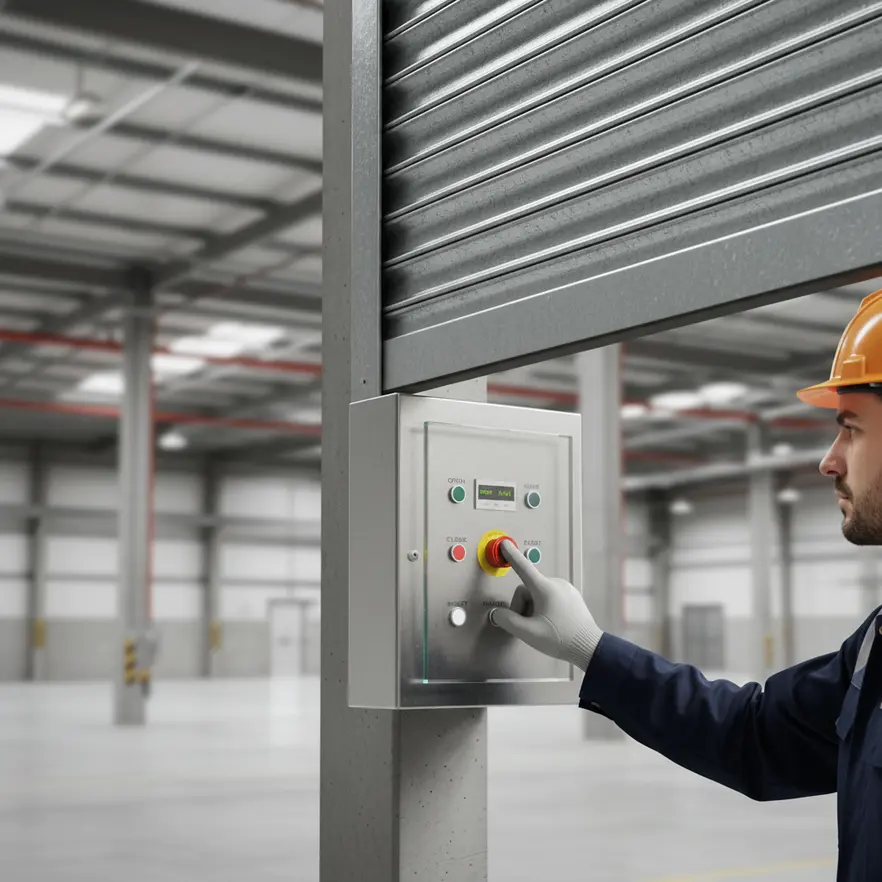
When to Test: Kord Fire Protection Says “Annually Means Every Year, Not Whenever”
You know that gym membership you renew every January but haven’t seen since February? Regulation 4 doesn’t allow that kind of slacking-off mentality. Annual testing isn’t a suggestion. It’s mandatory. And Kord Fire Protection isn’t shy about reminding building owners that “Annual” has a real deadline with real consequences if missed.
Testing must involve:
- Functional testing (it better close when it smells smoke!)
- Visual inspection of some surprisingly easy-to-miss wear and tear
- Verification of fusible links, fail-safe operation, and latching
Imagine relying on a parachute that hasn’t been checked since MySpace was relevant. Spoiler: fire doors don’t age gracefully without help. That’s where Kord’s certified techs come in, clipboards in hand, ready to ensure everything works—even when the building owner forgot it was even there.
What Happens During Inspection? A Play-By-Play from Kord’s Experts
Step 1: Visual Assessment
Technicians check for obvious damage: dents, warping, misalignment, you name it. Anything visible gets documented.
Step 2: Manual Operation
If it’s powered down or on standby, it must still manually close. Operators confirm smooth movement, latching, and clearance.
Step 3: Activation Testing
Using simulated events or smoke detection, the door or shutter is triggered. If it responds like a hero, it passes.
Step 4: Reset & Restore
If it deployed, it must be safely reset without needing 5 hours and sorcery. Technicians check reset systems and equipment response rate.
Step 5: Certification Tags & Reports
Once tested, it’s labeled—think of it as a fancy gold star. A full report is included for records and compliance audits.
Don’t worry. If something goes wrong during testing, your Kord tech will explain it better than your cable guy ever explained your router issues. You won’t be left in the dark—or in the smoke.
The Red Tape: Permits, Tags and Why Your Door’s a Bureaucrat
Automatic closing fire assemblies love a good label. Regulation 4 compliance requires official LAFD tags that must be attached to each tested unit. And yes—these tags are about as essential as your car registration when you see those flashing blue lights.
Each tag indicates:
- Date of last inspection
- Pass/fail status
- Technician info and LAFD registration number
Kord Fire Protection doesn’t just slap a sticker and leave. They register your inspections with the LAFD’s electronic system, so you’re covered when the fire inspector comes knocking. Or worse—when an actual fire makes an unpleasant cameo.
Buildings That Need Automatic Closing Fire Assemblies Most
While every commercial property should care about fire separation, several types of buildings are practically allergic to non-compliance:
- Hospitals: Fire doors help create smoke compartments and safe zones during evacuation.
- High-Rise Buildings: Elevators and stairwell enclosures usually depend on fire-rated separation.
- Retail Malls: Shutters and roll-down doors prevent fire from spreading between stores.
- Hotels: Corridors must be sealed off to contain smoke and fire guests didn’t request at check-in.
- Schools: Classroom containment and quick closure is essential during any fire event.
It’s not just about property—it’s about managing chaos. In an emergency, automatic closures provide the time needed to evacuate and control the narrative, instead of letting Captain Chaos take center stage.
Tales From the Fire Side: Horror Stories That Teach Compliance
It wouldn’t be a good Morgan Freeman-style monologue if we didn’t pause for dramatic storytelling. Gather round. Let’s talk about one building that tried to handle it all in-house and skipped testing “just this once.”
A local retail center—we’ll leave names out to protect identities—had a roll-down fire assembly that hadn’t been tested in six years. When a small electrical fire broke out, the untested shutter attempted to close… and stuck halfway, like that one drawer in your kitchen that never fully opens. Smoke spread into adjacent stores, leading to lawsuits, renovations, and an insurance claim denial. Kord was called for cleanup—literal and legal.
The moral? Trust professionals. Batman doesn’t inspect his own Batcave’s fire doors. Neither should you.
Looking Ahead: The Future of Fire Assemblies in Smart Buildings
The future isn’t just knock-knock jokes and flying cars. It includes smart fire integration, too. More city regulations (yes, even beyond Reg 4) are pushing new builds toward intelligent systems that self-report malfunctions—and repair themselves before contract renewals even happen.
Kord Fire Protection is already integrating IoT-ready closures that communicate with building management systems. Imagine getting a push notification on your phone saying, “Fire Door 3B passed inspection. Also, coffee machine maintenance is overdue.” The Jetsons would be impressed.
FAQ: Fast Answers on Automatic Closing Fire Assemblies Standards in Los Angeles
- What is Regulation 4 in Los Angeles?
It’s the fire code requiring annual testing of systems like fire doors, sprinklers, alarms, and more. - How often do automatic fire doors need testing?
Annually, without exception. Regulation 4 mandates yearly inspections by certified technicians. - Who can test fire assemblies in LA?
Only technicians registered with the LAFD, like those from Kord Fire Protection. - What happens if your fire door fails inspection?
It must be repaired or replaced before certification can be issued—and retested by a certified technician. - Do residential buildings need to comply?
Large multi-unit buildings (like apartments and condos) absolutely do. Single-family homes typically do not.
Final Thoughts: When Safety Is Automatic, Peace of Mind Follows
The success of a fire system isn’t measured in how often it gets used—but in how well it works when the moment comes. Trusting Kord Fire Protection with your Automatic Closing Fire Assemblies ensures your compliance, your safety, and—most critically—your calm during chaos.
Schedule your inspection today, and let the doors close (safely) on uncertainty.
Know Your Weapon Before You Fight the Flame
Kord Fire Protection is your go-to when it comes to all things fire protection. For over 20 years, we’ve been serving Southern California with the quality service and equipment to keep your home or business safe at all times. Our competitive prices reflect our unwavering commitment to protecting what matters most in the event of a fire emergency. Give us a call, send an email, or use that form!

Join Our Newsletter!
Get the latest fire safety tips delivered straight to your inbox From our Newsletter.