
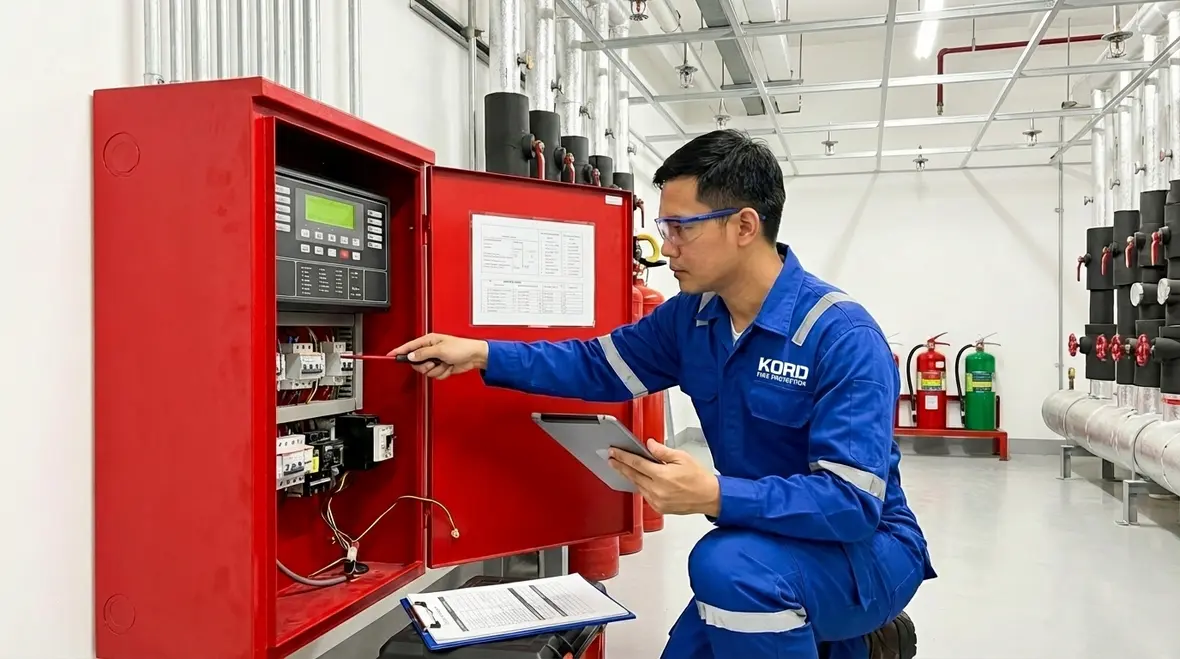
Preventive Maintenance Lowers Long Term Fire System Costs
How Preventive Maintenance Reduces Long-Term Fire System Costs
When it comes to protecting a building, fire systems often sit quietly in the background, waiting for a moment everyone hopes will never come. Yet the real story is not about alarms blaring or sprinklers activating. It is about Long-Term Fire System Costs. Those costs can either creep up slowly through neglect or stay steady through smart planning. The difference lies in preventive maintenance. As Kord Fire Protection technicians often explain to clients, regular care does not just keep systems compliant. It protects budgets, reputations, and peace of mind.
In fact, the way a company manages its fire protection today will shape its financial outlook for years. So let us walk through how preventive maintenance keeps expenses predictable, reduces risk, and makes accountants breathe easier.
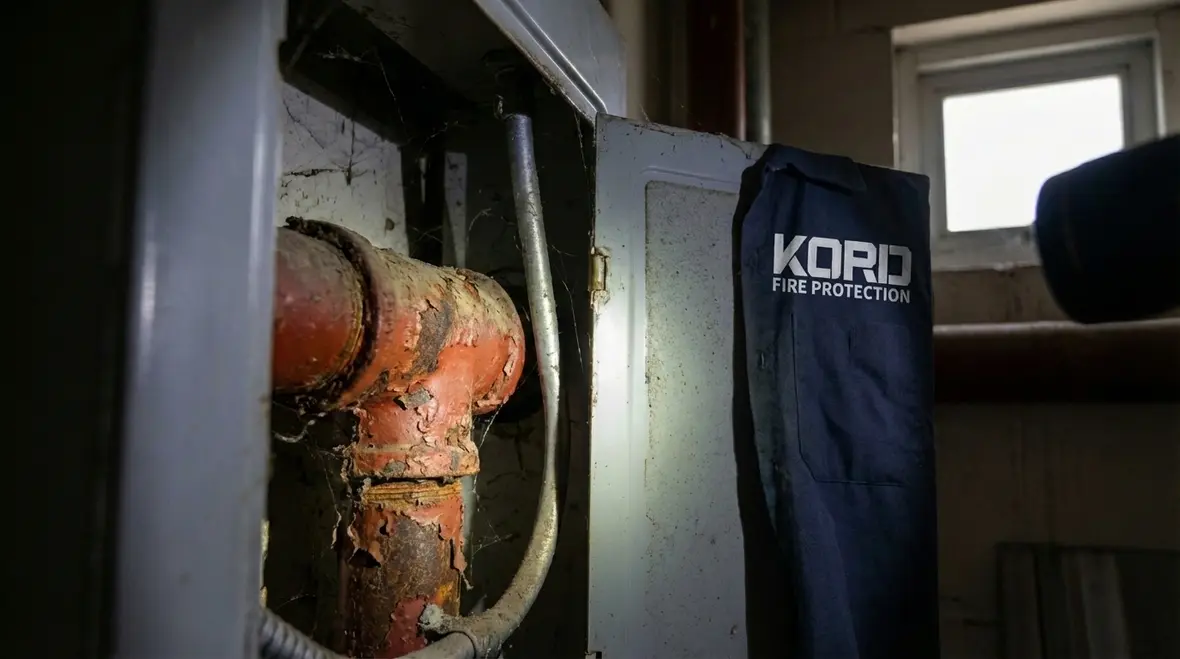
The True Price of Ignoring Fire System Maintenance
At first glance, skipping a quarterly inspection might seem harmless. After all, the system looks fine. No alarms are ringing. No pipes are leaking. However, fire protection systems are like the plumbing behind the walls. Trouble builds quietly.
Without routine checks, small issues grow. Corrosion develops inside sprinkler pipes. Batteries lose capacity. Control panels drift out of calibration. Consequently, when a component fails, the repair bill often arrives with extra zeros attached.
Kord Fire Protection technicians frequently show clients how minor adjustments during inspections prevent major breakdowns later. For example, replacing a worn valve seal costs a fraction of replacing an entire flooded section of piping. In other words, neglect turns affordable service calls into capital projects.
Moreover, emergency repairs usually come with rush fees, downtime, and operational disruption. And nobody enjoys explaining to upper management why a preventable issue became a budget crisis. That conversation rarely ends with applause.
If you want a deeper breakdown of how maintenance requirements stack up over time, Kord’s NFPA 25 overview for water-based fire protection systems walks through inspection and testing intervals that directly influence long-term costs.
How Preventive Maintenance Directly Lowers Long Term Fire System Costs
Preventive maintenance works because it shifts spending from reactive to planned. Instead of scrambling after a failure, organizations schedule inspections, testing, and minor repairs at predictable intervals. Therefore, costs remain steady and manageable.
Regular service accomplishes several financial goals:
1. Extends equipment lifespan
Sprinkler heads, pumps, and panels last longer when kept clean and properly calibrated. As a result, replacements occur on schedule rather than in panic mode.
2. Reduces emergency service calls
Technicians catch issues early. Consequently, businesses avoid after hours labor charges and expedited parts shipping.
3. Protects warranty coverage
Many manufacturers require documented inspections. Without them, warranties may become void. Preventive care keeps those protections intact.
4. Stabilizes budgeting
Planned maintenance fits neatly into annual forecasts. Surprise system failures do not.
Over time, these benefits compound. The cumulative savings significantly reduce overall fire protection expenses and create financial breathing room for other priorities.
For a closer look at how targeted care extends the life of detection equipment specifically, Kord’s guide on fire detection maintenance to extend system lifespan breaks down what consistent upkeep does for panels, sensors, and notification appliances.

What Happens During a Preventive Maintenance Visit
Many building owners imagine a technician walking in, glancing at a panel, and leaving with a clipboard signature. In reality, a thorough visit is far more detailed.
Kord Fire Protection technicians explain each step clearly, which helps clients understand the value behind the invoice. During a typical service appointment, they:
- Inspect control panels for faults and software updates
- Test alarm signals and communication pathways
- Examine sprinkler heads for corrosion or obstruction
- Verify water pressure and pump performance
- Check backup batteries and power supplies
Additionally, technicians document every finding. That documentation proves compliance during inspections and insurance reviews. More importantly, it creates a service history that reveals patterns. If a component repeatedly shows wear, managers can plan replacement before failure occurs.
Think of it like going to the dentist. A routine cleaning costs far less than a root canal. And yes, both involve uncomfortable chairs, but only one keeps things simple.
If you want to zoom in on one aspect of this process, Kord’s essential system flushing guide shows how targeted tasks, like flushing, prevent debris from undermining system performance when it matters most.
How Can Preventive Maintenance Lower Insurance Premiums?
Insurance providers evaluate risk. A well maintained fire protection system lowers that risk. Therefore, many insurers offer favorable rates or avoid premium increases when clients provide documented inspection records.
Preventive maintenance demonstrates responsibility. It shows that the building owner takes life safety seriously. Consequently, insurers feel more confident that claims are less likely.
Furthermore, in the event of a fire, detailed maintenance logs support claims processing. They prove the system met required standards before the incident. Without that proof, disputes may arise, which can delay payouts.
So while maintenance does not magically erase insurance bills, it often helps control them. And in the world of operating expenses, control is everything.
Comparing Reactive Repairs vs Preventive Strategy
Below is a simple comparison that highlights how strategy affects financial outcomes:
Reactive Approach
- Emergency service calls
- Unplanned downtime
- Higher labor rates
- Sudden capital expenses
- Shorter equipment lifespan
Preventive Approach
- Scheduled inspections
- Minimal disruption
- Standard service pricing
- Predictable budgeting
- Extended system longevity
While the reactive model may appear cheaper in the short term, it almost always increases Long Term Fire System Costs over several years. Preventive planning, on the other hand, spreads expenses evenly and reduces surprises. And surprises belong at birthday parties, not in financial statements.
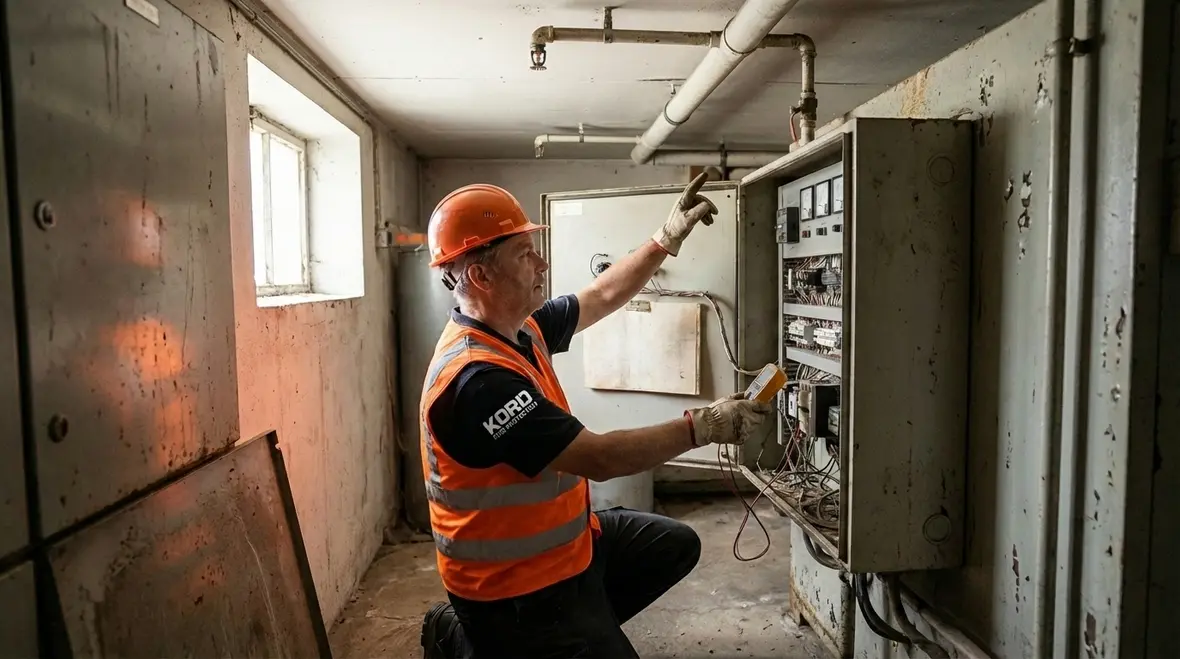
Compliance, Codes, and Avoiding Costly Penalties
Fire codes evolve. Local regulations change. Inspection standards tighten. Therefore, staying compliant requires ongoing attention.
Kord Fire Protection technicians stay current with national and local requirements. They guide clients through testing frequencies, documentation standards, and necessary upgrades. As a result, businesses avoid fines, failed inspections, and potential shutdowns.
Non compliance carries more than financial penalties. It can damage reputation and disrupt operations. For commercial facilities, even a temporary closure may lead to lost revenue and strained tenant relationships.
By contrast, a proactive maintenance plan aligns systems with current standards. It reduces regulatory risk and protects operational continuity. In the long run, compliance becomes far less expensive than correction.
For owners and managers who want to understand the maintenance framework behind many water-based systems, the NFPA 25 maintenance breakdown is a helpful companion piece to this conversation.
Protecting Assets and Business Continuity
Fire systems do more than satisfy code requirements. They protect physical assets and human lives. However, they also shield something less visible but equally important: business continuity.
A malfunctioning sprinkler system can cause water damage during a false activation. Conversely, a failed alarm may delay response during an actual fire. Either scenario increases financial exposure.
Preventive maintenance minimizes these risks. By testing detection devices and confirming proper response times, technicians ensure systems activate only when necessary and perform as designed. Consequently, companies reduce both property damage and operational downtime.
Over time, fewer disruptions translate into lower recovery expenses. That steady protection directly influences overall fire protection system expenses and keeps organizations focused on growth instead of recovery.
Building a Long Term Partnership with Fire Protection Experts
Preventive maintenance works best when it becomes part of a long term strategy rather than a once a year checkbox. Kord Fire Protection technicians emphasize education during each visit. They explain findings, outline options, and help managers prioritize improvements.
This partnership approach creates clarity. Instead of reacting to technical jargon, clients understand their systems. They can make informed financial decisions based on risk, lifecycle expectations, and operational goals.
Additionally, consistent service builds familiarity. Technicians learn the layout and history of each facility. Therefore, they identify subtle changes quickly. That familiarity reduces diagnostic time and further controls costs.
In many ways, preventive maintenance resembles a well rehearsed orchestra. Each component plays its part at the right moment. When everyone follows the score, the performance runs smoothly. When someone skips practice, well, even the audience can hear it.
FAQ: Preventive Maintenance and Fire System Savings
Conclusion: A Smart Investment in Safety and Savings
Preventive maintenance is not an expense to avoid. It is an investment that steadily reduces Long Term Fire System Costs while protecting people, property, and profitability. With guidance from Kord Fire Protection technicians, businesses gain clarity, control, and confidence in their fire protection strategy. Instead of reacting to failures, they plan for stability. The result is simple: fewer surprises, stronger compliance, and a safer future.
If you are ready to turn preventive maintenance into a long term advantage, schedule a comprehensive maintenance review today and let prevention lead the way. To see how ongoing care fits into the full life cycle of your systems, explore Kord’s water-based systems maintenance breakdown and connect with their team through the dedicated fire detection maintenance service page to plan your next step.
Know Your Weapon Before You Fight the Flame
Kord Fire Protection is your go-to when it comes to all things fire protection. For over 20 years, we’ve been serving Southern California with the quality service and equipment to keep your home or business safe at all times. Our competitive prices reflect our unwavering commitment to protecting what matters most in the event of a fire emergency. Give us a call, send an email, or use that form!

Join Our Newsletter!
Get the latest fire safety tips delivered straight to your inbox From our Newsletter.


