
Pasadena Fire Suppression Systems Service Guide
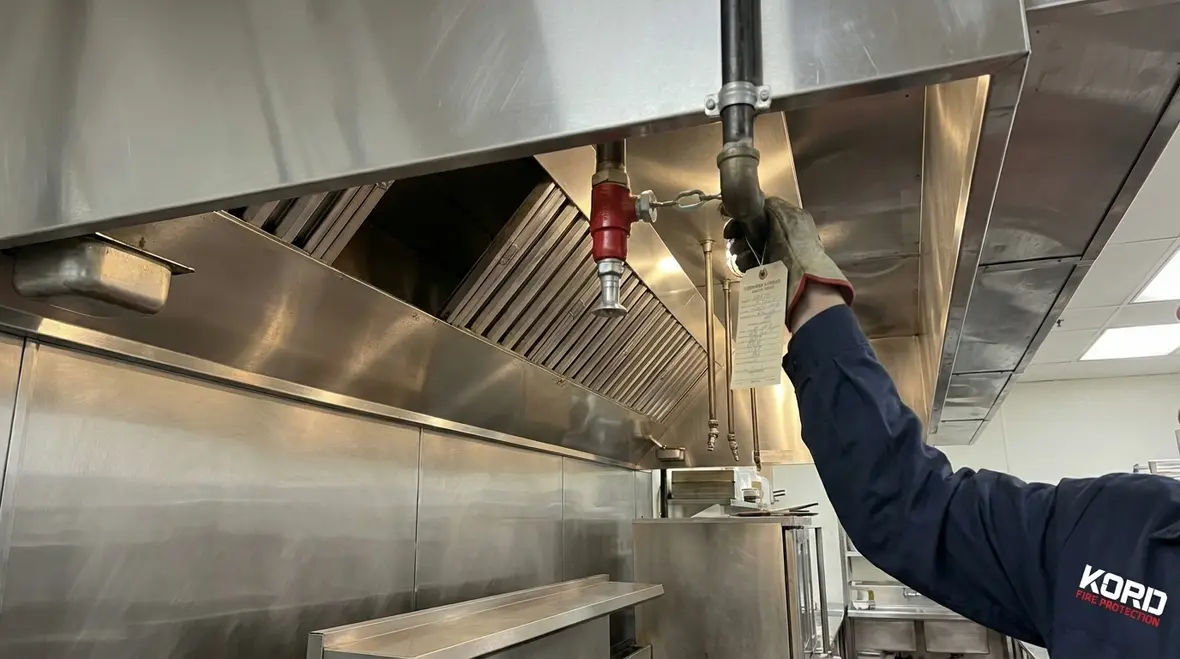
In the heart of busy kitchens and humming facilities, safety should never sit on the back burner. Pasadena fire suppression systems play a quiet yet powerful role in protecting commercial kitchens, hospitals, hotels, and industrial spaces throughout the city. Within the first moments of a flare up, these systems step in before panic ever has a chance. However, a system is only as reliable as the service behind it. That is where trained professionals like Kord Fire Protection technicians step forward, calmly explaining every valve, nozzle, and inspection point as if they are narrating a documentary on how to outsmart fire itself.
This guide explores why fire suppression system service matters, what it involves, and how Pasadena businesses can stay compliant, safe, and confidently open for business.
Understanding Pasadena Fire Suppression Systems in Commercial Environments
Commercial kitchens are not gentle places. Flames leap from burners, oil reaches extreme temperatures, and exhaust hoods collect grease like it is a hobby. Therefore, fire risks increase fast. Pasadena fire suppression systems are designed specifically to detect and suppress fires in high risk zones before they spread.
Unlike a basic sprinkler system, kitchen suppression units target cooking equipment directly. They release a wet chemical agent that cools flames and forms a barrier over hot grease. As a result, the fire loses both heat and oxygen. In addition, the system often shuts off the fuel or gas line automatically, which prevents a second ignition.
Meanwhile, facilities such as warehouses or medical centers may rely on specialized suppression systems that use clean agents or pre action sprinklers. Each environment demands its own approach. Kord Fire Protection technicians walk clients through these differences in plain language. They explain why a fryer needs a different response than a server room. And they do it without sounding like a robot reading a manual.
Because every building has unique risks, regular service ensures that the installed system matches current operations. If a kitchen upgrades appliances or rearranges cooking lines, the suppression coverage must adjust as well. Fire does not care about last year’s layout.
How Often Should Fire Suppression Systems Be Serviced in Pasadena?
This is the question business owners type into search bars at midnight, usually after watching a news clip about a restaurant fire. The short answer is every six months for most commercial kitchen systems. However, there is more to the story.
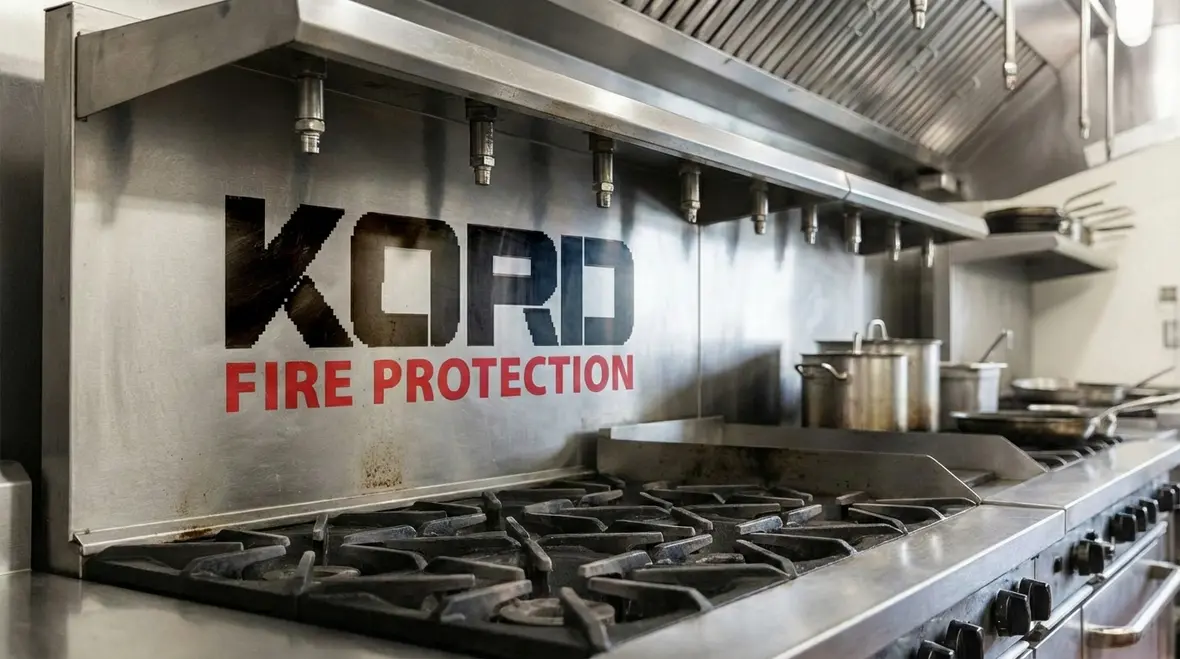
Local fire codes and national standards require semi annual inspections for kitchen suppression systems. During these visits, technicians examine nozzles, fusible links, control panels, and agent levels. In addition, they check for grease buildup that could block discharge patterns. If a nozzle cannot spray properly, it is about as helpful as a garden hose with a thumb over the end.
Furthermore, facilities with clean agent systems may require additional checks, including pressure verification and enclosure integrity testing. Therefore, consistent scheduling is not just about compliance. It is about performance.
Kord Fire Protection technicians document every inspection carefully. They explain what passed, what needs adjustment, and why it matters. Instead of handing over a clipboard and disappearing, they take time to answer questions. That level of clarity builds trust. And trust, much like a good suppression system, prevents future headaches.
Connecting Service to Local Fire Protection Support
For Pasadena businesses that want one partner to oversee inspections, testing, and service, working with a local team that already supports regional facilities streamlines everything. From Pasadena fire protection services to broader system testing, keeping one service provider in the loop helps ensure nothing falls through the cracks.
What Happens During a Professional Fire Suppression Service Visit
When technicians arrive on site, they do not simply glance at the hood and call it a day. First, they review the system design and confirm that it aligns with current equipment placement. If appliances have moved, coverage zones may need recalibration.
Next, they inspect detection components. Fusible links, which melt at specific temperatures, must remain clean and properly rated. Over time, grease and dust can interfere with their function. Consequently, cleaning or replacement becomes necessary.
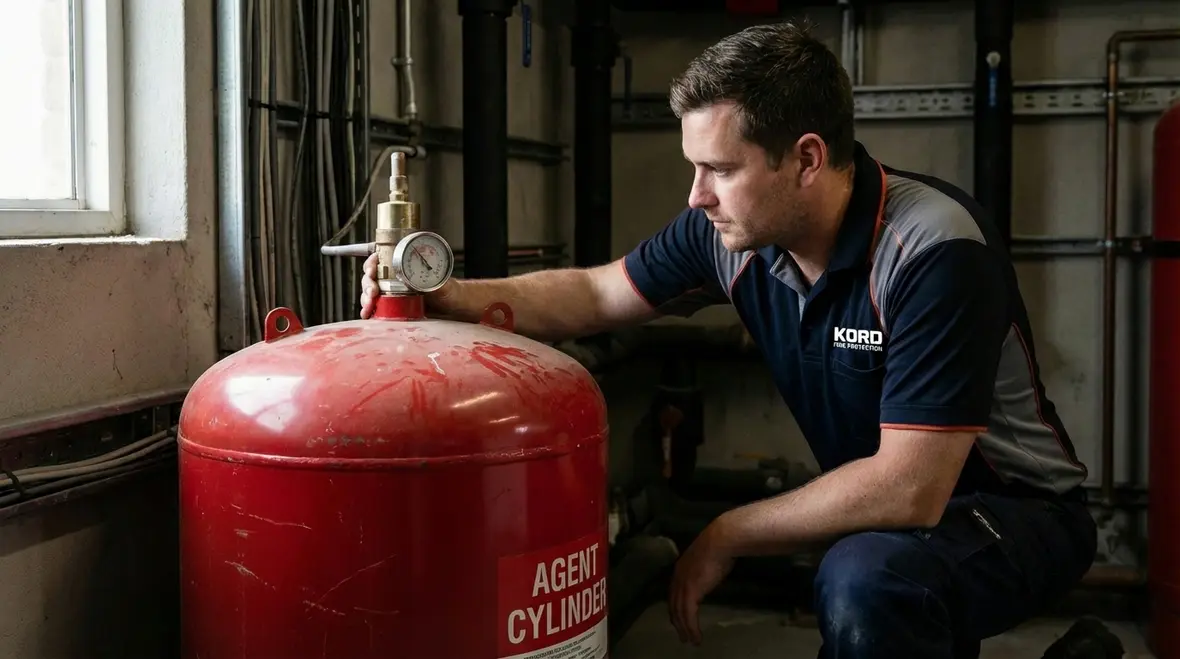
After that, they assess the agent cylinders. Pressure gauges must sit within acceptable ranges. If levels drop, the system may not discharge effectively. In addition, they test manual pull stations to confirm that staff can activate the system during an emergency.
Finally, technicians verify that gas shut off mechanisms engage as designed. This step is critical. Cutting the fuel source often determines whether a small incident becomes a major event. Throughout the visit, Kord Fire Protection technicians explain each step in steady, reassuring tones. Clients leave not only with a serviced system, but with a better understanding of how it protects them.
Key Components Reviewed During Service
- Nozzles and discharge patterns over each appliance
- Fusible links and detection lines running through the hood
- Agent cylinder pressure, labeling, and mounting
- Manual pull stations, signage, and accessibility
- Gas and electrical interlocks for automatic shutdown
- Control panels, alarms, and any integrated monitoring
Common Compliance Pitfalls for Pasadena Businesses
Compliance is not glamorous. No one throws a party because their inspection tag is up to date. However, overlooking small details can lead to fines, failed inspections, or worse.
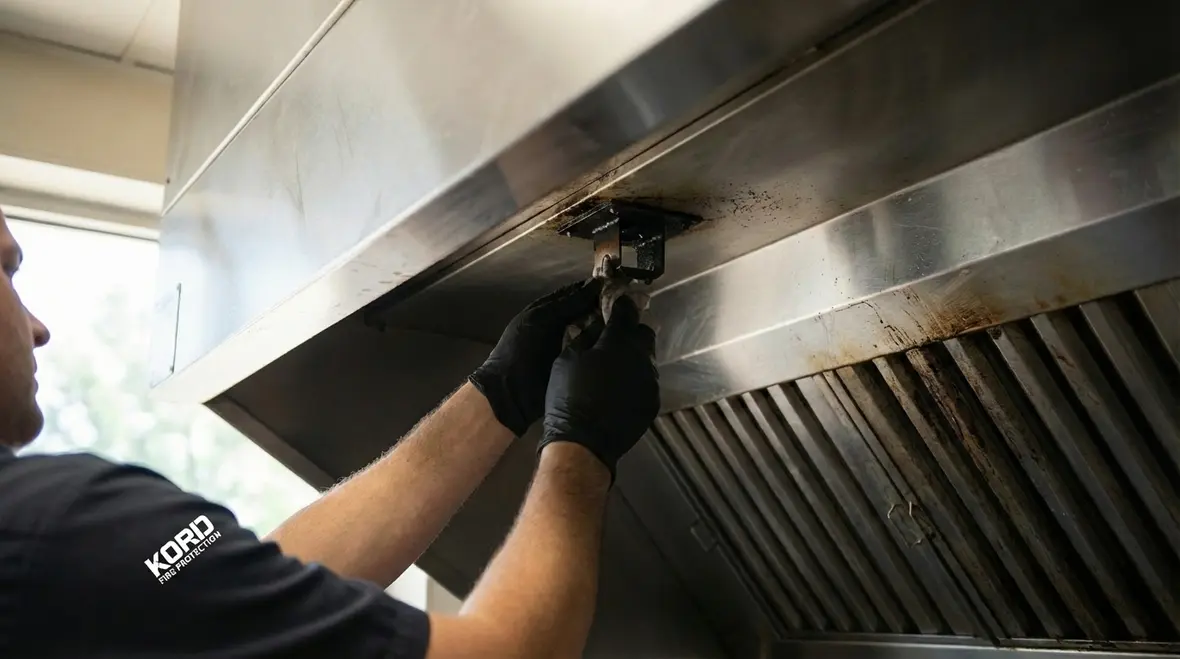
One frequent issue involves blocked nozzles. Over time, grease caps meant to protect nozzles during cooking can remain in place accidentally. Therefore, during a fire, the agent cannot deploy correctly. Another common problem is outdated fusible links. These small components degrade over time and must be replaced regularly.
In addition, some businesses forget that system modifications require approval. If new cooking appliances increase fire risk, the suppression layout must adapt. Otherwise, coverage gaps may form. Think of it like rearranging furniture but forgetting to move the smoke detector. It looks fine until it really matters.
By maintaining routine service for Pasadena fire suppression systems, facility managers stay ahead of these issues. Moreover, documented inspections provide proof of compliance during fire department reviews. Preparation, after all, beats apology every time.
Simple Habits That Support Compliance
- Keeping suppression system documentation in one easy-to-find binder or folder
- Assigning a specific manager to own fire protection tasks and scheduling
- Walking the kitchen weekly to verify nozzles are clear and caps are removed after cleaning
- Updating your service provider whenever equipment is added, removed, or relocated
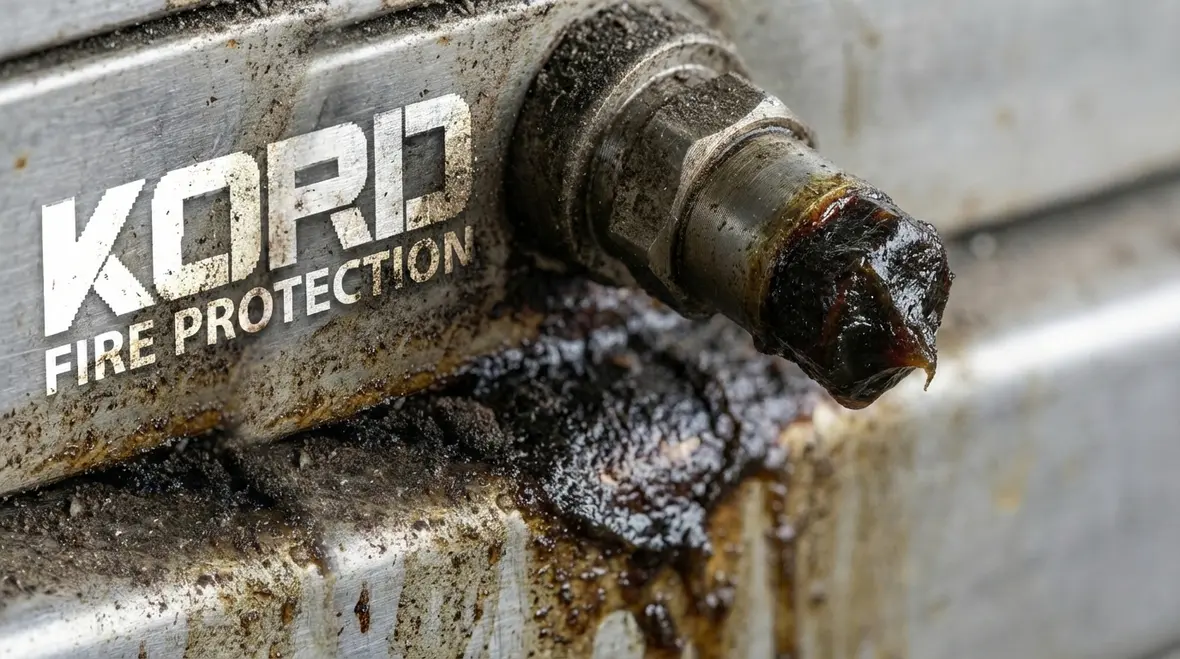
Dual Focus: Prevention and Rapid Response
Fire protection works best when prevention and response operate together. Below is a clear breakdown of how both elements support safe commercial environments.
Prevention Measures
- Regular cleaning of hoods and ducts to reduce grease buildup
- Scheduled inspection of suppression components
- Staff training on manual pull station use
- Clear access to extinguishers and exits
Rapid Response Measures
- Automatic detection through heat sensitive links
- Immediate discharge of wet chemical agents
- Automatic fuel and gas shut off
- Alert systems that notify occupants and emergency services
When both columns function properly, the risk of catastrophic loss drops significantly. Kord Fire Protection technicians emphasize this balanced approach. They remind clients that even the best system cannot compensate for neglected cleaning or untrained staff. On the other hand, even the most careful team benefits from reliable automatic protection.
Choosing the Right Partner for Fire Suppression System Service
Not all service providers bring the same level of care. Therefore, businesses should look for technicians who understand local codes, manufacturer guidelines, and the specific demands of commercial kitchens.
Kord Fire Protection technicians stand out because they communicate clearly. They describe system components without jargon. If a cylinder requires hydrostatic testing, they explain what that means and why it matters. If a control panel shows signs of wear, they outline options before problems escalate.
Moreover, they prioritize timely service. In a busy Pasadena restaurant, downtime affects revenue. Consequently, efficient scheduling and organized inspections make a difference. While safety remains the top priority, operational continuity also matters.
Reliable service providers also maintain detailed records. These documents support insurance requirements and demonstrate due diligence. In high risk industries, that paper trail can prove invaluable.
Questions to Ask a Potential Service Provider
- How familiar are you with Pasadena and California fire codes for commercial kitchens?
- Do you provide both kitchen suppression and other fire protection services under one roof?
- Can you help coordinate inspections so I am always inspection-ready?
- How do you document each visit, and can I access records quickly for the fire department or insurance?
Long Term Value of Maintaining Pasadena Fire Suppression Systems
Some owners view service visits as another line item on a budget sheet. However, routine maintenance protects far more than equipment. It safeguards employees, customers, and reputations.
A properly maintained system reduces the chance of severe property damage. As a result, businesses avoid extended closures and costly rebuilds. Furthermore, insurance providers often look favorably on documented compliance, which can influence claims and premiums.
There is also peace of mind. When managers know their Pasadena fire suppression systems are inspected and ready, they focus on running their operations instead of worrying about worst case scenarios. And peace of mind, unlike trendy kitchen gadgets, never goes out of style.
Ultimately, fire suppression service is about readiness. It ensures that when heat rises unexpectedly, a well maintained system responds instantly and effectively. That quiet readiness defines true protection.
Frequently Asked Questions
Protect Your Pasadena Facility with Expert Service
Fire risks move fast, but preparation moves faster. With professional service for Pasadena fire suppression systems, commercial kitchens and facilities gain dependable protection that stands ready at all times. Kord Fire Protection technicians bring clarity, skill, and steady guidance to every visit. Schedule a service today and ensure that when heat rises, your system responds without hesitation. Safety is not an expense. It is an investment in everything your business has built.
If you are looking for a single partner to keep your systems inspection-ready, explore Kord Fire Protection’s full fire protection services. From fire sprinklers and alarms to kitchen hood suppression and fire extinguishers, the same team that services your Pasadena fire suppression systems can help coordinate all of your life safety needs throughout Southern California.
Know Your Weapon Before You Fight the Flame
Kord Fire Protection is your go-to when it comes to all things fire protection. For over 20 years, we’ve been serving Southern California with the quality service and equipment to keep your home or business safe at all times. Our competitive prices reflect our unwavering commitment to protecting what matters most in the event of a fire emergency. Give us a call, send an email, or use that form!

Join Our Newsletter!
Get the latest fire safety tips delivered straight to your inbox From our Newsletter.


