NICET Level 4 Fire Alarm Certification Explained Top Tier
When a company asks about a NICET Level 4 Fire Alarm Certification, the real question is usually simpler than it sounds: “What is the highest level, and what does it mean for real jobs?” At kord fire protection technicians, the team explains that Level 4 is not just another certificate on the wall. It is a way to show that a professional can handle complex fire alarm work, from codes and design judgment to testing that actually holds up under pressure.
In this guide, third person readers will get a clear picture of what Level 4 covers, why it matters, and how it fits into day to day field work. And yes, it will also touch on the parts people tend to skip, like documentation and systems logic. Because a fire alarm system should work, not just look busy.
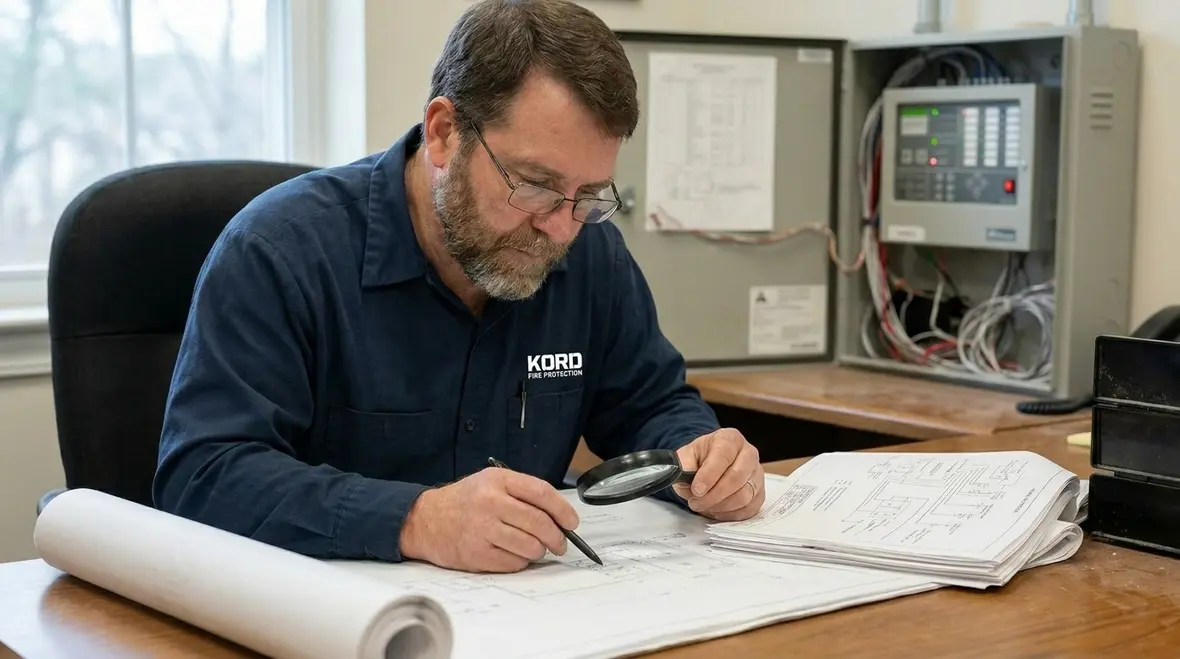
NICET Level 4 Fire Alarm Certification explained as the top tier
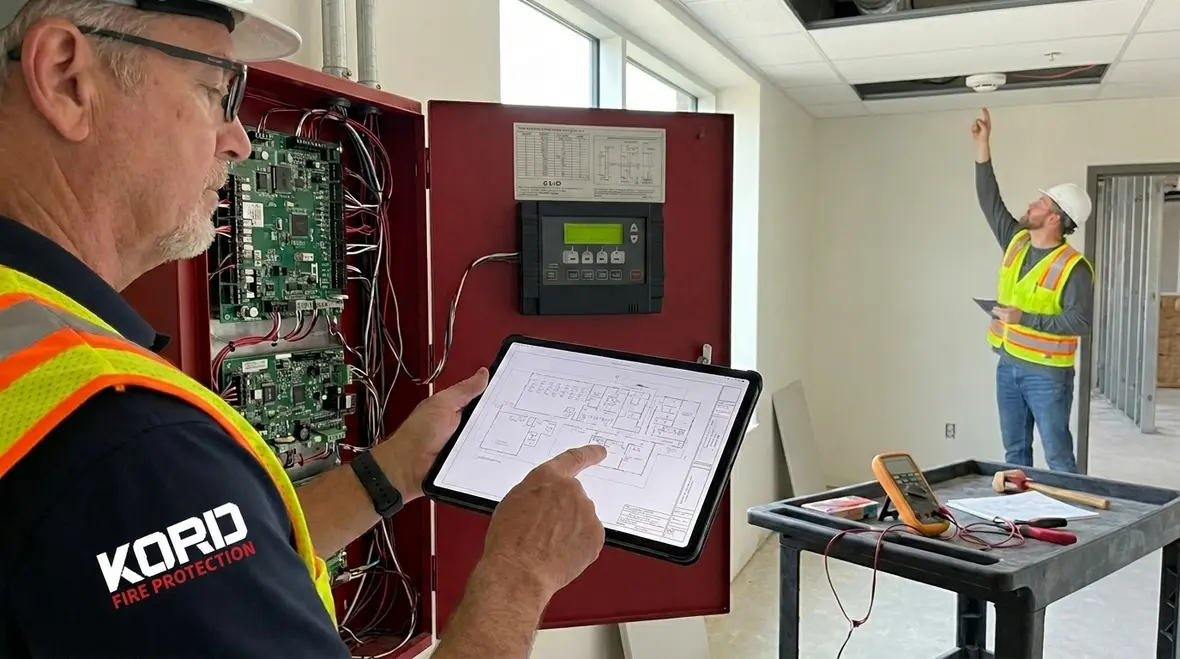
Level 4 represents the highest tier within NICET’s fire alarm track. It generally signals deeper experience and stronger competence across key tasks, including system design review, submittal quality, and acceptance testing. In other words, a person at this level does not just follow a checklist. They understand how alarms, power, supervision, notification appliances, and control panels behave as a connected system.
To put it plainly, the certification acts like a credibility stamp, but the value comes from the skills behind it. Likewise, kord fire protection technicians often explain that Level 4 professionals can look at the same set of plans and catch the issues that cause callbacks later. They also know how to translate code language into practical system decisions, which matters when a job site does not cooperate, like it never does in movies.
That difference shows up in the quiet moments before problems start. A top tier technician can review a sequence, compare it against field conditions, and spot where a relay, module, circuit path, or notification plan may create a headache later. That is the kind of experience people usually notice only after a failed inspection, and by then it is a very expensive lesson. Level 4 aims to reduce those lessons before they become part of the schedule.
Why the top tier matters beyond the title
Titles alone do not make systems safer. What matters is whether the certified person can guide a project through design questions, installation realities, test expectations, and documentation demands without losing the plot. That is why Level 4 has weight. It signals that the person is expected to think through the whole system, not just the next device on the wall.
What skills Level 4 proves in real fire alarm work
To reach Level 4, a professional typically demonstrates knowledge and experience in areas that go beyond basic installation support. As a result, they often develop strengths that show up during design, commissioning, and troubleshooting.
- System understanding: Level 4 candidates must grasp how initiating devices, signaling circuits, and control functions interact.
- Code driven decisions: The work involves applying fire alarm rules correctly, not guessing based on what “usually gets approved.”
- Quality control: They tend to verify device placement, wiring methods, and appliance mapping to reduce hidden faults.
- Testing and verification: They plan tests that reflect how the system performs in a real event, then document results clearly.
Furthermore, when a team is staffed with Level 4 certified technicians, they can handle more complex projects such as multi area buildings and systems that require careful sequence of operations. Meanwhile, the client benefits because the system is more likely to meet both expectations and inspection requirements on the first round. Fire alarm work already runs on enough stress, so avoiding preventable failures helps everyone sleep at night.
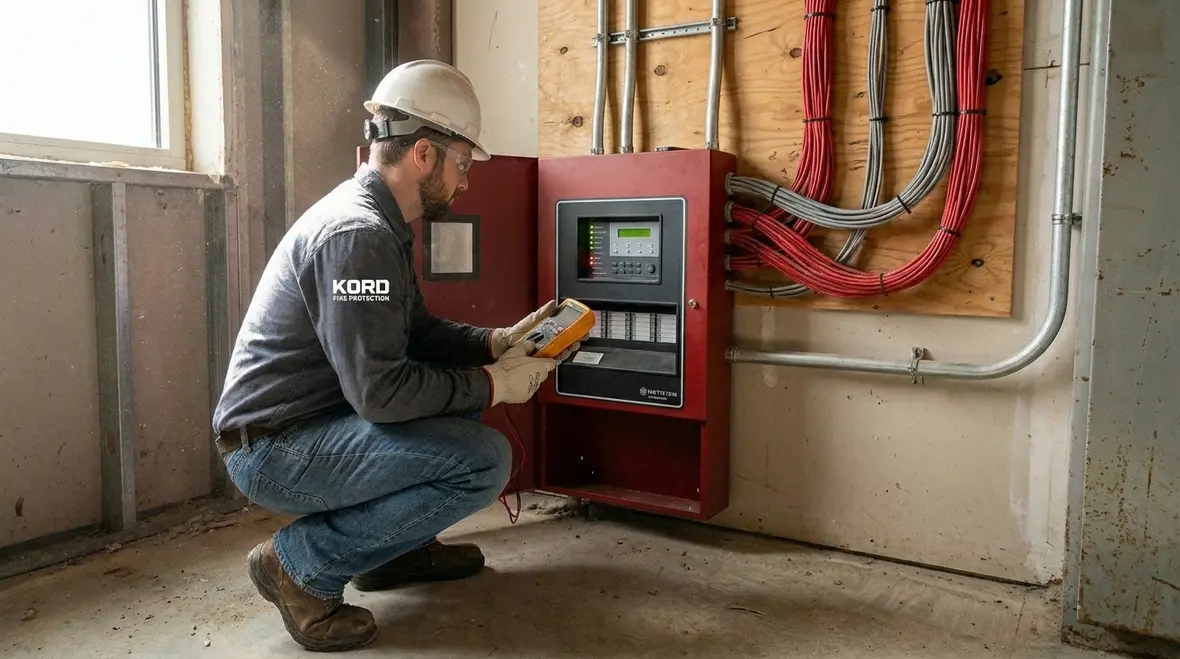
The field habits that separate advanced technicians
Real skill is often boring in the best possible way. It looks like labeling that makes sense, reports that another technician can follow, clean device mapping, and test plans that are not invented on the spot five minutes before inspection. Level 4 tends to reflect those habits. It proves the person can bring structure to a system that would otherwise drift into confusion.
How the process differs from lower levels
Lower levels typically build foundational skills. However, Level 4 usually demands more advanced judgment. For that reason, candidates often rely on stronger documentation and better understanding of system behavior under fault conditions.
At the higher end, the work moves from “Can this be installed” to “Can this be justified, tested, and maintained.” So even when the job looks similar on paper, the requirements around thoroughness increase. Additionally, Level 4 work pushes candidates to show they can manage complexity, such as supervision requirements, device compatibility, and notification audibility considerations.
kord fire protection technicians describe it this way: lower levels help someone become competent; Level 4 helps someone become reliable under scrutiny. And inspections are like pop quizzes, except the stakes are higher and nobody brought a calculator.
Another key difference is how much independent reasoning is expected. At lower levels, a technician may be focused on executing tasks correctly. At Level 4, the person is expected to explain why a configuration works, why a test proves compliance, and why a change in the field does or does not affect the larger system. That extra layer of judgment is where advanced certification starts earning its reputation.
Where Level 4 shows up on the jobsite
Certified professionals influence projects at several points, and that is where the certification becomes more than a credential. For example, Level 4 skills often show up during plan review, change management, and commissioning.
- Design review: They validate that the design matches the building needs and the required code approach.
- Submittal quality: They check that product selections and drawings align with the actual system layout.
- Installation oversight: They spot wiring and device issues early, before the system becomes a box of mystery.
- Acceptance testing: They verify signals, supervision status, and control functions using repeatable methods.
Then, during handoff, Level 4 professionals help ensure that operating staff receives clear guidance and that documentation stays organized. As a result, the system stays serviceable, and maintenance technicians can troubleshoot faster later. This reduces downtime and keeps the building safer.
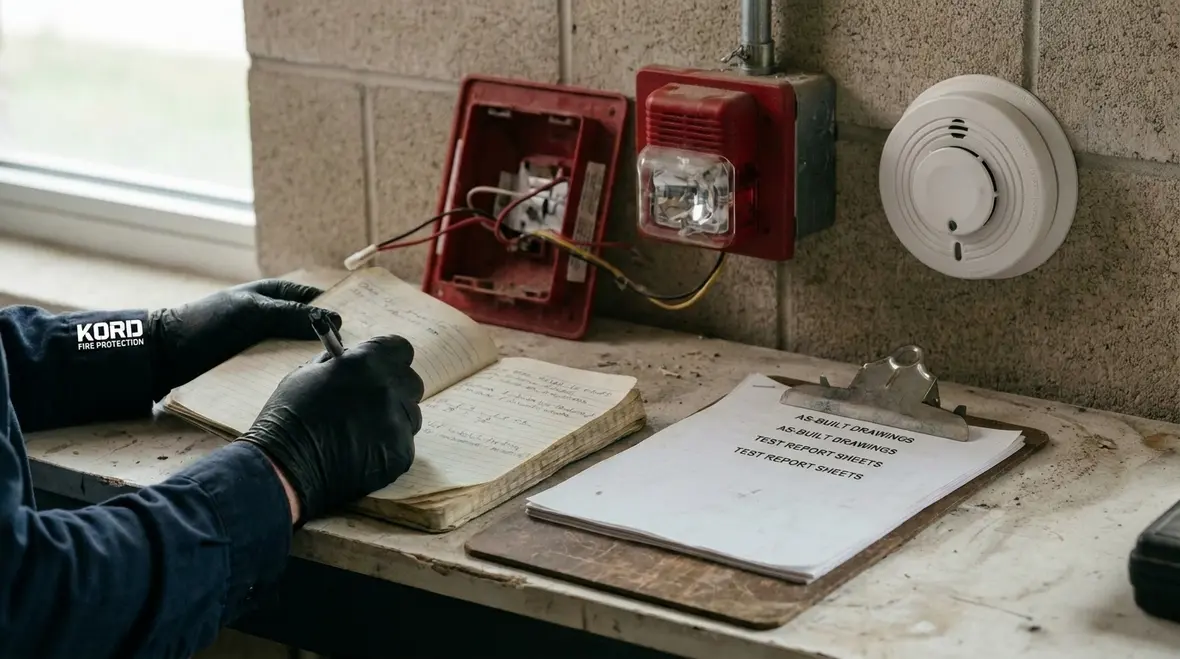
Why jobsite influence matters
The strongest technicians do not disappear after the plans are approved. They continue shaping outcomes during rough in, trim out, testing, and turnover. That is where small mistakes can become large delays. A Level 4 perspective helps catch those issues while they are still fixable with a little effort instead of a full schedule meltdown.
Codes, tests, and documentation that actually matter
When a fire alarm system fails to perform as intended, the root cause is often not the panel. It is usually the details: circuit supervision, device mapping, sequence logic, or incomplete test records. Therefore, Level 4 professionals focus on evidence, not vibes.
kord fire protection technicians often emphasize that good documentation is part of system safety. In addition, they stress that tests should confirm both expected behavior and edge cases, such as trouble conditions, alarm verification steps, and notification performance.
| Area | What Level 4 focuses on |
| Sequence of operations | Clear logic so the panel triggers the right actions in the right order |
| Supervision and fault response | Reliable detection of breaks, shorts, and device issues |
| Notification verification | Measured or verified performance so occupants receive clear warnings |
| Record keeping | Readable test reports and as built information for future service |
Ultimately, this approach supports inspection outcomes and long term reliability. And if that sounds like common sense, good. It should be.
This is also where advanced certification helps companies protect their reputation. Good paperwork, consistent testing, and well organized turnover information make future service easier and reduce arguments about what was installed, what was tested, and what the system was supposed to do in the first place. Nobody enjoys detective work when the records should have told the story already.
Choosing the right path for career growth and hiring
Many people ask what a Level 4 certification means for hiring and advancement. From a business standpoint, it means a company can assign more complex projects with fewer unknowns. It also means clients can trust that the team understands how to reduce risk.
At the same time, candidates should consider the work environment that helps them build the experience needed for Level 4. They should look for roles that involve design review, commissioning, and service documentation. If the job only installs devices and never touches testing logic, the person may struggle to gather the right proof of skills.
Meanwhile, businesses that hire Level 4 talent often gain faster project turnaround because decisions get made correctly from the start. That saves time, avoids rework, and keeps the schedule from turning into a sitcom where every episode ends with a surprise problem.
Helpful resources from Kord Fire Protection
For companies comparing staffing needs against project demands, it helps to look at broader fire protection service coverage and how dedicated fire alarm systems support fits into inspections, testing, repairs, and ongoing compliance. Teams that want a more direct look at alarm specific support can also review fire alarm services to understand where advanced technical oversight adds value.

FAQ about NICET Level 4 Fire Alarm Certification
Conclusion and call to action
NICET Level 4 Fire Alarm Certification marks a high standard, and kord fire protection technicians can help teams understand what it takes to reach that level and use it well. If a company wants stronger project quality, fewer surprises during testing, and better documentation for inspections, this is the path worth planning for.
Now is the time to evaluate current staffing, skill gaps, and project needs. Reach out to kord fire protection technicians and take the next step with expert fire alarm system services or explore full fire protection support for broader compliance and project readiness.

Join Our Newsletter!
Get the latest fire safety tips delivered straight to your inbox From our Newsletter.