NICET Level 3 vs Level 2, What Changes in Responsibility
NICET Level 3 vs Level 2 is not a small step. It is a real jump in responsibility, the kind that shows up when the alarms are quiet but the stakes are loud. In the first part, this article spells out what technicians notice on day one, and then it explains why the difference matters in the real world. Kord Fire Protection technicians explain these changes in plain terms, because the job does not care how fancy your vocabulary is. It cares how safely you do the work, how clearly you document, and how well you can back up your decisions when someone asks, “Why did you choose that?”

What changes when a technician moves from Level 2 to Level 3?
NICET Level 3 vs Level 2 shifts how a technician handles risk, oversight, and decision making. Level 2 often supports tasks under broader direction. Level 3 expects deeper judgment and stronger ownership of the full scope of work. Therefore, the move usually affects more than paperwork. It affects how technicians plan an inspection path, how they interpret system details, and how they communicate findings.
At Kord Fire Protection, the team often says it like this: Level 2 gets you into the building. Level 3 helps you run the building. And yes, that analogy sounds dramatic, but it fits. Fire protection is not “set it and forget it” like a slow cooker. It is more like a coffee machine that demands attention every day.
That change also becomes obvious in the amount of trust placed on the technician. A Level 2 technician may be expected to perform assigned inspection and testing tasks correctly, thoroughly, and on schedule. A Level 3 technician is expected to see the whole chessboard. That means noticing how one deficiency could affect another system, how one documentation gap can create trouble later, and how one rushed assumption can turn into a compliance headache no one wants to explain twice.
Responsibility is not louder. It is wider.
A lot of technicians expect the jump to feel dramatic, like a giant flashing sign that says congratulations, now everything is harder. Usually, it feels more subtle at first. Then the questions start. Why was this sequence used? Why was this deficiency ranked this way? Why is this design detail acceptable here but not there? Level 3 is where more of those answers land on your desk, your notes, and your name.
Real responsibility in the field, not just on a certificate
In practice, technicians with higher certification carry more of the work that cannot be delegated. They review plans with sharper focus, validate that designs align with code intent, and verify that field installs match the approved approach. Next, they handle issues that show up after the first inspection, like device spacing conflicts, wiring problems, or documentation gaps that make future testing harder.
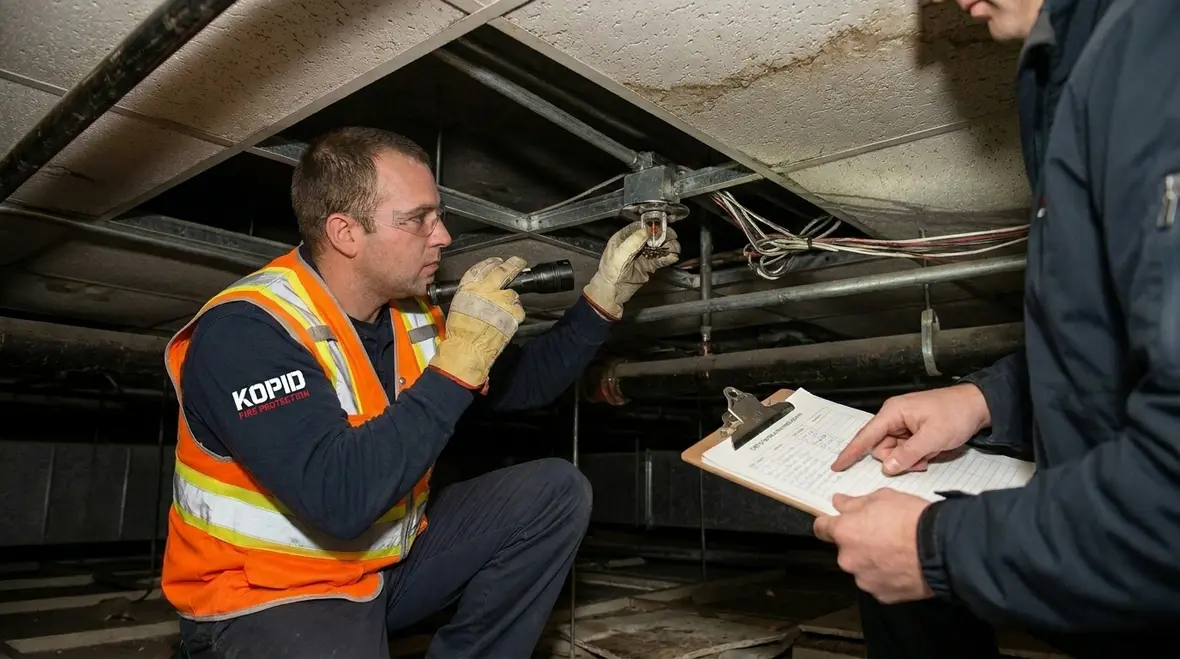
In other words, NICET Level 3 vs Level 2 shows up when conditions get messy. When a site has renovations, mixed system generations, or tight ceiling spaces, the technician must sort what is required from what is merely convenient. As a result, Level 3 technicians often guide correction plans, not just record observations.
This is especially true on properties where older infrastructure meets newer upgrades. One part of the system may be modern, documented, and easy to trace. Another part may look like it has survived three remodels, two ownership changes, and one heroic patch job. A Level 3 technician is usually the one expected to sort through that history and explain what still works, what no longer fits, and what needs to happen next.
How Kord Fire Protection technicians explain the mindset shift
Kord Fire Protection technicians describe the mindset change in simple terms. Level 2 checks what is there. Level 3 explains what it means. Then it connects the meaning to safety, compliance, and future maintenance.
For example, a Level 2 tech might document a deficiency. A Level 3 tech typically evaluates the impact and helps determine the safest path to resolution. They also clarify the difference between a minor defect and a condition that could delay detection or reduce system performance. Meanwhile, they keep communication professional and timely, because delay is how problems become expensive, and nobody wants that surprise bill.
That mindset shift matters during client conversations too. Someone has to translate technical findings into decisions people can act on. That does not mean dumbing things down. It means being clear enough that a property manager, project lead, or facilities director understands the issue, the risk, and the next step without needing an emergency decoder ring.
Level 3 adds context to every note
This is why writing improves so much between the levels. A brief note may be enough to confirm a finding at Level 2. At Level 3, the note often needs to stand on its own later, when someone else reads it during repairs, reinspection, planning, or an audit trail review. Good documentation is not glamorous, but it saves time, prevents confusion, and keeps people from arguing over what was meant six months ago.
Exam depth, code interpretation, and decision documentation
The jump in responsibility shows up in three areas: exam depth, code interpretation, and documentation quality. Level 2 may emphasize understanding and applying core requirements. Level 3 often expects more consistent reasoning. That means the technician must connect observed facts to code language and engineering intent.
Additionally, strong documentation becomes a major differentiator. Level 3 work typically demands clearer writeups that support a defendable conclusion. Therefore, a technician does not just say what they found. They explain why the finding matters, and how it affects system operation, testing results, or long term reliability.
Think of it like a court brief, minus the courtroom drama. You still need facts, logic, and a calm tone. However, unlike most pop culture villains, the goal is not to confuse anyone. The goal is to make the next step obvious.
The code interpretation side is where confidence gets tested. It is one thing to recognize a requirement when it is obvious. It is another thing to apply code intent correctly when field conditions are awkward, incomplete, or just plain annoying. Level 3 technicians are expected to stay steady in that gray space and make decisions that are both practical and defensible.
How responsibility changes during inspections, testing, and review
Inspections and testing can look similar on the surface. Yet NICET Level 3 vs Level 2 changes how a technician sequences work and what they prioritize. Level 2 technicians may focus on completing standard tasks and capturing clear results. Level 3 technicians often coordinate the bigger picture, such as confirming that test procedures match system design and that records stay aligned with the equipment configuration.
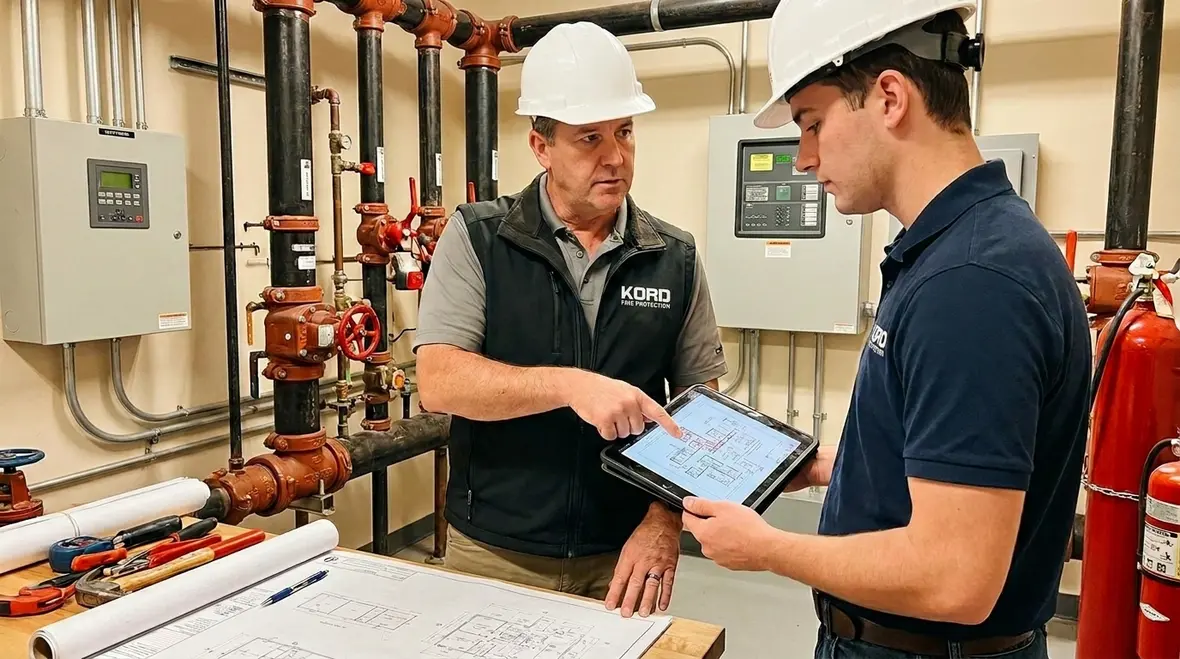
During plan review, the responsibility becomes even more visible. A Level 2 tech might focus on whether a device type appears correct. Level 3 typically checks how the design choices interact, like coverage logic, system integration, and how the layout supports dependable operation under real conditions. Then, the technician ensures the final documentation can guide maintenance teams later.
That broader view connects well with Kord’s writing on the full lifecycle of fire protection servicing, where inspection, testing, maintenance, and follow-up are treated as one continuous responsibility instead of disconnected tasks. That is exactly how Level 3 tends to think. Not one visit at a time, but one system over time.
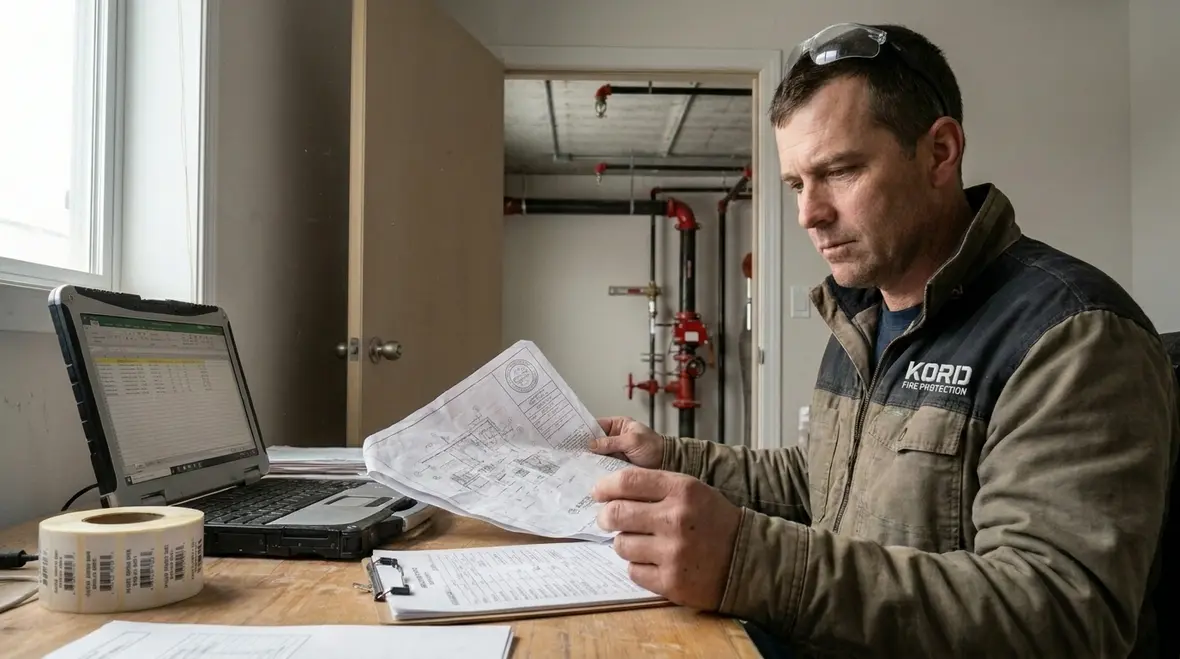
Common workplace scenarios that reveal the difference
Several real scenarios highlight what separates the levels. First, mixed technology sites create confusion. Older devices, new panels, and partial upgrades can create mismatched expectations. Level 3 technicians are usually better prepared to assess how those combinations affect performance, then document corrective actions clearly.
Second, retrofit projects often introduce hidden constraints. Ceiling changes, pathway reroutes, and abandoned conduits can affect installation quality. So a Level 3 technician tends to focus more on the why, not only the what. They verify that the system will still meet functional requirements after changes.
Third, client communication becomes more structured. Level 3 technicians typically explain findings in a way that helps decision makers act fast. They also support project teams by outlining next steps, timelines, and what information is needed for sign off.
And yes, sometimes the hardest part is explaining to someone why the system cannot simply be “good enough.” As Kord Fire Protection technicians put it, fire safety does not grade on a curve. It grades on outcomes.
Where Level 3 earns its keep
The difference becomes easiest to spot when something is incomplete, inconsistent, or inconvenient. Clean jobs make everyone look organized. Complicated jobs reveal who can actually lead. When drawings do not match the field, when system history is fuzzy, or when upgrades create new compatibility questions, Level 3 is expected to bring order to the mess without turning the report into a mystery novel.
Dual guidance: Level 2 support and Level 3 ownership
Below is a simple comparison that shows how day to day work often splits between the levels in a professional environment.
The table looks tidy, but real jobs rarely are. That is the point. The more complex the environment, the more Level 3 responsibility expands from task completion into judgment, coordination, and accountability. It is less about doing more motions and more about owning the meaning of the work.
FAQ: NICET Level 3 vs Level 2
Final thoughts and a clear next step
The difference in NICET Level 3 vs Level 2 is about ownership, not just a title. Level 3 expects deeper reasoning, stronger documentation, and clearer guidance when sites get complicated. If a technician wants to grow into leadership, plan review support, and higher impact decisions, this is the path that fits.
For teams that need help with inspections, system review, testing, and dependable follow-through, Kord Fire Protection offers broader support through its full fire protection services and dedicated fire alarm services. Contact Kord Fire Protection and ask about training, mentoring, and real field expectations. Then take the next step with confidence, not guesswork.

Join Our Newsletter!
Get the latest fire safety tips delivered straight to your inbox From our Newsletter.