NICET Level 2 Requirements Explained by Kord Fire Protection
NICET Level 2 requirements can feel like a checklist written by someone who has never met a human being. Still, those requirements boil down to three core ideas: the right experience, the right exams, and realistic expectations about what the work demands. In this guide, Kord Fire Protection technicians explain how applicants usually get from “I think I qualify” to “I passed and I understand what I’m doing.” And yes, they explain it like professionals, not like a manual that only speaks in acronyms.
What NICET Level 2 actually asks for
NICET Level 2 focuses on field based knowledge and practical judgment. In other words, it is not only about memorizing code lines and calling it a day. It expects technicians to understand how fire protection systems work as a whole, and how to apply standards in real jobs.
Because the role connects directly to life safety, the bar stays high. That means candidates should expect detailed questions tied to installation practices, inspection logic, and system operation. However, when applicants prepare the right way, the process becomes less mysterious and more manageable, like finally finding the right wrench in the bottom drawer.
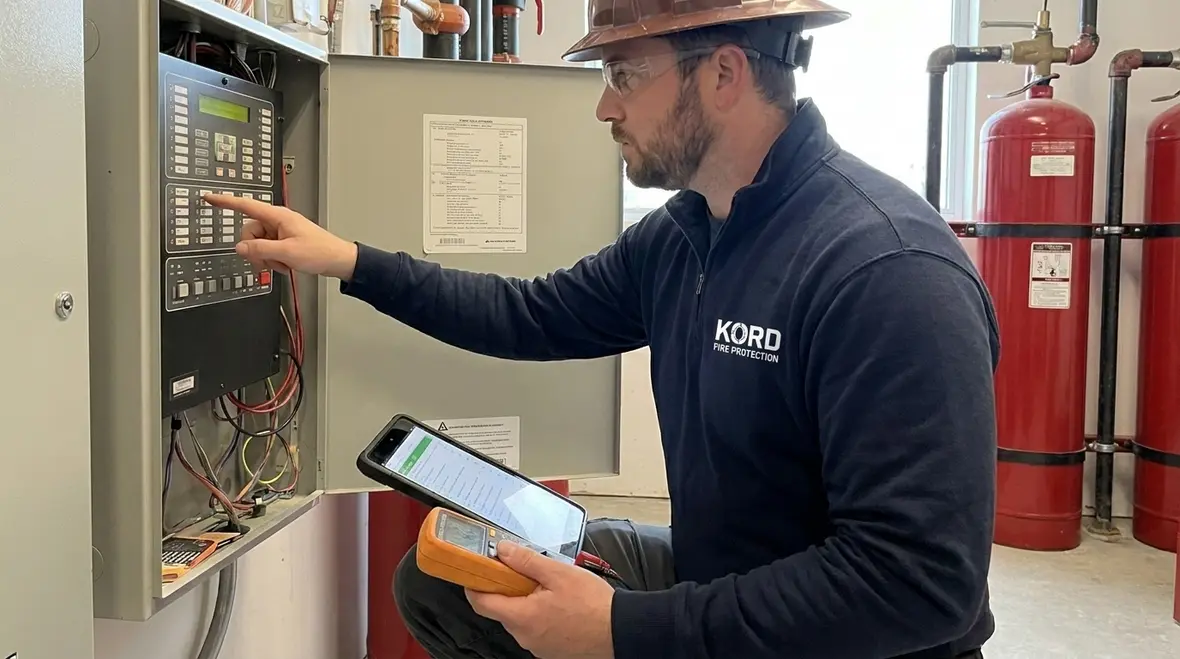
For many technicians, that practical mindset matters just as much as raw study hours. Reading a chapter is useful, but understanding how a system behaves when something is off is what separates “I saw that once in a binder” from “I know exactly why this matters.” Kord Fire Protection technicians approach Level 2 with that real world lens because field work has a way of exposing weak understanding very quickly.

Experience requirements and how technicians prove them
NICET Level 2 experience usually requires documented time performing work that aligns with the specific track. Therefore, candidates should plan their paperwork early and keep records while the work is fresh. Kord Fire Protection technicians often stress this point: do not wait until the end to reconstruct dates, job types, and responsibilities.
Typically, acceptable experience involves hands on tasks related to fire protection systems, such as support for design changes, installation verification, testing support, and inspection activities. Moreover, NICET looks for experience that shows progression, not just repeated routine work. If a technician only does one narrow task, they may struggle to show broader competence.
In practice, strong applicants do three things. First, they track projects and duties in a simple log. Second, they ask supervisors to sign off on responsibilities they truly performed. Third, they learn how to explain their role in a calm, factual way. Because when the exam arrives, confidence comes from clarity, not wishful thinking.
What good documentation actually looks like
A good experience log does not need to be fancy. It needs to be accurate. Candidates should note dates, site locations, system types, responsibilities performed, and whether the task involved inspection, testing, troubleshooting, installation verification, or another relevant activity. If that sounds boring, that is because it is. It is also wildly useful when application time arrives and no one wants to play detective with old calendar invites.
Candidates who already work around testing and inspection often benefit from reading related Kord Fire content that connects standards to field expectations. Articles such as Fire Pump Testing Requirements – Things To Know and Routine Fire Pump Inspections and Their Importance help reinforce how structured documentation and repeatable procedures support real compliance work.
Exam structure, question style, and what to study
The exam experience can vary by track, but most NICET Level 2 tests lean toward applied knowledge. That means questions usually connect concepts to outcomes, like what happens when a system component fails a test, or how a scenario changes when equipment specs do not match the plan.
To prepare, candidates should study in layers. Start with fundamentals of system operation and code based principles. Then shift to topic focused review for the most common exam areas. Finally, use practice questions and timed review so candidates train their thinking under pressure.
Kord Fire Protection technicians add a helpful warning. They say applicants should not just read and move on. Instead, they should mark where they understand “why,” not only where they can repeat “what.” After all, the exam does not reward guesswork. It rewards correct reasoning.
That is why scenario based review works so well. A candidate should look at a condition, identify the likely issue, connect it to system behavior, and decide what matters next. That chain of thought shows up over and over in the field. It also shows up on tests in ways that punish shallow memorization with surprising efficiency.

Passing expectations and the real timeline for preparation
Some people rush and others overplan. Both approaches can backfire. A practical timeline helps candidates study consistently and build confidence. For many technicians, an effective plan looks like this: review basics first, then schedule focused study blocks each week, and finally do practice tests in the last stretch.
Also, candidates should treat the exam date like a jobsite appointment. They confirm travel time, gather needed materials, and stay organized. That is not dramatic. It is smart. And if someone thinks organization is optional, they may also think smoke detectors run on vibes.
When people fail, the reason is often not effort. It is usually gaps in applied understanding, weak documentation habits, or last minute studying that never sticks. Therefore, candidates should aim to build a steady base, not a frantic cram pile.
A realistic prep rhythm that actually works
A strong routine usually balances review, practice, and correction. One study block can focus on fundamentals. Another can focus on weak areas identified through questions. The final piece is revisiting missed items until the reasoning becomes natural. That may not sound glamorous, but neither does reliable fire protection, and yet here we are building careers around it.
Dual column guide: experience and exam readiness checkpoints
Below is a simple set of checkpoints used by Kord Fire Protection technicians to reduce surprises. Candidates can use it as a self audit before they register for anything.
Experience readiness
- Job log covers dates, tasks, and system types
- Supervisor verification matches actual duties
- Work includes hands on exposure to testing or inspection support
- Candidate can explain responsibilities clearly
Exam readiness
- Candidate understands system operation steps
- Candidate reviews code based requirements by topic
- Candidate practices with time limits
- Candidate reviews mistakes and fixes weak areas
How Kord Fire Protection technicians coach candidates step by step
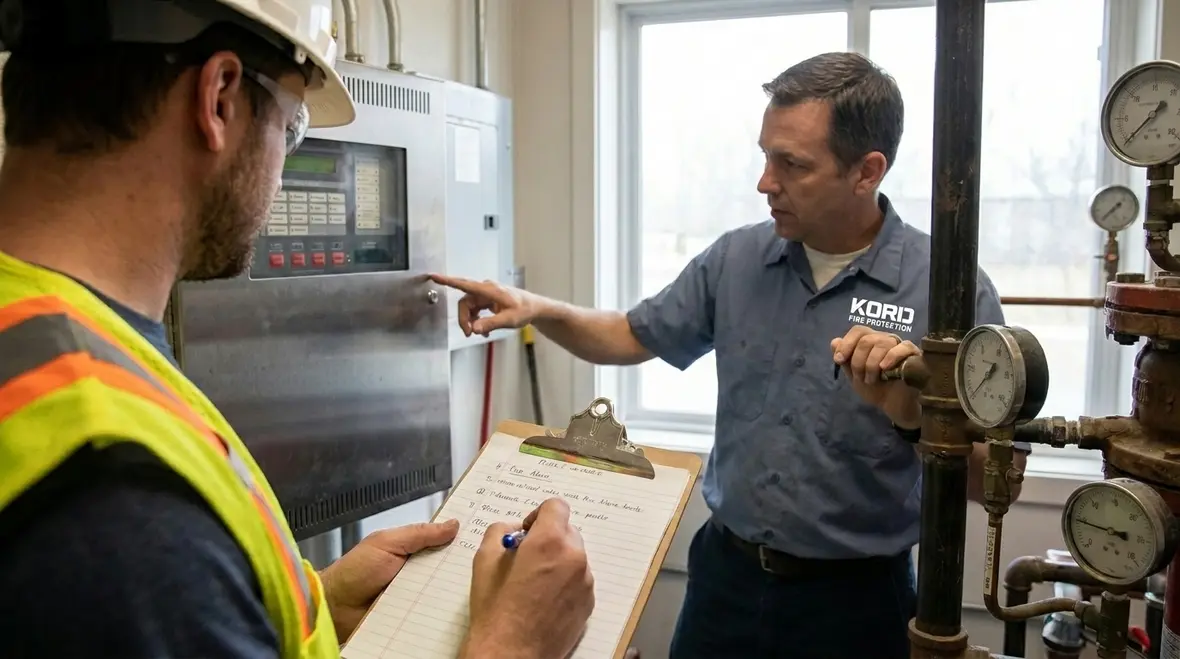
Kord Fire Protection technicians explain that the best prep starts with honesty. If a candidate feels shaky on core system behavior, they should start there. Then they should connect each study session to the real work they perform. That way, reading becomes training, not just information soaking.
They also recommend a “teach it back” method. After studying one topic, the candidate should explain it out loud in simple terms. For example, they can describe how a component test ties to system reliability and what an inspector should look for next. This approach reveals gaps quickly, like turning on the lights in a room where someone hid the answer key.
Finally, candidates should plan how they handle exam day. They should avoid last minute chaos, check what the testing process requires, and arrive calm. Fire protection work rewards focus, and the exam tests that same discipline.
That step by step coaching style mirrors how Kord Fire Protection approaches technical service work as well. Content like Fire Pump Testing and Certification Process Explained and NFPA 20 Overview: Fire Pump Design, Installation & Compliance shows the same pattern: understand the system, follow the process, and document what matters.
Why NICET Level 2 fits career growth for fire protection technicians
When technicians earn NICET Level 2, they do not just add a credential. They build credibility and stronger problem solving skills. Employers often value that because certified technicians tend to approach system decisions with more structure and less guesswork.
Moreover, NICET Level 2 supports better communication with project teams. A certified technician can read plans, explain requirements, and coordinate verification work more clearly. That reduces rework and keeps projects moving. And if anyone wants a pop culture analogy, it is like leveling up in a game, but instead of hitting buttons, candidates learn standards and apply them correctly.
It also helps technicians think beyond a single task. A stronger understanding of how systems connect can improve inspections, communication with supervisors, and decision making on active sites. That broader view is often what turns a dependable helper into a technician people trust when details matter most.
FAQ about NICET Level 2 requirements
Ready to move forward with NICET Level 2?
NICET Level 2 can become clear, not confusing, when candidates prepare with a plan that matches real field work. Kord Fire Protection technicians recommend building experience records early, studying by applied topics, and using timed practice to sharpen decision making. If candidates want help mapping their experience to the right track and building a steady study route, they should reach out now to Kord Fire Protection for guidance and next steps.
Need a stronger connection between certification goals and real field service?
Explore Kord Fire Protection’s full fire protection services to see how inspection, testing, maintenance, and compliance work come together in the field. It is a practical next step for candidates who want their study path tied to actual fire protection operations.

Join Our Newsletter!
Get the latest fire safety tips delivered straight to your inbox From our Newsletter.