NICET Level 4 Difference: Judgment, Documentation, Code Intent
What separates NICET Level 4 from lower certification levels starts with one simple idea: it expects more than “can install” or “can follow a checklist.” The Nicet lvl 4 difference shows up in how technicians think, document, and take responsibility for system performance under real jobsite pressure. Level 4 pushes candidates to prove they can handle complex scenarios, higher risk conditions, and more decision making that happens after the tools stop talking and the paperwork starts. Kord Fire Protection technicians often explain it this way: lower levels get you in the game; Level 4 helps you call the plays. And yes, that means less guessing and more engineering minded judgment, even when the fire alarm panel is doing its best impression of a haunted TV remote.
1) NICET Level 4 focuses on judgment, not just basics
In many trades, early certification levels prove competence with core tasks. However, NICET Level 4 expects something more. Technicians must show they can interpret requirements and apply them to varied site conditions. That includes understanding how system components work together, not only how they work alone. Also, Level 4 emphasizes practical decision making during design, layout, and documentation.
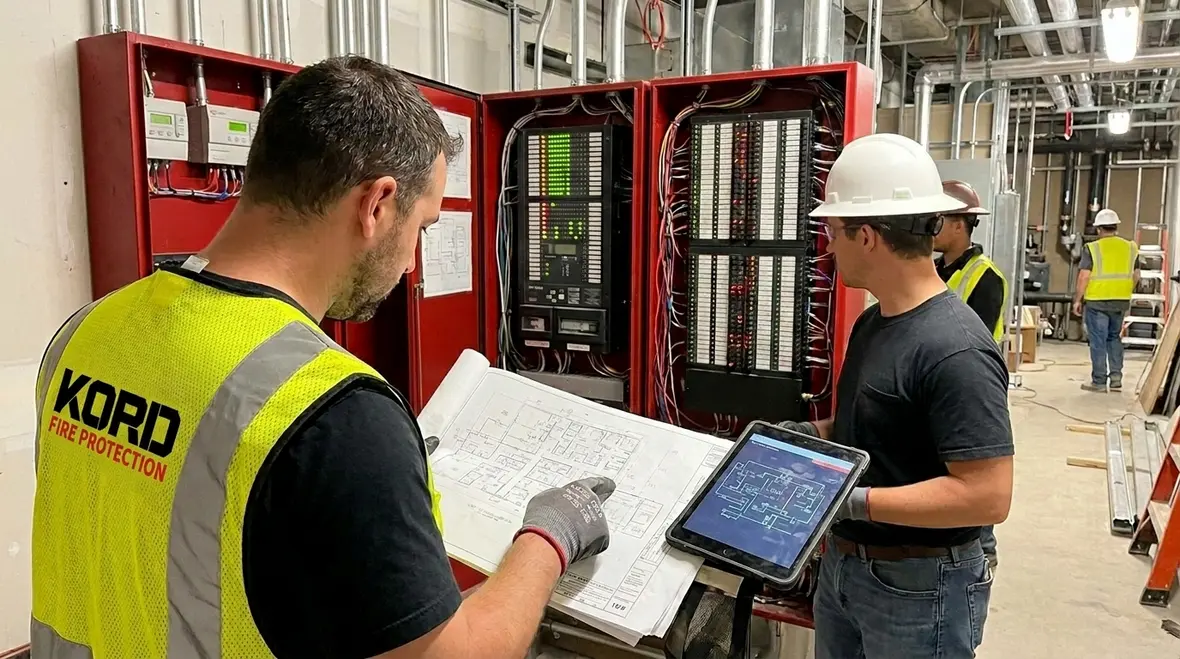
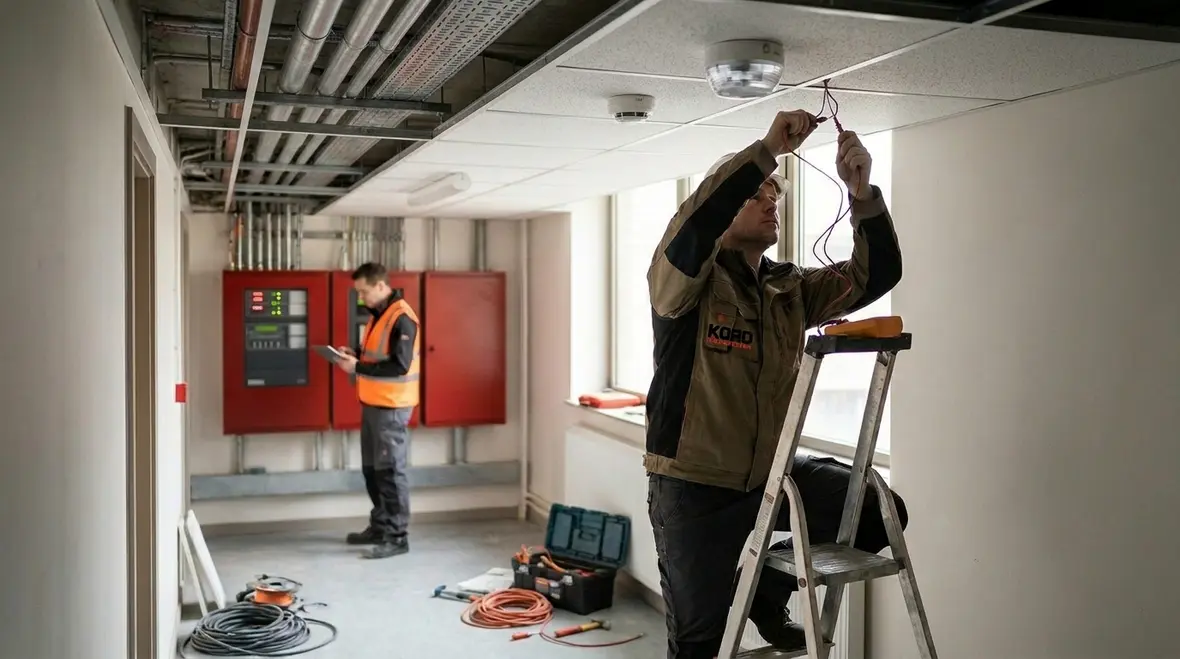
For Kord Fire Protection technicians, this difference shows up during job walk discussions. A lower level tech might ask where a device goes. A Level 4 tech asks how that placement affects coverage, code intent, device coordination, and long term serviceability. Then they translate that reasoning into clear submittals and record keeping. That is the heart of the Nicet lvl 4 difference: confidence built on evidence.
That jump matters because field conditions rarely stay neat for long. Once walls shift, ceilings change, or equipment schedules get revised, the technician who only knows the rulebook can stall out fast. The one who understands the reasoning behind the rule can adjust, communicate, and keep the job moving without turning every change into a full blown mystery novel. That kind of judgment is what gives Level 4 its reputation.
Why that mindset changes everything
A technician working at this level is not just reacting to what is in front of them. They are evaluating consequences. They are asking whether a layout will remain serviceable two years from now, whether documentation will still make sense to the next technician, and whether a decision that seems fine today could create confusion at inspection time. In other words, Level 4 rewards people who think past the immediate task and toward the full life of the system.
2) Documentation depth sets Level 4 apart
Once the system leaves the staging area, the paperwork becomes the safety net. Therefore, NICET Level 4 tends to demand more thorough documentation than lower levels. Technicians at this level prepare materials that support compliance and future troubleshooting. They also need to maintain consistency across calculations, installation details, and system descriptions.
Lower certifications often cover “what to do.” Level 4 covers “how to prove you did it correctly.” Kord Fire Protection technicians explain that clients and inspectors do not only want functioning equipment. They want a trail that shows why the design and installation choices make sense. In other words, Level 4 builds documents that hold up under pressure, like a good lock on a storm door.

Good records are part of the protection strategy
This is where a lot of people realize Level 4 is not glamorous in the movie montage sense. There is no dramatic slow motion scene of a perfectly labeled submittal landing on a desk while heroic music plays. But in the real world, complete records save time, reduce disputes, and make future service far more effective. When a system needs inspection, repair, modification, or explanation, strong documentation keeps everyone from solving the same puzzle over and over again.
That is one reason Kord Fire Protection places such a strong value on clear reporting and organized service history. Their broader full fire protection services approach reflects the idea that compliance is not just about installation day. It is about making the system understandable, testable, and dependable long after turnover.
3) Complex layouts and system interactions become daily work
As job sites get more complicated, fire protection design stops being a straight line. Corridors curve, ceilings change, equipment rooms crowd together, and rooms share ventilation effects. Consequently, lower certification levels may address common scenarios. Level 4 expects candidates to handle edge cases and understand how different system parts impact each other.
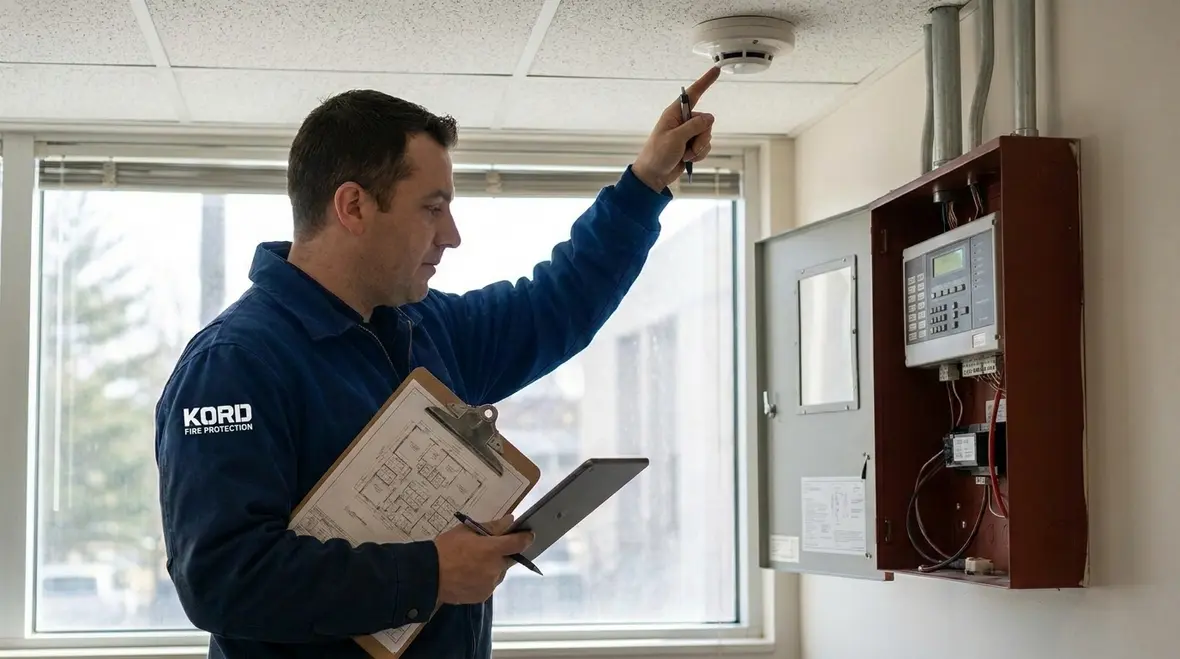
Kord Fire Protection technicians commonly see this during plan review and troubleshooting. For example, a single change in spacing rules can shift device coverage and affect notification assumptions. In a different scenario, the location of initiating devices can influence how a system identifies and reports events. Level 4 prepares technicians to connect those dots quickly and correctly, even when the site conditions try to keep things messy.
This is also why complex facilities tend to benefit from technicians who can think in layers. They are not just considering one detector, one circuit, or one room. They are evaluating how occupancy, device selection, wiring pathways, testing access, and future service all affect each other. It is system thinking, not isolated task thinking, and that is a major piece of the Level 4 leap.
When complexity stops being theoretical
On paper, every layout can look clean. In the field, reality likes to improvise. A duct lands where no one wanted it, an access panel disappears, or a renovation changes how a space is used. Level 4 technicians are expected to sort out those situations without losing the thread of code intent or long term performance. That ability is what turns a stressful jobsite moment into a manageable one.
4) Code interpretation demands a higher level of confidence
Most people can read code. Fewer people can interpret it in a way that leads to a clean, buildable plan. NICET Level 4 leans into that higher bar. Technicians must apply code intent, resolve conflicts in requirements, and explain decisions using the logic behind the rules.
Transitioning from “I followed the requirement” to “I chose the best compliant path” is where growth happens. Kord Fire Protection technicians often say Level 4 is less like memorizing lines from a movie and more like understanding the plot. You can quote the script, but that does not mean you know why the hero survives. Level 4 proves the why, not just the what.
That kind of confidence matters in meetings with inspectors, contractors, engineers, and facility teams. A Level 4 technician should be able to explain the reasoning behind a layout choice in plain language, defend it when needed, and revise it intelligently if conditions change. The goal is not stubbornness. The goal is clarity backed by sound judgment.
5) Experience requirements build competence under real pressure
Certification only matters because it tracks experience and demonstrated knowledge. Level 4 typically requires more advanced field exposure and proven responsibilities. That means the candidate has likely handled more stages of a project and worked through more types of issues.
Because of that, Level 4 often includes learning how to manage change. Plans shift, materials substitute, and schedules compress. In those moments, the right decision depends on system logic, documentation accuracy, and code alignment. Kord Fire Protection technicians emphasize that a Level 4 mindset protects the final outcome when surprises land. And surprise will land, like a pop quiz from a professor who clearly enjoys chaos.
Pressure reveals the real skill set
Anyone can look polished when everything goes according to plan. The difference shows when timelines tighten, coordination gets messy, and unexpected conditions pop up right before inspection. Level 4 technicians are expected to stay organized, communicate clearly, and make decisions that still protect system integrity. That is not a bonus skill. That is the job.
6) How NICET Level 4 training helps technicians serve customers better
It is easy to focus only on exams. However, Level 4 affects daily work with customers, inspectors, and contractors. Technicians spend more time clarifying system behavior, reviewing records, and reducing confusion across teams.
For example, a Level 4 tech may help a facility team understand what a panel report means, and what actions follow after a test. They also tend to improve communication during service calls by linking symptoms to documented design intent. That reduces repeat visits and prevents “we guessed” troubleshooting, which is basically the HVAC equivalent of throwing darts while blindfolded.
In short, the Nicet lvl 4 difference shows up as better support, clearer records, and fewer avoidable problems. That is especially valuable for property owners who depend on ongoing fire alarm services to keep systems reliable, understandable, and ready for inspection.
Dual column comparison: what you typically see by certification level
Lower NICET levels
- Strong focus on core tasks
- More direct guidance and simpler scenarios
- Documentation may be lighter and more task based
- Decision making often stays within narrow rules
NICET Level 4
- Strong focus on judgment and system thinking
- More complex layouts and interactions
- Documentation supports compliance and long term service
- Technicians explain choices with code intent

FAQ: quick answers for featured snippets
Conclusion: take the next step with a plan
NICET Level 4 stands apart because it builds judgment, strengthens documentation, and prepares technicians for complex system behavior. If a facility team wants safer installs and cleaner records, Level 4 supports that goal. Kord Fire Protection technicians see it every day: when techs think like system owners, projects run smoother and issues get handled faster.
If you are ready to level up, review your current path, map out the requirements, and start building the experience and documentation habits that NICET Level 4 demands today. If your facility also needs expert support with inspections, monitoring, repairs, or upgrades, explore Kord Fire Protection’s fire alarm services and take the next step with a team that values clear records, code aligned work, and dependable performance.

Join Our Newsletter!
Get the latest fire safety tips delivered straight to your inbox From our Newsletter.