NFPA 52 Section 25.4: LNG Engine Fuel Systems on Vehicles
Quick Answer: NFPA 52 Section 25.4 sets design, installation, and maintenance requirements for LNG engine fuel systems on vehicles. The provisions focus on preventing leaks, controlling ignition sources, protecting fuel lines and components, and ensuring systems remain safe through operation and inspections.
For broader LNG vehicle fueling context, see NFPA 52 Section 16.5 vehicle requirements at LNG fueling sites, which pairs naturally with the onboard fuel system controls covered here.
What NFPA 52 Section 25.4 Requires for LNG Engine Fuel Systems on Vehicles
NFPA 52 LNG engine fuel system requirements under Section 25.4 apply when liquefied natural gas is used to fuel vehicle engines. In practice, compliance depends on more than initial equipment selection. Facilities must confirm that the fuel system components, routing, protection methods, shutdown logic, and inspection and maintenance routines stay aligned with the standard over the vehicle lifecycle.
For commercial operators, the most common compliance gaps appear during vehicle uptime cycles: fuel line damage after service, improper fitting torque during component replacement, undocumented maintenance, and incomplete verification of relief and venting pathways. These issues can undermine the risk controls Section 25.4 is designed to preserve.
System Design and Installation Controls That Drive Safety
Section 25.4 emphasizes engineered safeguards that reduce the likelihood of LNG release and limit consequences if a release occurs. From a facility and inspection standpoint, compliance starts at the configuration level, including how components connect to the vehicle engine, how the system routes fuel lines, and how the system prevents ignition and heat exposure.
Fuel containment, line routing, and protection
Fuel lines and associated fittings must be installed to resist mechanical damage. Vehicles experience vibration, impact, and thermal cycling. Safety depends on routing that limits chafe points and locations where debris or road hazards could compromise components. Protective measures should account for abrasion, corrosion, and fatigue failure over time.
Valves, regulators, and system boundaries
Engine fuel systems typically include isolation valves, regulators or pressure control devices, and components that establish safe operating pressure ranges. Section 25.4 expectations typically require that components maintain function through operating conditions, including proper seating, secure connections, and stable pressure regulation.
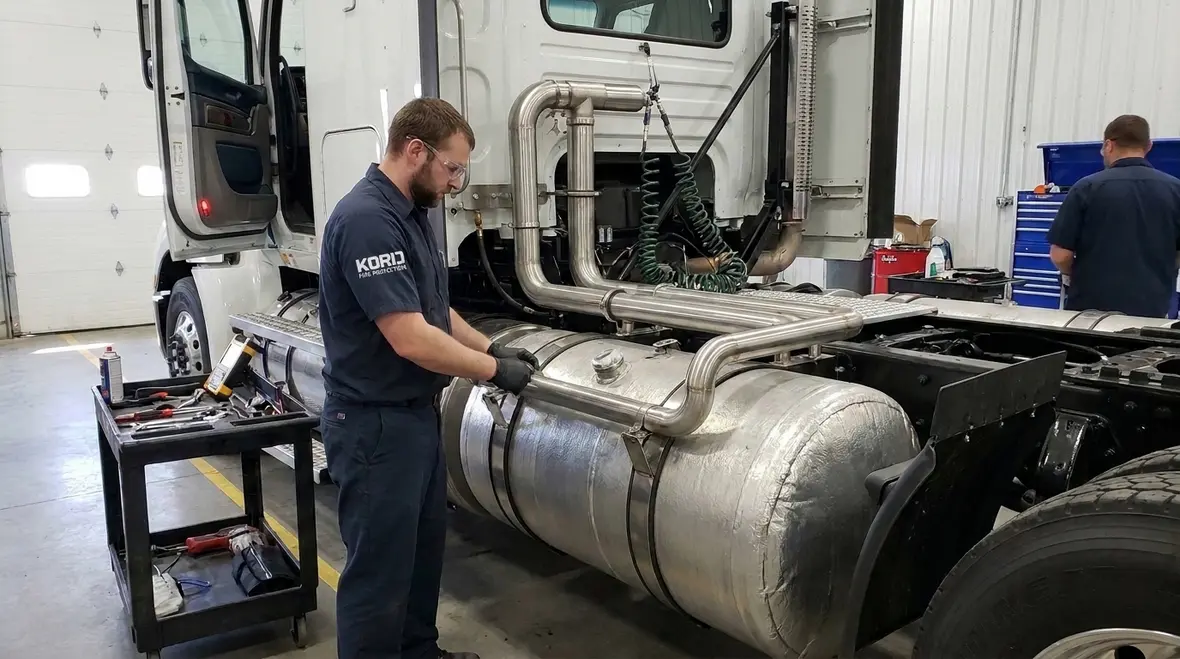
Operationally, facilities should confirm that replacement parts match manufacturer listings and that technicians perform correct installation sequences. A common failure mode is reassembly that allows seepage at a fitting, which can escalate into a larger release under vibration.
Pressure relief and venting concepts
Where relief devices operate, the system must manage discharge safely. Relief and vent pathways must be arranged to reduce the probability of igniting released gas and to avoid directing flow toward hot surfaces, occupied areas, or confined spaces. Facility managers often miss this in the real world when vehicles are serviced near doors, loading docks, or equipment that creates ignition risk.
Operational Procedures and Verification During Vehicle Use
Compliance is not only a design issue. Section 25.4 requirements are supported by operational practices that verify system condition before and during normal use. Commercial facilities should build procedures that match how vehicles are actually handled, fueled, repaired, and stored.
Pre use checks and leak risk management
Vehicles should receive consistent pre use checks that look for signs of fuel leakage, damaged protective housings, abnormal behavior in regulators or valves, and indications of improper pressure control. Leak detection should reflect the realities of LNG systems. Because LNG is extremely cold, improper handling and thermal stress can damage components and create conditions that worsen over time.
Hot work and ignition control around LNG vehicles
Facilities that perform welding, grinding, or other hot work near LNG vehicles must treat LNG systems as a high consequence exposure. Even when vehicles appear stable, ignition control includes managing ignition sources and controlling access so that any released gas does not encounter effective ignition. Policies should include where vehicles can be positioned during service activities and how hot work permits address LNG risk.
Fueling and storage area alignment
Although Section 25.4 targets vehicle fuel systems, facility safety still depends on how vehicles are staged and stored. A mismatch between vehicle positioning and the facility’s gas detection, ventilation assumptions, and emergency planning can create unacceptable risk. To strengthen overall compliance and coordination, facilities should align vehicle operations with the broader LNG safety requirements referenced in relevant NFPA guidance and local fire code enforcement expectations.
If your facility needs a structured compliance approach, Kord Fire Protection supports ongoing inspections, impairment tracking, and safety testing coordination for commercial and industrial environments. For related guidance on managing fire safety readiness across equipment and facilities, refer to Kord Fire Protection services.
Inspection, Testing, and Maintenance: Where Compliance Often Breaks
Section 25.4 drives a maintenance mindset. LNG engine fuel systems operate in a demanding environment, and small deviations can defeat the engineering safeguards that keep the system safe. The highest value compliance work concentrates on documentation, verification, and repeatable quality control.
Inspection focus areas for technicians and facility fire safety teams
- Fittings and connections: Confirm correct assembly, secure torque, and gasket or seal integrity when components are replaced.
- Fuel line condition: Look for abrasion, corrosion, impact damage, and evidence of cryogenic stress on materials and protective coverings.
- Valves and pressure control components: Verify that isolation and pressure regulation functions operate as intended.
- Relief and vent discharge pathways: Confirm discharge routing remains clear and free from obstruction or rerouting after repairs.
Common failure points discovered during audits
During commercial compliance reviews, Kord Fire Protection frequently observes repeat issues that undermine NFPA 52 LNG engine fuel system requirements:
- Replacement parts that do not match approved configurations, creating unverified performance.
- Improper line routing after service, increasing chafe and vibration loads.
- Incomplete relief pathway verification after component swaps.
- Lack of evidence that leak checks occurred after maintenance, especially following seal replacements.
Recordkeeping and impairment tracking
Facilities that operate LNG fueled vehicles should maintain maintenance logs that link work orders to inspection outcomes. Records should show what was inspected, what was repaired or replaced, and whether the system passed verification checks. When a compliance finding relates to history rather than immediate condition, strong records reduce downtime and prevent repeat events.
Commercial Compliance Challenges: Practical Considerations for Retail, Industrial, and Fleet Sites
NFPA 52 Section 25.4 requirements interface with real facility constraints. A retail site with limited service bay space, an industrial plant with frequent maintenance cycles, and a fleet operation with high vehicle turnover each face distinct risk management challenges.
Vehicle staging and traffic control
Vehicles must be staged to limit exposure to ignition sources and to maintain access for emergency response. Poor traffic flow can place a LNG fueled vehicle near equipment that creates ignition risk, and it can also delay evacuation routes.
Training and competency for maintenance personnel
Maintenance technicians require training that includes safe handling concepts for LNG, correct component replacement practices, and verification steps after work is completed. Facilities should ensure that training reflects the specific vehicle fuel system designs present on site.
Coordination with fire protection and safety testing
Compliance outcomes improve when fire protection teams support a single, coordinated safety program rather than relying on ad hoc checks. Kord Fire Protection can help align documentation, inspection schedules, and impairment reporting across the safety ecosystem so that NFPA 52 LNG engine fuel system requirements are met as part of an ongoing program.
Frequently Asked Questions
Conclusion and Call to Action
NFPA 52 Section 25.4 compliance depends on disciplined installation integrity, verified operation, and maintenance that proves system safety over time. Facility leaders should audit vehicle fueling and service practices, tighten documentation, and ensure relief and vent pathways remain correct after repairs. Kord Fire Protection can support ongoing inspections, testing coordination, and compliance program management to help commercial sites meet NFPA 52 LNG engine fuel system requirements with confidence.

Join Our Newsletter!
Get the latest fire safety tips delivered straight to your inbox From our Newsletter.