
NFPA 40 Section 1.1 Scope: What Cellulose Nitrate Film Storage and Handling the Standard Covers
Quick Answer
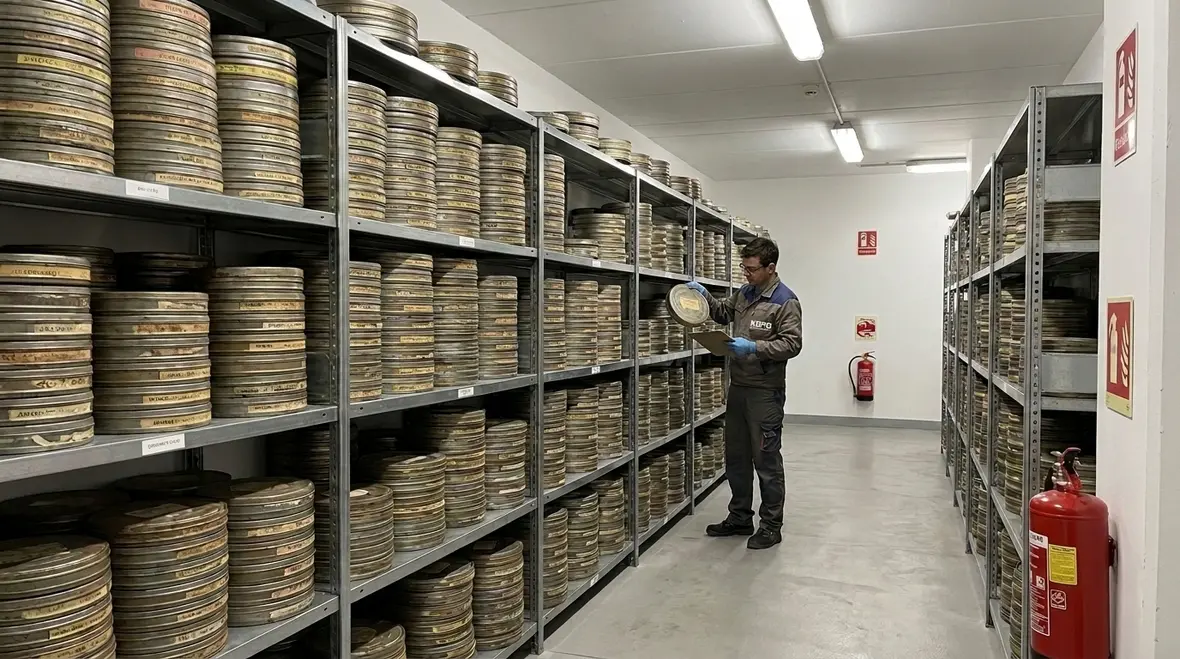
NFPA 40 Section 1.1 defines when the standard applies to cellulose nitrate film storage and handling. It covers facilities, processes, and practices where nitrate film presents fire and explosion hazards. The scope also sets expectations for safe design, protection features, and operational controls tied to nitrate film risk.
If you are reviewing how inspection schedules and maintenance programs fit into broader compliance work, inspection, testing, and maintenance fire protection guidance helps connect day to day readiness with the code driven demands that nitrate film hazards can create.
Why NFPA 40 scope matters for commercial compliance
Commercial facilities that store or handle cellulose nitrate film must align day to day operations with a recognized safety framework. NFPA 40 scope cellulose nitrate film storage handling is not just a definition exercise. It determines what parts of the facility and what activities fall under the standard, which drives inspections, maintenance plans, documentation, and staff training.
In practice, teams often discover too late that “we only store small amounts” or “we only move film occasionally” still triggers compliance expectations. Section 1.1 scope is the starting point that clarifies coverage for storage arrangements, handling practices, and facility controls based on the properties and hazards of nitrate film.
What NFPA 40 Section 1.1 scope covers
NFPA 40 Section 1.1 establishes the application of the standard to activities involving cellulose nitrate film. The scope framing is critical for fire prevention planning because nitrate film is both highly combustible and capable of releasing hazardous decomposition products when it is exposed to fire conditions.
Although organizations often treat Section 1.1 as a quick reference, compliance teams should treat it as a boundary map. It influences:
- Which buildings, rooms, or areas are treated as nitrate film storage spaces.
- Which handling tasks require controlled procedures and protective safeguards.
- Which inspection, maintenance, and operational requirements apply in daily workflows.
- How risk reviews and recordkeeping are performed for nitrate film conditions.
From a commercial facility perspective, this scope drives the operational model for film custodians, fire protection contractors, and facility engineering staff. It also affects how internal audits coordinate with local fire code adoption.
How cellulose nitrate film storage and handling typically fall within coverage
Even when a facility believes it is “low volume,” the standard scope can still apply because the hazard is material specific. Under NFPA 40 scope cellulose nitrate film storage handling, coverage is determined by the presence and management of nitrate film, not by the facility’s convenience or operational assumptions.
Storage areas
Storage coverage commonly includes rooms or enclosures where nitrate film is kept for preservation, distribution preparation, or inventory management. Compliance teams should confirm that storage practices address both the storage condition and the physical arrangement, since heat exposure, ventilation approach, and storage density can influence hazard outcomes.
Handling activities
Handling coverage typically includes activities where film is moved, packaged, inspected, repaired, or staged for transfer. This is where operational discipline matters most. Common failure points include:
- Improvised staging during receiving or distribution, which can create transient high load conditions.
- Inconsistent segregation of film by condition or hazard category.
- Work practices that increase ignition sources, friction, or contamination of damaged film.
- Breaks in documentation between custodial checks and fire protection system maintenance cycles.
In many commercial and retail environments, handling tasks are spread across multiple staff roles. That increases the need for clear written procedures and verification that training matches real workflows.
Operational compliance challenges facilities should plan for
Section 1.1 scope often becomes a practical problem when the organization must translate “standard applies” into operational controls. Fire protection and safety teams should plan for the following commercial realities.
Condition monitoring and inspection alignment
Cellulose nitrate film can degrade over time. Scope coverage expects facility controls that support safe handling based on film condition. A common gap occurs when condition observations exist, but they do not connect to fire safety actions, segregations, or maintenance workflows.
Maintenance of protective systems and inspection records
Facilities frequently have fire protection systems and testing schedules, but the schedules are not synchronized to nitrate film operations. When testing windows overlap handling activities without coordination, organizations can end up with incomplete documentation, delayed corrective actions, or ad hoc compensatory measures.
To prevent this, organizations benefit from structured service plans that include inspection review, impairment tracking, and closeout verification tied to nitrate film storage and handling operations.
Employee training and procedural control
Scope coverage is only effective if staff practices match the standard’s intent. Training should reflect both storage and handling realities, including how staff behaves during:
- Receiving and inspection of film inventory
- Repackaging, staging, and transport within the facility
- Identification and escalation of damaged film conditions
- Use of approved containers, transport pathways, and controlled work areas
Equipment, procedures, and common failure points tied to scope
When NFPA 40 scope cellulose nitrate film storage handling applies, the facility should avoid reliance on generic fire safety procedures that assume all combustibles behave similarly. The nitrate film hazard profile is unique, so the operational controls must be specific.
Containers, storage configurations, and segregation
Operational failures often start with container selection and storage configurations. Containers and storage layouts should support safe segregation, consistent handling, and rapid identification of film condition categories. If the facility uses multiple storage zones, teams must ensure controlled movement paths and prevent cross contamination between intact and damaged film.
Housekeeping and ignition source control
Cellulose nitrate film environments require tight housekeeping. A typical failure point is buildup of combustible debris near staging and doorways, which can increase fire growth rates. Another is inconsistent control of ignition sources during handling tasks, especially during maintenance activities or film inspection workflows that introduce heat, friction, or electrical risk.
Documented procedures and corrective action discipline
Scope compliance depends on measurable follow through. Facilities should expect inspection checklists, deficiency tracking, and corrective action verification that connect directly to nitrate film safety. When corrective actions remain incomplete or unverified, the scope protections degrade over time.
Kord Fire Protection supports organizations with practical compliance planning, inspection readiness, and ongoing maintenance support. That partnership helps commercial facilities manage risk not only during inspections, but throughout the year.
For broader support options, explore full fire protection services for inspection, maintenance, repairs, and coordinated compliance support.
How to use NFPA 40 Section 1.1 scope in your facility readiness plan
Facilities can convert Section 1.1 scope into a working readiness process. The goal is to ensure the standard applies where it should and that operational controls exist where the hazard is most active.
Recommended readiness steps
- Map coverage boundaries: Identify all storage and handling areas where nitrate film is present or staged.
- Inventory handling tasks: Document receiving, inspection, staging, repackaging, movement, and any repair or sorting activities.
- Align maintenance and inspection schedules: Ensure fire protection system inspections and testing do not conflict with active handling workflows.
- Verify training against real tasks: Confirm procedures reflect actual staffing patterns and daily movement of film.
- Close gaps with corrective actions: Track deficiencies to completion with evidence tied to nitrate film safety outcomes.
Where commercial teams often need extra support
Organizations typically need help when facility documentation is fragmented across engineering, security, and operations, or when film handling processes change without updating fire safety procedures. A consistent, service supported approach helps maintain continuity from training and audits to inspection and maintenance records.
Facilities dealing with entertainment or production related hazards may also find useful context in NFPA 13 Section 27.9 special sprinkler requirements for cellulose nitrate film, especially when storage scope questions overlap with protection system planning.
Frequently Asked Questions
Conclusion and call to action
NFPA 40 Section 1.1 scope cellulose nitrate film storage handling clarifies when the standard applies to your storage and daily handling operations. The practical work comes next: map coverage, control handling tasks, and align inspections, maintenance, and training to nitrate film risk. Contact Kord Fire Protection to support your compliance planning, inspection readiness, and ongoing maintenance so your facility stays protected beyond the first audit.

Join Our Newsletter!
Get the latest fire safety tips delivered straight to your inbox From our Newsletter.



