
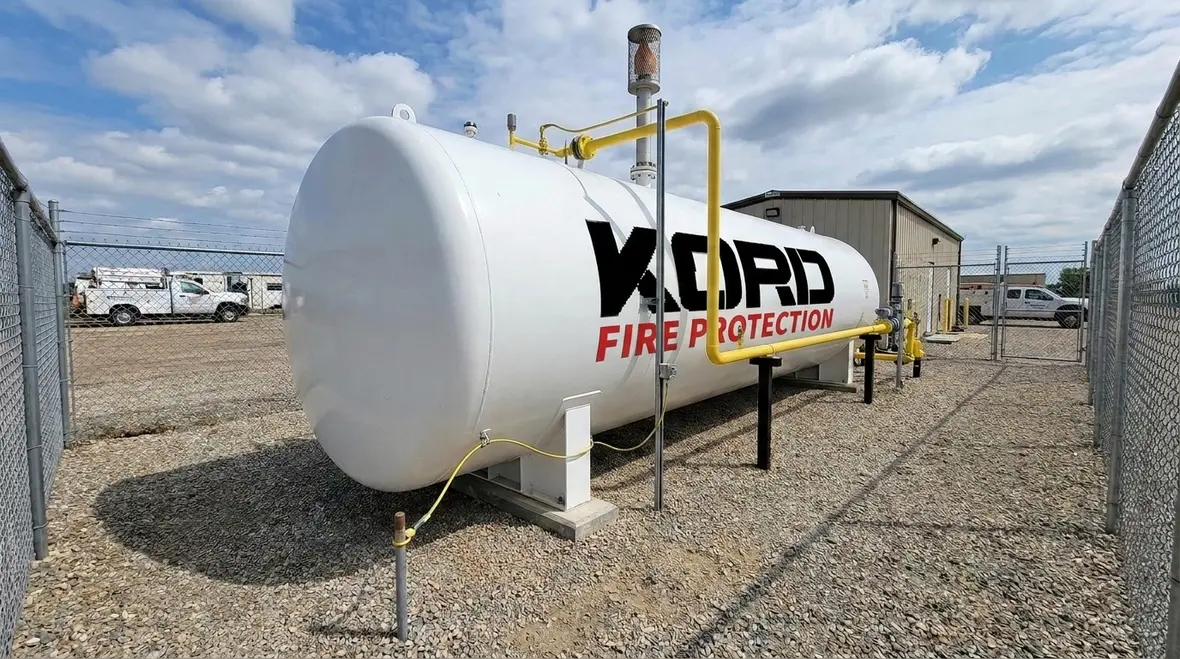
NFPA 37 Section 6.2: Installation Criteria for Class I Fuel Tanks
Quick Answer: NFPA 37 Section 6.2 sets the installation requirements that help prevent ignition hazards from Class I fuel tanks. Compliance focuses on siting, separation distances, electrical bonding and grounding, venting, and protection features that maintain safe operation through installation, inspection, and service.
For practical support related to grounding checks and electrical continuity on commercial sites, it also helps to review grounding and bonding for commercial electrical safety alongside tank installation planning.
What NFPA 37 Section 6.2 Requires for Class I Fuel Tanks
NFPA 37 Section 6.2 addresses the installation criteria that reduce the likelihood of fire and explosion involving Class I fuel tanks. For facilities planning tank installation, upgrades, or replacement, the NFPA 37 Class I fuel tank installation criteria function as a baseline compliance framework that integrates site layout, tank appurtenances, and operating conditions.
In commercial environments such as industrial fuel rooms, retail fueling properties, and manufacturing sites, installations often fail compliance checks not because the tank itself is incorrect, but because supporting systems are mismatched. Common examples include improper routing of piping, inadequate separation from ignition sources, and incomplete bonding and grounding during commissioning and later maintenance.
Start With the Use Case: Class I Fuel Tank Siting and Hazard Control
Siting drives many downstream compliance outcomes. Under NFPA 37 Section 6.2, installations must account for how flammable vapors behave, where ignition sources could exist, and how operational conditions could change. The goal is to prevent fuel vapors from reaching ignition sources during normal use and during foreseeable abnormal conditions such as hose handling, venting events, and minor leaks.
Operational reality on commercial sites
- Inventory and throughput changes: Higher turnover can increase the frequency of venting and product movement, which elevates vapor exposure risk.
- Concurrent construction and maintenance: Temporary ignition sources, altered ventilation patterns, and modified piping runs create gaps that are often missed during re-inspection.
- Access and maintenance clearance: Installations that do not preserve service space complicate inspection and repair, leading to delayed corrective actions.
Facilities that manage multiple contractors benefit from formal permit-to-work controls and documented as-built drawings. This approach helps maintain the intended hazard profile after installation.
Piping, Connections, and Appurtenances: Where Installers Commonly Miss NFPA 37 Requirements
NFPA 37 Section 6.2 installation criteria extend beyond the tank shell. Most real-world ignition opportunities arise at interfaces. Piping, fittings, couplings, vents, pressure relief, and other appurtenances must support safe operation and limit the release of flammable vapors.
Key compliance checkpoints during installation
- Correct connection alignment: Misalignment introduces stress, increases leak potential, and can compromise seals over time.
- Approved venting arrangement: Vent outlets must be arranged to reduce the chance that vapors travel toward ignition sources.
- Securements and support: Poorly supported piping can shift during thermal cycles and create gaps at joints.
- Thread seal compatibility: Sealants or gaskets that are not compatible with the stored fuel can degrade and leak.
During commissioning, verification must include tightness testing and functional checks of associated components where required by the tank system design. After installation, the facility should maintain a documented inspection schedule to catch developing issues before they become ignition sources.
Electrical Bonding, Grounding, and Ignition Source Management
Flammable vapors combine with electrical energy and ignition sources to create high consequence events. NFPA 37 Class I fuel tank installation criteria typically require proper electrical bonding and grounding practices to reduce static discharge risk and to ensure that fault currents behave predictably.
Common commercial facility failure points
- Bonding continuity not verified: Contractors may install bonding straps but fail to confirm continuity after subsequent maintenance.
- Corrosion and poor contact: Insulation, paint, corrosion at interfaces, and loose hardware can interrupt bonding over time.
- Equipment changes: Adding pumps, meters, heaters, or sensors without updating bonding and grounding documentation can break the original protective design.
Commercial operators should treat bonding and grounding as life cycle assets. That means testing at installation, periodic inspection of connections, and immediate correction of any deterioration observed during walkdowns.
For practical, ongoing support that complements inspection plans, Kord Fire Protection provides commercial fire protection services aligned to compliance needs. For additional context on property risk management and inspection readiness, refer to Kord Fire Protection.
Inspection, Testing, and Maintenance: Keeping the Installation Criteria Valid After Turnover
NFPA 37 Section 6.2 addresses installation criteria, but compliance depends on sustained performance. Many jurisdictions and insurance stakeholders evaluate whether the facility can demonstrate that the installed system remains intact, functional, and maintained.
Maintenance activities that impact compliance
- Valve and hose management: Worn seals, damaged hoses, and improper storage increase leakage probability.
- Vent system integrity: Blocked or misrouted vents can change vapor behavior.
- Coating and corrosion control: Degraded coatings and corrosion can lead to structural issues and bonding failures.
- Repairs and modifications: Unauthorized changes to piping runs, supports, or electrical connections can invalidate the original risk controls.
To reduce operational surprises, facilities should standardize work orders, document parts used, and update as-built drawings after any modification. Kord Fire Protection can support ongoing compliance through inspection and maintenance coordination so the installation continues to meet intent, not just the initial build.
A related read worth reviewing is NFPA 30 Section 24.16: Inspecting and Maintaining Tank Buildings, especially for teams focused on preserving safe conditions after turnover.
How to Prepare for Audits and Enforcement Reviews
When compliance reviews occur, they typically focus on evidence. Facilities that organize documentation and field verification faster reduce delays and cost.
Audit-ready documentation set
- As-built drawings showing tank, piping, venting, and equipment arrangement
- Commissioning test reports, tightness results, and supporting calculations where applicable
- Electrical bonding and grounding test records with dates and locations
- Inspection and maintenance logs for valves, vents, and associated components
- Change management records for any modifications since installation
Auditors often compare current field conditions against the approved design. A strong internal inspection program helps verify that systems remain aligned to the NFPA 37 Class I fuel tank installation criteria after routine facility changes.
Frequently Asked Questions
Call to Action
NFPA 37 compliance for Class I fuel tank installations depends on correct build quality, documented commissioning, and disciplined maintenance. Facilities that want fewer audit findings should confirm siting, appurtenances, bonding and grounding, and ongoing inspection readiness before turnover and after any modification. Contact Kord Fire Protection to support your inspection planning, testing coordination, and maintenance program so your installed system continues to meet NFPA 37 Section 6.2 intent.

Join Our Newsletter!
Get the latest fire safety tips delivered straight to your inbox From our Newsletter.



