
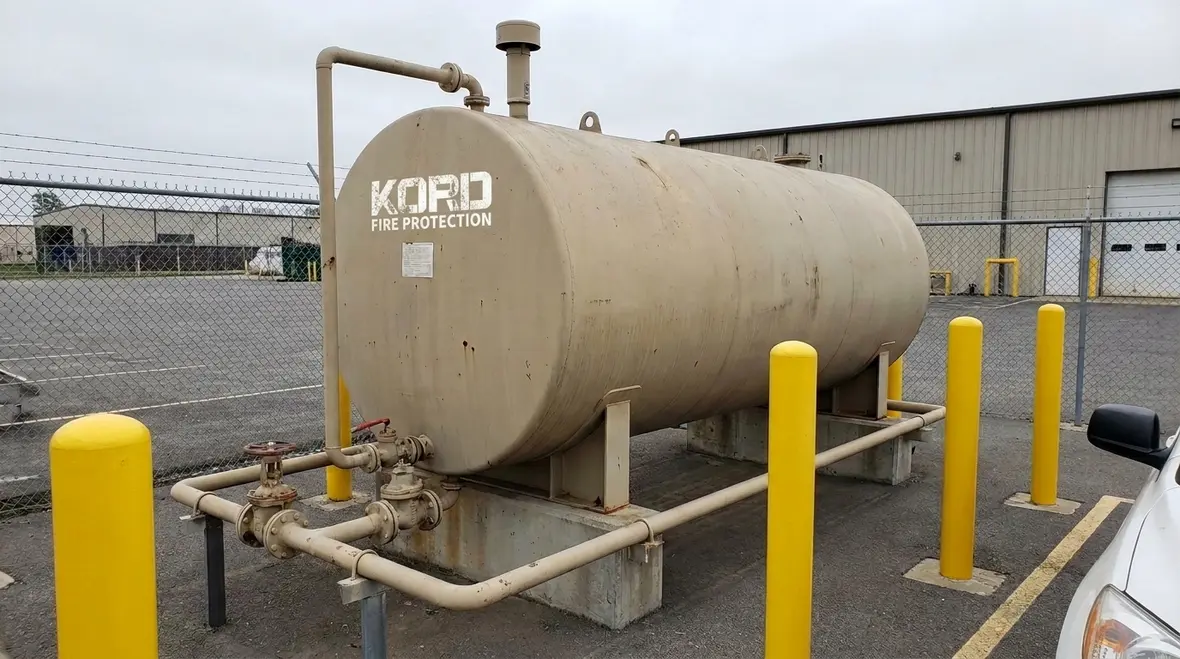
NFPA 37 Section 6.3: Installation Criteria for Class II and III Fuel Tanks
Quick Answer: NFPA 37 Section 6.3 sets installation criteria that control tank placement, supports, piping connections, venting, and protection features for Class II and Class III fuel tanks. These requirements reduce ignition sources and manage fire exposure hazards during normal operation and credible failures.
For facilities that need broader compliance support beyond this specific requirement, fire protection services in Southern California can help connect installation reviews, inspections, repairs, and documentation planning into one practical service path.
What NFPA 37 Section 6.3 Is Trying to Prevent
NFPA 37 Section 6.3 focuses on practical installation controls that lower the likelihood and impact of fire and explosion events involving flammable liquid fuels. For commercial facilities, the biggest compliance risks typically come from field deviations that seem minor at installation time but become high consequence during maintenance, tank relocation, vent impairment, corrosion, or connection failures.
Across the industry, the most common outcomes of nonconforming NFPA 37 Class II III fuel tank installation criteria include impaired venting, degraded bonding and grounding, incorrect piping geometry, loose fittings, inadequate clearances, and insufficient protection from vehicle impact or exposure to external fire loading.
1) Site and Placement Controls That Commercial Teams Must Get Right
Section 6.3 installation requirements start with placement logic. Fuel tanks must be installed so they do not create unacceptable exposure conditions to nearby ignition sources, building openings, or operating areas. Facilities commonly face challenges when equipment layout changes over time. Examples include adding dock equipment, expanding parking areas, rerouting pedestrian paths, or placing temporary structures that unintentionally reduce clearances.
Common placement failure points during audits
Reduced clearances due to later construction or inventory staging.
Unprotected tank locations where forklift traffic, mobile equipment, or carts can strike components.
Improper exposure assumptions where the tank area receives external heat during normal operations or foreseeable incidents.
Drainage and runoff pathways that spread fuel to adjacent ignition-capable equipment.
In practice, commercial compliance programs should require a site diagram that includes tank location, vehicle routes, protected areas, and updates whenever facility changes occur. Kord Fire Protection supports these reviews by aligning fire protection intent with facility workflows and maintenance realities.
2) Supports, Foundations, and Corrosion Control for Long-Term Integrity
Installation criteria depend on physical stability. Tanks must be supported and anchored correctly to maintain system integrity through vibration, thermal movement, and ground settlement. Corrosion control matters because the tank shell, appurtenances, piping, and fittings can fail when protective systems degrade.
What inspectors typically verify
Tank support alignment to avoid stress on nozzles, valves, and piping connections.
Foundation condition with attention to cracking, settlement, or water pooling.
Coatings and protective barriers where required by the installation design intent.
Component accessibility so that maintenance can be performed without damaging nearby fire protection features.
Facilities often underestimate the long-term maintenance burden associated with corrosion control. A compliant tank installation still fails if the facility allows coating breakdown to go unaddressed. Kord Fire Protection can help facilities maintain compliance by coordinating inspection and documentation practices that support ongoing integrity management, not just initial installation sign-off.
Related reading: NFPA 37 Section 4.2: structural support and anchoring of engines.
3) Piping, Valves, and Connections: Where Leaks Start
Section 6.3 installation criteria also govern how fuel piping interfaces with the tank. A significant portion of real-world incidents involve small leaks that go unnoticed until vapors accumulate near ignition sources. Correct installation reduces leak potential by ensuring proper connection methods, mechanical support, and routing practices.
Field conditions that commonly break compliance
Improper connection techniques including incorrect gasket selection, poor sealing surfaces, or incorrect torque practices.
Piping misalignment that applies bending stress to tank nozzles and valves.
Insufficient mechanical protection where piping is exposed to impact from carts, forklifts, or routine operations.
Uncontrolled low points that trap fuel or promote corrosion and accelerated failure.
From a trade perspective, the highest value compliance activity often involves verifying how the system will behave after months or years of vibration, weather exposure, and maintenance cycles. Kord Fire Protection assists commercial facilities by building inspection and maintenance approaches that address connection vulnerability and documentation requirements.
If you want a closely related fuel-system perspective, see NFPA 31: a practical guide to oil-burning equipment installation.
4) Venting, Pressure Control, and Fire Exposure Mitigation
Vent and pressure control features play a central role in limiting abnormal conditions such as vacuum formation, pressure buildup, and vent blockage. NFPA 37 installation criteria aim to ensure the tank can vent safely and that the venting system does not introduce additional ignition risk.
Operational risks that show up during maintenance
Vent obstruction from debris, insect nests, ice conditions, or improper storage practices.
Incorrect modifications where contractors substitute parts that change vent performance.
Damaged vent components resulting from impact, vandalism, or improper handling.
Improper vent routing that increases the likelihood of vapors reaching ignition capable areas.
Facilities should also maintain fire exposure mitigation practices around the tank area. When external fire loading occurs, the installation design must support safe separation and reduce the chance that heat drives unsafe tank conditions.
If the facility uses associated fire protection or detection systems in the same hazard area, coordination becomes critical. For broader fire safety program support, facilities can reference related guidance from Kord Fire Protection to align inspection planning and documentation across hazard zones.
5) Compliance Documentation and Inspection Readiness
NFPA 37 Section 6.3 is not only an installation requirement. It creates an expectation of ongoing readiness because installed components must continue to perform as designed. Commercial operations should treat installation compliance as the start of a lifecycle process.
Inspection and audit readiness checklist
As-built drawings that match the current tank configuration, piping routes, and protective measures.
Maintenance records for valves, vent components, bonding and grounding checks, and corrosion control.
Change control for repairs and modifications so contractors do not introduce nonconforming parts.
Clearance verification after facility remodels, equipment updates, or layout changes.
Kord Fire Protection helps commercial, industrial, and retail facilities implement a compliance rhythm that supports NFPA expectations over time. This includes practical inspection planning, evidence collection, and corrective action follow-up so teams can address issues before they become enforcement findings.
Frequently Asked Questions
Next Step: Confirm Your Installation and Maintenance Readiness
Facilities should not rely on initial installation sign-off. A documented review of tank placement, piping connections, vent performance, protection features, and maintenance practices helps prevent enforcement findings and reduces incident likelihood. Contact Kord Fire Protection to schedule an assessment focused on NFPA-aligned readiness, corrective action planning, and ongoing inspection support for Class II and Class III fuel tank installations.

Join Our Newsletter!
Get the latest fire safety tips delivered straight to your inbox From our Newsletter.



