
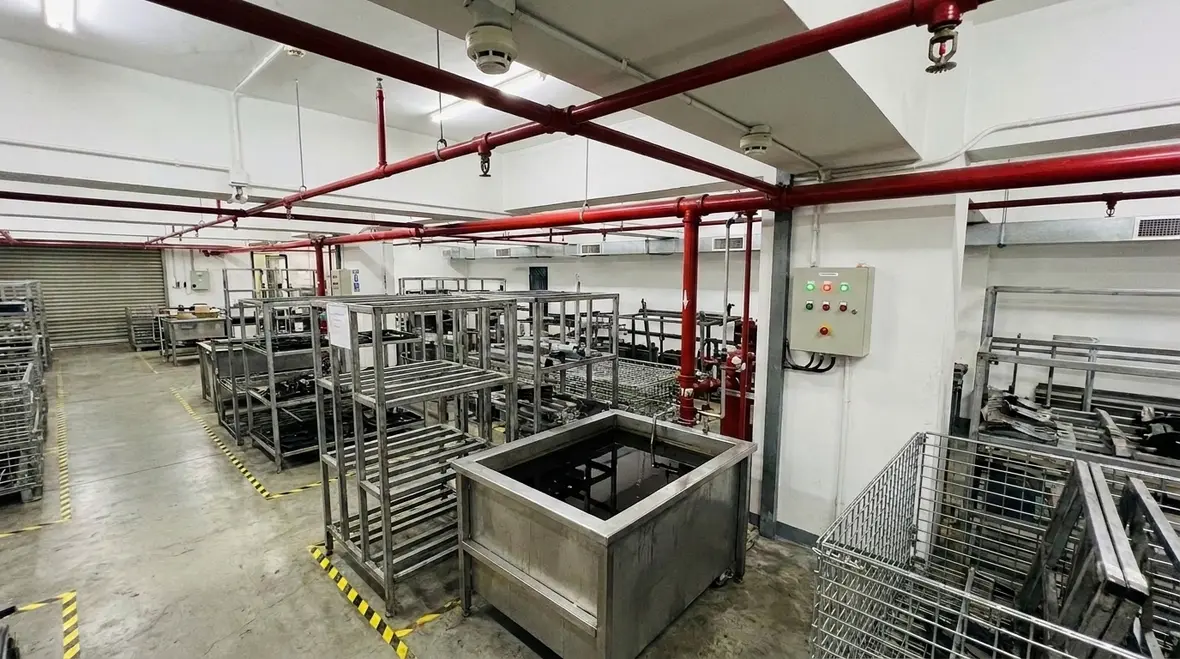
NFPA 34 Section 9.5: Automatic Protection for Small Dipping Processes
Quick Answer
NFPA 34 Section 9.5 sets performance focused requirements for automatic fire protection for small dipping operations involving combustible or flammable liquids. It focuses on protecting against fire growth at the earliest stage through properly designed detection, suppression, and maintenance. Facilities must keep systems inspected and ready.
For facilities reviewing process specific protection, it also helps to understand how broader fire protection services fit into long term compliance planning.
What NFPA 34 Section 9.5 means for a small dipping operation
NFPA 34 Section 9.5 addresses automatic protection for small dipping processes where ignition sources and flammable liquid exposure can produce fast, localized fire growth. For facilities planning or upgrading controls, NFPA 34 small dipping process automatic fire protection should not be treated as a “checkbox” feature. It must match the process hazards, the liquid properties, and the physical configuration of dip tanks, racks, drains, and surrounding combustibles.
In practical terms, Section 9.5 typically drives decisions on: where and how heat or flame may be detected, what agent or suppression method can control or extinguish quickly, how water supply or alternative extinguishing resources are arranged, and how the protection equipment stays reliable between inspections. Commercial facilities often face compliance gaps when protection devices do not align with actual fluid flow paths, spray patterns, or worker practices.
How the “small dipping process” hazard is evaluated
NFPA 34 hazard classification is tied to the dipping application, the combustible or flammable liquid involved, and the likelihood of release and ignition. Section 9.5 applies when the operation qualifies as a small dipping process under NFPA 34’s framework. The critical operational reality is that dipping hazards behave like a liquid fire problem, not a general room hazard problem.
Assessing the process usually includes the following compliance drivers:
-
Liquid type and expected behavior: Flash point, viscosity, volatility, and tendency to form ignitable vapors affect activation sensitivity and agent selection.
-
Geometry and exposure points: Dip tank openings, side spill zones, drains, and wet racks create ignition paths and locations where fire may start before suppression begins.
-
Ancillary combustibles: Paper, pallets, cardboard, rags, oily waste, and overspray residues can intensify incident severity.
-
Operational modes: Start up, normal dip cycle, draining, dwell time, and post dip drying conditions change the hazard profile.
Commercial, industrial, and retail locations with maintenance closets, coating rooms, finishing bays, or small in house production lines often treat these variables informally. That approach increases the risk of systems installed to the letter of a typical detail but failing the spirit of process specific coverage.
What automatic protection typically includes under Section 9.5
Section 9.5 is built around the concept that early automatic intervention reduces heat release, prevents fire spread, and supports occupant safety. In real facility designs, automatic protection commonly integrates detection and suppression that work together as a system.
1) Automatic detection aligned to likely fire growth
Detection methods may include heat sensing, flame sensing, or other approved triggering devices depending on the enclosure and expected fire behavior. The common failure pattern involves misplacement or overspecification. For example, installing detection far from the dip tank opening or placing it where vapor obscuration or steam affects response can delay activation when every second matters.
Operators also frequently add process modifications without updating hazard coverage. Changes in liquid type, tank covers, or rack loading can alter airflow patterns and the way heat or flames present to the detectors.
2) Suppression or control designed for dipping liquids
The suppression method must control the burning liquid and prevent re ignition. Depending on the approved system design, components may include application nozzles or discharge devices that direct agent to the tank area and spill exposure routes.
Common design risks include:
-
Blocked discharge paths due to overspray, rack interference, or construction constraints.
-
Inadequate coverage that leaves gaps in side spill zones and drain trough areas.
-
Incorrect hydraulic or flow assumptions when piping layout changes after commissioning.
-
Improper agent compatibility where the selected suppression approach does not match the liquid properties or enclosure conditions.
3) System controls, sequencing, and fail safe operation
Automatic systems need defined sequencing. The system should reliably activate on the intended signals and transfer to an operating mode that supports manual response. In many facilities, issues do not occur during normal operations. They appear during abnormal conditions such as a detector obstruction, a failed supervisory signal, or a blocked valve that remained closed during maintenance.
Where compliance goes wrong in real installations
Even when equipment appears installed correctly, compliance problems surface during verification. Kord Fire Protection typically sees recurring issues that map to operational drift and incomplete documentation.
-
Maintenance that does not reflect process reality: Nozzles and discharge routes can accumulate residues from the same process they protect. That residue can reduce discharge effectiveness.
-
Untracked process changes: Switching to a new dip chemistry, increasing temperature, or changing dwell time can alter hazard behavior and activation requirements.
-
Detectors exposed to interfering conditions: Steam, mist, dust, or chemical vapors can create false alarms or prevent proper activation if not accounted for.
-
Valve and power supervision gaps: A system that is not properly supervised can fail silently until an incident occurs.
-
Inadequate recordkeeping: Facilities often cannot provide inspection and testing documentation that supports NFPA 34 compliance during audits.
These are not theoretical risks. They increase incident frequency during routine operational changes, tenant upgrades, and periodic housekeeping slippage. A defensible compliance program ties system design to actual process operation and keeps it that way.
Inspection, testing, and maintenance that keep the system reliable
Automatic fire protection systems require ongoing verification so that the equipment performs during the first real fire. Section 9.5 driven designs depend on detection integrity, suppression readiness, and system control reliability.
Operational maintenance should typically include these core activities:
-
Visual inspection: Confirm discharge paths remain unobstructed and that protective devices remain installed as designed.
-
Detector function checks: Verify the detection devices remain free of contamination and function within the manufacturer and listing requirements.
-
Supervision and control checks: Confirm supervisory signals, control wiring integrity, and permissive or interlock logic operate correctly.
-
Flow and mechanical verification: Confirm nozzles, valves, and piping remain within acceptable condition and do not show signs of degradation or clogging.
-
Record retention: Maintain test logs and corrective action documentation for audit readiness.
For commercial facilities that run on tight production schedules, the most effective approach combines pre planned downtime windows with a structured maintenance calendar and documented change control. Kord Fire Protection supports facilities with ongoing testing and maintenance planning that keeps NFPA 34 small dipping process automatic fire protection aligned with day to day operation. For additional guidance on water based protection readiness, see fire pump inspection and testing services and broader Kord Fire Protection resources and service support.
Common questions facilities ask during upgrades
Organizations typically evaluate Section 9.5 requirements during expansions, chemistry changes, and equipment replacements. They want answers that connect design intent to inspection outcomes.
Key upgrade considerations include maintaining detection placement during mechanical redesign, confirming that suppression coverage still targets the hazard area after tank modifications, and verifying that any changes in ventilation or airflow do not interfere with detection and agent performance.
When facilities adopt a formal change management process, they reduce the compliance risk of “silent” performance drift that can undermine automatic protection systems.
Frequently Asked Questions
Conclusion: take action now
NFPA 34 Section 9.5 requires more than installation. It requires a protection system that stays aligned with real production conditions through inspection, testing, and maintenance. Commercial facility teams should confirm hazard coverage, verify detection and suppression performance, and implement change control when dip chemistry, tank configuration, or airflow changes. Contact Kord Fire Protection to schedule a compliance oriented assessment and ongoing service that supports NFPA 34 small dipping process automatic fire protection year after year.

Join Our Newsletter!
Get the latest fire safety tips delivered straight to your inbox From our Newsletter.



