
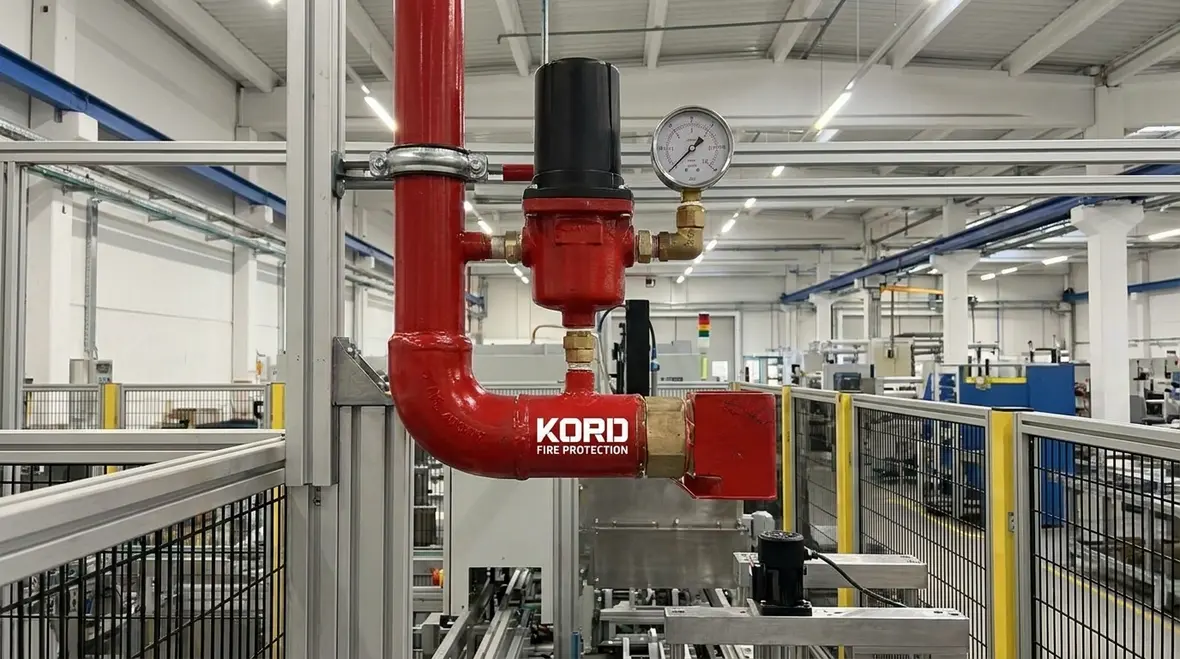
NFPA 34 Section 9.2: Automatic Fire Protection Systems for the Processes
Quick Answer: NFPA 34 Section 9.2 establishes design, installation, and operational expectations for automatic fire protection protecting process areas. Compliance requires properly selected detection, suppression, control features, and ongoing inspection and maintenance so the system performs as intended throughout the facility life cycle.
What does NFPA 34 Section 9.2 require for process protection?
NFPA 34 focuses on fire protection for key processes and the hazards created by process materials, operating conditions, and ignition potential. Under NFPA 34 automatic fire protection system requirements in Section 9.2, automatic fire protection must be capable of rapidly identifying a fire condition, initiating the designed response, and maintaining dependable performance. For commercial, industrial, and retail occupancies with process operations, the practical goal is simple: your system must reliably protect people, property, and continuity of operations, even when conditions change.
In real projects, compliance typically hinges on documentation, installed performance, and the ability to demonstrate that the system is maintained to spec. This is where Kord Fire Protection often becomes the difference between a “paper compliant” system and one that works when it matters. For a broader look at how scheduled inspections, routine testing, and preventive maintenance fit into that picture, see full lifecycle of fire protection servicing.
Section 9.2 scope: automatic protection tied to process hazards
Automatic fire protection is not treated as a generic add-on in NFPA 34. Section 9.2 ties automatic systems to the process hazards, including how materials behave, where ignition sources exist, and how a fire would likely develop. The system must be arranged and engineered so that activation occurs promptly enough to limit fire growth and protect critical exposure points.
Common compliance drivers include:
Location and hazard matching: Coverage areas must align with the process layout, risk zones, and potential release paths.
Activation logic: Detection and control arrangements must initiate the correct suppression or alarm sequence without delays caused by improper zoning or control interfaces.
Equipment compatibility: Components must be compatible with process environment conditions such as temperature extremes, dust, corrosive atmospheres, and vibration.
Facilities that operate with frequent layout changes, seasonal production, or tenant improvements often stumble here because hazards evolve faster than protection systems get revalidated.
Detection, initiation, and control: how the system actually responds
Automatic protection systems succeed or fail based on detection effectiveness and the control sequence that follows. Section 9.2 expectations require that the system is designed to initiate the intended response when fire conditions occur, while avoiding nuisance operation that leads to unsafe disabling practices.
Key operational elements
Detection placement and selection: Detectors must be placed where they can detect credible fire signatures from the process hazard. Selection depends on likely fire type, expected combustion products, and environmental interferences.
Initiating device circuits and zoning: The system must support reliable identification and control. Poor zoning or incorrect circuit mapping can create response delays or unclear alarm handling.
Actuation and control sequences: Controllers must follow the correct sequence for suppression and any required auxiliary actions, such as alarms, ventilation interlocks, and shutdown strategies when required by the hazard assessment.
Power reliability: Control equipment must have dependable power and proper arrangement of supervising and monitoring features to prevent hidden failures.
Common failure points that create inspection findings
Detector mismatch: Detectors installed for one hazard profile while the process later changes to another risk profile.
Blocked or obstructed detection paths: Insulation, stored materials, mezzanine obstructions, or new racks interfere with detector performance.
Improper control wiring changes: Tenant modifications that bypass or alter intended sequences without fire protection engineering review.
To keep systems aligned with reality, commercial maintenance programs must include hazard awareness, not only functional tests. Kord Fire Protection supports ongoing compliance by verifying device health, control logic integrity, and the practical readiness of the system for the current process configuration.
Suppression and release: ensuring the right agent reaches the right hazard
Automatic systems under Section 9.2 typically involve suppression or other automatic extinguishing response aligned with the process hazards. Design details determine whether the agent distribution pattern can reach expected fire growth, whether discharge occurs promptly, and whether components remain functional in the process environment.
Design and installation considerations
Agent selection: The system must use an extinguishing approach suitable for the burning characteristics and the process materials.
Distribution reliability: Pipe routing, nozzle placement, and obstruction clearances determine actual coverage.
Environmental durability: Corrosion resistance, temperature rating, and compatibility with process vapors matter for long term performance.
System readiness: Valves, release mechanisms, and supervisory devices must be maintained so that a failure does not remain undetected.
Commercial compliance reality: water supply and system interfaces
Even where the suppression approach is correct, practical issues often arise at interfaces. Fire pumps, pressure requirements, supply availability, and control panel supervision can become noncompliant if systems are altered or if water supply conditions degrade. For facilities with remote process areas, the most common operational weaknesses include partial drain and improper isolation practices that impact readiness. If you need a practical example of how pump-side readiness gets evaluated, this NFPA 25 fire pump testing requirements guide offers useful context.
Qualified inspection and maintenance programs reduce these risks by verifying both hardware condition and functional performance. Kord Fire Protection assists commercial facilities with inspection, testing, and maintenance plans designed around process hazard behavior and documented compliance needs.
Inspection, testing, and maintenance: proving readiness over time
NFPA 34 requires that automatic fire protection systems remain capable of performing the response they were designed to deliver. That principle turns into a maintenance requirement in day to day operations. The system must be inspected and tested so that failures do not accumulate undetected, and so the facility can demonstrate compliance during audits or enforcement actions.
Maintenance actions that prevent hidden failures
Chamber and device condition checks: Inspect for contamination, corrosion, physical damage, and blocked components.
Supervisory and alarm verification: Confirm supervision of circuits, proper transmission of alarms, and correct panel operation.
Operational testing: Ensure detectors, release mechanisms, and control sequences function as designed without creating unsafe workarounds.
Documentation and traceability: Maintain test records that match the installed configuration and reflect current process conditions.
A common commercial issue is that maintenance is performed, but the installed configuration has changed. For example, a new rack arrangement can affect detector response, while a modified process line can change the ignition profile. Without a documented revalidation approach, inspections can produce misleading “pass” results while the system no longer matches the hazard.
If you manage industrial or complex commercial process spaces, consult your full compliance matrix and coordinate ongoing maintenance with hazard review cycles. For additional fire protection compliance context and guidance on system readiness, you can also reference Kord Fire Protection resources here: Kord Fire Protection.
Need an action plan? A practical NFPA 34 readiness checklist
Use the following prompt-style checklist to support compliance readiness for automatic systems in process areas. Facilities often improve outcomes when they operationalize these items into a recurring internal audit.
Hazard alignment: Confirm the current process operations match the hazard basis used when the system was designed.
Detection effectiveness: Verify detector selection, placement, and coverage integrity after layout or production changes.
Control sequence verification: Confirm alarm and actuation logic supports the intended response without unintended delays or bypass conditions.
Suppression readiness: Inspect discharge hardware, isolation devices, and supervisory components for long term readiness.
Maintenance documentation: Maintain traceable inspection and testing records tied to the current as built configuration.
Change management: Require fire protection review for any modifications affecting process equipment, layouts, piping, or ventilation interlocks.
For facilities that want a reliable compliance pathway, Kord Fire Protection can help structure inspection and maintenance schedules around risk and operational tempo, ensuring that NFPA 34 automatic fire protection system requirements remain demonstrably met.
Frequently Asked Questions
Conclusion: keep process protection testable, traceable, and ready
NFPA 34 Section 9.2 requires automatic systems that reliably detect and initiate the designed response for process hazards, and it expects continued performance through inspection, testing, and maintenance. If your facility has evolving layouts, changing production, or frequent modifications, now is the time to tighten change control and verify system readiness. Contact Kord Fire Protection to build a practical compliance and maintenance plan that supports defensible documentation and dependable system performance.

Join Our Newsletter!
Get the latest fire safety tips delivered straight to your inbox From our Newsletter.



