
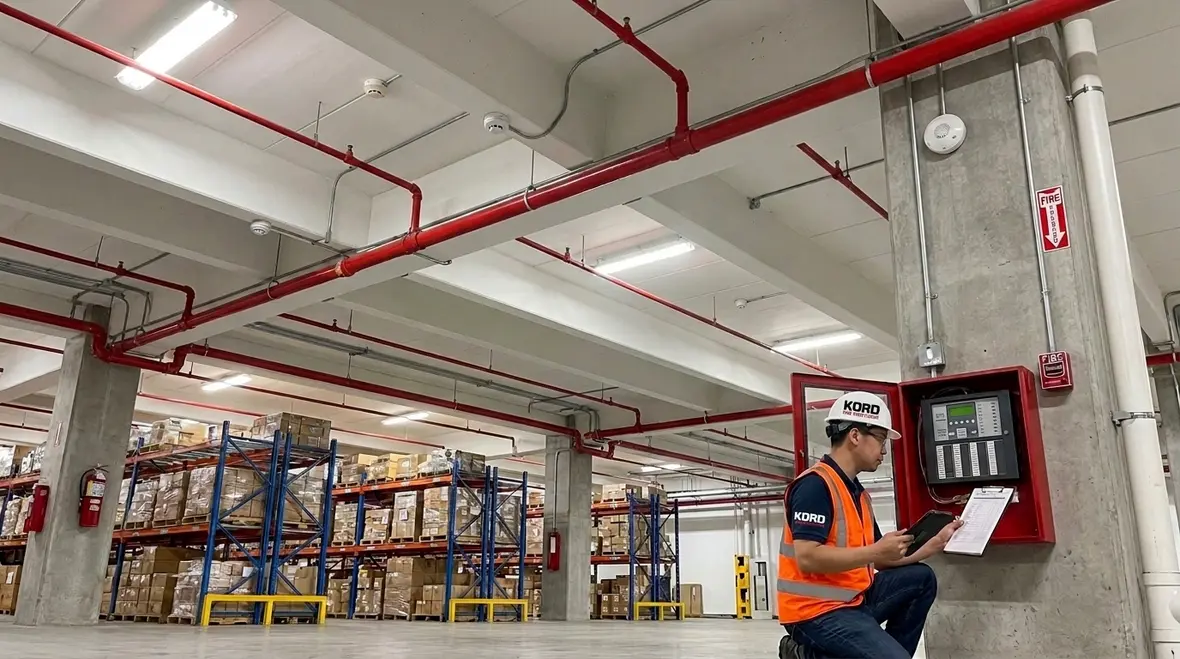
NFPA 34 Section 9.1 Scope: Fire Protection Requirements
Quick Answer: NFPA 34 Section 9.1 defines the fire protection requirements that apply to facilities, processes, and hazards within the scope of the standard. It focuses on preventing ignition, controlling fire growth, ensuring functional protection, and maintaining compliant systems through inspection and upkeep.
What does the NFPA 34 fire protection chapter scope cover in Section 9.1?
NFPA 34 is commonly used by commercial, industrial, and retail operations that handle processes and materials requiring disciplined fire safety design and maintenance. The NFPA 34 fire protection chapter scope in Section 9.1 sets expectations for fire protection features, operational readiness, and the ongoing management of life safety and property protection measures.
In practice, compliance teams use Section 9.1 as the anchor for translating hazards into engineered protection, then sustaining that protection through documented inspection, testing, and corrective maintenance. For a practical look at how that plays out over time, see the full lifecycle of fire protection servicing.
How Section 9.1 sets the baseline for fire protection across operations
Section 9.1 establishes the “rules of the road” for fire protection requirements tied to the hazards and processes addressed by NFPA 34. Rather than focusing only on design, it drives operational discipline: protection must not only be installed, it must remain in working order and meet performance expectations.
Key compliance themes you see in day to day facility operations
- Hazard informed protection: Fire protection requirements link to the presence, location, and behavior of ignition sources and combustible or reactive materials.
- Functional readiness: Systems and components must remain capable of performing when called upon, including during routine operation, maintenance, and abnormal conditions.
- Installation and placement discipline: Protection must align with the hazards it is meant to control, including correct coverage, access, and integration with other safety measures.
- Ongoing verification: Inspection and testing are not optional paperwork. They validate that protection functions as intended and identify drift caused by wear, modifications, or environmental conditions.
Fire protection mechanisms and common system failure points
Section 9.1 expectations often materialize through fire detection, suppression, control systems, and protective infrastructure. Commercial and industrial facilities frequently learn the hard way that failures rarely come from missing equipment. Failures come from degraded performance, incorrect configuration, obstructed components, and missed maintenance intervals.
Detection and notification problems that trigger non compliance
- Detector sensitivity drift: Dust, aerosols, steam, or process byproducts can shift detector response over time.
- Blocked or obstructed field of view: Storage changes, signage, shelving additions, or temporary coverings reduce effectiveness.
- Inconsistent alarm audibility or visibility: Background noise changes with operations, and occupants relocate, impacting audibility and notification.
Suppression and extinguishing system issues that undermine performance
- Valve tampering or unauthorized adjustments: Physical changes or “workarounds” can prevent proper discharge or delay activation.
- Pressure and flow impairments: Corrosion, leaks, closed valves, or undersized supply conditions prevent design flow rates.
- Pipe and sprinkler obstruction: Construction activity, hanging loads, or cable trays can interfere with coverage.
- Dry system maintenance gaps: Air or water pressure loss, improper draining, or missed freeze protection checks lead to delayed or failed operation.
Compartmentation, barriers, and building protection
Where Section 9.1 applies through building features, non compliance often connects to penetrations and alterations. Service openings, cable penetrations, and fire stopping that was adequate at installation can degrade under renovation, tenant improvements, or routine maintenance.
- Unsealed penetrations: New conduits added without fire rated sealing.
- Improper barrier restoration: Repairs using non rated materials after inspections or leaks.
- Damaged doors and dampers: Door closers failing, hold open mechanisms misused, or dampers stuck due to debris and misalignment.
What commercial facilities should document to prove compliance readiness
Section 9.1 expectations translate into traceable records. Inspectors and insurers typically look for evidence that inspection and maintenance programs exist, are executed, and correct deficiencies are addressed promptly.
Operational records that most often withstand scrutiny
- Inspection and testing logs: Dates, results, deficiency notes, and corrective actions for detection, suppression, and alarm systems.
- Maintenance work orders: Proof of preventive maintenance and repair activities tied to fire protection equipment.
- Deficiency closure documentation: Confirmation that issues are corrected and verified, not merely reported.
- Training and impairment procedures: How staff manage system impairment, takeover protocols, and notification requirements during maintenance.
- Change management traceability: Records showing how renovations, tenant improvements, and process changes evaluate impacts to fire protection.
For facilities that operate across multiple sites or tenants, centralized document control reduces the risk of “unknown gaps” between compliance dates. Kord Fire Protection supports that operational reality through structured maintenance, verification, and reporting that aligns with commercial inspection expectations.
Inspection, testing, and maintenance: where teams commonly miss the mark
NFPA 34 compliance depends on more than annual inspections. Many failures arise because systems perform acceptably during scheduled testing but degrade due to operational conditions between visits.
High risk gaps seen in the field
- Delayed repairs: A small leak, degraded component, or loose connection can evolve into a larger failure that invalidates system performance.
- Inadequate impairment controls: Systems impaired without proper procedures can leave critical protection unavailable during a fire event.
- Seasonal environment neglect: Weather exposure, freeze conditions, humidity, and airborne contaminants require proactive checks aligned with facility environment.
- Renovation drift: Construction changes create hidden conflicts, such as obstructions, altered coverage, and compromised barrier integrity.
How to structure an effective maintenance program for Section 9.1
A robust approach typically includes: documented preventive maintenance intervals, clear roles for impairment and restoration, verification of as built conditions after modifications, and closeout confirmation after corrective work. A competent partner also helps facilities maintain consistency as staff and tenants change over time.
Kord Fire Protection helps commercial facilities maintain compliant readiness through ongoing testing, inspections, corrective maintenance support, and reporting designed for operational accountability. If you want a broader compliance minded overview, Kord’s commercial building fire safety guide fits naturally with this section.
Internal linking and practical next steps
If your facility needs help translating Section 9.1 obligations into a working inspection and maintenance plan, review Kord Fire Protection resources that support ongoing compliance workflows: Kord Fire Protection.
Start with a gap review that maps your facility hazards and protection systems to the relevant verification and maintenance expectations. Then, build a schedule that reflects real operational risk, not only the calendar.
Frequently Asked Questions
Call to action: Schedule a fire protection compliance review with Kord Fire Protection to validate that your systems meet the NFPA 34 fire protection chapter scope expectations tied to Section 9.1. A structured gap assessment and documented inspection and maintenance plan can reduce operational risk and protect schedule-critical approvals for your commercial facility.

Join Our Newsletter!
Get the latest fire safety tips delivered straight to your inbox From our Newsletter.



