
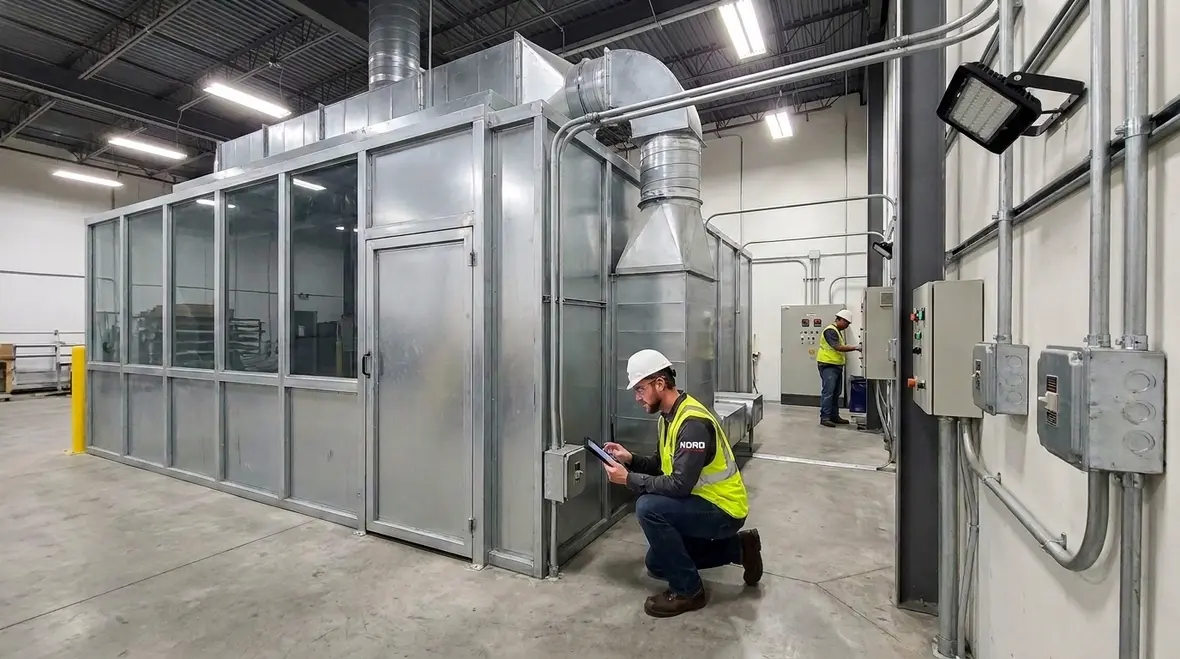
NFPA 34 Section 6.5: Electrical Rules for Areas Adjacent to Enclosed Processes
Quick Answer
NFPA 34 Section 6.5 controls how electrical equipment is selected and installed near enclosed coating and similar processes where flammable vapors, residues, or ignitable dust may be present. Compliance focuses on wiring methods, equipment suitability, and inspection readiness to prevent ignition sources.
Facilities that want a stronger documentation trail and a cleaner inspection process can also review this fire protection compliance auditing guide for a practical look at how evidence, maintenance records, and corrective actions come together in the real world.
What NFPA 34 Section 6.5 is trying to prevent
NFPA 34 is designed for facilities where materials and operations can create flammable atmospheres. Section 6.5 addresses electrical hazards specifically in the electrical areas adjacent enclosed coating processes, where the risk may exist even if the coating operation itself is enclosed. Vapors and aerosols can migrate through openings, ventilation pathways, door gaps, exhaust systems, maintenance access points, and abnormal operating conditions.
In commercial, industrial, and retail occupancies that handle coatings, adhesives, cleaning solvents, or similar materials, the operational challenge is that ignition risk often changes with production, not just building design. Electrical decisions must account for normal operation, expected upset conditions, and the realities of maintenance and downtime.
Where the “adjacent” zone comes from in real plants
Even when a process is enclosed, NFPA 34 expects the area around it to be evaluated for electrical and ignition sources. Practical compliance starts with identifying where flammable vapors or combustible residues can accumulate. Common “adjacent” pathways include:
Exhaust duct interfaces, capture hoods, and fan discharge points where vapor transport may occur
Air make up and make down regions that can pull vapors into equipment bays
Access doors and maintenance openings used for filter changes, inspection, and clearing obstructions
Conveyance or transfer points that disturb air balance during product changeovers
Areas where coating overspray or aerosolized material can escape the enclosure during startup, shutdown, or system malfunctions
For facilities that manage multiple product lines, the compliance scope must also reflect operational variability. A zone that looks controlled at stable production can become elevated during ramp up, purge cycles, or filter service.
Electrical equipment selection: suitability is not optional
Section 6.5 requires that electrical equipment installed in the relevant areas be suitable for the hazard. In practice, the standard expectation is that equipment is evaluated for the potential presence of flammable vapors and the possibility that ignition can occur from arcs, sparks, heated surfaces, or improper wiring and termination.
Common equipment areas that need verification
Lighting fixtures, including emergency lighting, that may be mounted near coating enclosures or exhaust zones
Switches, pull cords, and control stations used for ventilation interlocks and process start stop functions
Motors and motor starters, including exhaust fan motors, pump motors, and conveyor drives
Junction boxes, wire splicing points, and device enclosures within or near the adjacent zone
Heaters, strip heaters, and thermal devices that can introduce hot surfaces
Typical failure points during audits
Many noncompliance findings come from small deviations that accumulate over time:
Interim equipment or contractor owned components added during maintenance without hazard review
Damaged seals, gaskets, or sealing fittings where equipment is intended to be protected
Misapplied covers or missing device plates after service work
Exposed terminations in areas assumed to remain “safe” due to enclosure operation
Ventilation controls that are bypassed during troubleshooting, leaving electrical equipment exposed to higher vapor concentrations
Commercial operations often face frequent changeovers, which means the maintenance process must include a repeatable method to verify that electrical equipment remains suitable after any modification or repair.
Wiring methods, sealing, and installation practices that keep systems reliable
NFPA 34 Section 6.5 is not limited to “which device you buy.” It also addresses how wiring and equipment are installed. The goal is to maintain controlled ignition source risk, especially where vapor migration and pressure effects can move flammable atmosphere into locations that were not originally treated as hazardous.
Operational controls that affect compliance
Because the hazard is tied to the process environment, electrical compliance depends on consistent operation of the systems that prevent accumulation. Facilities typically should confirm:
Ventilation performance and airflow direction at the enclosure interfaces
Interlocks between process equipment and ventilation controls
Correct alarm response behavior, including how operators handle fan trips and filter loading
Restoration of protective measures after maintenance, including re installation of covers and verification of sealing integrity
Maintenance records are part of the compliance system
Inspections and approvals become weak when maintenance does not track hazard critical items. A strong compliance program includes documentation for:
Visual inspections of electrical enclosures and fittings in adjacent zones
Functional verification of interlocks, alarms, and ventilation shutdown or startup routines
Verification that corrective actions do not introduce new ignition sources
Training for contractors and internal trades on hazard boundaries and return to service requirements
When electrical equipment is left in an uncertain state, the facility effectively defeats the containment assumptions that Section 6.5 is built on.
How Kord Fire Protection supports ongoing compliance
NFPA 34 electrical requirements demand repeatability, not one time paperwork. Kord Fire Protection helps commercial facilities maintain hazard control across changing production schedules, maintenance cycles, and facility upgrades. The service approach focuses on practical verification and documentation that supports inspection readiness.
For related guidance on practical fire protection planning and compliance documentation, see this fire safety compliance audit preparation checklist. Facilities that need broader support can also explore Kord Fire Protection services. This support model helps facilities reduce avoidable findings by aligning electrical risk management with maintenance workflows and operational controls.
Frequently Asked Questions
Call to action
If your facility operates coatings or similar enclosed processes, treat NFPA 34 Section 6.5 as an ongoing engineering and maintenance responsibility. Kord Fire Protection can help you validate electrical equipment suitability, installation integrity, and documentation readiness so your adjacent areas remain controlled through production changes. Contact Kord Fire Protection today to schedule an assessment and build a compliant maintenance strategy.

Join Our Newsletter!
Get the latest fire safety tips delivered straight to your inbox From our Newsletter.



