Fire Safety Compliance Audit Preparation Checklist
Quick Answer: A strong facility before a fire safety audit comes down to planning, paperwork, and practical checks. In the first days, they verify documentation, inspect key fire systems, and correct hazards fast. Then, they train people to respond calmly. Kord Fire Protection can guide the process step by step, like a steady hand on the checklist.
Preparing for a fire safety compliance audit can feel like waiting for the results of a stress test. Nobody loves it. Yet when a facility approaches it with structure, the audit stops being a mystery box and becomes a manageable process. In the first 100 to 150 words of this guide, the point is clear: a well-run fire safety compliance audit preparation protects people, reduces business disruption, and supports regulatory confidence. The rest of this article shows practical steps, what auditors usually look for, and how Kord Fire Protection can function as a vital partner before, during, and after the inspection.
Facilities that want extra support near the start of the process often benefit from reviewing broader full fire protection services so planning, inspections, testing, and follow-up all stay under one roof. If the audit touches alarm readiness specifically, it also helps to understand how commercial and residential fire alarm installation supports compliant, properly designed systems from the beginning rather than after a problem appears with a clipboard attached.
Plan the audit like a project, not a panic
First, the facility should assign roles. Who owns fire panel testing records? Who checks extinguisher tags? Who ensures doors and exits stay compliant? Without clear ownership, tasks drift, and drift becomes “we will fix it later,” which is a phrase auditors hear more often than they should. Next, they set an internal timeline that starts at least a few weeks before the scheduled visit. That timeline should include document gathering, system checks, corrective actions, and internal reviews that give the team enough breathing room to fix what they find instead of pretending the problem will somehow develop manners and disappear.
Then, the team should map the facility areas that will matter most. Industrial sites often include production rooms, loading docks, plant rooms, and storage areas. Retail sites usually focus on exits, shopfront hazards, and clear pathways. Commercial facilities often have complex arrangements across floors and tenants. Accordingly, the preparation should match the reality of the building, not an ideal brochure version of it. A real checklist reflects how the site actually operates on a Tuesday afternoon when people are busy, stock is moving, and someone is absolutely trying to stash something in front of a door for “just a minute.”
Build a schedule that ends with proof
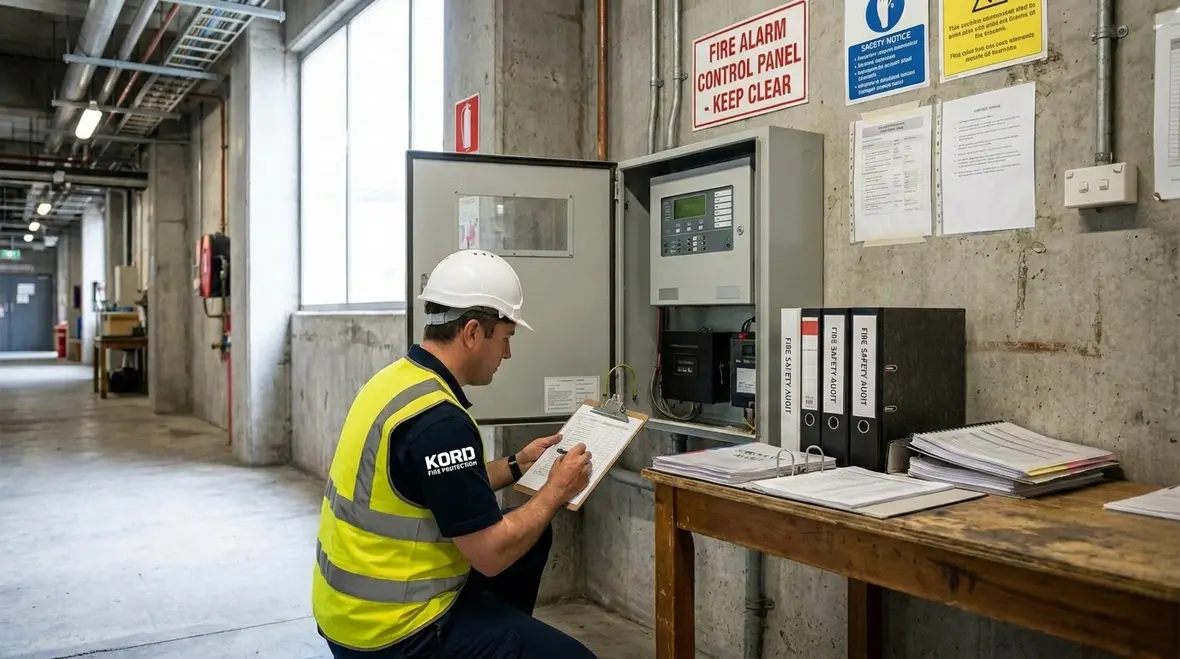
Finally, they should collect last audit reports, previous findings, and maintenance logs. If the facility has repeat issues, the internal plan should tackle the root cause, not just the symptom. Auditors appreciate that kind of maturity. Also, it saves money, and money stays happier when it is not funding repeat call-outs. A simple tracking sheet with due dates, responsible staff, open issues, and closure evidence can make the difference between a calm audit day and a very sweaty scramble through old emails, folders, and mystery binders that nobody has touched since the last inspection.
Gather documents auditors actually rely on
Now the paperwork phase begins. And yes, paperwork matters, because fire safety does not run on vibes. Auditors typically review evidence that systems get tested, maintained, and corrected on time. They often look for records like inspection and maintenance schedules, test results, service reports for fire alarms, extinguishers, emergency lighting, and other safety devices, plus any documented remedial actions. The cleaner the records, the faster the conversation moves from “prove this exists” to “good, what is next?”
To make this easier, the facility should create a single audit pack. Place the documents in a clear folder structure with dates and site locations. Include current certificates where relevant, plus written procedures for emergency response. If tenants share responsibilities, the pack should clarify who handles what. Nobody wants an audit derailed by an awkward group shrug where three parties quietly hope a fourth party materializes with the answer.
Meanwhile, ensure the records match what is installed. A common headache happens when the building changed. If extinguishers moved, or upgrades occurred, the documentation must reflect those changes. Otherwise, the facility looks unprepared, even if the equipment is fine. When Kord Fire Protection supports the work, it can help ensure maintenance documentation aligns with actual site conditions, which reduces back-and-forth during the audit process. In other words, Kord helps turn “we think it is compliant” into “we can prove it.”
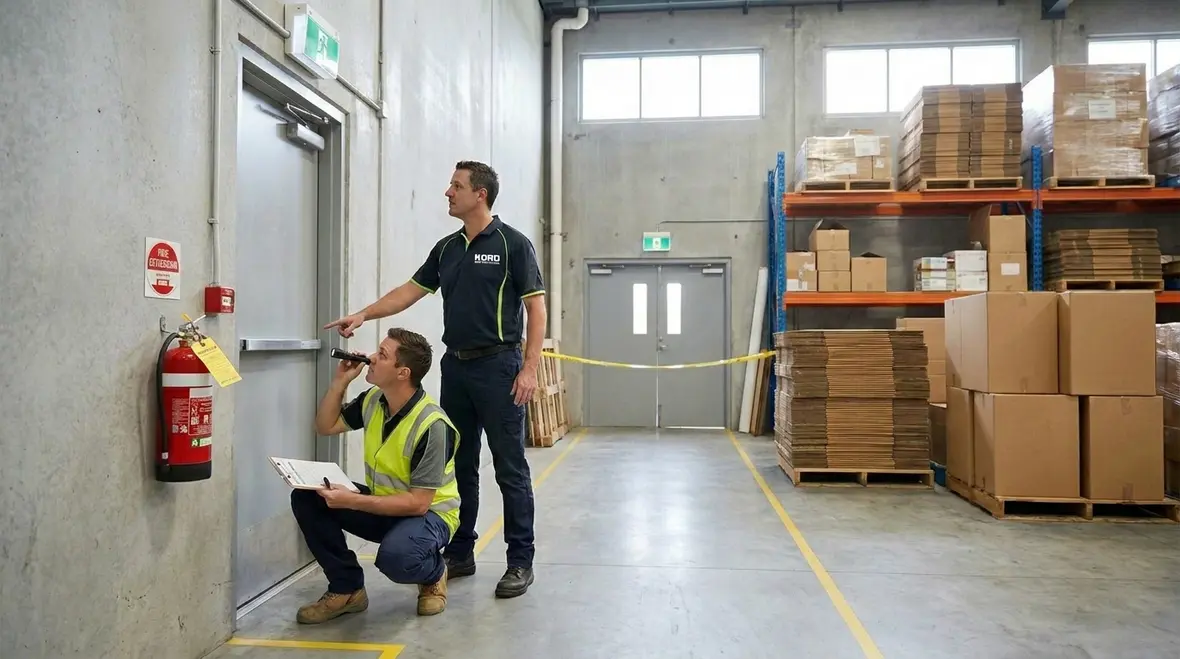
Keep records current, consistent, and easy to read
A useful audit pack is not just complete. It is readable. Label files clearly, group records by system type, and make sure dates are visible without detective work. If service reports reference deficiencies, include the corrective evidence right behind them. That way the story is complete from the start. Clean documentation tells the auditor the facility is organized, attentive, and not trying to win a medal for creative filing under pressure.
Inspect life safety systems and fix gaps before they grow
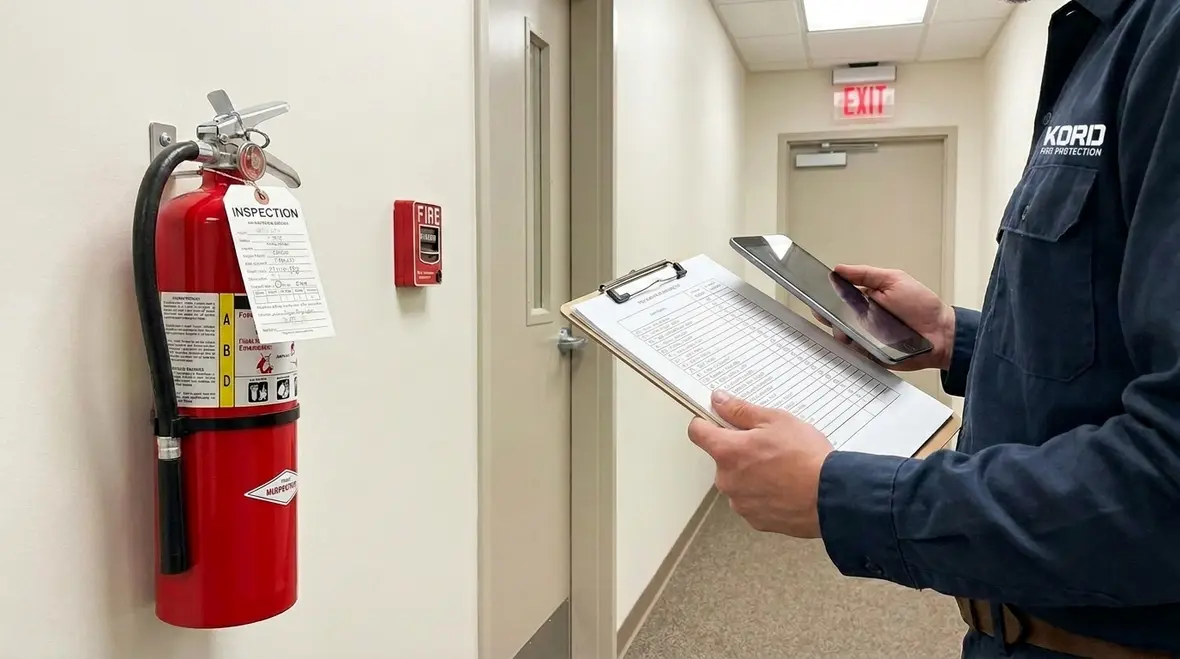
Next comes the practical checks. Fire safety systems should not wait for audit day. They should be inspected and tested ahead of time, because small issues become big issues once authorities start looking closely. The facility should verify key components, including fire alarm systems, smoke detection, manual call points, emergency warning devices, and any relevant monitoring arrangements. They should also check emergency lighting and exit signage. Even one faded sign can make an auditor ask uncomfortable follow-up questions. Not dramatic, but definitely memorable.
Then, they review fire suppression and control systems where they exist. That might include sprinklers, hydrants, hose reels, or fixed suppression systems. The goal is not only to confirm the equipment exists, but to confirm service intervals were met and that the areas protected match the design intent. Also, they verify passive fire protection features. That means fire doors, compartmentation, seals, and any barriers that slow fire and smoke spread. Doors that hold open during the day for convenience often become a problem at night. If the facility relies on self-closing behaviour, those mechanisms should work as designed.
Do not forget passive protection and housekeeping
Finally, they confirm housekeeping. Storage near hazards, blocked egress routes, and poor waste management can turn a compliant system into a weak safety plan. The site may have excellent hardware, but if combustible clutter piles up where it should not, the audit will notice. When Kord Fire Protection is involved, it can coordinate checks and corrective action planning so the facility addresses weaknesses early and keeps operations steady rather than fixing preventable issues in a last-minute sprint.
Clear exits, safe access, and calm evacuation readiness
Auditors look at egress because evacuation is where safety meets human behaviour. So the facility should verify that exit routes stay clear, marked, and accessible under normal operating conditions. That means they check door hardware, ensure exits do not get blocked by stock, and confirm paths remain usable even during peak hours. They should also inspect access for emergency response. That includes fire service access points, hydrant visibility where applicable, and safe routes for personnel. If the facility has gates, bollards, or controlled access, the team should ensure emergency responders can reach the needed locations quickly.
Then, the facility should review evacuation procedures and emergency drills. Training should go beyond reading a poster. Instead, it should include clear roles, practical guidance, and documentation of drill dates and outcomes. When people understand what to do, they move faster and make fewer mistakes. Auditors notice this too, and so do insurers. To keep the tone professional but human, this is also where facilities can encourage staff to treat drills like a system test. If someone forgets to take an action, that is not a character flaw. It is a signal that the procedure needs reinforcement. The facility learns, updates, and improves.
Manage hazards in industrial and retail spaces with real controls
Fire risk often rises from day-to-day operations. Therefore, a preparation plan should include hazard management tailored to the business. In industrial environments, they should examine hot work processes, flammable liquids storage, gas cylinders, dust ignition risks, and electrical plant areas. Retail spaces often struggle with quick turnover, display clutter, and seasonal stock changes that creep toward exit paths. The facility should also review ignition sources and controls. That includes maintaining electrical cabinets and wiring integrity, ensuring equipment is used properly, and keeping flammable materials stored correctly. If the site uses extension cords like it is a lifestyle, auditors may view it as a lifestyle problem. The facility should verify that safe power practices exist and are followed.
Then, they should align risk controls with actual workflows. For example, if the facility relies on a permit for hot work, the permit system should be used consistently and stored as proof. Similarly, if they manage storage limits, they should document those limits and monitor compliance. Kord Fire Protection can help facilities create a clear path from hazards to actions. Instead of treating fire safety as a one-time event, the partnership supports continuous readiness through structured inspections, testing, and corrective scheduling.
Coordinate corrections, verify closure, and keep operations moving
Once gaps are found, the facility should not just fix them and hope for the best. They should verify closure. That means confirmation that corrective work completed to specification, updated test results where required, and documentation that the system now meets expectations. It also means planning work so production or trading does not get wrecked. Facilities often operate under tight time windows, especially warehouses, retail centres, and multi-tenant commercial sites. Accordingly, corrective action should include downtime planning, access arrangements, and communication with stakeholders.
In practice, the facility can assign a closure owner for each finding. That owner tracks actions, collects evidence, and prepares it for review. Then, they do a final internal check before the external audit so surprises stay rare. If they find last-minute issues, they address them quickly. At this stage, working with Kord Fire Protection can reduce disruption. Kord can coordinate testing and maintenance so the facility gets the right evidence, on time, without turning the audit into a moving target.
FAQ: fire safety compliance audit readiness
Make the audit day easier with Kord Fire Protection
Fire safety readiness should not feel like an ambush. When a facility plans early, verifies documents, tests systems, and closes findings with proof, it moves through the audit with confidence. That confidence is not magic. It comes from structure, repetition, and a willingness to fix small issues before they become expensive or embarrassing ones.
Kord Fire Protection can become a vital partner by helping coordinate inspections, corrective actions, and compliance documentation across industrial, retail, and commercial sites. If this audit is coming up soon, reach out to Kord and let them help turn pressure into progress with organized support that keeps the checklist moving and the team a whole lot calmer.

Join Our Newsletter!
Get the latest fire safety tips delivered straight to your inbox From our Newsletter.