
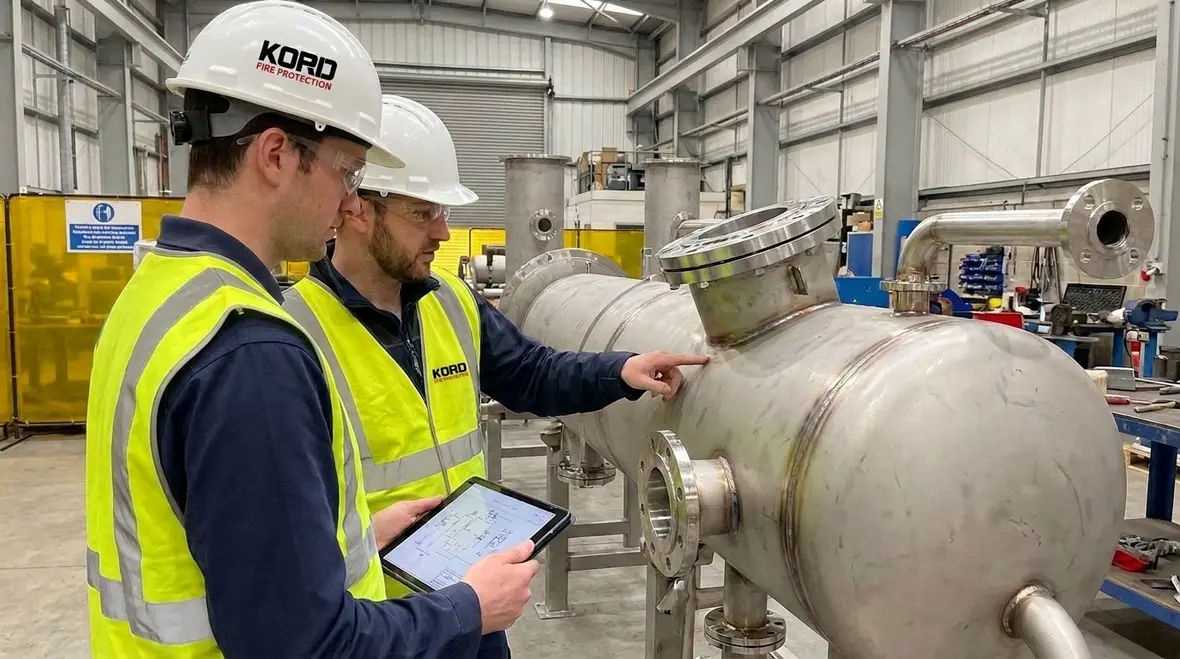
NFPA 34 Section 5.1 Scope: Design and Construction of Process Equipment
Quick Answer: NFPA 34 Section 5.1 defines the scope for how process equipment gets designed and constructed, including expectations for safe integrity, suitable materials, and built-in considerations for fire and process hazards. The section sets the boundary for what the standard covers during engineering, fabrication, and installation.
Why NFPA 34 Section 5.1 Scope matters on commercial projects
The NFPA 34 equipment design construction chapter scope is not a vague guideline. It provides a framework that ties fire and life safety outcomes to the physical integrity of process equipment and the way it is built for hazardous operations. For commercial, industrial, and retail facilities that handle flammable or combustible materials, scope clarity reduces late-stage redesign, failed pre-startup reviews, and operational workarounds that can create new ignition or fire propagation paths.
From a compliance standpoint, Section 5.1 acts as the front door. It helps teams determine which design and construction controls must be applied to process equipment so that the equipment performs as intended under normal operations, upset conditions, and foreseeable deviations. For ongoing assurance, Kord Fire Protection helps facilities translate these requirements into inspection, maintenance, and documentation practices that stand up to internal audits and authority having jurisdiction (AHJ) review.
Teams building a stronger compliance trail often pair this kind of scope review with fire protection compliance auditing so design intent, field verification, and maintenance records all tell the same story.
What NFPA 34 Section 5.1 covers during design and construction
Section 5.1 focuses on the design and construction of process equipment used in processes involving flammable or combustible substances. The practical intent is straightforward: equipment must be built so that it resists hazards tied to the process, including conditions that can lead to release, ignition, and escalation.
Core elements typically governed by scope
- Equipment suitability: Design choices must align with the hazardous properties of the process contents and the operating conditions.
- Mechanical and material integrity: Construction and materials must provide durability against expected stresses, corrosion, thermal cycling, and chemical compatibility issues.
- Safe containment principles: Pressure boundaries and containment systems must maintain integrity that prevents uncontrolled releases.
- Built-in considerations for inspection and maintenance: Construction should support inspection access, testing activities, and safe maintenance practices without forcing unsafe isolation methods.
In real project delivery, the biggest compliance gap often appears between the engineering intent and the as-built reality. Section 5.1 scope supports disciplined change control so that field modifications do not undermine the assumptions used during design.
How the scope shapes engineering, fabrication, and installation workflows
Fire safety outcomes depend on more than fire protection hardware. NFPA 34 equipment design construction chapter scope influences how design teams specify equipment, how fabricators build it, and how contractors install it. When teams treat scope as a lifecycle requirement, they reduce the most common failure points tied to process equipment.
Operational procedures tied to equipment integrity
Equipment performance depends on safe operating limits and reliable containment. That means facilities should align operating procedures with what equipment can actually do based on design basis assumptions. Examples include:
- Process start up and shutdown sequences that avoid pressure surges or thermal shock beyond design limits.
- Inventory control practices that prevent incompatible mixing or unintended overtemperature conditions.
- Clear labeling and monitoring expectations that support early detection of leaks, abnormal pressure, or gasket degradation.
Commercial facility delivery realities
Commercial sites often face scheduling constraints, shared utilities, and limited outage windows. Those factors can pressure crews to accept temporary connections, incomplete work isolation, or delayed documentation. Section 5.1 scope helps teams hold the line by requiring that equipment construction supports safe operations from day one, not after months of rework.
Common compliance challenges tied to process equipment construction
Failures in fire safety are frequently equipment integrity failures. Even when a facility has sprinklers, detection, and suppression systems, an uncontrolled release from process equipment can generate conditions those systems were not sized or intended to address.
Frequent mechanisms that undermine scope compliance
- Corrosion and chemical compatibility errors: Incorrect materials or coatings can degrade seals, joints, and pressure boundary components.
- Improper gasket selection or installation: Gaskets that do not match chemical exposure, temperature, and pressure cycles often fail prematurely.
- Uncontrolled field modifications: Changes to fittings, supports, venting connections, or instrumentation can alter flow paths and containment assumptions.
- Inadequate inspection access: Construction that blocks required inspection points can delay detection of deterioration.
- Weak documentation control: Missing data sheets, material test records, and inspection reports can prevent verification during pre-startup safety reviews.
What to look for during pre-startup verification
Facilities should validate that equipment construction evidence exists and matches the design basis. This includes confirming that:
- Materials and fabrication records support the process conditions.
- Pressure boundary integrity tests have been completed, documented, and are traceable.
- Relief and vent routing, where applicable, supports safe discharge and does not create new ignition hazards.
- Marking and installation details enable later inspection, maintenance, and leak detection.
How Kord Fire Protection supports ongoing compliance after construction
Design and construction controls only remain effective when inspection and maintenance keep pace. Kord Fire Protection helps commercial facilities operationalize the principles behind NFPA 34 equipment design construction chapter scope through a practical compliance program focused on evidence, testing readiness, and incident prevention.
Maintenance and inspection alignment that reduces operational risk
Beyond fire protection systems, process equipment integrity depends on consistent upkeep. A strong program typically includes:
- Scheduled inspections aligned to equipment type, operating severity, and known degradation mechanisms.
- Documentation practices that preserve test and inspection history for audits and reviews.
- Coordination between production operations and life safety responsibilities so maintenance does not create bypass conditions.
- Leak investigation procedures that include containment steps and root cause documentation.
For facilities that want to connect these disciplines to a broader lifecycle approach, Kord Fire Protection resources can support planning and ongoing readiness. See Kord Fire Protection services for guidance on building a maintainable compliance posture.
If documentation control is where things usually get weird, and let’s be honest, sometimes it absolutely is, this pairs naturally with fire safety system documentation for compliance so records, testing evidence, and follow-up actions stay audit ready.
Frequently Asked Questions
Next step: make scope traceable to your equipment and maintenance plan
Commercial teams should treat NFPA 34 equipment design construction chapter scope as a lifecycle requirement, not a design-time checklist. Build traceable documentation during fabrication, verify as-built installation during pre-startup, and then maintain inspection and maintenance discipline that matches the equipment risk profile. If you need support converting requirements into an auditable program, contact Kord Fire Protection for guidance on testing readiness, inspection planning, and ongoing compliance support.

Join Our Newsletter!
Get the latest fire safety tips delivered straight to your inbox From our Newsletter.



