
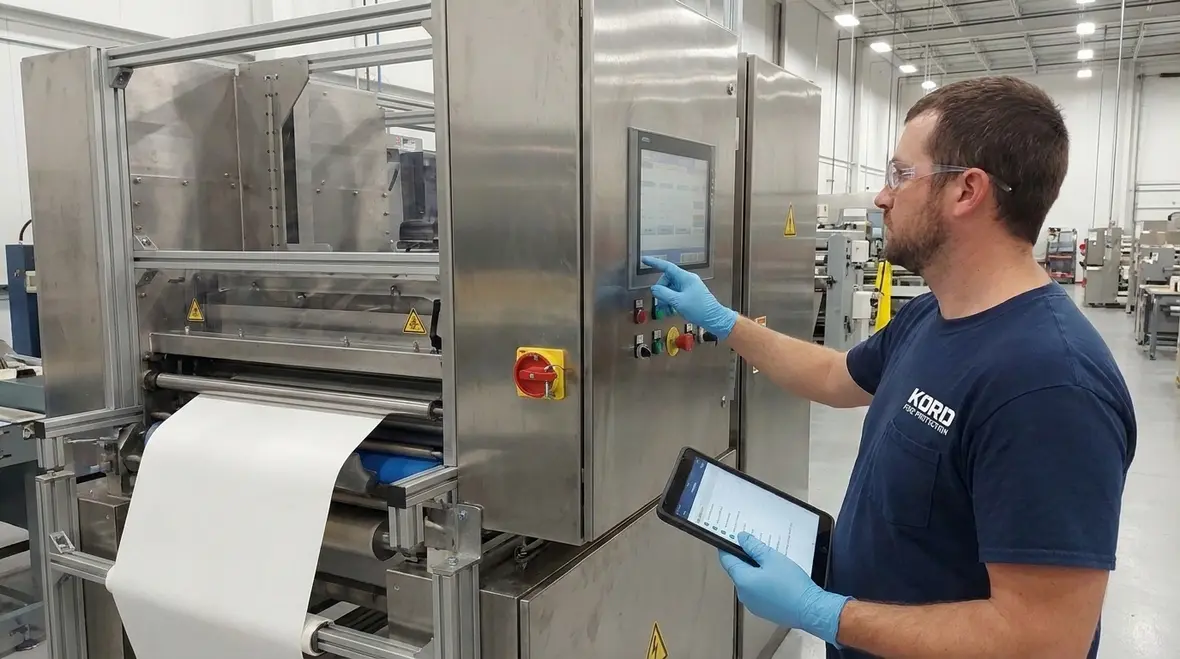
NFPA 34 Section 11.5: Manual Operations of Electrostatic Detearing Apparatus
Quick Answer
NFPA 34 Section 11.5 sets practical requirements for how personnel operate electrostatic detearing apparatus under manual control. It focuses on safe start up, controlled operation, verified condition monitoring, and disciplined shutdown. Compliance reduces ignition risk, prevents electrical hazards, and supports repeatable safety performance.
For facilities building a stronger compliance process, it helps to review fire protection system documentation checklists early, since safe manual operation means a lot more when the paperwork does not disappear into the abyss.
What NFPA 34 Section 11.5 Requires for Manual Electrostatic Detearing Operations
NFPA 34 manual electrostatic detearing operations must be performed using defined procedures that control ignition sources, maintain equipment integrity, and ensure personnel do not bypass protective safeguards. Section 11.5 specifically targets manual operation, where an operator actively initiates and manages detearing cycles rather than relying solely on automatic sequences. In commercial, industrial, and retail settings, the compliance challenge often appears during shift changes, non routine tasks, or maintenance work when staff are tempted to “work around” interlocks or skip verification steps.
For fire safety professionals and facility managers, Section 11.5 functions as an operational discipline requirement. The intent is not only to operate the apparatus, but to operate it in a way that prevents abnormal conditions such as damaged insulation, improper grounding, unsafe airflow patterns, or incorrect power states that can elevate risk.
Pre Start Safety Checks Before Any Manual Cycle
Manual operation under NFPA 34 starts long before the first activation. Facilities should treat pre start checks as a formal step, documented and performed consistently.
1) Confirm the detearing apparatus condition
- Inspect housings, enclosures, and access doors for damage or deformation that could compromise containment or electrical clearances.
- Verify that wiring insulation and cable jackets show no cuts, abrasion, or overheating signs.
- Confirm that air paths or associated control components required for safe operation are unobstructed.
2) Verify grounding and bonding
- Confirm grounding conductors are intact and properly terminated.
- Check bonding points for corrosion, looseness, or missing fasteners.
- Ensure the grounding method matches the apparatus design intent and facility bonding plan.
Ground integrity failures are a frequent root cause of nuisance trips and unsafe operating behavior. They also complicate troubleshooting because the apparatus may show symptoms that look like control faults, while the actual problem sits in the grounding path.
3) Validate interlocks and control functions
- Confirm access controls that prevent energization in unsafe states work as designed.
- Verify emergency stop and local shutdown controls function correctly.
- Ensure indicators and status lights match actual operating conditions.
How Operators Should Perform NFPA 34 Manual Electrostatic Detearing Operations
Section 11.5 places emphasis on disciplined manual operation. The operational mechanics differ by equipment design, but the risk controls follow consistent themes: prevent unintended energization, keep the apparatus within intended operating parameters, and ensure the operator maintains awareness of system status.
Start up: energize only after verification
Under manual control, the operator should follow a step sequence that begins with confirmation that all prerequisite safety conditions exist. Energization should not occur until the apparatus status indicates readiness. If the equipment requires a warm up or stabilization period, the operator should not shorten it based on production pressure.
During operation: maintain control and monitor safe states
- Operate only within the defined manual control limits for voltage, current, dwell time, and cycle frequency as specified by the equipment manufacturer.
- Monitor indicators for faults, abnormal readings, or status changes. Do not clear alarms without investigating the cause.
- Maintain proper separation from hot surfaces and ensure housekeeping keeps conductive debris and dust within allowable limits.
Common failure points during manual cycles
- Loose or contaminated electrical connections leading to intermittent arcing or elevated resistance paths.
- Wear in insulation systems from vibration, chemical exposure, or abrasion at cable entry points.
- Operator bypass behavior such as overriding fault conditions to “finish the batch,” which can defeat protective controls.
- Incorrect grounding attachments after maintenance, when technicians reinstall components without verifying bonding integrity.
Shutdown, Post Operation, and Condition Reset
Manual operations must also define safe shutdown and reset. Facilities should align shutdown practice with the apparatus design to reduce residual hazard, prevent uncontrolled discharge behavior, and ensure reliable return to service after intervention.
Shutdown procedure should include
- Returning controls to the safe state using the prescribed manual sequence rather than removing power abruptly.
- Allowing discharge and stabilization times if required by the design.
- Confirming that fault states are not masked before the next operation. Fault clearing should follow the documented method.
Post operation verification
- Inspect for visible damage, abnormal odors, or signs of electrical stress.
- Check the condition of protective components such as covers and access latches.
- Document the cycle outcome and any anomalies so the next shift understands the equipment history.
In commercial environments where multiple teams use the same equipment, post operation documentation prevents recurring issues that originate from the same unsafe condition pattern.
Inspection, Testing, Maintenance, and Documentation Support
Even when NFPA 34 manual electrostatic detearing operations are executed correctly, risk rises if maintenance management is weak. Facilities should plan inspections that cover both safety function performance and mechanical integrity.
What to inspect routinely
- Electrical enclosure integrity, door interlocks, and wiring condition.
- Grounding continuity and bonding points during planned service windows.
- Control and status indicator accuracy, including fault detection behavior.
- Signs of buildup, contamination, or wear that can alter clearances or surface conditions.
What to test periodically
- Functional checks of emergency shutdown and manual control response.
- Verification of protective control operation under simulated non normal conditions, consistent with manufacturer guidance.
- Review of historical fault trends to identify degradation early.
For an engineering focused compliance posture, Kord Fire Protection supports facilities with practical fire protection services including documentation assistance, inspection readiness, and ongoing maintenance support. This helps commercial sites keep electrostatic detearing apparatus within safe operational boundaries over time. If you are building a compliance program across multiple assets, Kord Fire Protection can help you standardize verification practices and reduce inspection gaps.
For related guidance on fire protection planning and documentation workflows, see fire safety system documentation for compliance.
How Facilities Reduce Compliance Gaps During Real World Use
NFPA requirements fail most often not because the standard is unclear, but because day to day operations drift. Facilities can tighten adherence by designing process controls around the reality of production and staffing.
Training and competency controls
- Train operators on the exact manual sequence, including pre start and post operation steps.
- Require demonstration of safe responses to fault indications.
- Update training when equipment revisions or component replacements change behavior.
Maintenance change management
- Use a work order checklist that forces verification of grounding, wiring routing, and interlock function after reassembly.
- Prevent ad hoc modifications by requiring engineering review for changes that affect electrical clearances or protective controls.
Shift handover discipline
Manual electrostatic detearing operations depend on consistent operator behavior. Facilities should ensure shift handover includes equipment status, abnormal events, and any pending corrective actions. This reduces the chance that a recurring unsafe condition is corrected too late.
Frequently Asked Questions
Next Steps for Safe Compliance
Review your manual operating procedures for electrostatic detearing equipment and confirm they include pre start safety checks, interlock verification, fault handling, and safe shutdown. Then align inspection and maintenance schedules to verify grounding integrity and control function over time. If you want a stronger compliance program and fewer inspection surprises, contact Kord Fire Protection to support ongoing testing, maintenance coordination, and documentation readiness across your facility.

Join Our Newsletter!
Get the latest fire safety tips delivered straight to your inbox From our Newsletter.



