
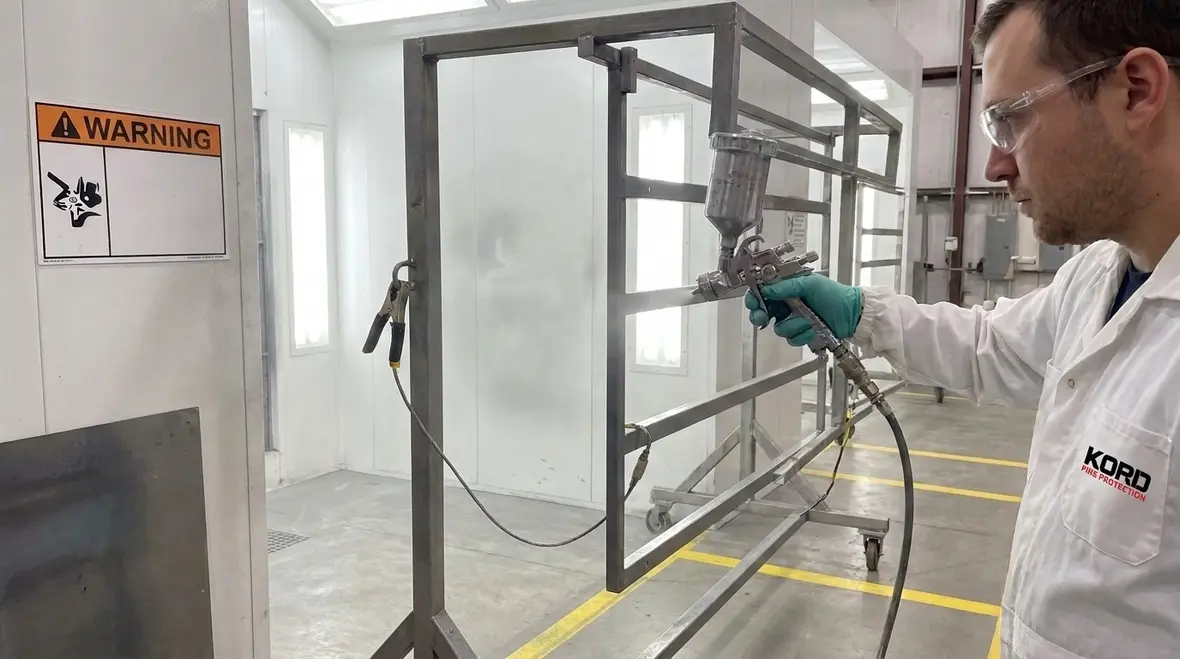
NFPA 34 Section 6.8: Static Electric Discharge Control in Coating Operations
Quick Answer
NFPA 34 Section 6.8 requires facilities performing coating operations to control static electric discharge that can ignite flammable vapors or residues. Compliance focuses on grounding and bonding, equipment selection, safe work practices, monitoring intervals, and documented maintenance. Proper implementation reduces ignition risk without slowing production.
Why Section 6.8 Matters for Coating Safety
Coating operations routinely handle flammable liquids, atomized sprays, flammable vapors, and porous substrates that can accumulate charge. When electrostatic energy reaches an ignition-capable level, a discharge can ignite vapor air mixtures. NFPA 34 static electric discharge control coating operations therefore require a structured program, not just “grounding when convenient.”
Commercial and industrial facilities often encounter compliance gaps during throughput changes, equipment retrofits, new coatings, or modified spray setups. Retail and distribution sites that perform in-house coating, rework, or specialty finishing also face similar exposure because occupancy density increases consequences of a fire event.
Organizations that manage coating line continuity, implement inspection controls, and maintain bonding paths typically achieve better safety outcomes and fewer operational disruptions from unplanned stoppages.
Facilities reviewing spray operation hazards may also benefit from spray booth safety controls near drying and curing equipment, especially when ignition pathways and production changes overlap with coating line risk. ([kordfire.com](https://kordfire.com/nfpa-33-section-13-7-spray-booths-adjacent-to-drying-curing-or-fusion-equipment/?utm_source=openai))
What NFPA 34 Section 6.8 Typically Requires in Practice
NFPA 34 Section 6.8 centers on preventing conditions that enable static electric discharge ignition. In practical terms, compliance usually translates into the following core requirements across coating systems, including transfer, blending, application, and drying preparatory steps.
1) Grounding and bonding of conductive systems
Facilities must ensure conductive equipment is bonded to a reliable grounding path. This includes hoses, piping, tanks, drums, spray equipment components, and any metal transfer containers or carts that can become energized during product movement. Bonding must remain effective under real operating conditions such as vibration, flexing, and temperature changes.
Common failure points include missing bonding jumpers after maintenance, worn or oxidized connection points, improvised adapters that break continuity, and hoses that do not meet required conductivity characteristics.
2) Control of charge generating operations
Static charge can build rapidly during high velocity transfer, splash filling, splash-over flows, and spray atomization. Section 6.8 expectations align with minimizing unnecessary charge generation through controlled flow, appropriate fill practices, and application methods that reduce uncontrolled charge buildup.
3) Use of properly rated bonding and grounding hardware
Bonding hardware should provide stable electrical connection over time. Connectors and clamps must resist corrosion and mechanical loosening. Facilities should treat bonding connections as safety critical hardware with defined inspection intervals.
4) Verification, inspection, and maintenance
Compliance depends on inspection and documentation. Bonding systems can degrade. Coating lines experience frequent changeouts and cleaning cycles that can compromise continuity. Periodic verification supports ongoing effectiveness and reduces reliance on assumptions.
Where Static Accumulates in Coating Lines (And How Facilities Miss It)
Operational reality often drives static risk more than the written procedure. In many coating plants, the highest exposure occurs during transitions that involve new materials, altered setups, or quick changeovers.
Transfer and loading areas
Charge can accumulate during drum emptying, bulk transfers, and recirculation. Facilities frequently miss conductive path continuity when using temporary hoses, quick couplings, or nonstandard connectors. Splash filling and high velocity transfer increase the likelihood of hazardous charge buildup.
Spray equipment and atomization
Spray nozzles and related components create fine droplets and high surface area, which accelerates charge generation. If the spray gun is isolated or bonding contact is inconsistent, charge can build without an effective discharge path. Even when the main system is bonded, mobile or replaceable components can become “electrically separated” if the bonding scheme does not cover them.
Substrate handling and fixtures
Workpieces can insulate or hold charge depending on coating chemistry, substrate condition, and handling method. Fixtures and hooks must be managed so conductive contact paths remain intact. Missed bond points on racks, carts, and conveyors can undermine overall control.
Cleaning, changeovers, and modifications
Cleaning solvents, frequent hose replacement, and line modifications introduce risk. After maintenance, bonding continuity often becomes incomplete. A compliance program should include specific checks after any work that affects equipment isolation points or electrical connection points.
Operational Controls and Inspection Standards That Hold Up During Audits
Facilities that succeed with NFPA 34 static electric discharge control coating operations build controls around measurable steps. The goal is to ensure every charge pathway stays controlled from loading through application.
Establish bonding maps and inspection points
A practical approach includes documenting where bonding is required across the coating line. Bonding “maps” help maintenance crews quickly reconnect components correctly. This reduces variability between shifts and contractors.
Implement routine verification of grounding continuity
Verification should address known failure modes such as oxidized clamps, loose fasteners, damaged hose coverings, and broken conductors. Inspection frequency should match operational intensity, chemical exposure, and maintenance history.
Control transfer fill practices and flow conditions
Procedures should include safe fill rates and methods that reduce splash and turbulent flow. Where operational constraints exist, the program should identify compensating controls such as stricter bonding verification and defined loading equipment requirements.
Set equipment acceptance criteria for hoses and conductive components
Only conductive or properly designed hoses and accessories should be used for flammable product transfer and coating operations, based on the facility’s applicable safety criteria. Replacement parts should be standardized to avoid “temporary” materials becoming permanent, noncompliant solutions.
Train crews and maintenance on “what breaks the bond”
Training should focus on behaviors that compromise electrical continuity, such as using nonconductive adapters, failing to verify bonding after reassembly, and skipping connection checks during expedited changeovers.
How Kord Fire Protection Supports Ongoing Compliance and Risk Reduction
Static control programs succeed when inspections, testing, and documentation remain consistent between outages, product changes, and maintenance cycles. Kord Fire Protection helps commercial facilities standardize their NFPA-aligned practices through targeted technical support, practical compliance guidance, and ongoing service planning.
For facilities seeking a structured approach to fire protection maintenance and documentation, Kord Fire Protection can support program alignment across high hazard process areas. Additional service context is available through fire protection services in Southern California and deeper recordkeeping guidance is available in fire safety system documentation for compliance. ([kordfire.com](https://kordfire.com/fire-protection-services-southern-california/?utm_source=openai))
Frequently Asked Questions
Next Step: Validate Your Static Control Program
Facilities should review bonding coverage, inspect conductive connections after every maintenance event, and confirm that coating line components match the intended static control design. If audits or internal findings show inconsistent bonding practices, Kord Fire Protection can help you strengthen documentation and verification steps. Contact Kord Fire Protection to assess your coating operation static control readiness and prioritize corrective actions before they become ignition risk. ([kordfire.com](https://kordfire.com/?utm_source=openai))

Join Our Newsletter!
Get the latest fire safety tips delivered straight to your inbox From our Newsletter.



