
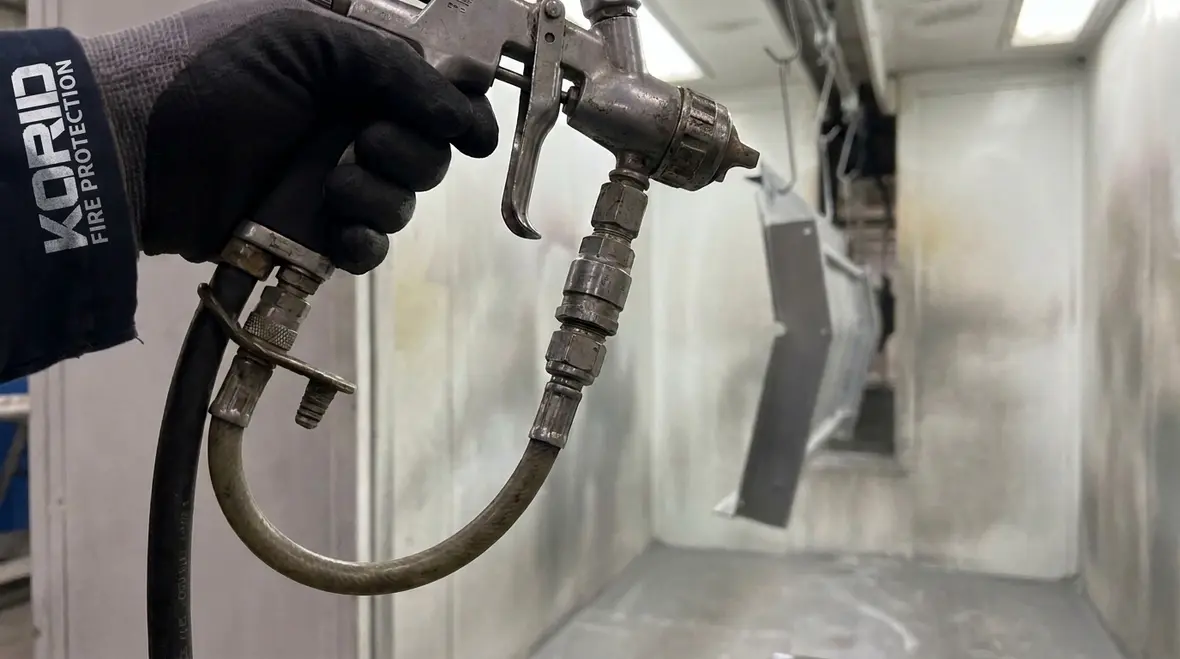
NFPA 33 Section 12.3: Handheld Electrostatic Spray Apparatus Requirements
Quick Answer: NFPA 33 Section 12.3 sets specific requirements for handheld electrostatic spray apparatus used with flammable or combustible coating materials. It focuses on safe construction, proper electrical performance, operator protection, grounding and bonding, and inspection and maintenance controls to prevent ignition and shock hazards.
What NFPA 33 Section 12.3 requires for handheld electrostatic spray devices
Commercial facilities that use compliant spray equipment rely on one principle: the apparatus must control electrostatic energy and minimize ignition sources while maintaining safe operation in real-world conditions. Under NFPA 33 handheld electrostatic apparatus requirements, Section 12.3 addresses the risks unique to handheld electrostatic spraying, where operators, hoses, cables, and spray guns experience frequent movement, wear, and environmental exposure.
NFPA 33 is implemented in many organizations through written procedures, documented inspection intervals, and in-service testing that validates the electrostatic system remains within safe parameters. Kord Fire Protection supports ongoing compliance by aligning inspection and maintenance practices with the operational realities of industrial, commercial, and retail coatings operations.
For teams building stronger records and audit readiness, Kord Fire Protection also covers fire protection compliance auditing, which fits naturally alongside handheld electrostatic equipment inspection and maintenance workflows.
1) Device construction and safe operating design
Section 12.3 requirements begin with the premise that handheld electrostatic spray apparatus must be designed to prevent hazardous electrical conditions. In practical terms, facilities must verify that the spray gun, power supply connection, and control components are purpose-built for electrostatic spraying and compatible with the coating system.
Key compliance design elements facilities verify
Intended electrostatic use: The apparatus must be specifically configured for electrostatic spraying rather than retrofit arrangements that can introduce improper insulation, arcing, or uncontrolled discharge paths.
Electrical insulation and integrity: Handheld units experience abrasion and chemical exposure. Inspectors confirm that insulating components remain intact and resistant to solvents and coating materials used in production.
Control of electrical discharge: The system must limit the likelihood of ignition by ensuring electrostatic behavior remains predictable during normal operation, including trigger use, movement, and spray interruptions.
Mechanical protection: Cables and connectors must survive repeated handling. Failures often originate where strain relief is compromised, connectors loosen, or cable insulation degrades.
2) Grounding, bonding, and conductive pathways
Electrostatic spraying relies on controlled charge behavior. If conductive pathways are inconsistent, the electrostatic system may not function as intended, increasing the chance of sparking, unsafe discharge, or coating defects that lead to rework and extended spray times.
Operational grounding practices that commonly fail
Loose or worn connection points: Handheld hoses and spray gun leads experience vibration and movement. Facilities must verify secure connections at each setup and during scheduled inspection.
Insulation breakdown on cables: Heat, abrasion, and solvent exposure can compromise cable jackets. Damaged insulation can defeat safe current paths and create localized arcing.
Unexpected conductive gaps: Operators may change fixtures, hangers, or part handling practices, unintentionally altering grounding effectiveness. Written procedures should require the same conductive pathway assumptions used during initial commissioning.
Misalignment between equipment and workpiece conductivity: NFPA 33 expectations align with safe charge control. Facilities must ensure parts, carriers, and racks meet the grounding intent for electrostatic performance.
For grounding and bond verification workflows, Kord Fire Protection helps facilities build consistent inspection documentation and address recurring field conditions that create nonconformance during internal audits.
3) Electrical performance and safe energy control
Handheld electrostatic spray apparatus operates by applying electrical potential that supports atomization and transfer. Section 12.3 requirements aim to ensure the apparatus provides safe electrostatic performance without creating ignition-capable electrical faults.
What “safe performance” looks like in daily operations
Consistent operation when triggered: The device should not produce erratic electrical behavior when an operator triggers and releases the spray. If performance changes mid shift, facilities must stop and investigate rather than compensate with extended spray time.
Stable behavior after handling events: Dropped guns, repaired hoses, or cable strain can affect electrostatic output. These changes require verification before resuming coating operations.
Clear interlocks and control behavior: Where systems include controls linked to fan patterns, flow, or power delivery, the facility should validate that the operating sequence remains correct.
Common failure points include degraded high voltage components, damaged insulation, and connector corrosion. These issues often originate in the same areas: strain relief, cable entry points, and frequently touched connectors at the gun and power supply.
4) Inspection, testing, and maintenance controls
Compliance does not end at purchase or installation. Handheld equipment demands ongoing verification because daily use accelerates wear. A facility that treats electrostatic spray guns as “maintenance light” often discovers noncompliance during incident investigations, coating quality failures, or insurance reviews.
Inspection and maintenance practices that support NFPA 33 readiness
Documented pre use checks: Operators should check for visible damage, connector condition, and obvious performance anomalies. Procedures must define when a unit is removed from service.
Scheduled inspections: A facility should establish intervals based on manufacturer guidance, production volume, and the harshness of the environment (solvent exposure, abrasion, temperature swings).
Verification of grounding and bonding continuity: Testing methods must align with the apparatus and system design. When results drift, the underlying cause often involves worn connectors, damaged cables, or incorrect assembly after cleaning or replacement.
Repair controls: After any repair, the facility should require verification before returning the unit to service. Repairs that substitute components without approved compatibility can create hidden ignition risks.
End of life decisions: If insulation, strain relief, or internal components show repeated failures, the correct response is replacement, not repeated patching.
Kord Fire Protection commonly supports facilities by reviewing maintenance records, confirming inspection documentation, and advising on practical field checks that reduce nonconformance during regulatory or internal safety audits.
If your team is tightening records across inspections and corrective actions, this companion resource on fire safety system documentation for compliance can help connect paperwork habits to cleaner audit outcomes.
5) Common compliance challenges in commercial, industrial, and retail coating areas
Even when a facility purchases certified equipment, real-world conditions can push operations away from the assumptions behind safe electrostatic spraying. These challenges show up differently across commercial, industrial, and retail environments.
Challenge patterns by facility type
Industrial coating lines: Higher usage leads to more connector wear and cable damage. Facilities often face production pressure that delays corrective action after damage is discovered.
Commercial refurbishment and maintenance: Equipment may be moved between jobs. Setup variation and inconsistent grounding practices create frequent variability.
Retail and small production spaces: Limited staff and space can lead to incomplete documentation, skipped pre use checks, and slower response to damaged hoses or worn spray guns.
To strengthen compliance posture, organizations benefit from a service partner that understands how inspection findings map to corrective actions. Kord Fire Protection helps teams connect NFPA 33 expectations to practical maintenance workflows and training.
Relevant resources and internal coordination
Facilities typically coordinate NFPA 33 compliance with broader fire and life safety program requirements, including hot work controls, storage practices, and impairment of ignition source management. For additional guidance on how Kord Fire Protection approaches inspection and compliance programs, review: Kord Fire Protection.
Frequently Asked Questions
Next step: put Section 12.3 into an actionable compliance program
Facilities can reduce inspection findings and operational risk by formalizing pre use checks, defining removal from service criteria, and scheduling verification that matches real production conditions. Kord Fire Protection helps commercial, industrial, and retail teams maintain NFPA 33 readiness through practical inspection, documentation support, and maintenance coordination. Contact Kord Fire Protection to align your handheld electrostatic spray apparatus controls with Section 12.3 expectations.

Join Our Newsletter!
Get the latest fire safety tips delivered straight to your inbox From our Newsletter.



