
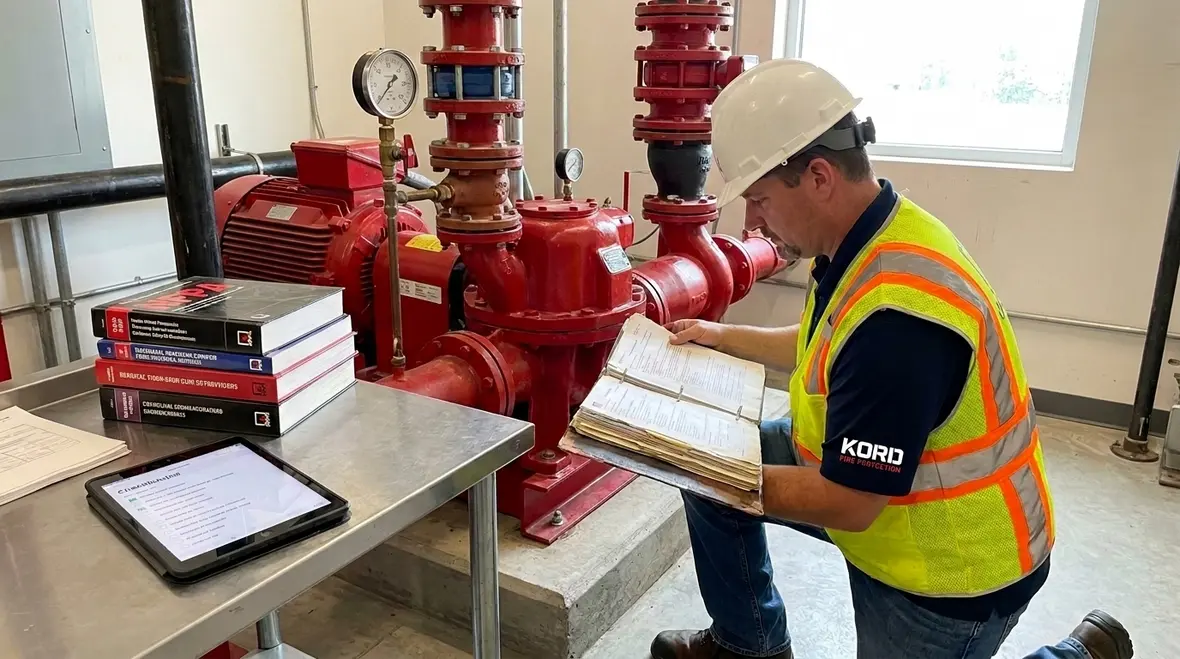
NFPA 32 Section 2.1 General: How Referenced Publication Editions Apply
Quick Answer: NFPA 32 Section 2.1 sets the rule for which editions of other referenced standards apply. In practice, facilities must use the specific edition referenced in the text, not a newer or older version unless NFPA 32 allows an alternative. This affects design, installation, inspection, and maintenance documentation.
If your team is tightening records before an inspection cycle, it helps to review a practical framework for fire safety system documentation for compliance, especially when referenced editions need to stay consistent from commissioning through ongoing service.
Why NFPA 32 referenced publications edition rules matter in the field
NFPA 32 referenced publications edition rules directly determine which technical requirements govern referenced equipment, testing methods, labeling practices, and procedural details. For commercial, industrial, and retail facilities, the wrong referenced edition can lead to non compliant drawings, failed inspections, and maintenance records that do not match the governing fire code basis.
This issue often becomes visible during plan review, acceptance testing, insurer surveys, and AHJ walkthroughs. A system built to the “latest” edition may still be non compliant if the referenced publication edition in NFPA 32 specifies a different year.
NFPA 32 Section 2.1 in plain operational terms
NFPA 32 Section 2.1 addresses how to apply referenced publications when NFPA 32 requires compliance with external standards. The core compliance outcome is straightforward: facilities must follow the edition of each referenced publication as it is identified within NFPA 32.
From a fire safety operations standpoint, the edition rule impacts the entire lifecycle of a system:
- Design basis: Engineering specifications and listing references must align with the edition that NFPA 32 points to.
- Installation and acceptance: Contractors must verify that test procedures, installation details, and labeling meet the correct edition scope.
- Inspection, testing, and maintenance: Maintenance procedures and inspection checklists must remain consistent with the edition requirements used at commissioning.
- Documentation: As built documentation, maintenance logs, and service reports need to reflect the applicable edition references so reviewers can validate compliance.
What “referenced publication edition” means for compliance documentation
Commercial facilities often treat referenced standards as a background requirement, but AHJs typically review the chain of compliance. NFPA 32 Section 2.1 forces a direct link between NFPA 32 and the referenced standard editions.
1) Match the edition year, not just the standard title
Many standards have iterative revisions. Edition year differences can change tolerances, test intervals, calibration requirements, inspection steps, and acceptance criteria. NFPA 32 referenced publications edition rules require the facility to follow the edition that NFPA 32 references, even if another edition appears more current or widely adopted.
2) Lock editions into the project quality plan
Best practice is to include referenced edition information in the facility’s project quality plan and commissioning package. When the edition reference is locked early, it reduces change orders and prevents “version drift” during construction or subsequent maintenance contracts.
A practical method used in commercial environments includes:
- Creating an “Applicable Publications” register listing each referenced standard and its edition as stated by NFPA 32.
- Requiring each vendor submittal to reference the same edition.
- Requiring the contractor’s test procedure to cite the applicable edition for any procedural step that affects system performance.
3) Preserve evidence for AHJ and insurer reviews
During surveys, reviewers look for consistency. If maintenance records cite a different edition than the project basis, reviewers may treat the work as not demonstrably compliant. Facilities should retain:
- Original commissioning test forms and referenced edition notes
- Inspection checklists aligned to the same publication edition
- Calibration records tied to the same testing methodology basis
- Service reports that document what edition was used for procedures
How facilities get tripped up: common failure points
Even well staffed teams miss edition rules during upgrades, renovations, or maintenance contract transitions. The most common failure points are procedural drift and documentation mismatch.
Edition drift during maintenance contract changes
New contractors often bring their standard operating procedures. If those procedures reference a different edition, the facility can unintentionally operate out of alignment with NFPA 32 referenced publications edition rules. The issue may remain hidden until an inspection cycle or an insurer review requests the basis documents.
Using “latest edition” language in specifications
Some project templates automatically reference “current edition.” When NFPA 32 points to a specific edition, “current edition” creates ambiguity and increases the risk of non compliant acceptance and maintenance testing.
Relying on manufacturer literature alone
Manufacturer instructions are critical, but AHJs generally expect the compliance basis to reference the applicable code edition pathway. Manufacturer materials may not identify the same edition relationship that NFPA 32 requires, especially when procedures have been updated over time.
Operational best practices: make edition control part of routine safety management
Edition control works best when it becomes part of facility operations, not a one time project task. Commercial managers can reduce risk by implementing repeatable operational controls.
Build an “edition control” workflow
- At commissioning: Validate referenced publication edition information during submittal review and acceptance testing sign off.
- During maintenance: Require maintenance providers to confirm the edition used for inspection and testing procedures.
- During renewals: When a maintenance contract renews, require a crosswalk that shows how procedures align to the facility’s edition register.
- During renovations: Confirm whether NFPA 32 edition references have changed in the adopted code cycle for the jurisdiction.
Apply edition rules to equipment inspection mechanics
Edition rules often affect details that show up in mechanics and field measurements, such as:
- How test points are verified and how results are documented
- Calibration intervals and acceptable tolerances tied to the referenced testing method
- Inspection sequence requirements that influence coverage and detection of deficiencies
- Labeling and signage requirements that affect operational readiness and safety communications
For commercial facilities that cannot afford downtime or recurring rework, edition controlled procedures also improve schedule reliability and audit readiness.
Where Kord Fire Protection fits: disciplined compliance support
Kord Fire Protection helps commercial facilities manage code aligned maintenance and testing with documentation discipline. The practical value is reducing uncertainty around referenced standard editions, ensuring inspection and testing procedures match the compliance basis used for commissioning, and supporting clear evidence trails for AHJ and insurer expectations.
If you want to strengthen ongoing readiness, Kord Fire Protection can support review and maintenance planning that aligns field work with your established edition control process. For more insights on hands on compliance readiness, see this fire protection compliance auditing guide.
Frequently Asked Questions
Next step
Ensure your facility’s “Applicable Publications” register matches NFPA 32 Section 2.1 referenced publication edition requirements, and confirm maintenance contractors follow the same edition basis. If you need a defensible inspection and testing documentation package, contact Kord Fire Protection to align your procedures, records, and readiness plan before the next inspection window.

Join Our Newsletter!
Get the latest fire safety tips delivered straight to your inbox From our Newsletter.



