NFPA 32 Section 2.2: Every NFPA Code Cited by the Drycleaning Standard
Quick Answer
NFPA 32 Section 2.2 directs users to the other NFPA codes and standards referenced by the Drycleaning Standard. This matters because compliance is not limited to NFPA 32 alone. Facilities must identify each cited document, apply the related provisions correctly, and maintain ongoing inspection and documentation.
Why NFPA 32 Section 2.2 changes how facilities manage compliance
Commercial drycleaning operations often interpret NFPA 32 as a standalone rule set. Section 2.2 corrects that assumption. It specifies every NFPA code that the Drycleaning Standard cites, which means the actual compliance scope includes multiple overlapping requirements. For facility owners, safety managers, and contractors, the work is practical: you must build a compliance matrix that links each referenced NFPA requirement to the correct system, equipment, and maintenance program.
In practice, the most common compliance failure is not a lack of “understanding,” but a gap in implementation. A cited fire protection or electrical requirement might apply to ventilation, detection and alarm, impairment control, portable extinguishers, or housekeeping and maintenance. If staff follow NFPA 32 operational procedures but the associated referenced documents are not enforced, audits and insurance reviews often identify nonconformities.
For teams tracking documents and references, the NFPA 32 NFPA publications list should be treated as an active management tool, not a passive reading list. The goal is to translate references into testable requirements, inspection frequencies, acceptance criteria, and maintenance records.
What Section 2.2 actually demands from the “drycleaning standard” reader
NFPA 32 Section 2.2 operates like a controlled cross reference. It instructs the reader that when NFPA 32 requires a certain design, protection, or operational feature, that feature may be governed by specific clauses found in other NFPA publications. Those cited publications can include requirements for installation practices, operational controls, inspection, testing, and recordkeeping.
Compliance implication: you must map references to systems
Drycleaning safety systems do not live in isolation. Solvent handling, exhaust and ventilation, emergency response readiness, ignition source control, and fire protection equipment all interact. Section 2.2 makes it clear that each interaction may have a referenced NFPA basis.
For example, a facility might satisfy general NFPA 32 expectations for fire protection, but still fail on referenced requirements for alarm initiation, impairment handling, extinguisher placement, or documentation. The fix is to create a mapping workflow that ties each cited NFPA document to the physical system, then ties the system to inspection and maintenance tasks.
Operational implication: referenced requirements must be maintained, not just installed
Many cited requirements include ongoing maintenance expectations. Kord Fire Protection typically sees recurring gaps around documentation and requalification. Installations that were once correct can drift out of compliance due to changes in equipment, ductwork modifications, solvent system upgrades, or contractor turnover. Section 2.2 makes those drift risks more visible because it expands the compliance footprint beyond NFPA 32 alone.
How to build the NFPA 32 NFPA publications list into a working compliance matrix
A strong compliance program turns “codes cited” into “field verified.” Facility teams can use this approach to operationalize NFPA 32 Section 2.2.
Step 1: Extract every cited NFPA code from Section 2.2
Start with Section 2.2 and record each cited NFPA publication. The output should include publication name, scope relevance, and where it applies in the drycleaning operation. Keep the list version-controlled because NFPA editions change over time.
Step 2: Assign each citation to the correct subsystem
- Ventilation and exhaust: Link cited provisions to ductwork, make up air, fan operation, and exhaust routing.
- Ignition source and electrical control: Link provisions to equipment ratings, wiring practices, and control logic affecting hazardous areas.
- Detection, notification, and emergency response: Link provisions to alarms, initiating devices, and training and readiness requirements.
- Fire extinguishing equipment: Link provisions to extinguisher selection, placement, inspection, and hydrostatic or service intervals where applicable.
- Inspection and maintenance records: Link provisions to the documentation standards and inspection cadence.
Step 3: Convert citations into testable acceptance criteria
For each subsystem, define what “compliant” means in the field. Examples include verifying alarm audibility where required, confirming inspection tags and last service dates, checking that dampers and exhaust components respond correctly, and verifying that emergency operating instructions are present, current, and followed.
Step 4: Establish a maintenance and surveillance schedule
The risk is assuming annual inspection equals compliance. Many referenced requirements include periodic tests or condition based checks. Kord Fire Protection can support these schedules through inspection planning, deficiency documentation, and coordination of retesting so corrective actions close quickly and accurately.
To support your recordkeeping and verification approach, consult this internal resource: commercial fire alarm services. It provides a structured view of how many commercial facilities validate detection and notification performance against the applicable code expectations.
Where facilities most often fall short when cited NFPA codes get ignored
When NFPA 32 Section 2.2 references additional NFPA publications, the technical failure modes typically fall into predictable categories. These issues show up during insurance inspections, landlord compliance reviews, and authority having jurisdiction walkthroughs.
1) Incomplete document control during equipment changes
Drycleaning facilities frequently modify systems, such as upgrading exhaust fans, replacing control panels, or reconfiguring utility routes. If the compliance matrix stops at NFPA 32 and does not track the cited NFPA provisions, the facility can unknowingly drift into nonconformance. Kord Fire Protection often recommends a “change impact review” that checks whether any referenced code requirements apply to the modified subsystem.
2) Maintenance tasks performed without the required verification standard
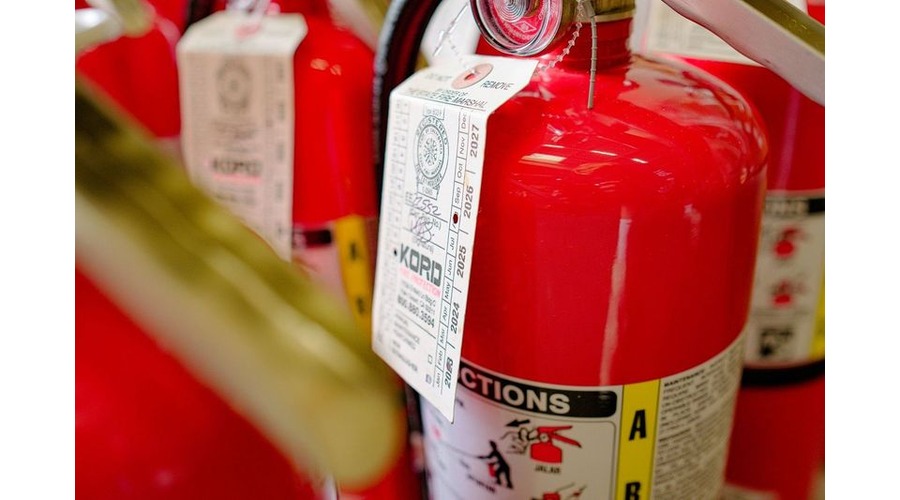
Staff may complete maintenance activities but lack evidence that the work meets the referenced acceptance criteria. Common examples include extinguisher inspections that do not confirm correct placement strategy, or alarm testing that does not validate the correct initiating devices and notification patterns expected by cited standards.
3) Documentation gaps during contractor transitions
Contractor turnover is another recurring issue. Records can become incomplete when service agreements end or when new vendors assume their work “covers everything.” A compliance matrix tied to NFPA 32 Section 2.2 reduces this risk by defining who maintains which documentation and which test reports are required.
4) Delayed correction of minor deficiencies that trigger larger failures
Small issues often become major findings. For example, an out of date tag, a missing access clearance note, or a delayed corrective action on a monitored component can cascade into broader alarm system impairments or inspection failures. Strong closure timelines are part of compliance discipline.
What Section 2.2 means for commercial, industrial, and retail operators
Although NFPA 32 addresses drycleaning operations, the referenced NFPA codes often affect how drycleaning safety is implemented in mixed use, storefront environments, and industrial back of house spaces.
Retail and mall adjacent drycleaning
Retail layouts create constraints around access, signage, and service clearances. Section 2.2 requirements can still apply fully, including those referenced provisions affecting fire extinguishing equipment placement, alarm audibility, and inspection access paths. Facilities should plan maintenance access before equipment installation so inspections remain achievable without unsafe workarounds.
Industrial and multi-tenant buildings
Industrial sites often have centralized systems and shared monitoring. A cited requirement might involve impairment handling, alarm routing, or operational coordination. Facilities should verify that referenced requirements align with the building’s fire protection strategy and that documentation is shared between tenants and property management.
Common thread: operational readiness and record quality
Across all facility types, compliance depends on sustained readiness. Staff training, inspection cadence, and defect closure discipline matter as much as initial installation quality. Kord Fire Protection supports these goals by aligning inspection procedures and reporting formats with the reality of commercial operations and maintenance workflow.
How Kord Fire Protection helps close the “Section 2.2 reference gap”
Because NFPA 32 Section 2.2 expands the compliance footprint through cited NFPA codes, facilities benefit from a verification partner that treats cross references as a technical workstream. Kord Fire Protection focuses on practical outcomes: confirming system performance, documenting evidence, and supporting corrective action closure.
Typical support includes inspection and testing coordination, deficiency identification with actionable language, and retesting for verification. This reduces the time between finding a gap and proving it is corrected, which is critical during audits and high visibility inspections.
For related inspection support, see fire extinguisher inspection and service to strengthen the documentation and verification portion of your cited requirements compliance.
Frequently Asked Questions
Next step: turn Section 2.2 references into verified field compliance
Review NFPA 32 Section 2.2, extract every cited NFPA publication, and convert the references into a subsystem based compliance matrix with testable criteria and documented maintenance. Then validate the system condition with qualified testing and inspection support. Kord Fire Protection can help your team verify performance, close deficiencies efficiently, and maintain audit ready documentation. Contact Kord Fire Protection to schedule an inspection and build a reference compliant maintenance plan.

Join Our Newsletter!
Get the latest fire safety tips delivered straight to your inbox From our Newsletter.