
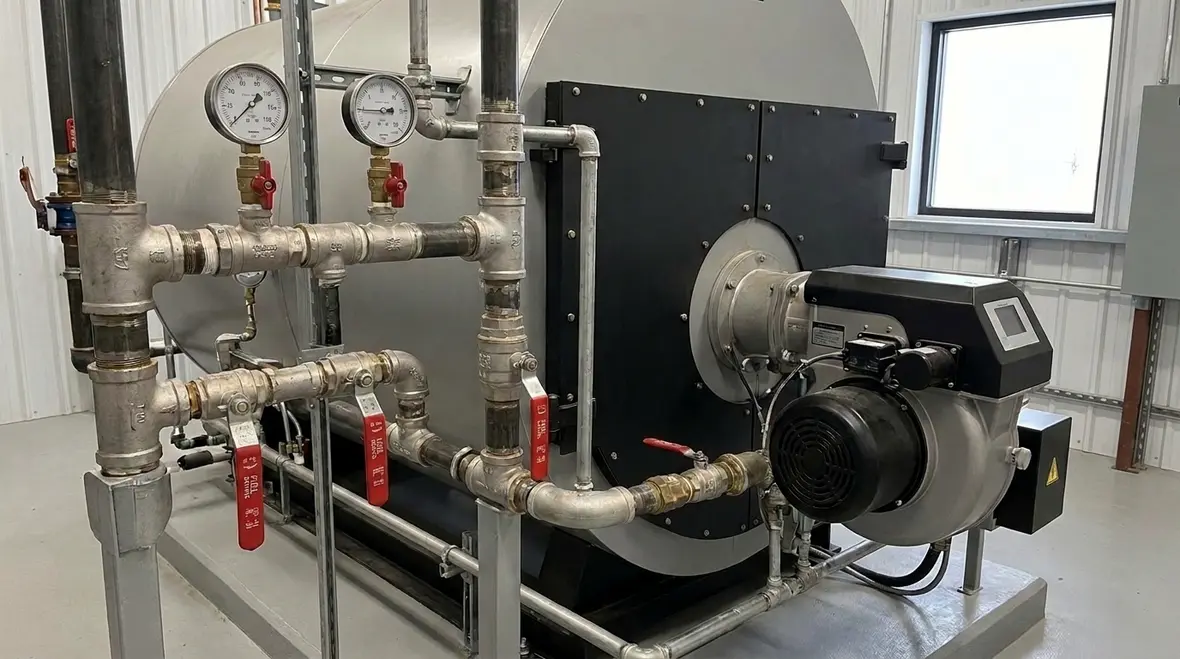
NFPA 31 Section 13.7: Piping and Valves for Oil-Gas Appliances
Quick Answer: NFPA 31 Section 13.7 establishes practical, safety focused requirements for piping systems and valves serving oil-gas appliances. It focuses on correct installation, suitable valve types and locations, leak tight performance, and inspection and maintenance controls that reduce ignition and release risks.
What NFPA 31 Section 13.7 Covers for Oil and Gas Appliance Fuel Piping
NFPA 31 Section 13.7 addresses how fuel piping and valves connect, operate, and remain dependable for oil-gas appliances. In commercial, industrial, and retail settings, these systems routinely support time sensitive service operations, high occupancy risk, and multi-tenant maintenance realities. As a result, compliance does not stop at installation. It extends into ongoing inspection, functional testing, and repair controls to prevent hazardous fuel release.
The target requirement is commonly framed as NFPA 31 oil gas appliance fuel piping valves installed and maintained so they reliably control fuel flow, support safe operation, and reduce the probability of leakage, misrouting, or valve failure during burner cycles.
For a broader installation baseline that naturally supports this section, see NFPA 31 basic requirements for installing oil burners, which pairs well with fuel piping and valve control planning in commercial environments.
How Fuel Piping and Valve Design Choices Drive Compliance Risk
In the real world, noncompliance often starts before any inspection. Bad piping runs, incompatible materials, or the wrong valve configuration can create hazards that only become visible once the system is commissioned or serviced under load.
Common installation drivers that lead to failures
Improper valve selection: Valves that do not match the fuel type, pressure, temperature range, or burner control design can degrade seals or stick under cycling.
Incorrect placement: Valves installed where they are difficult to access, shielded from inspection, or exposed to damage increase the chance of unnoticed leakage or delayed corrective action.
Misaligned piping and stress: Rigid pipe supports, poor alignment, or inadequate hangers can place mechanical stress on valve bodies and unions. That stress can cause micro leaks at fittings after thermal cycling.
Inadequate sealing and joint practices: Thread sealant selection, torque practices, or unapproved joint compounds can lead to seepage that only shows up during regulator adjustment or after temperature changes.
Commercial facility reality check
For many facilities, the primary operational challenge is not the original installation. It is managing changes over time. Fuel piping is frequently affected by tenant fit outs, boiler replacement schedules, burner upgrades, and valve replacements performed by different contractors. A compliance program must therefore treat fuel piping and NFPA 31 oil gas appliance fuel piping valves as controlled assets with clear ownership, documentation, and maintenance history.
Valve Functions and What Inspectors Look For During Commissioning and Maintenance
NFPA 31 Section 13.7 emphasizes that valves must support safe fuel control and remain capable of functioning as intended. Inspectors and competent technicians typically evaluate performance in four areas: suitability, accessibility, physical integrity, and operational control.
Operational control and shutoff reliability
Fuel shutoff valves serve as critical barriers between normal burner operation and abnormal release scenarios. A valve that can not close fully, fails to seat, or sticks during cycling defeats the safety purpose of the system.
During commissioning or service, technicians commonly verify safe shutdown responses by observing burner behavior, confirming that flow stops at the correct point in the control sequence, and ensuring that the valve stem, operator, and internal components do not indicate binding or abnormal resistance.
Physical integrity and leak tight performance
Leak risk increases at interfaces rather than in the middle of pipe runs. Inspectors typically focus on:
Valve joints and unions: Look for seepage at packing glands, union faces, and threaded connections.
Gaskets and flange integrity: Confirm correct materials and secure fastener conditions where used.
Seals after thermal cycling: Small leaks can appear after heat exposure and expansion, particularly if alignment or support is marginal.
Accessibility, labeling, and protection from damage
Even a properly functioning valve becomes a compliance problem if it cannot be reached, identified, or operated without excessive delay or risk. Commercial sites often store equipment in valve corridors or route piping through areas exposed to mechanical damage. NFPA 31 aligned maintenance practices require that valve access supports safe operation, inspection, and emergency response.
Inspection and Maintenance Practices That Keep Valve Performance Dependable
Compliance survives only when maintenance can prove system readiness. Facilities commonly implement maintenance intervals tied to burner cycling rates, operating environment, and manufacturer guidance. Regardless of the schedule, maintenance teams should structure work so valve function and leak tightness are verified, documented, and trended.
Procedures that reduce repeat failures
Document valve configuration and service history: Track valve type, location, pressure rating, and replacement date, especially after any system modifications.
Use controlled replacement practices: Replace like for like and verify compatibility with fuel type and operating conditions before returning the system to service.
Check packing and operator condition: Inspect stems, handwheels, actuators, and packing glands for signs of wear, deformation, or persistent residue.
Verify after service and after any change: Any adjustment to regulators, burners, controls, or piping should trigger a post change inspection focused on valves and connections.
Common failure points in the field
Field experience consistently shows the same patterns. Valve packing can harden over time, seals can relax after repeated heat cycles, and foreign material from upstream regulators can contribute to sticking. A strong maintenance program anticipates these mechanisms through inspection, cleaning where permitted, and prompt replacement of components showing degradation.
For practical installation and compliance context that supports safe oil fired equipment work, see this resource: NFPA 31 practical guide to oil burning equipment installation. It aligns well with the same real world installation disciplines that protect valve performance and reduce leak risk.
Managing Compliance in Retail, Industrial, and Multi Contractor Environments
Commercial facilities frequently face conflicting schedules and differing contractor scopes. That complexity increases the probability of valve misidentification, partial repairs, or documentation gaps. NFPA 31 Section 13.7 expectations work best when the facility treats fuel piping and valves as a system with defined responsibilities.
Key controls that commercial teams should adopt
Single source documentation: Maintain valve drawings, as installed schematics, and inspection records in a controlled location accessible to service providers.
Pre job verification: Before any hot work or piping change, confirm valve identity, pressure rating, and intended flow direction.
Post job verification: After commissioning, perform targeted inspection to confirm leak tight connections, correct valve operation, and proper labeling and access.
Where Kord Fire Protection supports ongoing compliance
Kord Fire Protection provides commercial support for inspection, testing, and maintenance coordination for oil and gas appliance systems. The focus stays on operational readiness and documented evidence of control over ignition and release hazards. This service approach helps facilities reduce repeat defects, manage contractor turnover, and maintain a defensible compliance posture over the full equipment lifecycle, not only at install time.
Frequently Asked Questions
Conclusion and Call to Action
NFPA 31 Section 13.7 focuses on keeping fuel piping and NFPA 31 oil gas appliance fuel piping valves dependable through correct installation and disciplined maintenance. Facilities reduce ignition and release hazards by controlling valve selection, confirming leak tight performance, and verifying operation after every system change. To strengthen compliance evidence and minimize repeat failures, contact Kord Fire Protection to schedule an inspection and maintenance review tailored to your commercial equipment and operating conditions.

Join Our Newsletter!
Get the latest fire safety tips delivered straight to your inbox From our Newsletter.



