
NFPA 31 Section 10.5: Operating Controls for Oil-Burning Equipment
Quick Answer: NFPA 31 Section 10.5 sets minimum performance and placement expectations for operating controls on oil burning equipment. The goal is predictable starting, stable operation, and safe shutdown. Proper selection, testing, and maintenance help facilities stay compliant and reduce nuisance trips, lockouts, and unsafe run conditions.
For facilities tightening inspection routines, it also helps to connect operating-control checks with broader fire protection services in Southern California so documentation, testing cadence, and corrective actions stay aligned naturally.
Why Section 10.5 matters in real commercial operations
NFPA 31 operating controls oil burning equipment are not “set and forget” components. In commercial, industrial, and retail settings, burner controls operate in demanding cycles and under variable load conditions. Section 10.5 focuses on how operating controls manage ignition sequences, establish stable flame, and transition the burner between run, modulation, and shutdown states.
Facilities often treat controls as part of routine burner servicing. In practice, compliance gaps usually appear where operating controls interact with building systems: time clocks, temperature controls, demand controls, interlocks, and emergency stop wiring. Even when the burner itself performs well, a marginal control design, incorrect wiring, or aging components can compromise safe operation and inspection outcomes.
What NFPA 31 Section 10.5 expects from operating controls
Section 10.5 concentrates on operating control arrangements that govern normal operation. While the exact requirements depend on the burner type and control scheme, inspectors generally look for three outcomes:
- Correct control function: operating controls must respond in a manner that matches the intended start, run, and stop sequence.
- Safe interruption and transition: controls must reliably move the system into a safe state when operating conditions change.
- Evidence of tested performance: the installation must support practical verification during inspection and maintenance.
For facilities seeking dependable compliance, it helps to document how operating controls are expected to behave across every control mode used on site, including normal demand, override conditions, and scheduled operation.
Common control types covered by operating control expectations
Operating controls may include thermostats, aquastats, pressure and temperature switches, limit controls tied into the control chain, and components that influence when the burner is permitted to start. In many installations, the operating controls feed into the burner primary control, which then executes ignition and flame verification.
A frequent failure point is not the burner primary control itself, but the upstream permission and demand logic. For example, a miscalibrated temperature control can cause short cycling. Short cycling increases wear, accelerates nuisance lockouts, and complicates operational verification during inspection.
Control sequence and mechanism: how systems should behave
Operating controls work by granting or denying permission for the burner to start, then maintaining the burner within allowable limits. A typical control workflow includes:
- Demand signal initiated: a thermostat, pressure switch, or temperature controller requests heat or system operation.
- Safety and permissive checks: the control chain verifies required conditions before ignition.
- Ignition and flame proving: the burner control attempts ignition and proves flame using the approved sensing method.
- Run state management: operating controls and limits regulate continuous operation until demand ends or a limit condition occurs.
- Shutdown: when demand drops or a fault condition is detected, the system transitions to a safe stop state.
NFPA 31 operating controls oil burning equipment should support predictable transitions and reduce “unknown states.” Commercial facilities benefit from using a simple, repeatable demonstration procedure during maintenance: simulate demand changes and confirm the control chain responds as designed.
Where control behavior breaks down
- Interlocks bypassed or miswired: installers sometimes add aftermarket overrides without maintaining the integrity of the safety chain.
- Drift in setpoints: temperature sensors and pressure switches can drift, producing short cycles or late shutoffs.
- Contact wear and intermittent permissives: worn relays or failing switches can cause intermittent lockouts that are difficult to reproduce during service visits.
- Improper reset logic: some control conditions require a manual reset to prevent repeated attempts into unsafe conditions.
These issues often surface during annual inspections when the operating controls are tested under conditions that expose timing delays, selector switch positions, and operating mode configuration.
Inspection and testing expectations in the field
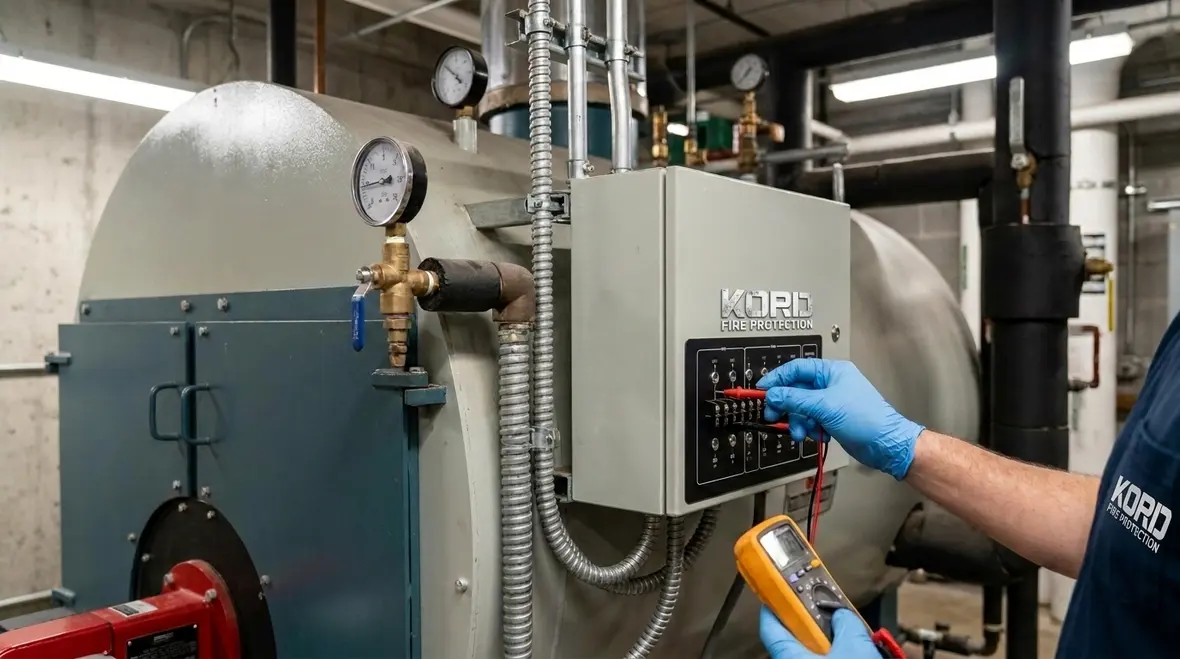
Section 10.5 compliance is typically verified through documentation review and practical inspection of the control arrangement. Inspectors and technicians look for clear evidence that the operating controls and their wiring support safe and repeatable operation.
From a trade perspective, the most defensible approach for commercial sites includes the following:
- Functional testing: verify that demand signals start the burner and that shutoff occurs when demand ends and when limit conditions occur.
- Calibration and setpoint verification: confirm that temperature, pressure, and limit devices operate within specified tolerances.
- Sequence confirmation: confirm ignition timing, flame proving behavior, and shutdown response align with the control design.
- Labeling and operating mode clarity: confirm that control switches, override devices, and emergency interfaces are labeled so operators do not unknowingly place the system into an unintended configuration.
Facilities can reduce recurring noncompliance by maintaining a control test log. A strong log records the test condition, measured values, outcomes, and corrective actions taken. This becomes especially valuable for multi-tenant retail sites and industrial buildings with rotating maintenance personnel.
Commercial compliance challenges and maintenance best practices
In commercial and industrial environments, operating controls oil burning equipment typically experience more than normal wear because systems run under variable schedules. Retail facilities may ramp frequently based on occupancy, while industrial processes may demand different operating profiles across shifts.
Maintenance practices that prevent control-related failures
- Verify upstream demand devices: inspect thermostats, aquastats, and switches for drift, wiring integrity, and contact condition.
- Inspect the control wiring environment: confirm strain relief, terminal tightness, and protection from moisture and vibration.
- Confirm correct reset behavior: ensure locks, manual reset requirements, and safety reset logic operate as designed.
- Document changes: any replacement of operating controls should be documented with model, settings, calibration values, and commissioning outcomes.
How Kord Fire supports ongoing control compliance
Kord Fire Protection helps commercial facilities maintain compliance through practical inspection, testing, and maintenance support. The most effective programs treat operating controls as part of the whole burner system, not as isolated devices. Kord Fire can align service activities with your inspection schedule, document control behavior for audit readiness, and help prevent repeat issues tied to wiring, setpoints, and sequence logic.
For a broader installation perspective that pairs well with Section 10.5 maintenance focus, review this guide: NFPA 31 practical guide to oil burning equipment installation.
Frequently Asked Questions
Next step: secure compliant burner operation
Schedule an operating control review and functional test for your oil burning equipment now. A targeted verification of NFPA 31 operating controls oil burning equipment reduces inspection surprises, cuts nuisance lockouts, and protects uptime. Contact Kord Fire Protection to align your control maintenance with your facility’s operating schedule and documentation needs.

Join Our Newsletter!
Get the latest fire safety tips delivered straight to your inbox From our Newsletter.



