
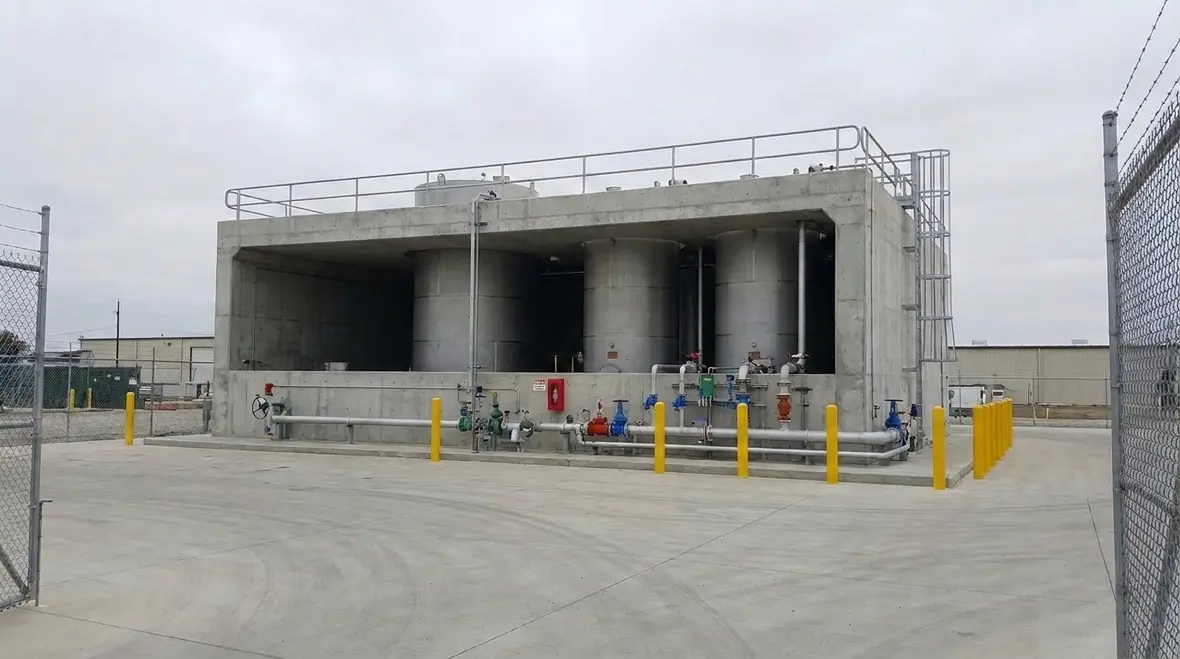
NFPA 30 Section 25.1 Scope Tank Vaults: Compliance, Inspection, and Operational Control
Quick Answer: NFPA 30 Section 25.1 scope tank vaults defines what the standard covers and the performance expectations for protecting flammable liquid storage within vaults. It directly influences vault design acceptance, inspection frequency, maintenance responsibilities, and documentation needed to sustain compliance.
What does “NFPA 30 Section 25.1 scope tank vaults” cover in practice?
NFPA 30 Section 25.1 scope tank vaults establishes the regulatory boundary for how tank vaults are treated under the flammable and combustible liquids framework. For commercial sites, this matters because vaults often function as secondary containment, spill management structures, and a barrier system that supports safe storage, transfer operations, and emergency response. Facilities typically interpret this scope to determine what elements must be protected, how they should perform, and what evidence regulators and insurers expect to see.
In day to day operations, the “scope” drives three control points: (1) what components fall under the vault protections, (2) how those components are inspected and maintained, and (3) how staff document system readiness. When these controls fail, common outcomes include loss of containment integrity, impaired drainage or venting performance, and delayed incident response during a spill or leak event.
For background on the broader regulatory framework governing flammable liquids, facilities can review how NFPA 30 regulates flammable liquids. If your site also needs practical inspection support tied to system performance and documentation, Kord Fire Protection’s fire pump service page outlines inspection, maintenance, testing, and support options that fit naturally into broader compliance planning.
Why tank vault scope is a high risk compliance zone
Tank vaults concentrate the consequences of failure. A small leak can accumulate in confined geometry, increasing exposure potential for vapors and lowering the effectiveness of foam or water based mitigation systems. Operational risk rises where the vault’s intended safety functions depend on mechanical components, clear pathways for drainage, reliable closure systems, and consistent ventilation or vapor control.
Commercial and industrial facilities often face practical challenges that test compliance beyond the design stage:
- Changes to process conditions: Increased throughput or altered transfer schedules can increase spill frequency and vapor generation than originally assumed.
- Maintenance interruptions: Vault systems require sustained readiness. Deferred servicing of sump pumps, valves, and detection equipment frequently creates “looks good” conditions that fail under real conditions.
- Contamination buildup: Dirt, scale, and residue in drains, strainers, and sumps can reduce capture and delay removal after a release.
- Barrier degradation: Coatings, seals, gasketed penetrations, and liners can degrade from chemical exposure or water ingress, undermining containment.
These issues are not just technical. They directly affect audit readiness, insurance underwriting reviews, and the credibility of incident investigations after an event.
What facilities typically verify under the vault scope
NFPA 30 tank vault scope expectations translate into a verification plan that covers both the physical vault structure and the systems required to manage leaks, spills, and vapors. The exact elements depend on the installation, but commercial compliance programs usually assess the following categories.
1) Containment integrity and protected penetrations
Vault walls, floors, and connections must maintain their barrier role. Inspectors typically focus on cracks, joint separation, corrosion at penetrations, damaged seals, and coating failure at interfaces where pipework, cables, and instrumentation pass through. Even if containment appears visually intact, micro pathways can form where penetrations are repeatedly serviced.
2) Drainage control and spill removal pathways
Many vault safety functions rely on the ability to direct or capture liquids. Maintenance teams commonly verify that drains remain unobstructed and that valves and fittings operate through their full range as designed. Where sumps and pumping are required, technicians confirm pump operation, float switch functionality, and backup power or fail safe behavior where applicable.
3) Venting and vapor management readiness
Vault geometry can trap vapors. Compliance checks often include verification that ventilation pathways remain clear and that any vapor control equipment functions correctly. Faults include blocked vents, incorrect damper position due to misconfiguration, corrosion of components, and damaged ductwork after routine facility work.
4) Detection, alarms, and emergency response interfaces
Detection systems and alarms must integrate with site emergency procedures. This includes confirming alarm routing, correct setpoints or threshold behavior, reliable power and supervised circuits, and that operators can interpret the alarm within the incident action plan. A common failure point involves “paper compliance,” where inspections exist but functional testing is limited or recorded inconsistently.
5) Fire protection effectiveness at the vault environment
Vault related fire protection must perform in the presence of flammable liquids and confinement. Facilities should ensure that suppression or control strategies remain compatible with the stored product and that no modifications have compromised coverage, discharge direction, or system activation behavior.
Inspection and maintenance: what strong programs do differently
Effective compliance is not a one time inspection event. Strong facilities implement a maintenance regime that anticipates degradation and verifies performance at the component level. This is where many organizations fall behind, especially when vaults are infrequently accessed or when work is outsourced without a continuity plan.
Operational readiness checks
Facilities typically maintain a short cycle of readiness verification tied to their process schedule, such as transfer frequency and seasonal temperature shifts. Vault systems that often need proactive attention include:
- Valves controlling drainage pathways and isolation points
- Sump pumps, strainers, and float or level detection devices
- Penetration seals around pipework, wiring, and instrumentation
- Vent components and access routes that remain unobstructed
- Alarm panels, indicators, and integration with site response plans
Documentation that withstands audits
Audit level documentation should show what was inspected, what measurements were taken, what defects were found, and what corrective actions were implemented. For vault scope elements, records should also include evidence of functional testing, calibration status where applicable, and confirmation that returned systems meet the required configuration.
Common failure points that trigger corrective action
The most frequent issues seen in commercial environments include blocked drains, failed pump starts due to seized components, degraded sealants at penetrations, and alarms that do not match the intended response procedure. Another recurring problem is incomplete closure after maintenance, such as missing gaskets or bypassed interlocks that remain unnoticed until a high consequence event.
How Kord Fire Protection supports ongoing NFPA 30 vault compliance
Compliance with NFPA 30 requirements depends on continuity between design intent and operational reality. Kord Fire Protection assists commercial facilities by aligning inspection planning, functional testing, and maintenance follow through with the realities of how vault systems degrade over time. This includes structured checks that support risk based prioritization and clearer evidence trails for audits, insurer reviews, and internal governance.
As a practical partner, Kord Fire Protection helps facilities:
- Schedule inspections and functional tests that match operational risk and component criticality
- Identify hidden degradation such as blocked pathways and compromised seals
- Verify alarm and emergency response readiness against actual system behavior
- Track defects to closure with clear corrective action documentation
When vault scope responsibilities extend across multiple trades, Kord Fire Protection also supports coordination so that installation changes do not quietly undermine safety functions.
Frequently Asked Questions
Call to action
Protect containment performance and reduce audit risk by validating your vault scope controls against NFPA 30 requirements. Kord Fire Protection can help you build a practical inspection and maintenance program, close defects with documented evidence, and keep tank vault systems ready for real world conditions. Contact Kord Fire Protection today to review your current vault compliance approach and testing schedule.

Join Our Newsletter!
Get the latest fire safety tips delivered straight to your inbox From our Newsletter.



