NFPA 25 9.5 Automatic Tank Fill Valve Maintenance
Quick answer
NFPA 25 § 9.5 requires thoughtful inspection and upkeep of automatic tank fill valves to keep water based fire protection systems reliable. This article outlines what to check, why it matters, and how kord fire protection can support the job with field ready expertise, clear documentation, and practical maintenance planning for commercial sites across Australia.
If a facility wants its fire suppression system to act like it was trained, it has to stay ready. That is exactly why this topic matters. The requirements in fire protection tank fill valve maintenance NFPA 25 under NFPA 25 § 9.5 focus on automatic tank fill valves and the ongoing care they need.
And yes, valves can be as dramatic as a soap opera character. They often fail quietly, right up until the moment they are needed most. So, facilities should treat inspection and maintenance as a routine discipline, not a last minute scramble.
Near the top of that planning conversation, it also helps to connect valve upkeep with broader full fire protection services, especially when a site needs one team to coordinate inspections, repairs, documentation, and follow through across related system components. For facilities wanting the bigger picture on water based upkeep, Kord’s NFPA 25 overview for complete water-based fire protection systems maintenance fits naturally alongside this topic.
1) What NFPA 25 § 9.5 expects for automatic tank fill valves
Automatic tank fill valves control how fire protection tanks maintain proper water levels. Under NFPA 25 § 9.5, the goal stays simple: the valve must operate as designed, and it must do so when the system calls for it.
To achieve that, fire protection managers and service providers typically focus on function, condition, and controls. First, they confirm the valve opens and closes correctly. Then they check that the tank level response stays within expected limits. Finally, they verify that related components supporting the fill process work as intended.
Because a valve sits at the intersection of water supply, pressure conditions, and system controls, small issues can compound. As a result, a program built around fire protection tank fill valve maintenance NFPA 25 helps facilities reduce risk while also improving operational confidence during audits and inspections.
Why this requirement matters in the real world
A tank fill valve is not glamorous. It does not get applause. Nobody throws it a retirement party for years of faithful service. But if it fails to maintain the right water level, the entire water based fire protection arrangement can lose a layer of readiness that the site was counting on. That is why this section is less about abstract code language and more about making sure the equipment behaves when pressure is on, literally and figuratively.
2) How teams should inspect valve performance and condition
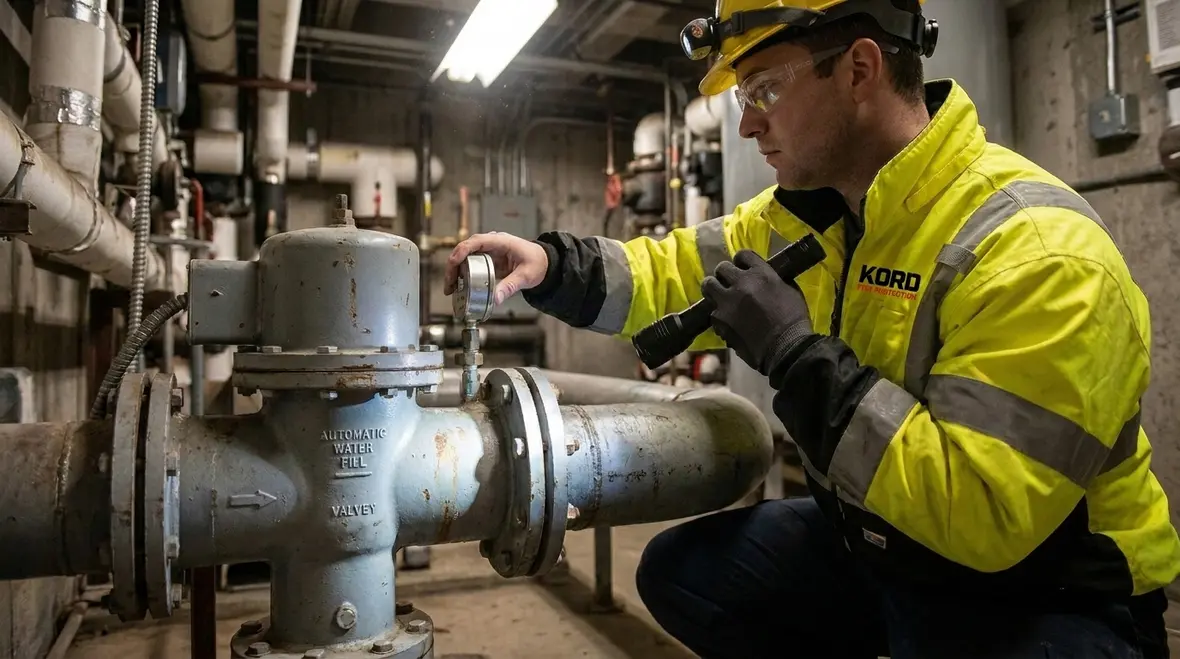
Inspection should not become a quick glance and a nod. Instead, it needs a structured look at the valve body, connections, and control logic that drives operation.
In practice, teams often evaluate:
- Valve condition including corrosion, wear, or signs of leakage around packing, flanges, or fittings
- Operate and verify that the valve cycles as required by the control system
- Check for flow restrictions such as debris or fouling that can delay fill action
- Confirm water supply conditions remain stable, because erratic pressure can cause poor valve response
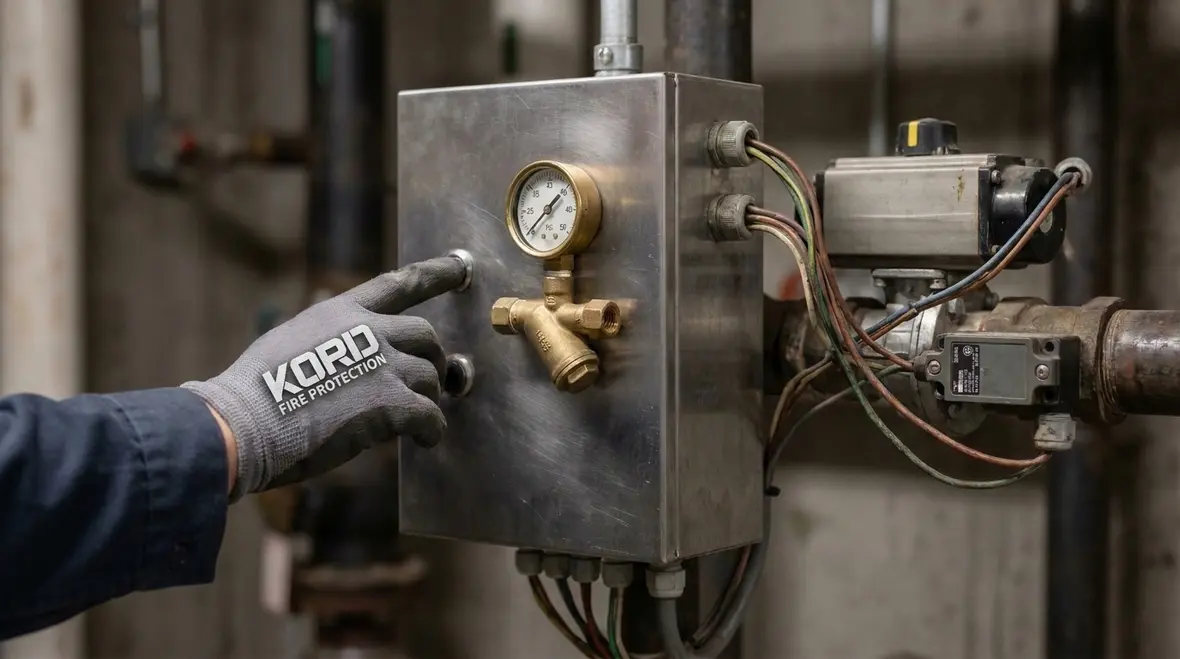
- Review actuator and limit switches where applicable, so control signals match real valve position
Transition matters here. For example, after a visual check, the technician should move to functional checks so the site can trust what they measured, not just what they saw. Also, if the valve shows early signs of sticking, the next step should involve targeted cleaning or adjustment before the issue grows.
And let’s be honest, nobody wants a valve that “technically works.” If it works only when it feels like it, then it is not ready for the job.
What a good inspection sequence looks like
A solid inspection sequence usually starts with the obvious and ends with proof. Teams begin by identifying the valve, checking access, confirming there are no visible leaks, and reviewing any past history that might hint at repeat problems. After that, the work moves into operation. Does the valve respond when tank level conditions call for action. Does it travel smoothly. Does it seat properly. Does the control indication reflect reality. Those questions sound simple, but they separate a real maintenance program from a paperwork exercise wearing a hard hat.
Where applicable, upstream strainers, related supervisory devices, and surrounding piping conditions should also be reviewed in the same visit. Otherwise, a team might replace effort with optimism, and optimism is not a maintenance strategy.
3) Maintenance planning that prevents repeat failures
Once inspection reveals what is wrong, maintenance should follow a cause based plan. Otherwise, the facility just keeps paying for the same problem to show up again, like an uninvited guest who never takes the hint.
Effective fire protection tank fill valve maintenance NFPA 25 planning often includes:
- Cleaning and clearing of strainer screens and flow paths where contamination commonly builds up
- Replacing worn seals or packing before leakage becomes a larger issue
- Calibrating or adjusting controls so tank level thresholds trigger fill at the correct time
- Lubricating moving parts only when the valve manufacturer allows it, because the wrong product can create more trouble
- Verifying alarm and supervisory signals so the control room knows when the fill system does not behave normally
In addition, facilities benefit when maintenance is scheduled around site realities. Many commercial and retail operations cannot tolerate downtime. Therefore, the best service plans coordinate access windows, isolate only what is needed, and confirm performance after work is completed.
For industrial and manufacturing environments across Australia, water quality and dust load can vary widely. Consequently, the maintenance interval may need to tighten in harsher conditions to keep the valve operating reliably.
How to stop the same valve problem from returning
Repeat failures usually mean the first fix addressed the symptom and not the reason it happened. If debris keeps showing up, then cleaning the valve without checking filtration, upstream conditions, or tank contamination is only half a job. If control timing is off, replacing hardware without reviewing level logic can leave the same misfire waiting for next month. Good maintenance planning asks what failed, why it failed, what else that failure touched, and what evidence shows the correction actually worked.
That approach also helps managers budget more intelligently. A site that understands root causes can plan parts, labour windows, and follow up checks without turning every issue into a surprise event. Surprise events are great for birthday parties, less great for life safety systems.
4) Documentation and compliance readiness for audits
After the technician finishes the work, the facility should not be left with “trust me, it looks fine.” Instead, the site should receive clear records that show what happened, what changed, and how the valve performed.
Strong documentation typically covers:
- Valve identification and location details
- Inspection findings with measured observations where possible
- Parts repaired or replaced, including relevant serial or lot details when available
- Operational verification results
- Any recommendations for follow up work and timelines
Furthermore, when documentation stays consistent, it supports internal safety meetings, insurer requests, and compliance reviews. It also helps facility managers spot trends across multiple sites. If multiple locations show the same wear pattern, then the business can address the root cause instead of chasing symptoms.
Because audits can feel like a pop quiz from a villain, the right paperwork helps keep the facility calm and prepared.
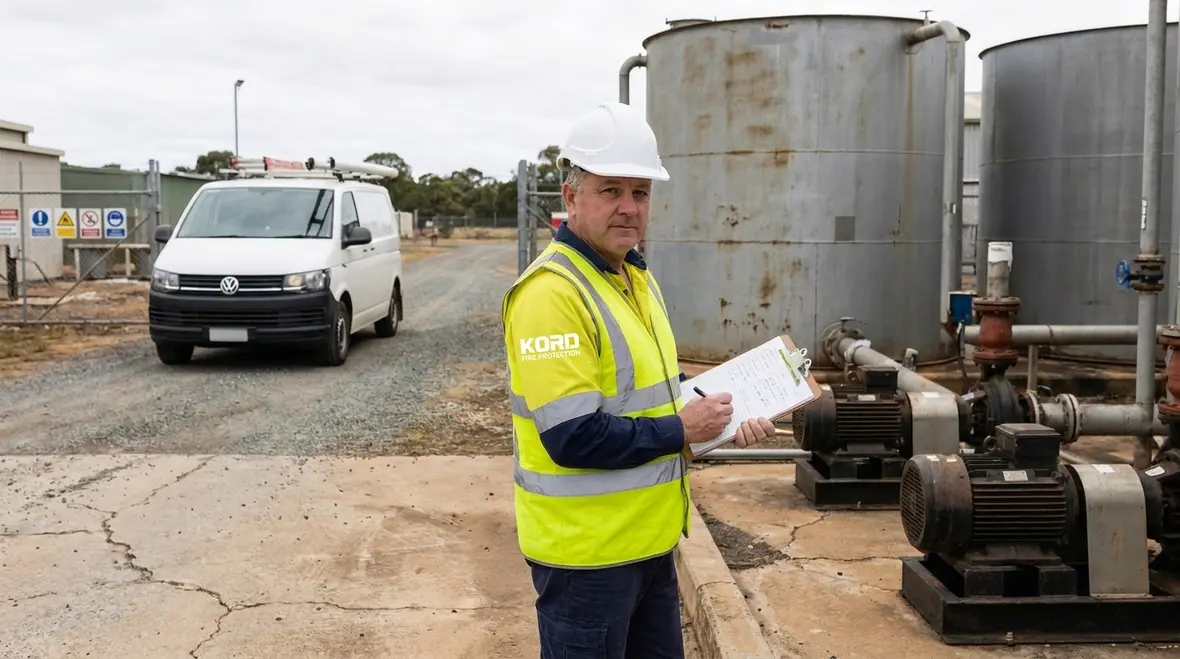
5) Why kord fire protection acts as a vital partner on this job
In many facilities, fire protection tank systems sit behind process equipment, busy loading bays, or critical production areas. So, the service provider must coordinate carefully, communicate clearly, and deliver results that match the operational pace.
That is where kord fire protection becomes a vital partner. The team supports facilities by bringing practical field experience to valve inspection and maintenance, while also aligning work with the expectations of NFPA 25 § 9.5 style requirements for automatic tank fill valve care.
kord fire protection typically helps with:
- Site ready scheduling that respects operational constraints across commercial, retail, and industrial locations in Australia
- Thorough inspection workflows that go beyond basic visual checks and confirm functional performance
- Actionable reporting that highlights risks, corrective steps, and priorities
- Maintenance execution that reduces repeat failures through cause based corrections
In short, a facility gets more than a wrench turn. It gets a service partner that thinks like a maintenance manager, not just like a contractor. And if the valve has ever behaved unpredictably, then that style of partnership matters a lot.
6) Common issues with automatic fill valves and how to address them
Even well maintained systems can develop problems. However, teams can prevent many failures by recognizing the usual suspects early.
Common challenges include:
- Sticking due to debris inside the valve or upstream strainers
- Leakage at seals or connections that leads to low tank levels over time
- Control signal mismatch where the actuator position does not match the command logic
- Pressure variation from supply conditions that affects how the valve fills and stabilizes
- Worn internal components that degrade cycle performance
Then comes the most important part. Once a team identifies the cause, it should address it with targeted work rather than generic adjustments. For example, if debris drives sticking, cleaning and filtration checks matter more than simply operating the valve during a test.
Also, teams should track what they observe. If a valve begins showing slow response, then the facility should plan follow up before the next season, shutdown, or peak demand period. Fire protection systems do not care about calendars, and neither should maintenance planning.
Small symptoms that should not be ignored
Some warning signs look minor until they stack up. A little seepage at a connection, a slightly delayed fill response, a supervisory signal that occasionally misbehaves, or a trend in tank levels that seems just a little off can all point to bigger problems on the way. Sites that catch those clues early usually spend less, document better, and avoid emergency service calls that arrive at the worst possible moment, usually when everybody is already busy with something else on fire, metaphorically speaking.
FAQ
Conclusion
For facilities across Australia, automatic tank fill valve reliability is a business risk issue, not a “someday” task. When fire protection teams follow NFPA 25 § 9.5 inspection and maintenance considerations, they protect system readiness and reduce recurring failures.
kord fire protection helps facilities plan, inspect, repair, and document the work with a calm, professional approach. Reach out to schedule your next valve maintenance visit and keep your fire protection system ready for action.

Join Our Newsletter!
Get the latest fire safety tips delivered straight to your inbox From our Newsletter.