NFPA 25 9.2 Water Storage Tank Inspection Priorities
Quick Answer: NFPA 25 § 9.2 guides fire protection water tank inspections by focusing on the highest risk items first. A solid program checks water levels, condition of the tank interior, inflow and outflow, controls, and related equipment. Kord Fire Protection can streamline this work and help facilities stay audit ready.
For facilities that want broader support around scheduling, documentation, and system readiness, Kord’s full fire protection services can fit naturally into a larger maintenance plan without turning the week into organized chaos.
What NFPA 25 § 9.2 requires for water tank inspection priorities
In Australia, facilities across industrial, retail, and commercial sites often rely on stored water to back up their fire protection systems. NFPA 25 § 9.2 sets the rhythm for NFPA 25 water storage tank inspection priorities, so the work starts with what can fail first and cause the biggest trouble later. In other words, it tells teams to inspect with purpose, not just because a calendar says so.
Specifically, the standard expects inspection programs to focus on reliability. That means the tank has to hold the right water quality, the system must accept and deliver water as designed, and components that affect operation must be verified. If a tank looks fine on the outside but controls fail to start a transfer pump, the system might as well be a prop from a movie set. Nobody wants that surprise when a real alarm actually happens.
That reliability mindset also connects neatly with Kord’s NFPA 25 overview for water-based fire protection systems, which helps frame how tanks fit into the larger inspection, testing, and maintenance picture.

How risk based prioritization reduces downtime and surprises
NFPA 25 § 9.2 priorities generally push inspection effort toward items that influence performance under stress. Therefore, a good approach starts with the path water takes from storage to the fire protection demand. Then teams verify the supporting parts that keep that path dependable.
Risk typically shows up in areas like contamination risk, corrosion, blocked inlets, valve malfunctions, and control or monitoring faults. Furthermore, facilities often share common constraints: tanks are not always easy to access, shutdown windows can be tight, and paperwork requirements can pile up faster than pallets in a busy warehouse. So the goal becomes: inspect deeply without disrupting operations more than necessary.
When sites apply this method well, they catch issues before they escalate. As a result, maintenance becomes planned instead of emergency driven. And yes, that keeps the business running, which is usually the part everyone cares about most after the inspector leaves.
Why the order of inspection matters
The reason this prioritization works is simple: some failures are cosmetic, while others strike right at system function. A bit of external wear may deserve attention, but a blocked outlet, failed level switch, or unreliable valve position can quietly undermine the whole supply path. The smartest inspection programs deal with the functional risks first, then work outward toward secondary defects before those become expensive headaches too.
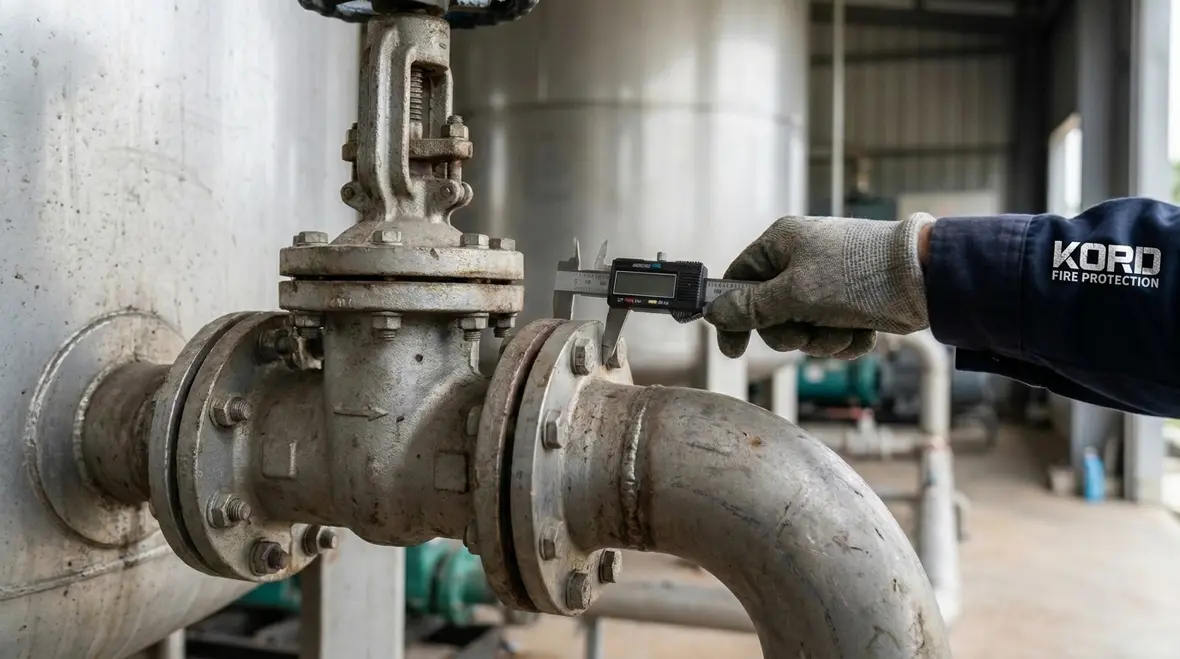
Water storage tank inspection priorities for typical components
When an organization plans NFPA 25 water storage tank inspection, it should treat each component as a link in one chain. If one link weakens, the whole chain loses strength. Below are the kinds of priorities most teams focus on during inspections and verification.
- Tank water condition and clarity: Teams look for signs that water quality could affect system performance, including sediment and conditions that may indicate longer term problems.
- Internal condition: Corrosion, scale, and coating breakdown can spread quietly. Even when the tank appears intact, internal defects may reduce effective volume and increase failure risk.
- Inlet and outlet arrangements: Obstructions or misalignment can cause the system to underperform. Therefore, teams verify flow paths and check for restrictions.
- Valves and isolation points: Valves that stick, fail to seat, or bind during operation can stop water delivery. So inspection priorities include confirming correct operation and condition.
- Piping, supports, and fittings: Leaks, loose supports, and stress points can worsen over time. Catching these early prevents bigger repairs later.
- Level indication and monitoring: Controls that report the wrong level can create delayed response. Accurate monitoring supports timely maintenance actions.
- Associated pumps and controls: If the tank feeds a pump, the pump start sequence and control interfaces must remain dependable.
Importantly, teams should also consider the site context. A marine or coastal environment can increase corrosion risk. Hot water supply environments can affect deposition. Likewise, some retail centres see dust and debris accumulation in access zones. Therefore, the inspection priorities should match the real conditions found on site, not generic assumptions.
A quick way to think about the checklist
A helpful rule of thumb is to follow the water, then follow the controls, then follow the evidence. Start with what stores and moves the water. Continue with what opens, closes, starts, stops, or signals. Finish by confirming the records tell the same story as the field conditions. That sequence keeps inspections practical and keeps awkward surprises from hiding behind nice-looking paperwork.
What a compliant inspection plan looks like in practice
A practical plan turns the standard into a repeatable workflow. First, facilities define access routes and safety steps for tank entry or inspection activities. Then they set inspection intervals that match the system risk and the tank’s history. After that, they document findings clearly enough that an auditor can follow the logic without guessing.
Next, teams prepare for verification. That can include checking instrument readings, confirming valve positions, and ensuring the system can respond as expected. Even if the tank holds the correct quantity of water, controls and valves must still operate correctly. Otherwise, the “stored” part is just a nice story.
Finally, the plan closes the loop with action tracking. When an issue appears, the facility needs a decision path. That means identifying whether the problem requires repair, further investigation, cleaning, or adjustment of operating procedures. As work gets completed, updated documentation should reflect what changed and when.
Facilities that do this well often feel calmer during busy weeks. The work stays planned. Repairs stay targeted. And surprise shutdowns stop acting like uninvited guests at a staff meeting.
Documentation is part of the protection strategy
This is where many programs either look polished or fall apart under pressure. Records need to show what was inspected, what was found, what changed, and what still needs action. A tank can be physically sound, but if follow-up work disappears into email threads and scribbled notes, the compliance story gets messy fast. Nobody enjoys trying to reconstruct six months of decisions while an auditor waits politely and very much notices everything.
How Kord Fire Protection can support tank inspections
Kord Fire Protection can become a vital partner for fire protection water tank inspection programs by helping facilities bring structure to risk based priorities. Instead of treating tank work as a standalone task, Kord approaches it like part of an overall reliability system, where the tank, controls, valves, pumps, and documentation all work together.
In many sites across Australia, the challenge is not only getting the inspection completed, but also making it consistent across multiple assets and locations. Therefore, Kord helps teams reduce rework by aligning inspection steps to what matters most for system performance. Additionally, Kord supports practical scheduling, so the work fits around operations, not on top of them.
Kord also helps facilities build confidence in their records. Because inspections and testing are only half the story. The other half is showing that the facility acted with intent and that follow up actions stayed tied to documented findings. When the paperwork matches the field work, audits go smoother. And audits are already intense enough without turning them into a scavenger hunt.
Common findings and how teams should address them
Even well run facilities can discover issues during water storage tank inspections. The key is how teams respond. Here are common finding types and how a disciplined process usually handles them.
- Sediment or deposit buildup: Teams typically plan cleaning and review conditions that lead to accumulation, then verify performance after the work.
- Corrosion indicators: Teams assess severity, check coatings or protective layers where applicable, and schedule remediation before corrosion spreads.
- Valve stiffness or incorrect positions: Teams often service, adjust, and retest valve operation to confirm the system response stays reliable.
- Faulty level indication: Teams investigate sensor reliability, wiring or calibration, and then confirm monitoring matches actual tank condition.
- Blocked inlets or flow restrictions: Teams remove obstructions, inspect upstream causes, and confirm the flow path supports expected operation.
Moreover, facilities should avoid the temptation to treat each issue as isolated. If one component shows weakness, the environment and maintenance history likely contributed. Therefore, teams should look for patterns. That approach reduces repeat failures and keeps the fire protection system dependable across seasons, shift changes, and changing operational loads.
Frequently asked questions
Conclusion
NFPA 25 § 9.2 helps facilities prioritize fire protection water tank inspection work so the highest risk items get attention first. When sites handle the tank, controls, valves, and monitoring with discipline, they reduce failures and keep operations steady.
Kord Fire Protection can help your team build a reliable inspection program across Australian facilities. Reach out to Kord Fire Protection and bring calm, compliant clarity to your next inspection window.

Join Our Newsletter!
Get the latest fire safety tips delivered straight to your inbox From our Newsletter.