Sprinkler Pipe Corrosion Prevention for Fire Protection Systems
When fire protection systems sit quietly in a building, people forget they are working. Yet sprinkler pipe corrosion can quietly weaken those pipes, delay water delivery, and turn a lifesaving system into an expensive problem. This article covers sprinkler pipe corrosion prevention methods that keep plumbing stable, reduce hidden damage, and help facilities stay audit ready. To make it practical, kord fire protection technicians also share how they spot corrosion early, explain the “why” behind each step, and guide teams on what to do next. In other words, this is not a mystery novel where the villain wins in chapter three. It is a prevention plan with clear actions, calmer outcomes, and fewer surprises than a streaming service cancellation.
Why corrosion forms in sprinkler lines
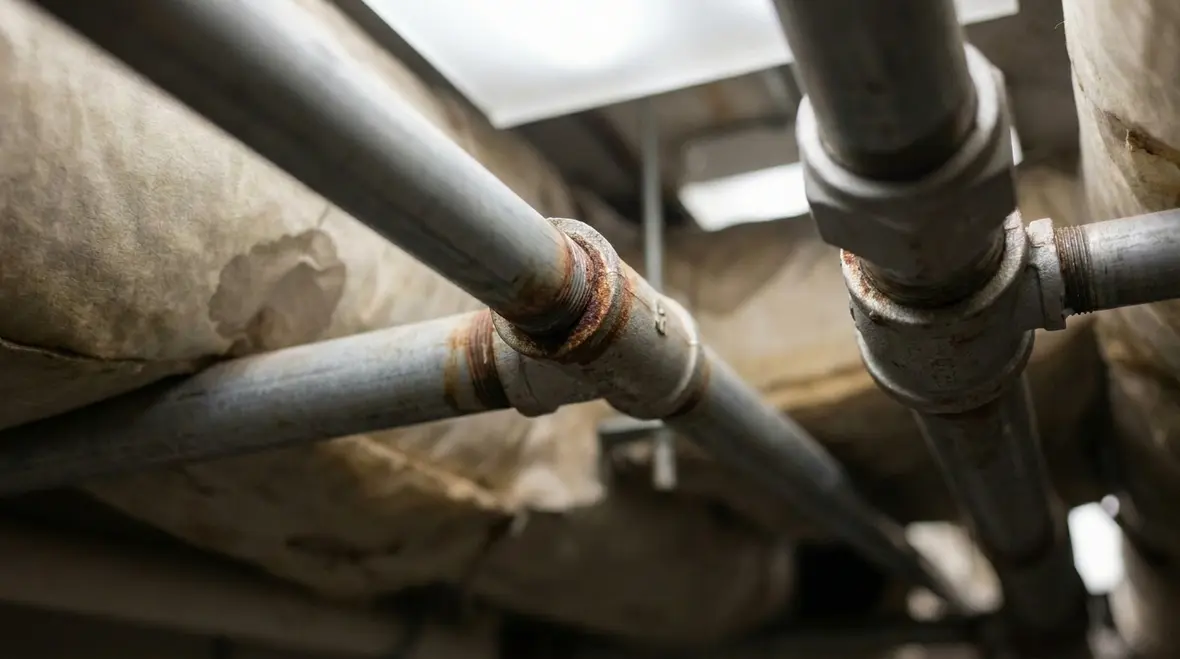
Corrosion usually starts where moisture, oxygen, and metals meet. Even when a system holds steady water pressure, tiny leaks, condensation, and damp building materials can feed the problem. Then the pipes begin to react slowly, often inside the wall or at threaded joints where coatings and tolerances change.
Furthermore, certain building conditions speed corrosion. High humidity, salt air near coastal areas, and building areas that cycle between hot and cold can create condensation. In addition, water chemistry matters. For example, stagnant water can change pH and allow scale and pitting to grow. Over time, pitting can create pinholes, and scale can reduce flow.
kord fire protection technicians commonly explain this in plain terms. They point out that corrosion is rarely “one big event.” Instead, it is many small events that build into a system performance risk.
Start with a corrosion risk walkthrough
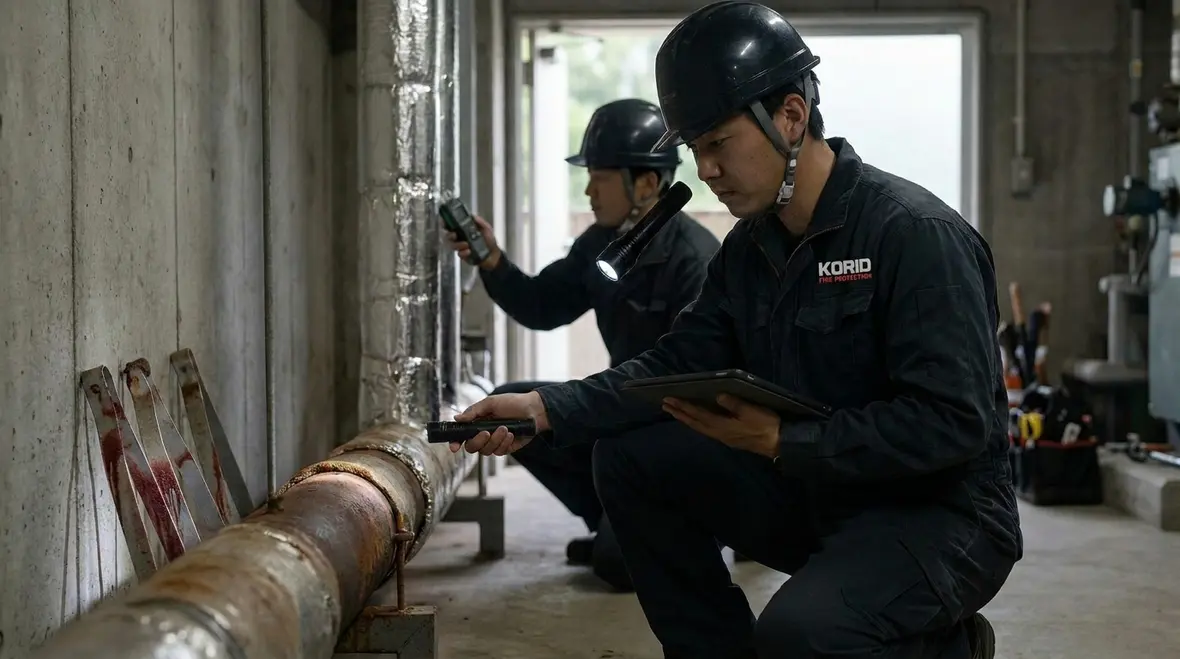
Before any coating or treatment, a facility should map where corrosion is most likely. A risk walkthrough focuses on pipe material, installation style, and the environment around the piping. Then teams review the system’s history, including past repairs, water quality issues, and any freeze events.
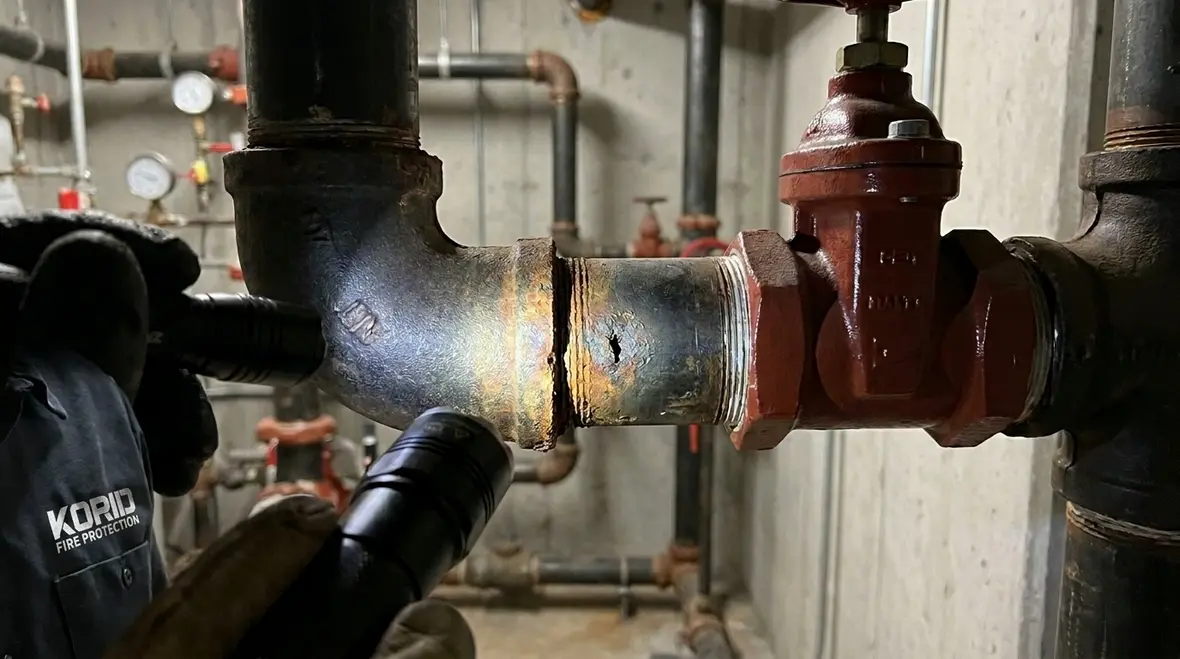
Next, they look for common “clues.” Those clues include rust staining, wet insulation, recurring valve weeping, and drain lines that do not fully dry. Also, they check hangers and supports, because trapped moisture around brackets can lead to localized corrosion.
Finally, kord fire protection technicians recommend simple documentation. They record locations, photos, and moisture findings so the next inspection does not start from scratch. It is like labeling leftovers. If people skip it, the fridge turns into a science experiment.
Choose the right materials and coatings
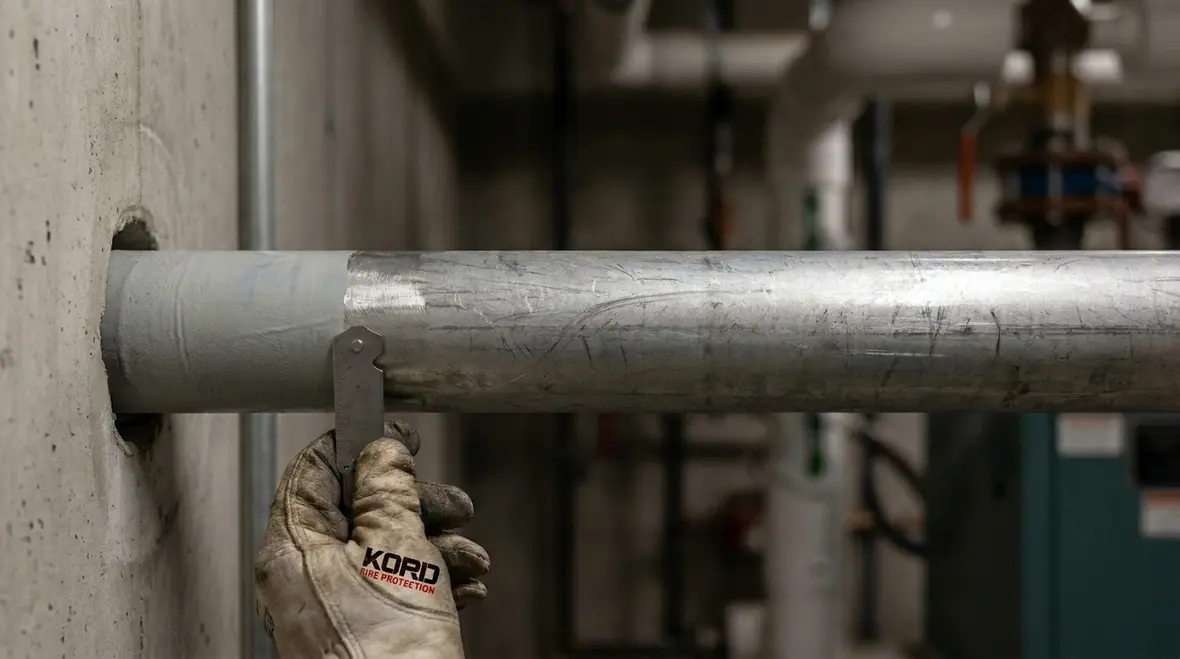
Not all pipes behave the same way. Facilities should consider material selection based on the system design, local conditions, and water chemistry. Where design allows, using corrosion resistant pipe options can reduce risk at the start instead of trying to “fix it later” with band aid solutions.
Coatings also play a major role. However, coatings only work if they match the pipe, the environment, and the installation method. Therefore, teams should follow manufacturer instructions for surface prep, dry film thickness, and curing time. If crews rush prep, coatings fail sooner. If they skip inspection, they will miss holidays in the coating coverage, and yes, that is a real failure mode.
When kord fire protection technicians evaluate a system, they check field conditions too. They confirm how coatings perform near joints, sleeves, and penetrations where water can enter behind the coating.
Control moisture and improve drainage
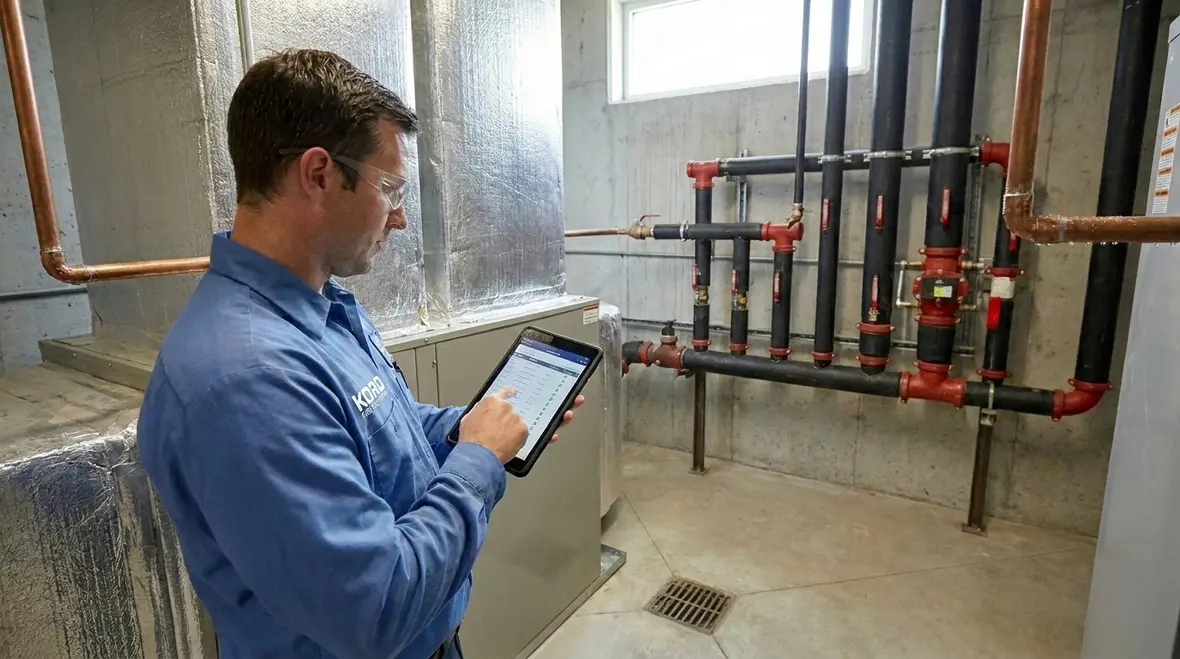
Moisture control often delivers the biggest payoff because it reduces the ingredients corrosion needs. First, facilities should improve insulation condition and repair any damaged vapor barriers. Then they should confirm that drains work properly and that low points fully clear water.
Additionally, teams should review airflow and ventilation in mechanical rooms. Stagnant, damp air feeds corrosion. So they can add dehumidification where needed or improve HVAC settings to stabilize humidity.
Another move is to prevent condensation from forming on cool pipes in warm spaces. That means reviewing pipe routing, insulation thickness, and temperature gradients. In practice, this sprinkler pipe corrosion prevention approach keeps surfaces drier and slows corrosion growth.
Manage water quality and system operation
Even well protected pipes cannot thrive if water quality drives constant chemical reaction. Therefore, facilities should test and manage water chemistry based on local requirements. Then they should monitor for changes after repairs, new make up water, or building modifications.
Also, system operation matters. Facilities should avoid leaving water stagnant in sections longer than needed. They should confirm proper valve function and ensure that test schedules do not create prolonged dwell conditions that worsen scale and corrosion.
kord fire protection technicians often stress this point: the system’s routine life cycle can either protect it or quietly harm it. So teams should connect maintenance schedules with water monitoring and keep records of test events. For deeper insight, review fire alarm inspection and testing for commercial buildings.
Implement inspection and testing that finds issues early
Early detection beats emergency response. Facilities should plan inspections that target corrosion prone locations such as threaded joints, exposed piping runs, and areas near exterior walls. Visual inspection helps, but internal and hidden corrosion may not show up right away.
For that reason, teams can use non destructive methods where allowed, such as internal inspection and thickness measurements on accessible sections. When appropriate, they also monitor system performance indicators. If flow tests show unexpected changes, corrosion and blockage may be factors.
Furthermore, a strong maintenance program sets clear triggers. If a system shows increased leak frequency, recurring valve weeping, or abnormal pressure behavior, teams should investigate. kord fire protection technicians typically advise that “normal” should be defined in writing, so the next technician can compare results without guessing.
Use corrosion prevention services and repair with care
When corrosion appears, quick repairs matter, but they also require discipline. Replacing corroded sections with correct materials and proper installation reduces repeat failures. That includes correct joining methods, proper torque for fittings, and correct support spacing.
In addition, surface treatment before coating or sealing must match the corrosion condition. If crews coat over active corrosion, the problem can keep moving under the coating. Therefore, teams should remove loose material and prepare the surface so the repair bonds correctly.
Sometimes, facilities also benefit from targeted protection like inhibitors or compatible line treatments. However, those steps should follow engineering review and manufacturer guidance. Nobody wants an expensive science fair inside a sprinkler room, even if the idea sounds cool in theory. Learn more about professional support through kord fire protection services.
FAQ
Final word from kord fire protection technicians
Corrosion does not wait for a budget cycle, so a facility should act with purpose. When teams apply sprinkler pipe corrosion prevention through risk walkthroughs, moisture control, water management, careful repair, and early inspections, the system stays reliable.
kord fire protection technicians can help identify weak points and set a practical plan that fits the building, the water, and the schedule. Contact them now to review current conditions and build a prevention roadmap that protects assets and people, without turning maintenance into a never ending plot twist.

Join Our Newsletter!
Get the latest fire safety tips delivered straight to your inbox From our Newsletter.