Dry Sprinkler Nitrogen Generator Inspection NFPA 25 13.10
Quick Answer: NFPA 25 § 13.10 lays out inspection expectations for air compressors and nitrogen generators that support dry and preaction sprinkler systems. Facilities that follow these steps protect system readiness, reduce downtime, and keep compliance on track. Kord Fire Protection can help coordinate inspections, documentation, and corrective actions with a steady, professional hand.
In the first 100 to 150 words, the spotlight lands on dry sprinkler nitrogen generator inspection NFPA 25 and the reality that many sites treat it like a formality. That is fine, until the day a system does not perform the way it should. Then it becomes a comedy where nobody laughs. And yes, fire safety loves punchlines.
NFPA 25 § 13.10 addresses how facility teams must inspect air compressor and nitrogen generator equipment used for dry and preaction systems. Near the top of that conversation, it helps to remember that these components sit inside a bigger life safety picture, which is exactly why fire sprinkler service and repair support matters when systems need inspection, correction, and follow through. Kord Fire Protection helps clients treat those requirements as a living process, not a ticking clock. In other words, they become a vital partner that keeps equipment reliable, records complete, and corrective work practical across industrial, retail, and commercial facilities.
What NFPA 25 § 13.10 requires for air compressor and nitrogen generator systems
NFPA 25 § 13.10 focuses on inspection practices that support the components behind dry and preaction operation. For dry and preaction systems, compressed air or nitrogen helps keep system conditions stable until fire detection and system action. Therefore, inspection must confirm that the equipment can deliver the right pressure, in the right way, at the right time.
In practical terms, the inspection process typically includes checks that the air or gas supply system operates within expected limits. It also validates that controls, alarms, and related hardware do not drift out of tolerance. As a result, the sprinkler system receives the conditions it needs to function correctly when a demand happens.
Sites often run these systems in environments with dust, temperature swings, vibration, and frequent building usage. Consequently, compressors and generators need attention beyond the “it powers on” test. Kord Fire Protection approaches these inspections like an audit of readiness, not a quick glance.
Why this section matters more than people think
This is the part many teams underestimate. The sprinkler system itself gets the attention because it is visible, familiar, and easy to point at during a walkthrough. The support equipment, meanwhile, hums away in the background like it pays rent and minds its own business. But if the air compressor or nitrogen generator slips out of performance, the whole arrangement can start losing reliability quietly. That is not dramatic. It is worse. It is sneaky.
Dry and preaction systems depend on stable pressure and clean operation
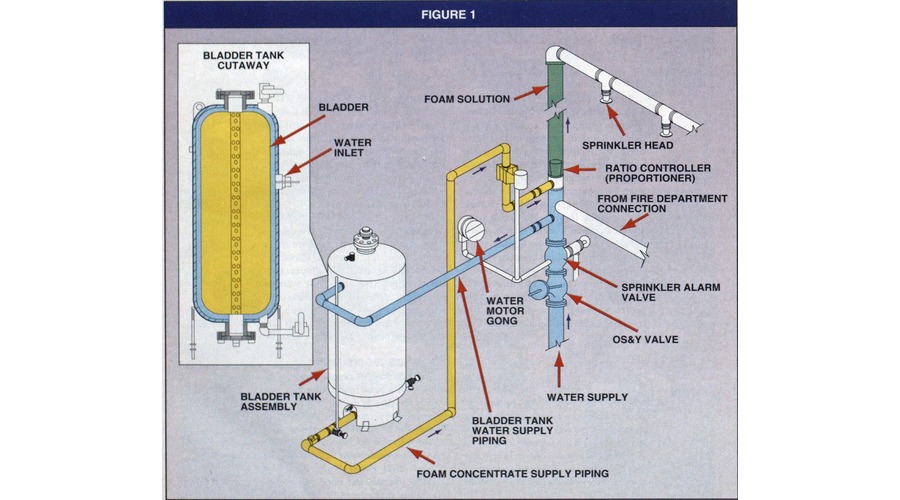
Dry and preaction systems do not wait for luck. They rely on time, pressure, and a sequence of actions. However, compressed air systems and nitrogen generation systems can face slow failures. Examples include regulator wear, sensor drift, leaks, and filter restriction. Then the system still looks fine in normal conditions, until it matters.
For dry systems, the stored air pressure must be managed correctly so that the system can open and drain properly during operation. For preaction systems, the gas supply supports the overall detection and release sequence. As buildings age and equipment cycles increase, these components can lose performance quietly.
That is why a strong dry sprinkler nitrogen generator inspection NFPA 25 plan considers the entire supply path, not just the generator cabinet. The same broader mindset shows up in Kord Fire Protection’s NFPA 25 overview and maintenance breakdown, which reinforces that water-based fire protection reliability depends on coordinated inspection, testing, maintenance, and documentation. Kord Fire Protection helps clients inspect, document, and track findings so that issues do not repeat like an old TV rerun nobody asked for.
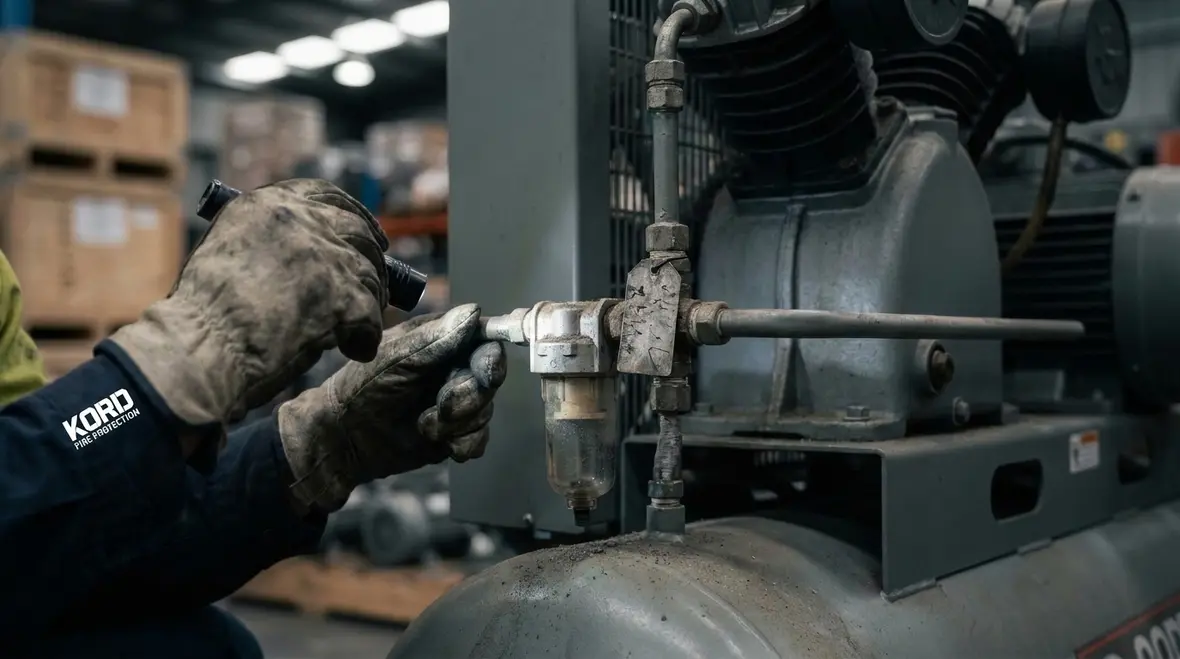
Common weak points in the support chain
- Pressure loss through small leaks that nobody notices until cycling becomes constant.
- Dirty or restricted filters that choke output and make equipment work harder than it should.
- Control settings that drift enough to create nuisance signals or delayed response.
- Alarm and supervisory issues that turn real problems into hidden ones.
- A false sense of confidence built on the phrase, “It was fine last time.”
How inspections should check compressors for performance and reliability
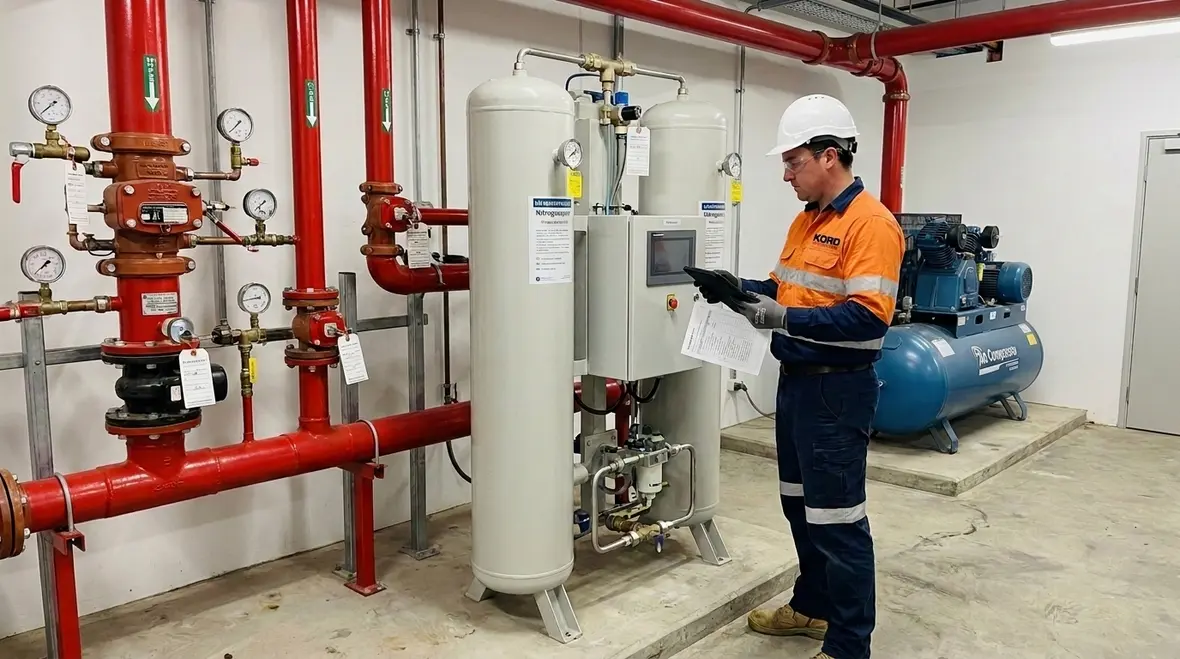
Air compressors used for fire protection systems must be inspected in a way that confirms they deliver dependable pressure and function as intended. First, technicians verify operating status and check for signs of abnormal wear. Next, they review how the unit cycles and whether it maintains the required conditions.
In many facilities, compressors serve equipment in busy mechanical spaces, or they operate in areas with high ambient heat. Therefore, inspectors pay attention to ventilation, cooling, and the condition of fittings and lines. They also look for leaks around joints and connections, because even small leaks can shift system pressure over time.
Then, there is the simple but important question: does the system respond correctly? That includes ensuring that alarms and control actions align with expected behavior. If a compressor fails to recover pressure after demand, the downstream system can become sluggish when it should be decisive.
Kord Fire Protection supports this by treating inspections as a structured service job. They coordinate site access, follow a repeatable checklist, and ensure findings connect back to system performance goals. In business terms, that means fewer surprises and faster planning for repairs.
A practical inspection mindset for compressors
A useful inspection does not stop at “running” or “not running.” It asks whether the compressor starts when expected, stops when expected, holds pressure steadily, avoids unusual heat or noise, and supports supervisory functions without drama. Fire protection is one of those fields where boring is beautiful. The less exciting the compressor behaves, the happier everyone should be.
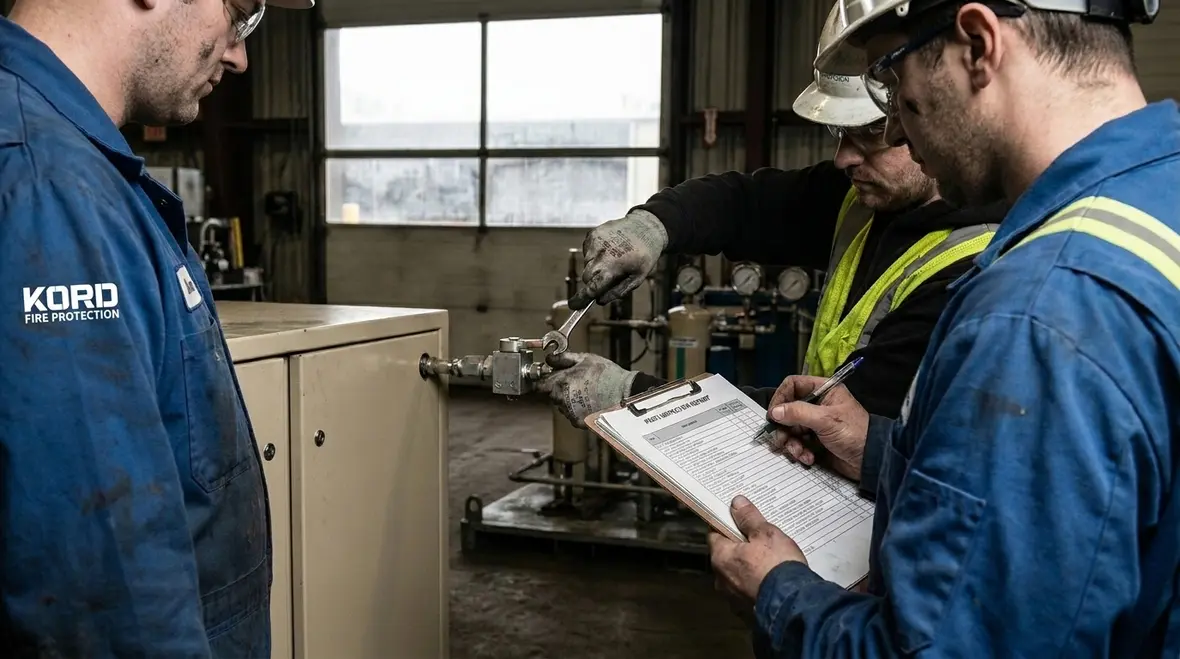
What nitrogen generator inspections should confirm for system readiness
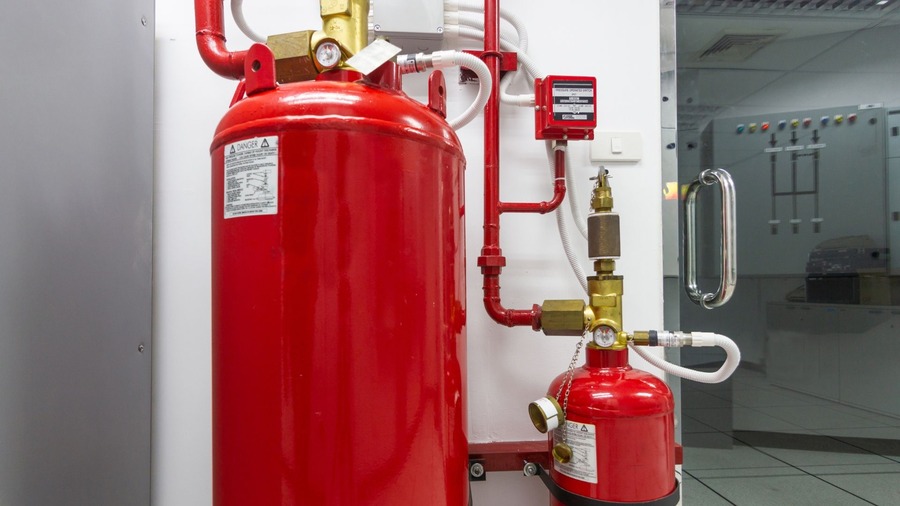
Nitrogen generators help create the gas conditions needed for dry and preaction arrangements. Therefore, inspections for the generator should confirm correct operation and confirm that the equipment maintains the needed output over time. When the generator output falls short, the sprinkler system may not reach the required conditions reliably.
Inspections often focus on controller settings, alarm function, indicator status, and system performance trends. Technicians also review the integrity of the gas delivery path. Filters and valves can affect output stability. Then regulators can become inconsistent. And when those changes occur slowly, the generator may still appear “working” while quietly drifting out of specification.
So, a credible dry sprinkler nitrogen generator inspection NFPA 25 service examines more than the cabinet. It checks how the generator supports the whole system environment. Kord Fire Protection helps facilities make that connection clearly, so compliance and readiness move together.
What “system readiness” really means here
System readiness means the nitrogen generator is not just powered, present, and technically alive. It means output remains dependable, controls make sense, alarms communicate properly, delivery components stay intact, and the whole path supports the sprinkler system without introducing delay or instability. A glowing indicator light is nice. Actual readiness is better.
Documenting findings and closing out corrective actions in real sites
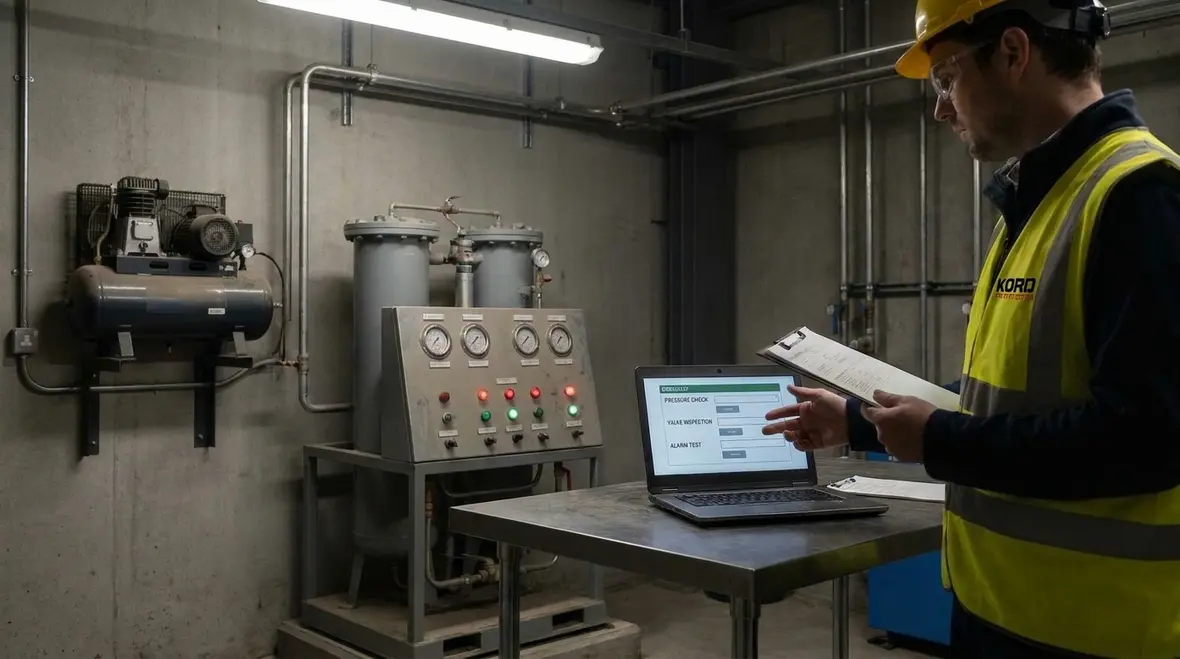
After inspections, the value shows up in documentation and follow through. NFPA 25-based processes work best when records capture what the technician checked, what they observed, and what they found. Then the facility team can plan corrective actions with confidence.
Many sites juggle operations, production schedules, trading hours, and warehouse activity. As a result, delays can become expensive. Kord Fire Protection typically helps reduce disruption by scheduling around site constraints and by clarifying what needs immediate action versus what can be planned.
Corrective actions also should not stop at “we fixed it.” Instead, the team validates the outcome through appropriate checks and updates records so the site knows the system stands ready. That closing loop prevents the classic “we did the repair, so it must be good now” trap. Fire safety does not run on vibes. It runs on evidence.
Where dry and preaction systems include gas and air supply equipment, recurring issues can indicate underlying maintenance needs, not just one-off faults. Therefore, Kord Fire Protection’s approach emphasizes trends and practical recommendations, so the next service cycle feels smarter, not harder.
The records that make the next visit easier
Good documentation creates a memory for the building. It shows pressure concerns that keep returning, components that have already been adjusted, alarms that needed recalibration, and repairs that deserve follow-up. Without that history, every inspection risks starting from scratch. With it, facility teams can make better decisions faster and spend less time decoding what happened last quarter.
Why Kord Fire Protection becomes a vital partner for this service
Air compressors and nitrogen generators sit in the background until they do not. Then they become the headline. Kord Fire Protection helps clients handle this responsibility with an inspection service that feels organised, calm, and business-focused.
First, they align site requirements with the inspection expectations for air supply equipment supporting dry and preaction systems. Next, they support documentation that helps facilities maintain their compliance posture. They also communicate findings in a way that facility managers can act on quickly.
Facilities with multiple buildings often need consistency across locations. Kord Fire Protection supports that need by standardising service delivery and by keeping the details clear. So, when teams across different sites ask, “Is this equipment truly ready?” they get answers that stand on solid ground.
And if you are thinking, “We already have maintenance,” that may be true. However, Kord Fire Protection adds the fire protection inspection layer that ties equipment performance to system readiness. In other words, they help keep the fire protection story coherent.
FAQ: Dry and preaction inspection of compressors and nitrogen generators
Final call to action: keep the system ready, not just installed
Dry and preaction systems depend on air compressor and nitrogen generator equipment that performs every time, not only when a tester shows up. Kord Fire Protection helps facilities plan and complete inspections aligned to NFPA 25 § 13.10, document findings clearly, and support corrective actions with steady follow through.
When readiness, documentation, and corrective action all need to line up without turning the process into a circus, Kord Fire Protection brings a practical approach that keeps the story straight. Contact Kord Fire Protection to schedule your next inspection and keep your fire protection readiness confidently on point.

Join Our Newsletter!
Get the latest fire safety tips delivered straight to your inbox From our Newsletter.