
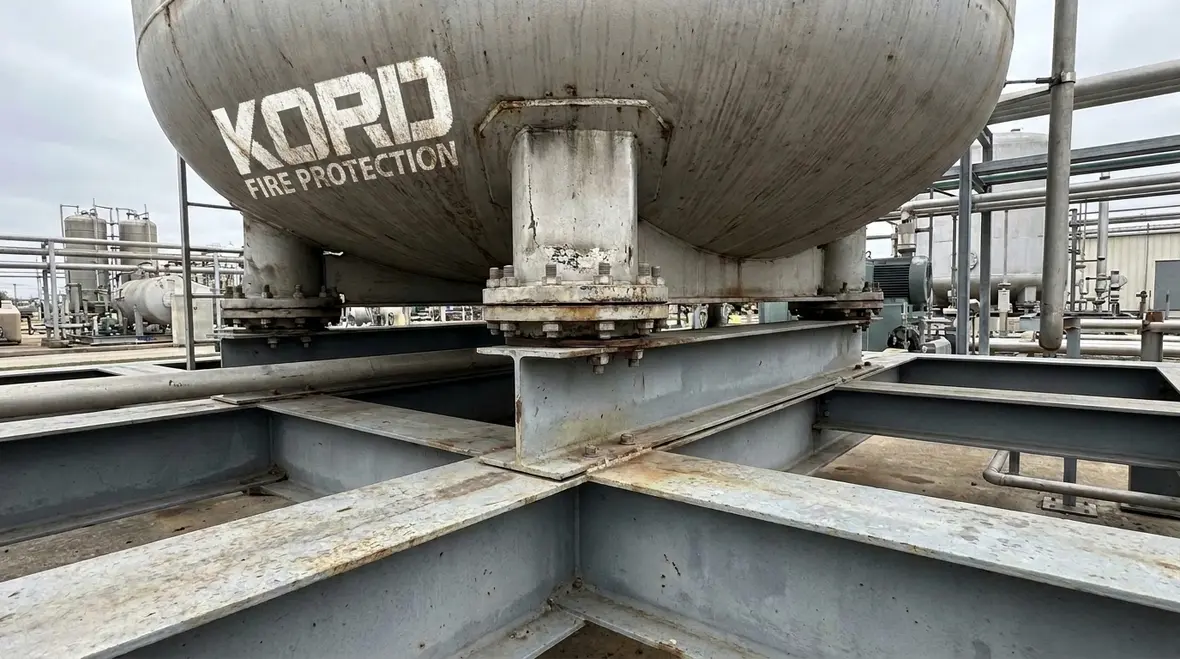
NFPA 22 Section 6.4: Structural Shapes for Bolted Carbon Steel Tanks
Quick Answer
NFPA 22 Section 6.4 governs how structural shapes support and connect bolted carbon steel water tanks. The standard focuses on load paths, attachment details, corrosion protection, and installation quality so tanks remain stable, watertight, and serviceable throughout the life of the fire protection system.
Why Section 6.4 Matters for structural shapes bolted carbon steel water tanks
Commercial fire protection water tanks must do more than hold water. In practice, structural shapes bolted carbon steel water tanks rely on correct framing and connection design to resist uplift, settlement, seismic and wind forces, and thermal effects. NFPA 22 Section 6.4 sets expectations for the structural steel and the way the tank assembly interfaces with it, so the tank continues to function as a dependable water source for sprinklers, standpipes, or other water based systems.
Facilities that operate under tight uptime and inspection schedules often discover that compliance gaps are not in the tank shell alone. The most common issues involve base framing, bolting quality, distortion from improper fit up, and inadequate corrosion control around attachment interfaces.
If you’re reviewing related inspection needs, fire protection water storage tank inspection requirements under NFPA 25 naturally fit alongside structural support verification and ongoing tank reliability.
What NFPA 22 Section 6.4 expects from the tank support system
Section 6.4 centers on the supporting structural shapes and how they are arranged to provide a stable base and safe load transfer. The core intent is straightforward: the tank must remain properly supported and aligned, and the structural frame must maintain integrity under operating and environmental loads.
1) Load paths and support geometry
Structural shapes must support the tank in a way that prevents concentrated stresses on the tank bottom and side skirts. The load path should move weight from the tank into the foundation and structural framing without creating bending, torsion, or uneven bearing that can promote deformation.
Common operational risk: installers may “shim to fit” or create uneven bearing points during set in place. Over time, differential settlement and cyclic loading can concentrate stress at bolted joints and tank shell plates.
2) Connection detailing between frame and tank
Bolted carbon steel tank systems depend on connection quality. The structural shapes must include properly located connection points to avoid twisting the tank bottom or forcing the shell out of plan. Even small misalignment can affect sealing surfaces and increase the likelihood of leaks at gasketed or bolted interfaces.
For commercial sites, this matters during changeouts and retrofits. When a tank is relocated or replaced, legacy anchor locations and mismatched framing are frequent causes of fit up problems that later show up as weeping, coating damage, or corrosion at the connection zones.
3) Corrosion protection at structural interfaces
Section 6.4 requires attention to corrosion behavior where metal meets metal and where moisture can collect. Structural shapes supporting a tank are exposed to condensation, rain intrusion, and washdown environments. Coatings and protective treatments must be compatible with the tank materials and the site atmosphere.
High consequence failure mode: coating breaks around bolted connections accelerate galvanic and crevice corrosion. Once corrosion begins, it spreads under insulation, over time, and can undermine both structural capacity and tank integrity.
Installation realities: where compliance breaks in the field
NFPA 22 compliance depends on how the tank and structure are actually installed, not only on drawings. In commercial and industrial environments, the following process issues most often create inspection failures or increased maintenance burden.
Base framing leveling, shimming, and settlement
Structural shapes must provide stable bearing. If leveling requires shimming, the shims must be placed and secured so they do not loosen, extrude, or create localized stress points. After installation, facilities should confirm that the base remains stable and that plumbing and fittings are not strained.
Typical operational pattern: a tank passes initial inspection but later develops minor leaks and coating blistering after repeated fill and drain cycles, indicating that settlement or distortion developed post install.
Bolting and fit up effects on tank shape
Bolted carbon steel water tanks use bolted joints and interface details that can be sensitive to distortion. Structural frame constraints must permit the tank to seat correctly without forcing plate alignment. If the frame pulls the tank out of tolerance, gasket compression and bolt loading can shift.
Consequence for facilities: a small assembly tolerance problem can become a major inspection issue because leaks can appear after thermal cycling or after the system experiences a water flow event.
Environmental and maintenance considerations
Retail and commercial facilities frequently expose water tanks to condensation and humidity due to nearby HVAC operations or building ventilation patterns. In outdoor installations, rain and snow melt increase moisture retention at the structural interface.
Maintenance planning must include access for coating inspection, fastener checks, and corrosion evaluation at the structural shapes that carry the tank loads.
Inspection and ongoing verification tied to Section 6.4
NFPA 22 does not treat structural support as a one time concern. Tank support integrity impacts reliability, and inspections should reflect the real failure points experienced in service.
What Kord Fire Protection verifies during compliance service
Kord Fire Protection supports commercial facilities with practical, documented verification that the tank support system remains in acceptable condition. Service typically includes visual assessment of structural shape condition and attachment interfaces, checks for coating breakdown, and review of conditions that can drive distortion or leakage.
Because water tanks tie into broader water based fire protection performance, Kord Fire Protection also aligns support condition reviews with system reliability expectations, ensuring maintenance activities do not conflict with tank operational requirements.
Key red flags inspectors look for
- Uneven contact at the tank base that suggests misleveling or settlement.
- Distortion indicators such as gaps at seams, gasket weeping, or bolt pattern irregularities.
- Coating damage and rust staining at frame to tank connection points.
- Loose or corroded fasteners, including compromised anchor zones.
- Water intrusion paths that promote crevice corrosion around structural shapes.
How NFPA 22 intersects with your broader water tank compliance program
Structural support under Section 6.4 functions within the broader NFPA 22 framework for water tank fire protection systems. Facilities should manage compliance as an integrated program that includes installation documentation, water supply performance, and maintenance schedules.
For additional context on how NFPA 22 regulates fire protection water tanks, see how NFPA 22 regulates fire protection water tanks. This resource helps facilities connect tank construction requirements to operational readiness and ongoing inspection needs.
Frequently Asked Questions
Conclusion and call to action
NFPA 22 Section 6.4 turns structural support into a reliability requirement for fire protection systems. If your facility uses structural shapes bolted carbon steel water tanks, plan inspections that verify load bearing stability, alignment, corrosion protection, and attachment integrity. Contact Kord Fire Protection to schedule compliance focused evaluations, document findings, and maintain readiness across changing seasons, facility operations, and inspection cycles.

Join Our Newsletter!
Get the latest fire safety tips delivered straight to your inbox From our Newsletter.



