
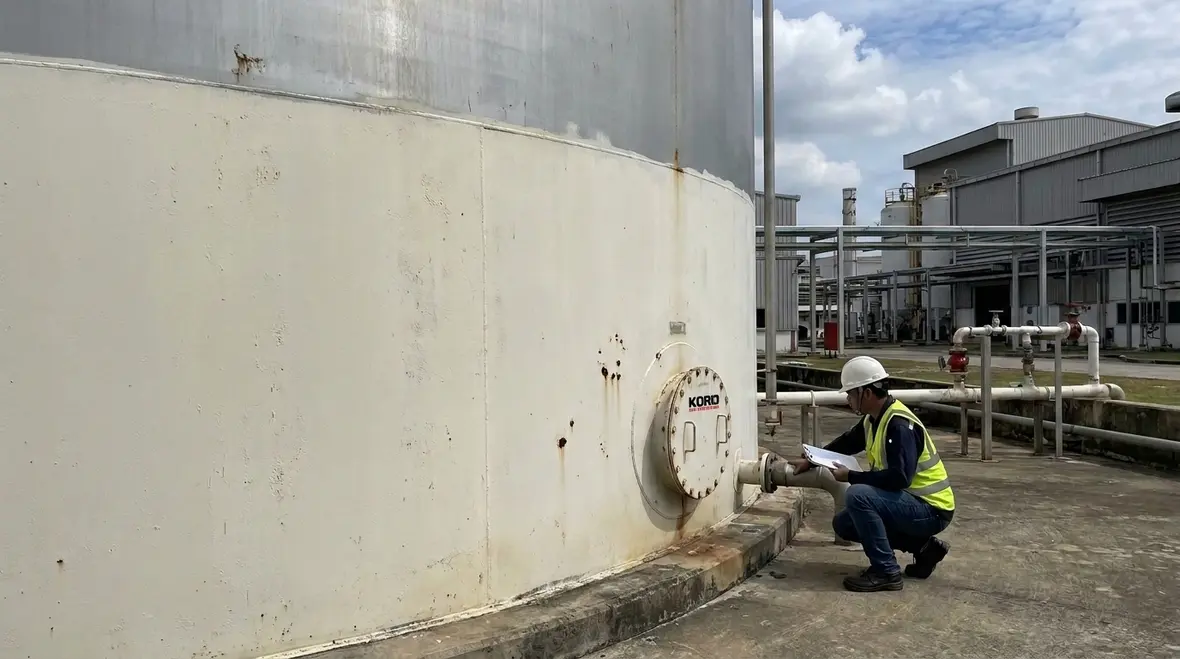
NFPA 22 Section 5.8: Heavy Metal Restrictions in Water Tank Coatings
Quick Answer
NFPA 22 Section 5.8 limits heavy metals in water tank coatings used with sprinkler systems. The goal is to prevent contamination of stored water, reduce corrosion and coating failure risks, and support long term system reliability. Facilities should verify coating submittals, inspect tanks, and maintain documentation.
For facilities managing broader water based system reliability, Kord Fire Protection also provides fire protection services in Southern California that support inspections, repairs, documentation, and compliance scheduling.
What NFPA 22 Section 5.8 Requires for Heavy Metals in Coatings
NFPA 22 Section 5.8 focuses on controlling heavy metals in water tank coatings NFPA 22 that could leach into the stored water used for fire protection. In practice, this creates a compliance pathway that starts before installation and continues through inspection, maintenance, and any future recoating work.
Commercial owners and facilities frequently assume coating selection is a coatings department issue. NFPA 22 treats it as a fire protection system reliability issue. The tank is part of the water supply that supports sprinkler and related fire protection functions. If a coating degrades, sheds, or contributes contaminants, the fire pump suction conditions and water quality expectations can be impacted. That is why NFPA 22 ties coating composition to ongoing system performance.
How Heavy Metal Restrictions Affect Real World Water Tank Performance
Restrictions on heavy metals in water tank coatings NFPA 22 matter because heavy metal presence can drive two operational problems in stored fire water. First, leaching can alter water chemistry. Second, corrosion and adhesion failure can accelerate coating breakdown, increasing sediment and scaling potential.
In the field, coating failure is rarely a single event. It usually results from an interaction of coating chemistry, surface preparation, curing conditions, water temperature, water chemistry, and tank maintenance practices. When coatings deteriorate, facilities often see:
- Increased tank solids and sediment accumulation near inlets and suction screens
- Choked or partially blocked strainers, screens, or suction components
- Reduced hydraulic performance at the fire pump suction due to increased head loss
- Inconsistent inspection findings at acceptance and ongoing maintenance checks
These are not only water quality concerns. They can also create maintenance burdens and emergency service interruptions when system performance margins tighten.
Compliance Challenges Commercial Facilities Face
NFPA 22 compliance for Section 5.8 is often complicated by how commercial projects are executed. The facility may not receive full coating ingredient information, may install multiple coating systems over time, or may use a contractor who sources coatings through approved product substitutions without formal fire system acceptance documentation.
Common compliance friction points include:
- Incomplete coating submittals: Facilities sometimes receive a product data sheet that does not fully address heavy metal content or does not confirm it meets NFPA 22 expectations.
- Unverified recoating history: Many existing tanks have prior coating layers. Documentation loss makes it difficult to determine what materials are currently present and whether additional coatings introduce new leaching risk.
- Water quality changes: Make up water sources, chemical treatment practices, and even cleaning methods can affect how coatings behave over time.
- Inadequate surface preparation: Coating integrity depends on surface profile, cleanliness, and proper curing. Poor preparation can lead to early coating failure even if chemistry is acceptable.
Because these challenges often show up during inspections, Kord Fire Protection emphasizes a documentation first approach. That includes verifying coating information during project procurement and building a clear record for ongoing compliance.
What Inspections and Maintenance Should Look For
Even when heavy metal restrictions are met at the time of installation, coating performance must remain stable for the tank to function as a reliable fire protection water supply. Inspection and maintenance planning should account for both coating integrity and water supply hydraulics.
Operational checkpoints
- Tank condition assessments: Look for coating blistering, peeling, cracking, or localized discoloration that can indicate adhesion or chemical resistance problems.
- Access for close visual verification: Ensure inspection ports and manways allow routine review of coatings, seams, and penetrations.
- Fire pump suction performance trend review: Increased suction strain or head loss can correlate with sediment accumulation that results from coating degradation.
- Strainer and screen inspections: Confirm suction components are accessible, cleaned, and evaluated on a documented schedule.
Common failure points to watch
Facilities commonly see coating failure originating at seams, welds, and areas affected by water turbulence or flow direction changes. Coatings can also fail prematurely if the facility alters water chemistry or if cleaning procedures introduce conditions that the coating was not designed to resist.
Kord Fire Protection supports commercial sites with inspection readiness and maintenance coordination so facilities can address issues before they affect fire pump suction conditions or water quality expectations.
Documentation and Product Verification: The Practical Path to NFPA 22 Compliance
Meeting NFPA 22 Section 5.8 requires more than selecting a “fire tank coating” from a catalog. Facilities should establish a verification workflow that captures the information auditors and authority having jurisdiction can expect.
Best practice documentation includes:
- Coating product identification and specification sheet references
- Written confirmation of heavy metal content suitability for NFPA 22 requirements
- Installation method statements and surface preparation details
- Any recoating change orders and product substitutions
- Maintenance records tied to tank condition and system performance observations
For a broader overview of how NFPA 22 regulates water tanks and the operational impact on fire protection systems, facilities can review: how NFPA 22 regulates fire protection water tanks.
Frequently Asked Questions
Conclusion and Call to Action
NFPA 22 Section 5.8 turns coating selection into a fire protection reliability decision. Facilities should verify heavy metal content documentation, maintain an accurate coating history, and implement inspection and maintenance practices that detect coating breakdown early. Kord Fire Protection can support your commercial site with compliance focused documentation review, inspection readiness, and ongoing maintenance coordination so your water supply remains dependable when it matters most. Contact Kord Fire Protection to confirm your tank coating compliance program.

Join Our Newsletter!
Get the latest fire safety tips delivered straight to your inbox From our Newsletter.



