
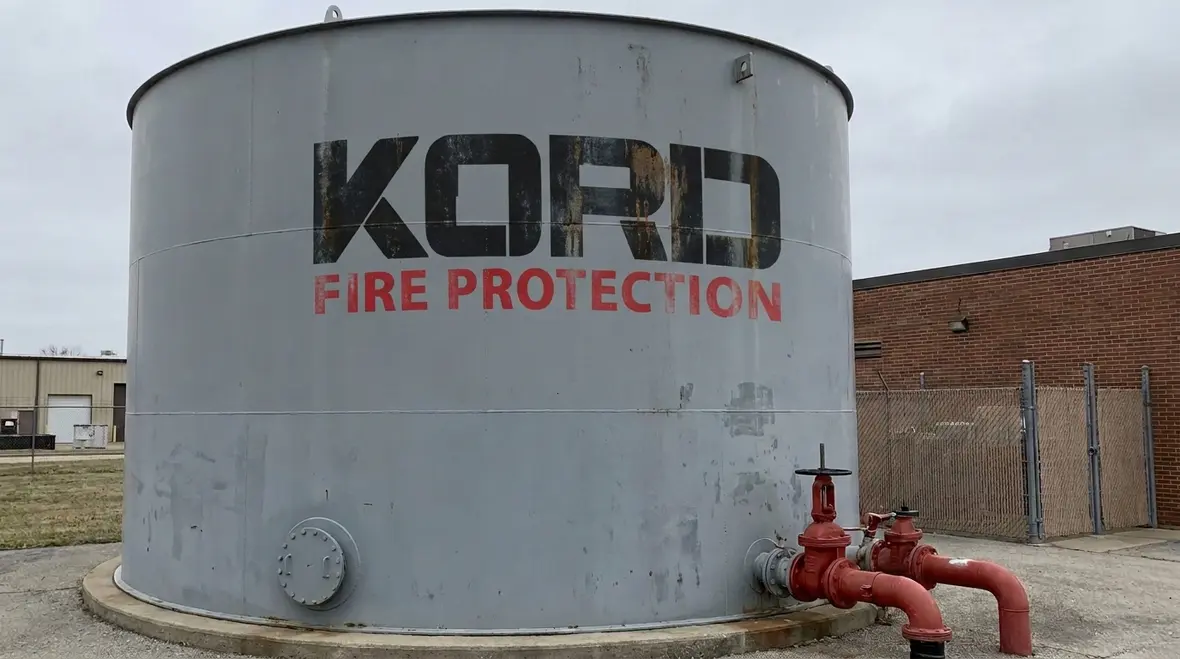
NFPA 22 Section 4.4: Allowed Water Tank Materials by Tank Type
Quick Answer
NFPA 22 Section 4.4 sets material acceptability rules for fire protection water tanks based on tank type and intended service. The water tank material requirements NFPA 22 focuses on corrosion resistance, construction details, and suitability for replenishment and maintenance to preserve system reliability.
Why Section 4.4 Matters for Commercial Fire Protection
Commercial facilities depend on fire protection water tanks to supply reliable water for standpipes, sprinkler systems, and other fire protection applications. Section 4.4 of NFPA 22 addresses the materials permitted for these tanks and helps prevent premature failure mechanisms such as corrosion, loss of structural integrity, and unsafe liners or coatings.
In practice, inspectors and insurers evaluate more than the tank shell. They assess construction, internal surfaces, coatings or liners, where used, fittings compatibility, support methods, and signs of deterioration. For operators, the compliance work continues after installation because water quality and maintenance practices can still degrade tank materials over time.
Facilities reviewing tank material compliance often benefit from pairing this topic with fire protection services in Southern California, especially when tank inspections, pump readiness, and documentation all need to move together naturally.
For a broader compliance overview of how NFPA 22 regulates fire protection water tanks, see how NFPA 22 regulates fire protection water tanks.
What NFPA 22 Section 4.4 Covers (And What It Does Not)
Section 4.4 addresses allowed water tank materials by tank type. This includes requirements that affect how the tank is built and the surfaces that contact stored water. Material approval supports safe long term storage and dependable hydraulic performance when the system demands water.
Section 4.4 does not replace the need to consider the entire system design. Even if tank materials qualify, operational details such as pump suction arrangement, air management, overflow control, and inspection access still affect system reliability. A common compliance gap in commercial facilities involves tanks that were accepted at commissioning but are later compromised by water chemistry, poor housekeeping, or unapproved repairs.
Allowed Materials by Tank Type: How Requirements Are Applied
NFPA 22 uses tank type to guide the selection of permitted materials. Facility teams typically face decisions in three broad categories: aboveground tanks, underground tanks, and elevated tanks. Each category introduces different stressors such as external corrosion, soil interaction, temperature changes, and load cycling.
Aboveground tanks: durability and corrosion control
Aboveground tanks commonly require materials that resist corrosion from both the stored water and the environment surrounding the tank. Commercial sites with high humidity, coastal exposure, or industrial process contaminants often experience accelerated deterioration. Compliance reviews should consider coating system integrity, venting performance, and whether the interior surface remains protected after years of service.
Operational failure patterns include coating breakdown near fittings, pitting corrosion at weld seams, and compromised manway covers. These issues can create sediment formation and reduce effective volume or affect suction conditions during fire events.
Underground tanks: soil interaction and waterproofing compatibility
Underground tanks face different material challenges. The tank shell and joints must remain compatible with soil conditions and groundwater exposure. Section 4.4 material allowances for underground applications support long term containment and reduce the likelihood of leaks that can cause loss of system capacity or contaminate soil.
Inspection focus often includes signs of settlement, joint deterioration, and evidence of water intrusion. Even when the tank material is permitted, inadequate backfill practices or unapproved sealant repairs can break the integrity of the containment system.
Elevated tanks: structural integrity and water quality exposure
Elevated tanks operate under load and thermal cycling. Material requirements support structural integrity for sustained service and safe delivery to the distribution piping. In many commercial occupancies, elevated tanks are also subject to vibration from wind or building operations, which can contribute to fatigue at connections.
Common failure points include corrosion around supports, thinning at connection points, and interior surface degradation that leads to scale or sediment. These issues can reduce flow performance and interfere with valves and controls that depend on clean, predictable water supply.
Compliance Challenges: Where NFPA 22 Material Rules Break in the Real World
Facilities often meet the initial design intent but fail during lifecycle changes. The most frequent compliance challenges arise from repairs, water chemistry, and inspection execution.
Unapproved repairs and “like for like” assumptions
Many teams treat replacement as a generic maintenance activity. In reality, tank material requirements NFPA 22 tie directly to what is permitted for the tank type and water contact surfaces. Field repairs using mismatched materials, unapproved coatings, or incompatible liners can create unsafe long term performance. Even visually similar coatings may differ in adhesion, thickness, and chemical resistance.
Water chemistry and sediment management
Stored water chemistry drives corrosion and internal coating failure. Industrial water sources, softened water regimes, and changes in supply location can alter pH and mineral content. Those shifts can cause scaling, biofilm growth, and sediment accumulation.
Operational impacts include clogged strainers, sluggish valve operation, reduced effective water volume, and changes in pump performance due to increased suction friction losses.
Inspection access and documentation gaps
Commercial facilities frequently schedule tank inspections, but documentation quality can lag. Incomplete records make it difficult to demonstrate compliance during insurance reviews or authority having jurisdiction inspections. Clear evidence of interior condition, coating status, and repair methods helps confirm that the tank still aligns with the intent of Section 4.4 over time.
Inspection, Testing, and Maintenance Practices That Protect Compliance
To maintain alignment with NFPA 22 expectations, commercial sites benefit from a documented, recurring program covering both the tank and the interface components that determine system readiness.
Interior and exterior condition checks
Verify interior surface condition, focusing on coating integrity, pitting, and visible deterioration near manways, ladders, and fittings.
Inspect exterior surfaces for corrosion patterns, coating peeling, and condition of supports, foundations, and anchorage.
Confirm vents, overflows, and drain pathways remain clear and functional to prevent stagnation and contamination.
Valve, strainer, and suction-side readiness
Inspect and test tank supply valves, check valves, and control devices for free operation and correct positioning.
Verify strainers and suction piping are clean and correctly sized for current system conditions.
Confirm alarms and supervisory signals operate as intended where provided.
Repair and recoating controls
When repairs become necessary, commercial operators should require documented material selection that aligns with the tank type and water contact requirements referenced by NFPA 22 Section 4.4. A strong process includes surface preparation review, specification confirmation, cure verification where coatings or liners are used, and post-repair inspection to ensure the tank remains fit for service.
For facilities where pump performance and tank condition need to stay in sync, proactive maintenance for fire pump system reliability adds useful context around how ongoing service supports dependable water delivery.
Kord Fire Protection supports commercial and industrial facilities with ongoing compliance, testing, and maintenance services that help keep fire protection water tanks in working order. This includes coordinating inspection needs, documenting conditions, and validating that repair approaches protect long term system performance.
Frequently Asked Questions
Get Your Tank Material Compliance Verified
Commercial facilities should not treat NFPA 22 water tank compliance as a one time commissioning task. Kord Fire Protection can help review tank type, materials, condition, and repair history, then support a maintenance and testing plan that protects system readiness. Schedule an assessment to confirm your tank remains compliant with NFPA 22 expectations and that inspections and documentation are audit ready.

Join Our Newsletter!
Get the latest fire safety tips delivered straight to your inbox From our Newsletter.



