
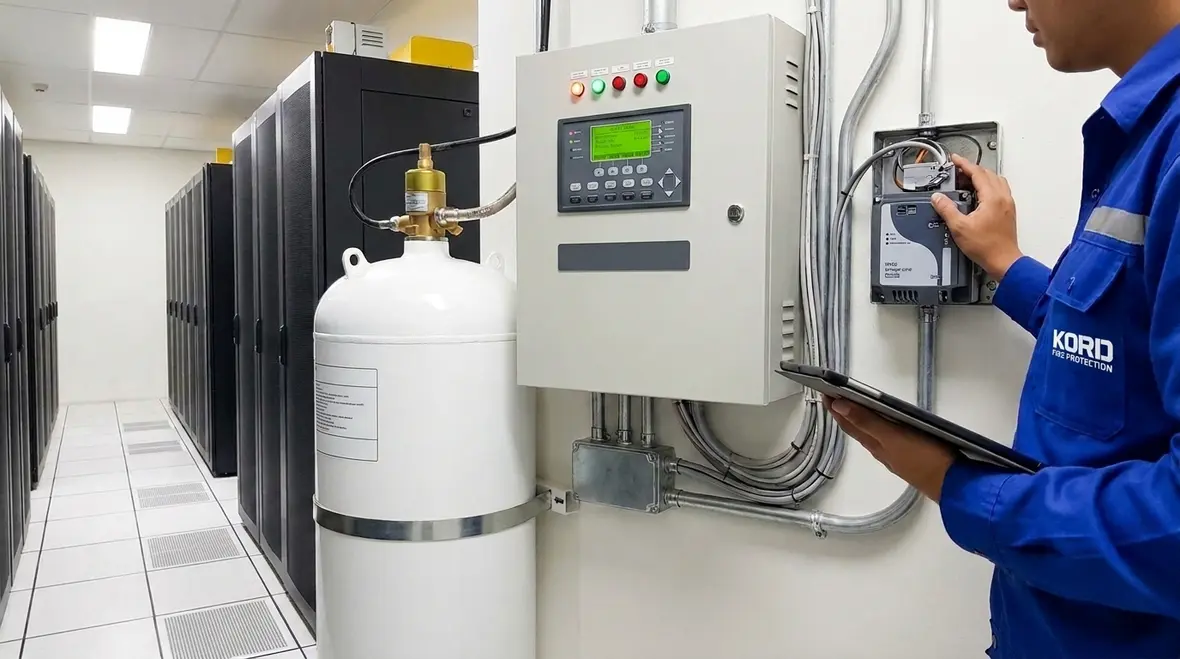
NFPA 2001 Section 9.5 Clean Agent Integration
Quick Answer
NFPA 2001 Section 9.5 focuses on how clean agent systems must connect with building control systems so the fire response works fast and stays safe. In practice, this means alarms, shutdowns, releases, and notifications all work together. Kord Fire Protection can help facility teams design, install, test, and maintain that integration with confidence. If your site is planning upgrades or needs broader system coordination, Kord Fire’s fire suppression services are a natural place to start.
In the world of fire safety, timing is everything. NFPA 2001 control systems clean agent fire extinguishing integration helps a clean agent system do more than release agent. It ties fire detection, building controls, alarms, and equipment shutdowns into one calm, coordinated response. That matters in data centres, plant rooms, switch rooms, warehouses, and retail back of house areas. When these systems work together, the result is faster protection, less damage, and fewer costly surprises. And yes, that is the kind of teamwork even a superhero squad would respect.
What Section 9.5 Means in Simple Terms
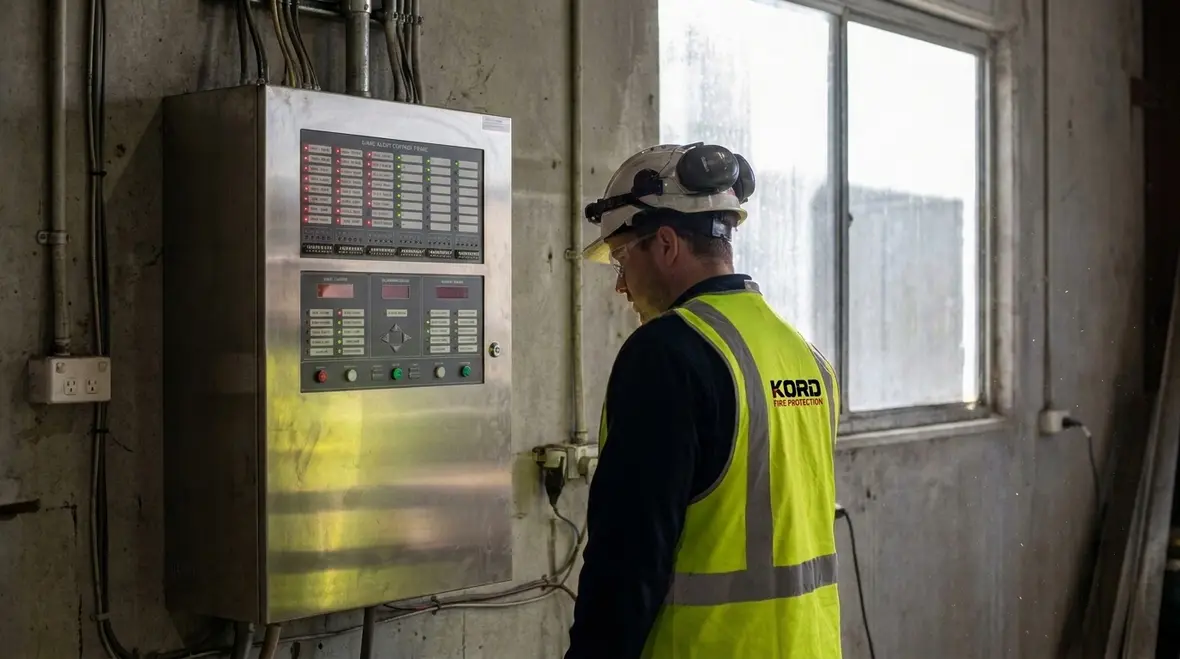
NFPA 2001 Section 9.5 deals with control system integration. In plain language, it says the clean agent system must communicate properly with the other systems around it. Therefore, when smoke or fire is detected, the system can trigger alarms, stop air handling, close dampers, and prepare the protected space for discharge.
This is not just a technical detail tucked away in a standard. Instead, it is the backbone of a dependable clean agent setup. If the controls miss a step, the room may keep drawing in air, equipment may keep running, or people may not get enough warning. That is a bad scene, and not the kind of plot twist anyone wants at work.
A clean agent system is only as smart as the sequence behind it. Detection has to initiate the right logic. Notification has to be clear. Mechanical systems have to respond quickly enough to support agent concentration. Release has to happen in the right conditions, not just eventually. That is why integration is where performance stops being theoretical and starts being real.
For teams that want a broader foundation before getting deep into integration details, Kord Fire’s guide to NFPA 2001 guidelines for clean agent fire suppression systems adds helpful context and makes the bigger picture easier to follow.
Why the controls matter as much as the cylinders
People often picture a clean agent system as cylinders, nozzles, and a discharge event. However, the real success story starts much earlier. The control side decides whether the room gets a warning, whether fans shut down, whether dampers close, and whether the agent enters a space that can actually hold it long enough to suppress the fire. In other words, the hardware may look impressive, but the controls are the ones calling the cues.
Why Integration Matters for Modern Facilities
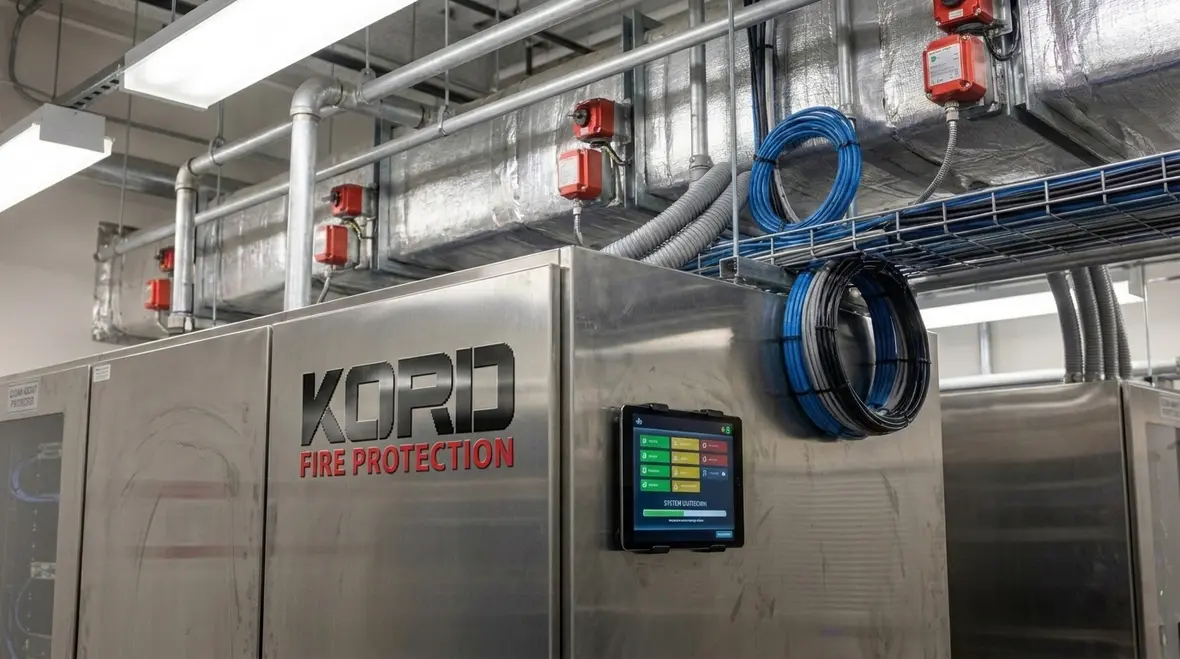
Industrial and commercial sites often run with high value assets, tight schedules, and a lot of moving parts. Because of that, clean agent systems must fit into the wider building system without friction. For example, a server room, hospital plant area, or distribution hub may all need the fire system to talk to HVAC, access control, and alarm panels.
Moreover, good integration helps reduce downtime. When the system shuts down the right equipment at the right time, it protects the agent concentration and improves suppression results. That keeps the site safer and helps business return to normal sooner. In other words, the system should act like a good stage manager, not a distracted extra in a busy crowd scene.
This is especially true in sensitive environments where water based protection is not the best fit. Kord Fire’s clean agent service content regularly points to data centres, server rooms, telecom spaces, libraries, and other critical areas where residue free protection matters and where a poor control sequence can undo the advantages of the agent itself.
Common spaces where Section 9.5 thinking matters most
- Server rooms and data centres that rely on stable airflow and continuous uptime
- Electrical and switch rooms where energized equipment raises the stakes
- Plant rooms with mechanical systems that must shut down in sequence
- Warehouses and back of house commercial areas with multiple interconnected systems
- Mission critical spaces where even a short interruption becomes expensive fast
Core Integration Points
Detection and Release Logic
The control system must receive a reliable signal from the fire detection devices before release. It should also support cross zoning, time delays, and warning alerts where required.
Alarm and Notification Paths
Visual and audible alarms must alert occupants clearly. In some facilities, monitoring systems must also send signals to a remote station or control room.
More Critical Functions
Building Shutdowns
The system should stop HVAC, close dampers, and isolate equipment that could spread smoke, air movement, or fire load.
Interlocks and Safety Functions
Door releases, suppression abort functions, and post discharge status signals should all work in a clear sequence so people can exit safely and respond properly.
How the Sequence Works During a Fire Event
First, detection devices identify a fire condition. Then the control panel verifies the signal and starts the pre discharge sequence. After that, alarms sound, shutdowns begin, and warning time gives occupants a chance to move. If the system confirms the danger, the clean agent discharges into the protected space.
As a result, the room gets a fast, targeted response with minimal residue. That is one reason clean agent systems are so popular in places where water could cause more harm than the fire itself. Nobody wants a small electrical fire to become a very expensive indoor waterfall.
After discharge, the story is still not over. Teams may need post discharge monitoring, status indication, controlled re-entry, and a documented review of how the sequence performed. A well integrated system supports those steps too, which means Section 9.5 is not just about the seconds before release. It influences what happens right after as well.
Design Details That Make or Break Performance
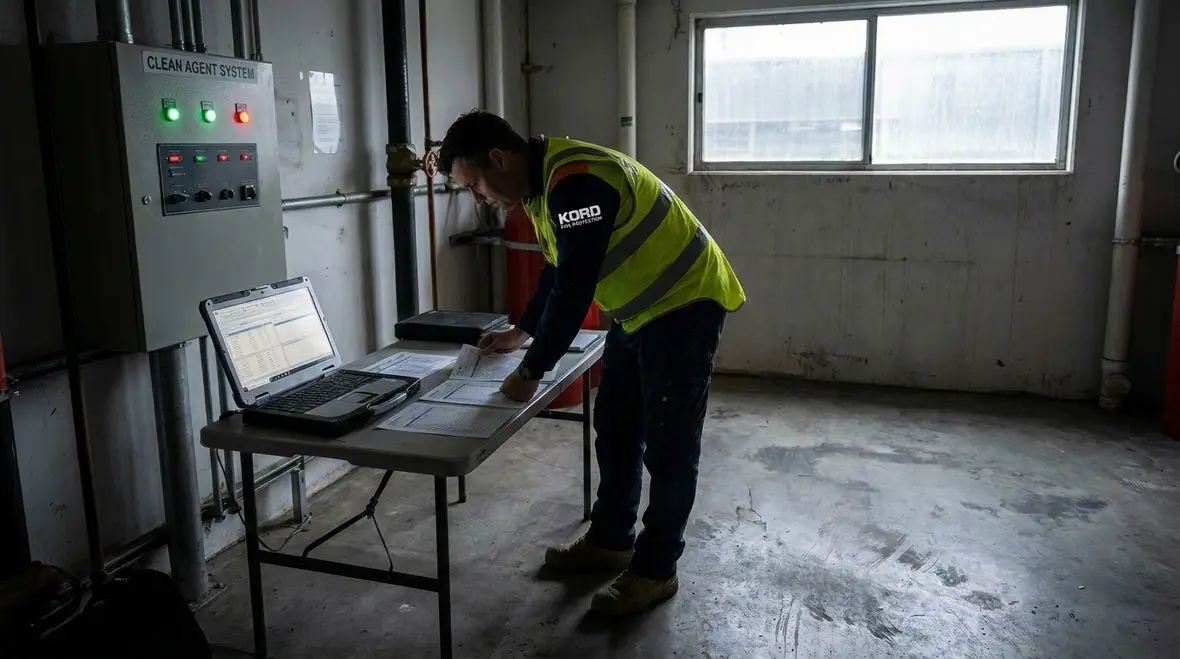
Control system integration is only as strong as the design behind it. Therefore, engineers and fire protection partners must confirm that wiring, signals, panel logic, power supply, and device compatibility all match the site’s needs. They also need to check that the sequence of events works exactly as intended during testing.
In addition, the system should match the room size, hazard type, and ventilation pattern. If the controls shut down too slowly, the agent may lose effectiveness. If the alarms are unclear, people may hesitate. And hesitation, as any facility manager knows, can be the enemy of a clean exit.
This is also where room integrity thinking becomes part of the conversation. Kord Fire’s clean agent and mission critical content repeatedly reinforces that enclosure conditions, airflow management, and system coordination cannot be treated as separate topics. They are connected. A perfect cylinder arrangement will not save a sequence that leaves the room wide open to leakage and moving air.
What good testing should confirm
- Detection inputs reach the panel correctly and in the intended order
- Shutdown outputs activate fans, dampers, and related equipment without delay
- Audible and visual warning devices are noticeable in the actual room conditions
- Abort and manual controls are functional, clear, and safely located
- Status signals and event records show the sequence performed as designed
Why Kord Fire Protection Can Be a Vital Partner
Kord Fire Protection can play a vital role in delivering NFPA 2001 control systems clean agent fire extinguishing integration for facilities. Their value sits in the details: system design, compliance support, installation coordination, testing, and ongoing maintenance. That matters because clean agent systems are not just about equipment. They are about proper coordination between devices, panels, and building functions.
For industrial, commercial, and retail clients, Kord Fire Protection can help simplify a process that often feels crowded with standards, deadlines, and equipment choices. They can assess the site, recommend the right integration approach, and help ensure the system performs the way the standard expects. That means less guesswork and more confidence when the alarm sounds.
Just as important, they can support testing and service after installation. Over time, controls can drift, devices can fail, and site layouts can change. Kord Fire Protection can help keep the system aligned with the building so the protection remains ready, not just present on paper. Paper compliance is nice, but real protection is the one that answers the bell.
Their site also makes it easier to connect the dots between specialized clean agent work and broader suppression planning. Whether a team needs a dedicated clean agent solution, a full suppression strategy, or more educational context on clean agent standards, Kord Fire has service pages and related articles that support practical next steps instead of vague theory.
What Facility Teams Should Check Before Sign Off
Before approving a clean agent system, facility teams should confirm a few key points:
- Control logic works in the correct sequence
- Shutdown signals reach HVAC and related equipment
- Alarm devices are easy to hear and see
- Abort and manual controls are placed where they can be used safely
- Testing records show the system performed as designed
These checks help reduce risk and support a smoother inspection process later on. They also make handover more useful because the team operating the space understands what the system does, what it affects, and what to verify whenever changes are made to the room, equipment, or airflow.
FAQ
Conclusion
NFPA 2001 control systems clean agent fire extinguishing integration protects more than equipment. It protects operations, people, and peace of mind. For facilities that need dependable results, Kord Fire Protection can be the partner that brings the whole system together.
When the stakes are high, the right integration team does not just install fire protection. It makes it work like it should. That is the difference between having a system in the room and having a response you can actually trust when the moment arrives.

Join Our Newsletter!
Get the latest fire safety tips delivered straight to your inbox From our Newsletter.



