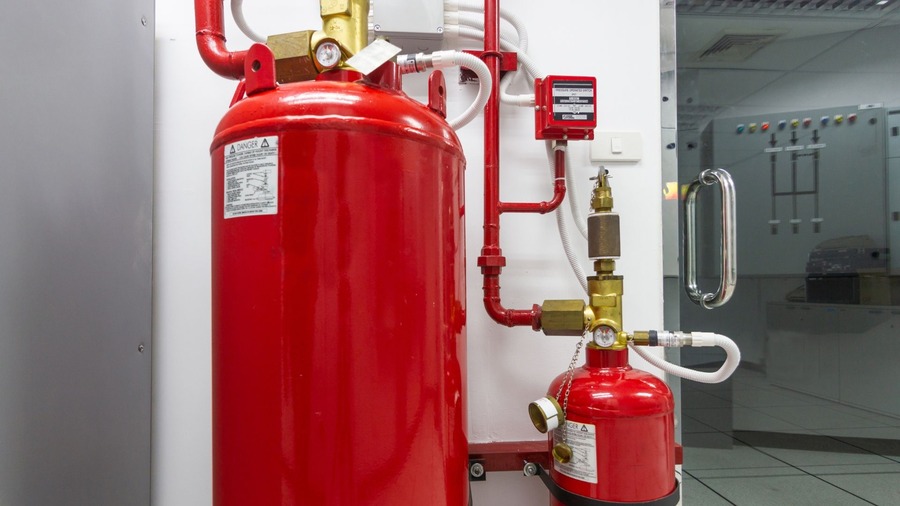
NFPA 2001 Section 9.4 Pre Discharge Alarms for Clean Agents
Quick Answer: NFPA 2001 Section 9.4 requires pre discharge alarms that warn people before clean agent release, giving occupants time to leave and staff time to act. In industrial, retail, and commercial sites, this step helps reduce risk, protect assets, and keep systems compliant. Kord Fire Protection can support the design, service, and testing process.
NFPA 2001 alarms clean agent fire suppression occupant warning is more than a rule on paper. It is the calm voice before the storm. In busy warehouses, shopping centres, plant rooms, server spaces, and commercial facilities, pre discharge alarms give people a clear warning before clean agent release begins. That matters because clean agent systems protect critical assets, yet they must never surprise the people inside the space. When the alarm sounds, every second counts, and every person should know what to do.
Section 9.4 of NFPA 2001 focuses on that moment. It tells building owners and facility managers that warning devices must alert occupants before discharge starts. As a result, teams can evacuate, doors can close, and operations can stay safe. It is a small detail with a big job. Like a good stage cue in a Marvel movie, the warning sets everything up before the action hits.
If your site includes sensitive rooms or critical operations, it also helps to connect alarm planning with broader fire suppression services so the warning sequence, shutdown logic, and discharge strategy work together instead of behaving like strangers at the same meeting.
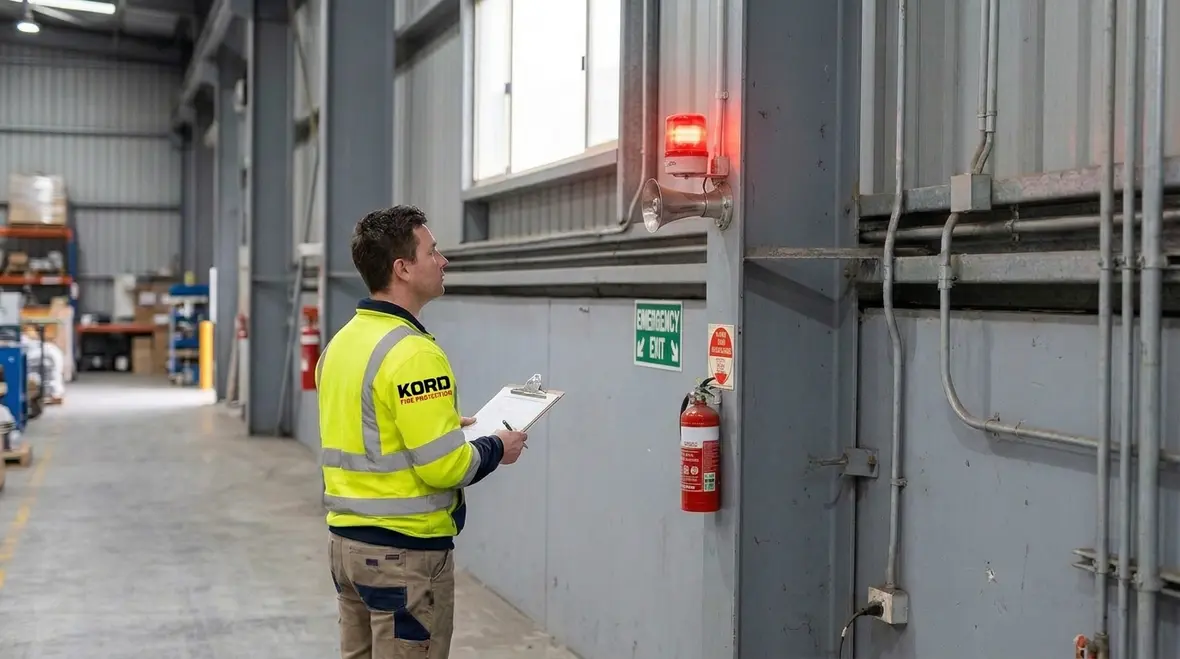
What NFPA 2001 Section 9.4 Means for Facilities
NFPA 2001 Section 9.4 requires a pre discharge warning for clean agent systems. In simple terms, the system must alert people before the agent releases. This warning can include horns, bells, strobes, voice messages, or a mix of signals, depending on the design and the site needs. Therefore, the goal is not just noise. The goal is clear notice.
For industrial and commercial facilities, this matters because many spaces stay occupied during the day. Some areas also hold sensitive equipment or controlled processes. If the system releases without warning, people may panic, stop work too late, or move the wrong way. However, a proper pre discharge alarm gives them time to react with purpose.
The warning is part of the protection strategy, not a side note
That point deserves a little extra respect. A clean agent system is not only about putting out a fire. It is also about managing the seconds before discharge in a controlled, predictable way. The pre discharge stage helps separate detection from release, giving the room a brief moment to switch from normal operation to emergency response. In practical terms, that means people can leave, supervisors can verify conditions, and connected systems can prepare for the release event.
For facilities protecting electronics, archives, process controls, or data infrastructure, this warning period supports both life safety and business continuity. Kord Fire Protection also covers related clean agent planning in its NFPA 2001 guidelines for clean agent fire suppression systems resource, which fits naturally with this requirement and gives added context for owners trying to understand the bigger compliance picture.
Why Pre Discharge Alarms Matter in Real Workplaces
Clean agent systems protect valuable equipment without leaving heavy residue. That makes them popular in data rooms, electrical rooms, control areas, and high value commercial sites. However, the clean agent can still displace air and create a short but serious hazard if people remain inside. So the warning stage becomes essential.
A strong NFPA 2001 alarms clean agent fire suppression occupant warning setup helps prevent confusion. It tells staff that the system is about to discharge, which means they should leave now. It also supports site rules, emergency plans, and safe evacuation flow. In a retail or industrial setting, that clarity can make the difference between an orderly exit and chaos worthy of a bad disaster movie sequel.
This is especially important in places where work is loud, fast, or full of moving parts. People may wear hearing protection, focus on machinery, move stock, monitor screens, or work behind closed doors. A single weak sounder in the wrong location is not much of a hero in that environment. A well designed alarm sequence, on the other hand, can cut through the noise and make the next step obvious.
The warning system also acts like a bridge between fire detection and fire suppression. Without it, the protection chain has a weak link, and nobody wants that in a building full of people and assets. In other words, this requirement is not bureaucratic filler. It is one of the parts that helps the whole system behave like a team.

How the Alarm Sequence Works
The pre discharge sequence usually starts after detection confirms a fire event. Then the system signals that discharge is imminent. After the warning period ends, the clean agent releases. This sequence gives occupants a short window to leave and gives staff time to check that the area is clear.
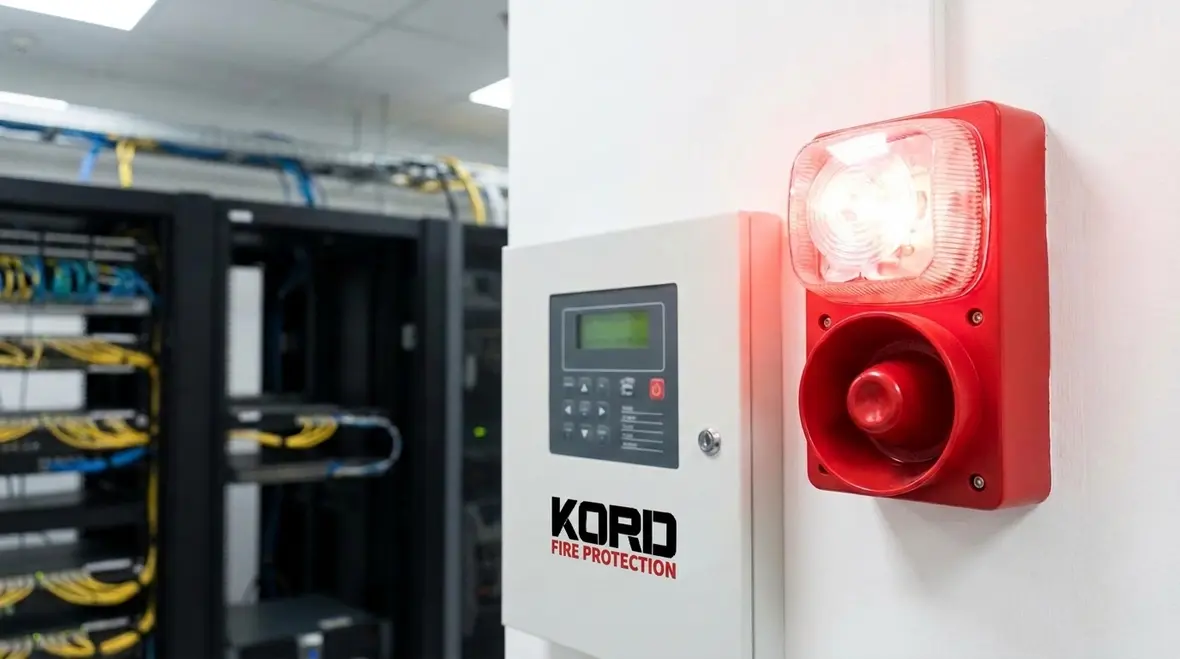
Most systems use visual and audible alarms together. That helps in noisy environments such as plants, loading areas, and mechanical rooms. Voice alerts can also improve response because they tell people exactly what to do. As a result, the message becomes harder to miss, even when machinery is running or work is moving fast.
Common components in the pre discharge sequence
| Alarm Type | Purpose |
|---|---|
| Audible signal | Gets attention fast in busy areas |
| Visual strobe | Supports hearing impaired occupants and loud spaces |
| Voice message | Gives clear exit instructions |
| Door release or access control tie in | Helps people move out safely |
When these elements are coordinated well, the room response feels structured instead of frantic. Detection identifies the problem, alarms notify people, interlocks handle connected actions, and discharge follows after the intended delay. That sequence is the difference between a controlled event and a scene where everyone suddenly auditions for a panic montage.
What Facility Managers Should Check Before Release
Facility managers should not treat this as a set and forget item. Instead, they should confirm that alarms work, signals are easy to hear, and warning times match the site design. They should also check that the alarm reaches all occupied areas, including enclosed spaces, back rooms, and noisy zones.
In addition, they should make sure staff understand the warning. A system can meet code on paper, yet still fail in practice if no one knows the alarm means “leave now.” Training and drills matter. So does routine testing. A system that sits silent until the one moment it must perform has already earned its paycheck.
Documentation also matters. Test records, maintenance logs, and commissioning reports help prove the system works as intended. For multi site businesses, that record trail can save time during audits, insurance reviews, and safety checks.
- Confirm the audible alarm can be heard over daily operating noise.
- Check that strobes are visible in occupied and obstructed areas.
- Review discharge delay settings against the approved design.
- Verify door releases, fan shutdowns, and other interlocks respond correctly.
- Train staff so the warning signal leads to immediate evacuation.
- Keep maintenance and test records current and easy to find.
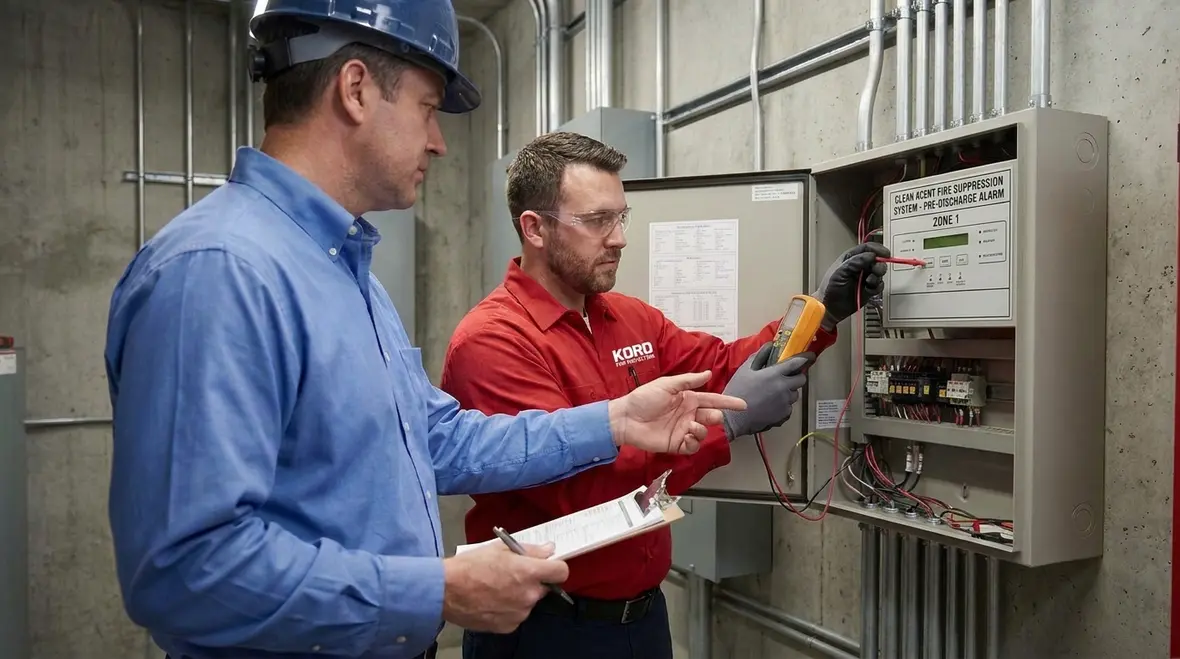
How Kord Fire Protection Supports Compliance and Safety
Kord Fire Protection can become a vital partner for businesses that need clean agent system support. From design input to installation checks, testing, maintenance, and compliance support, the right provider helps ensure the warning system works when it matters most. That matters for industrial sites, commercial offices, retail properties, and specialised facilities.
More importantly, Kord Fire Protection can help align the pre discharge alarm setup with site risks, occupancy needs, and operational demands. As a result, the business gets a system that does more than tick boxes. It protects people, supports uptime, and helps reduce costly disruption. In the world of fire protection, that is the kind of partner that keeps the lights on and the fire where it belongs: not in the building.
For teams protecting sensitive rooms, Kord Fire also publishes closely related resources on clean agent performance, room integrity, and mission critical suppression planning. Those articles make useful interlinks because they help readers move from one requirement to the next without falling down a standards rabbit hole alone.
Why This Standard Matters for Businesses
Facilities often manage mixed use spaces, fast paced work areas, and critical systems that cannot afford downtime. Therefore, NFPA 2001 Section 9.4 offers a clear framework for warning occupants before clean agent release. It supports safer evacuation, better system control, and stronger protection for both people and assets.
When businesses treat the warning stage as part of the full fire safety plan, they build a safer site. That makes sense for owners, managers, and duty holders who want less risk and more confidence. After all, safety should never wait for a dramatic entrance.
FAQ
Get the Alarm Sequence Right Before It Matters
NFPA 2001 pre discharge warning systems protect people first and equipment second, which is exactly how it should be. Businesses can strengthen safety, reduce risk, and improve compliance by treating this requirement seriously. A clear warning before discharge is not just a technical step. It is the moment that gives occupants time, direction, and a better outcome.
Kord Fire Protection can help plan, test, and maintain the system so the warning works cleanly, clearly, and on time. When seconds matter, that kind of support is worth having. It is a lot better than discovering your alarm sequence has stage fright when the spotlight finally turns on.

Join Our Newsletter!
Get the latest fire safety tips delivered straight to your inbox From our Newsletter.