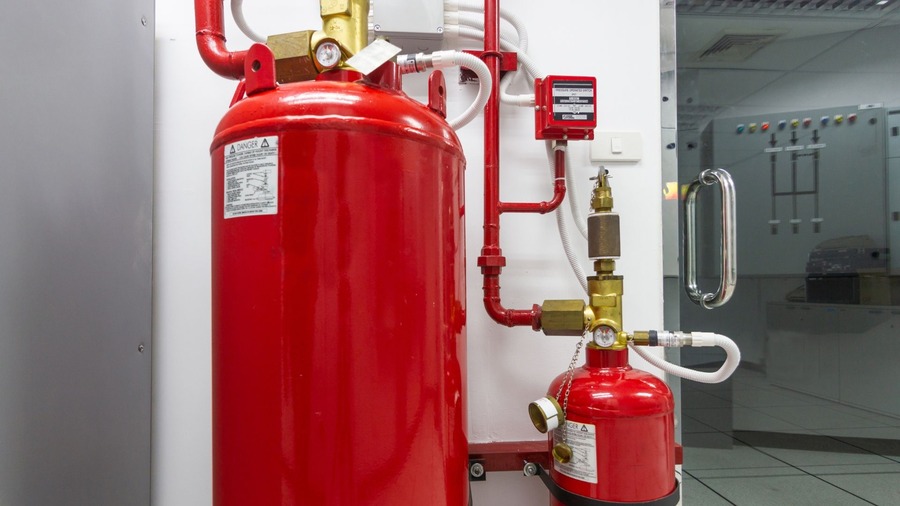
NFPA 2001 Section 8.6 Continuous Flow vs Batch Discharge
Quick Answer
NFPA 2001 Section 8.6 guides how clean agent systems deliver agent during discharge, and the choice between continuous flow and batch discharge shapes speed, coverage, and control. For industrial, retail, commercial, and facility teams, Kord Fire Protection can help design, install, and maintain the right setup with confidence.
If a facility is already evaluating clean agent fire suppression system services, understanding this discharge choice early can save time, redesign costs, and a surprising amount of second guessing later.
Why Section 8.6 Gets So Much Attention
In high value facilities, NFPA 2001 continuous flow local application clean agent systems protect equipment, processes, and critical spaces with precision. Section 8.6 matters because it defines how the agent reaches the hazard. That sounds simple, until one remembers that fire does not wait for a committee meeting. For industrial plants, retail back areas, commercial kitchens, and technical rooms, the discharge method can change how well the system performs when seconds count.
This is the practical heart of the issue. The standard is not asking teams to admire a diagram and nod politely. It is asking how a system actually behaves under pressure. Does the agent arrive steadily enough to protect a broad hazard zone, or does the risk call for a concentrated release that moves fast and hits hard? That decision shapes design from the cylinders outward.
What NFPA 2001 Section 8.6 Covers
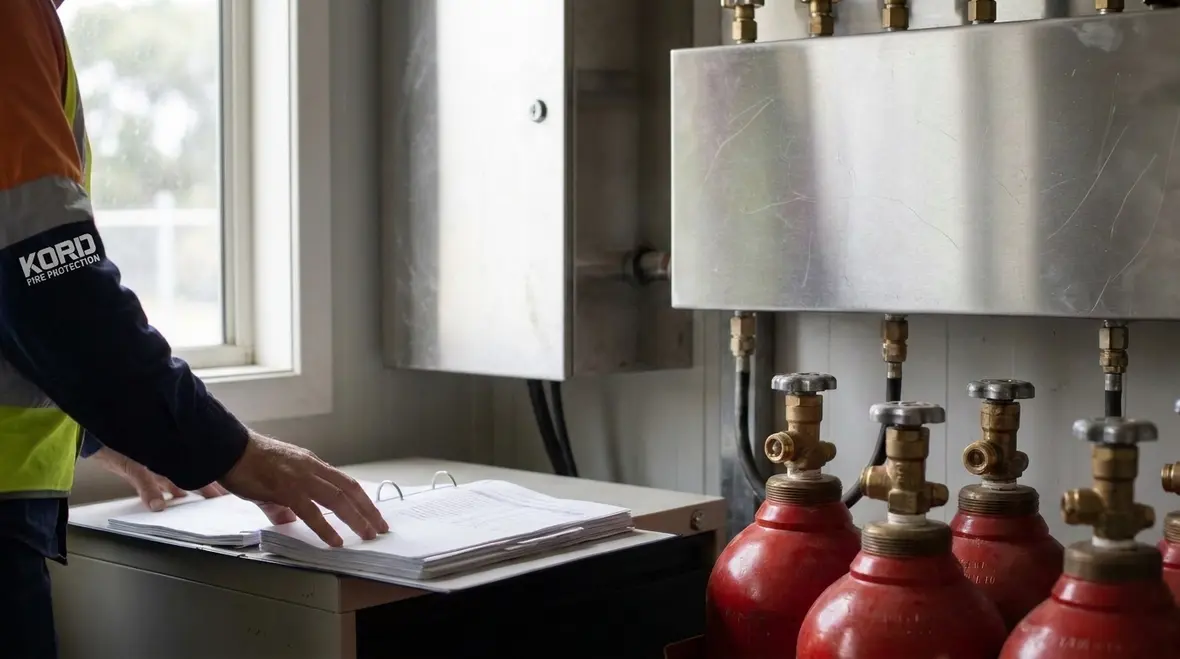
Section 8.6 focuses on discharge methods for local application systems. In plain terms, it asks how the clean agent should leave the cylinders and reach the fire hazard. Should it flow steadily for a set time, or should it release in a defined batch? That choice affects design, nozzle layout, agent use, and suppression results. Therefore, the rule is not just paperwork. It shapes how the system behaves in the real world, where smoke, heat, and panic like to crash the party uninvited.
Local application means the hazard drives the design
Unlike total flooding arrangements that protect an entire enclosed volume, local application systems focus on the specific hazard itself. That can include machinery, special process equipment, electrical assemblies, enclosed components, or areas where a fire may start and spread across a defined surface. Because the system protects the hazard directly, the discharge pattern becomes a major performance issue rather than a small technical detail tucked into a submittal package.
The system has to do more than discharge. It has to discharge correctly. Agent concentration, timing, nozzle direction, obstruction control, and hazard geometry all matter. A design that looks fine on paper can still struggle in the field if the delivery method does not match the fire scenario. That is why this section tends to pull engineers, contractors, and facility managers into the same conversation, whether they planned to be there or not.
Continuous Flow in Local Application Systems
Continuous flow means the system delivers agent at a steady rate over the discharge period. This approach helps when the hazard needs an even blanket of protection across a surface or around equipment with changing heat output. It can support stable coverage, especially where the fire risk spreads across multiple points. As a result, designers can better match agent delivery to the hazard profile.
One of the strengths of continuous flow is consistency. Instead of relying on a single aggressive burst to solve everything at once, the system sustains delivery long enough to improve overall coverage. That can be useful when the hazard has shape, width, moving parts, or airflow conditions that make uniform protection harder to achieve. In those cases, steady delivery can keep the agent where it needs to be for the intended discharge window.
However, continuous flow also demands careful engineering. The pipe network, nozzle placement, and flow rate must all work together. If one part misses the mark, the agent may arrive too late or too thin. Nobody wants a system that shows up like a late sequel and still misses the plot.
Where continuous flow tends to make sense
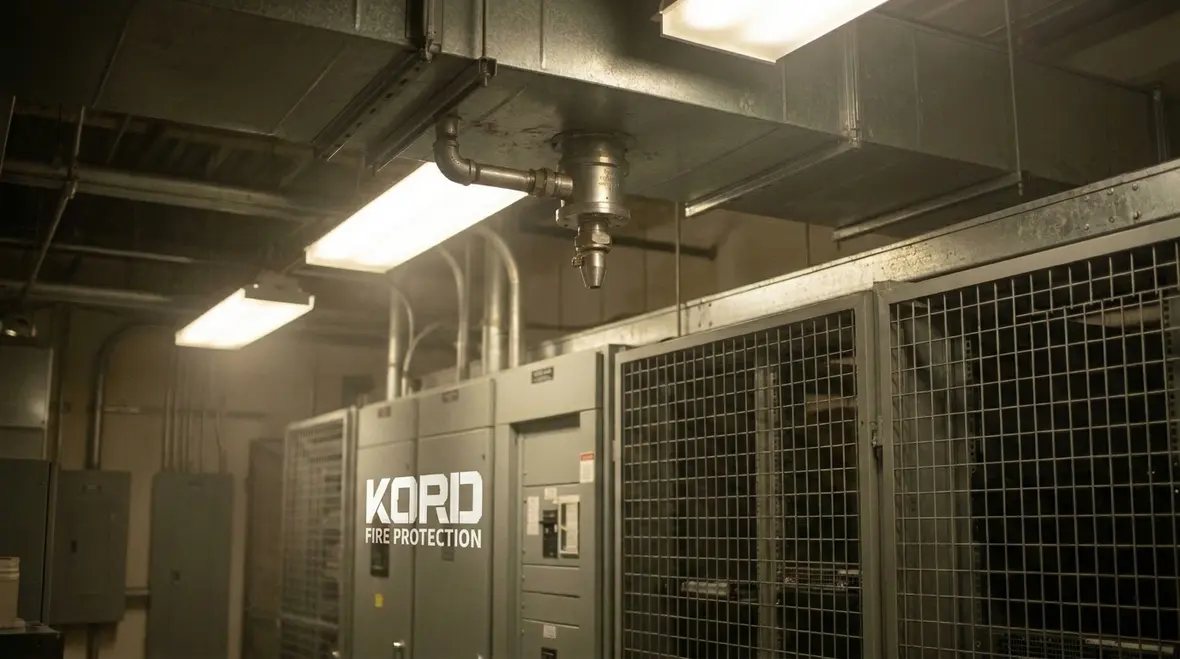
A wider process hazard, exposed equipment arrangement, or uneven heat release pattern can make continuous flow attractive. The goal is not simply to release agent, but to deliver it in a way that keeps suppression conditions stable long enough to interrupt combustion and reduce the chance of immediate flare back. In short, it is less about drama and more about disciplined performance.
Batch Discharge and Where It Fits
Batch discharge releases the clean agent in a more defined burst. This method can suit hazards that need a strong initial knockdown and do not require a long delivery period. It may also help in certain local application setups where rapid suppression matters more than sustained flow. Therefore, batch discharge can be a good fit for specific equipment spaces and enclosed process areas.
Its appeal is obvious. When a hazard needs a quick, forceful response, a defined discharge can place a meaningful amount of agent at the fire very early in the event. If the fire scenario is compact, intense, and responsive to fast interruption, batch discharge may align well with the protection objective.
Even so, batch discharge must still meet the system goal. The agent must reach the hazard quickly, stay effective long enough, and avoid waste. A fast release with poor aim solves nothing. It is like throwing water at a spreadsheet and hoping for better accounting.

Fast does not mean careless
Batch discharge sounds simple, but the design still has to respect the hazard shape, the reach of the nozzles, and the effect of nearby air movement or obstructions. Rapid suppression only works when the agent actually gets where it belongs. Otherwise, the release may look impressive for a moment and accomplish far less than intended.
Continuous Flow vs Batch Discharge
Below is a simple comparison for decision makers who want the short version before lunch disappears.
| Factor | Continuous Flow | Batch Discharge |
|---|---|---|
| Discharge style | Steady delivery over time | Defined burst or short release |
| Best use | Hazards needing even coverage | Hazards needing rapid initial knockdown |
| Design focus | Flow control and sustained reach | Fast agent placement and strong first impact |
| Common strength | Balanced protection across the hazard | Quick suppression response |
How Engineers Choose the Right Discharge Method
Selection starts with the hazard, not the hardware. Engineers review fuel load, layout, ventilation, airflow, and the shape of the protected area. Then they match the discharge method to the risk. For example, a process line with broad exposure may benefit from continuous flow. Meanwhile, a compact equipment zone may need batch discharge for fast control.
They also consider maintenance access and future change. Facilities evolve. A warehouse becomes a plant room. A retail back office turns into a tech hub. Therefore, the design must allow the system to keep performing even when the space grows up and gets ideas.
Design questions worth asking early
- Is the hazard broad, compact, exposed, enclosed, or likely to change over time?
- Will air movement or ventilation interfere with agent delivery?
- Does the fire scenario favor sustained coverage or immediate knockdown?
- Can the piping and nozzle arrangement support the intended discharge pattern reliably?
- Will maintenance teams be able to inspect and service the system without turning routine work into a scavenger hunt?
Why Facilities Should Care About Section 8.6
Facilities teams face tight uptime goals, strict safety duties, and expensive downtime risks. That makes compliant design more than a box to tick. It becomes part of business continuity. Clean agent systems are often chosen because they protect valuable assets while limiting clean up after discharge. So, getting the discharge method right helps reduce damage, support compliance, and improve response reliability.
For industrial, retail, and commercial sites, the biggest risk is not just fire. It is delay, confusion, and the cost of a system that was never matched to the actual hazard. Section 8.6 helps prevent that mistake by pushing the design toward performance, not guesswork.
Teams that want stronger background reading can also review Clean Agent Standard for Fire Suppression Systems and the related guidance on NFPA 2001 guidelines for clean agent fire suppression systems to connect code language with field reality.
How Kord Fire Protection Adds Value
Kord Fire Protection can become a vital partner by guiding clients through design, installation, testing, and ongoing service of NFPA 2001 continuous flow local application clean agent systems. Their role matters because this work needs technical skill, site knowledge, and careful planning. They can help assess the hazard, select the right discharge approach, and keep the system ready for action.
Just as important, Kord Fire Protection can support facilities with practical advice that fits real operations. That means less uncertainty, better compliance, and smoother maintenance planning. In other words, they help turn a technical standard into a working solution. And that, as the saying goes, is where the magic lives, minus the cape.
FAQ
Conclusion
For facilities that need reliable fire protection, the choice between continuous flow and batch discharge is not minor. It shapes system success from the start. The discharge method affects speed, coverage, nozzle strategy, and how well the system matches the actual hazard when it matters most.
Kord Fire Protection can help businesses select, install, and maintain the right solution with confidence. For sites that cannot afford guesswork, that kind of partner is worth its weight in peace of mind.

Join Our Newsletter!
Get the latest fire safety tips delivered straight to your inbox From our Newsletter.