NFPA 2001 Section 9.1 Detection Actuation for Clean Agent
Quick Answer: NFPA 2001 Section 9.1 sets the core rules for how clean agent fire suppression systems detect a fire and release the agent at the right time. In plain terms, it helps systems react fast, stay reliable, and protect critical business spaces with less damage, less downtime, and fewer “why is this blinking red?” moments.
For industrial, commercial, and retail sites, NFPA 2001 detection actuation clean agent fire systems play a major role in protecting people, plant, stock, and data. These systems do not wait around like a bored security guard on a quiet night. Instead, they rely on smart detection and controlled actuation to respond fast when heat, smoke, or flame appears. That matters when a single event could shut down operations, damage high value equipment, or disrupt a whole facility.
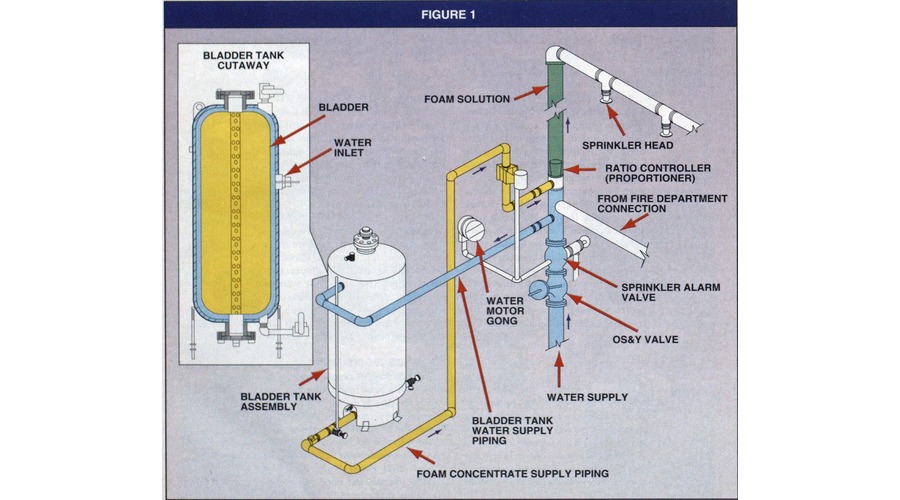
Near the planning stage, it helps to connect code knowledge with real system support. Kord Fire’s clean agent fire suppression service is a natural next step for facilities that need design, installation, testing, and maintenance handled without guesswork. For teams comparing broader special hazards options, their fire suppression services page also gives useful context for how clean agent protection fits into an overall strategy.
What Section 9.1 Covers in Simple Terms
Section 9.1 focuses on the way a clean agent system detects a fire and then triggers the release process. It sets the foundation for system reliability. In other words, it asks a simple question: how does the system know when to act, and how does it do that without panic or delay?
The answer starts with detection. A system may use smoke, heat, flame, or a mix of devices, depending on the hazard and the space. Then, once the control panel confirms the right condition, the actuation process begins. This step must be clear, tested, and dependable. After all, a fire system should behave like a calm pro, not like a confused villain in a bad sequel.
Why this section matters to real facilities
This section matters because detection and actuation are not abstract code boxes to tick. They are the difference between a controlled response and an expensive mess. In practical terms, the sequence has to sense a developing fire, verify the condition, warn occupants, and release the agent in a way that protects both life safety and business continuity. When those steps are aligned, a facility gets something far more useful than a binder on a shelf. It gets a system that can actually perform under pressure.
How detection works in clean agent fire systems
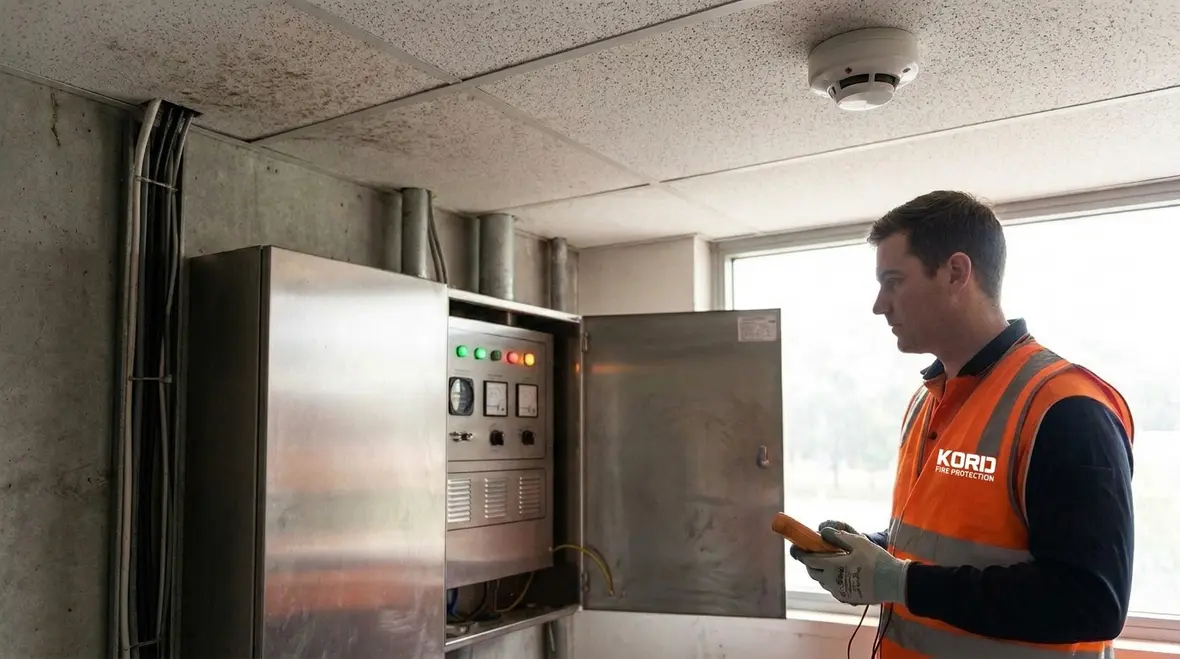
Detection gives the system its first signal. For many sites, the goal is early warning. That gives staff time to respond, isolate risk, and protect business continuity. However, detection must also avoid false alarms. A system that reacts to dust, steam, or a random puff of nonsense creates more problems than it solves.
Clean agent fire systems often use one of these approaches:
- Smoke detection for early warning in sensitive areas
- Heat detection for spaces where smoke may not be the best trigger
- Flame detection for fast growing fire risks
- Cross zone logic for stronger confirmation before release
Because every site has different risks, the detection setup must match the room, the asset, and the operation. A warehouse, a server room, and a retail back office all need different thinking. That is where design experience matters more than a shiny brochure with heroic stock photos.
Matching the detector to the hazard
A clean agent system works best when detection is not chosen by habit. Sensitive electronics rooms may benefit from early smoke detection because the first clue of trouble can arrive long before visible flame. Dusty or variable industrial spaces may call for heat detection where smoke devices would complain all day. Areas with fast ignition risks may justify flame detection for speed. The main point is simple: the detector should fit the room instead of forcing the room to fit the detector.
Early warning without false confidence
Early detection sounds great, and it is, but only when paired with sensible logic. A single device that trips for harmless conditions can create disruption, shutdowns, and nervous glances at the panel. Good system design uses device placement, zoning, supervision, and verification to make sure the signal means something. That is how facilities get the speed they want without turning normal operating conditions into a daily drama.
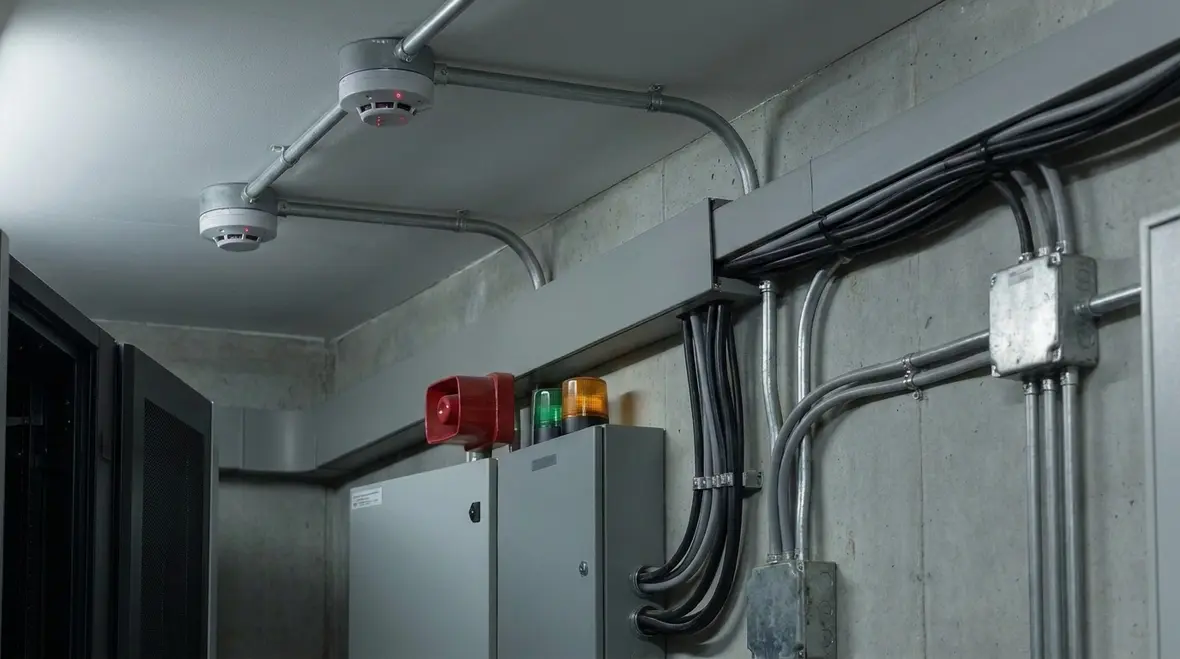
Actuation basics and why timing matters
Actuation is the point where the system decides to release the clean agent. This action must happen in the right sequence and at the right time. If it happens too soon, the risk of false discharge rises. If it happens too late, the fire may spread and cause major loss.
NFPA 2001 Section 9.1 helps guide this balance. It supports proper control panel logic, manual release options, supervised circuits, and sound alarm steps before discharge. It also helps ensure the system gives people warning before agent release, which is vital in occupied commercial and industrial spaces.
In short, the actuation path should be simple, tested, and trusted. No drama. No mystery. Just a clean response when the system needs to move.
What happens between alarm and discharge
Between first detection and agent release, the system still has work to do. The panel has to interpret inputs, verify logic, operate warning devices, and allow for any required delay or manual intervention. That sequence is where reliability lives. It is also where poor configuration can cause real trouble. A rushed design can lead to nuisance trips, delayed discharge, or occupant confusion right when clarity matters most.
Why dual confirmation improves system reliability
Detection and actuation comparison
- Single detection: Faster response, but more risk of false release if the site is noisy or dusty
- Cross zone detection: Better control, since two signals must agree before actuation
- Manual release: Gives trained staff a final option when conditions clearly justify action
- Supervised circuits: Help the panel spot faults before they become bigger issues
Dual confirmation often brings stronger confidence in high value areas. It is not flashy, but neither is a well kept fire system, and that is exactly the point. The best systems do their job without needing applause.
This is especially useful in spaces where an unwanted discharge would be costly, disruptive, or both. Cross zone logic asks for more than one confirming signal before release, which lowers the odds of a false actuation caused by a single device issue or environmental condition. It adds a layer of discipline to the decision making process, which is exactly what you want from a suppression system and not, say, from a roulette wheel.
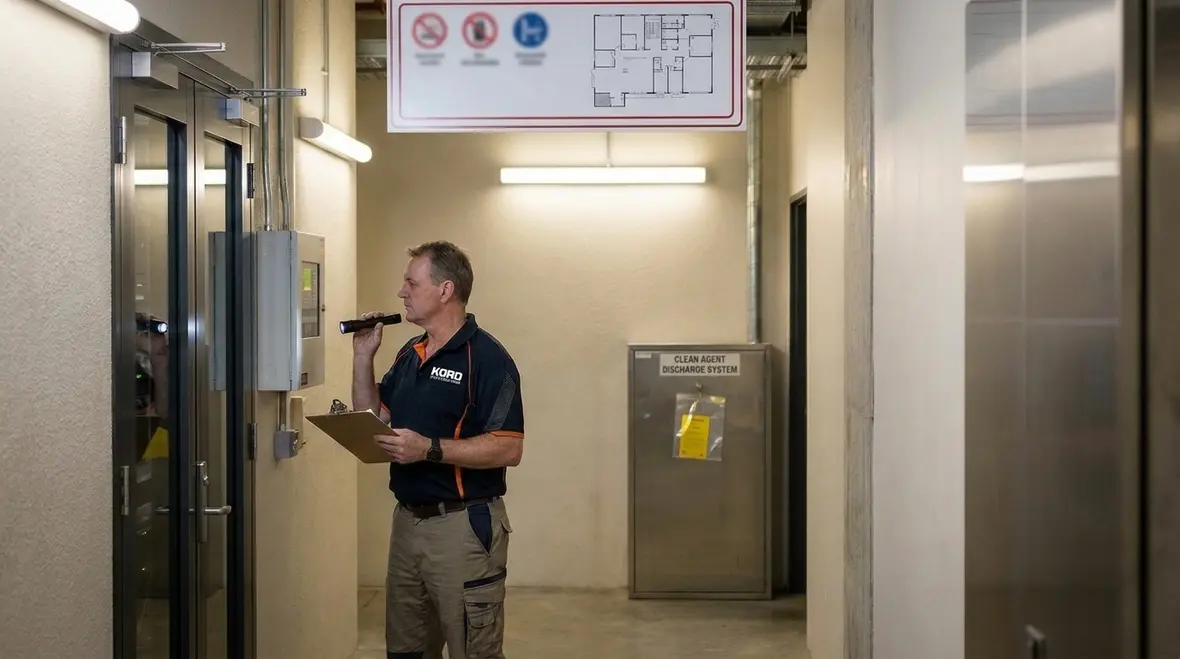
How this protects commercial and industrial sites
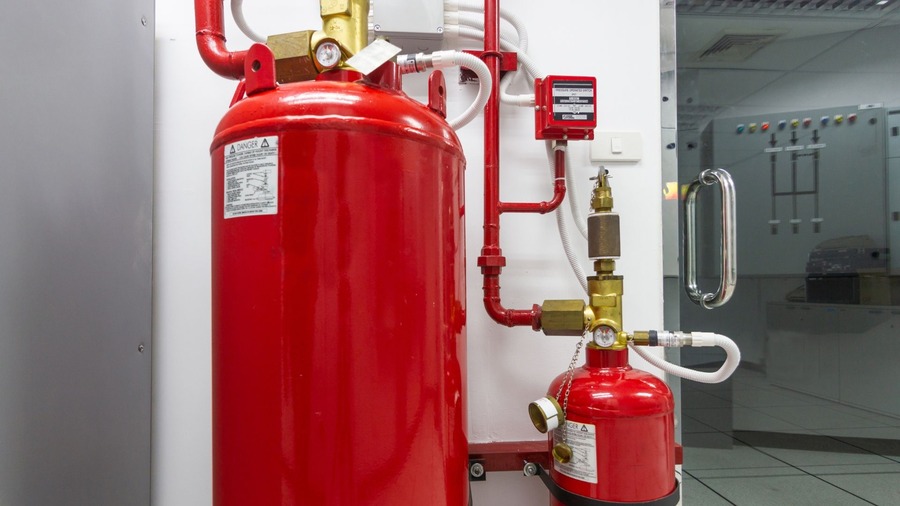
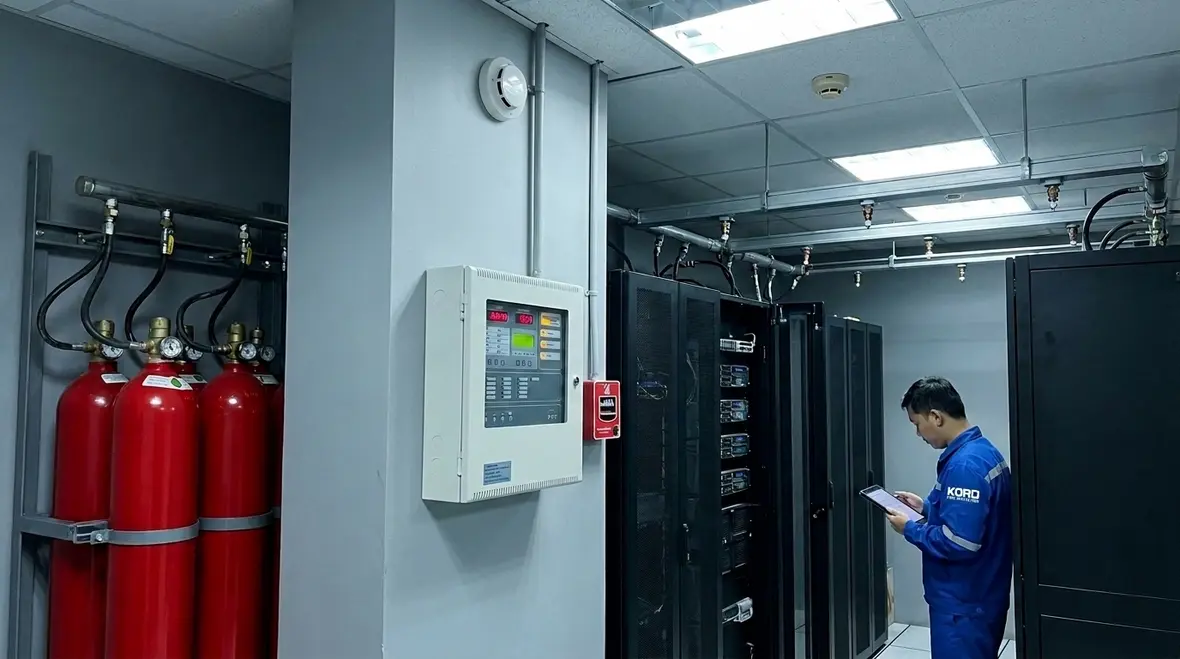
Clean agent systems often protect server rooms, switch rooms, control panels, archives, labs, and other spaces where water damage could be just as costly as fire damage. Since clean agents leave little or no residue, they help reduce cleanup and speed up recovery.
That matters for facilities that cannot afford long outages. A retail chain wants stock and systems back online. An industrial site wants production moving again. A commercial office wants data safe and operations steady. Therefore, proper detection and actuation become part of business continuity, not just fire compliance.
Clean agent systems also help support safer evacuation and better emergency control. When the system activates as intended, staff can respond with more confidence and less confusion. And yes, that calm matters. Nobody wants a fire response that feels like a scene from Jaws, with everyone guessing what is coming next.
Business continuity is part of the fire plan
For many facilities, the value of clean agent protection is not just about stopping combustion. It is about limiting downtime, preserving equipment, and getting the room back into service with less cleanup. A soaked server room, disabled switchgear space, or contaminated archive can turn a small fire event into a long operational headache. That is why clean agent detection and actuation design belongs in the same conversation as uptime, asset protection, and recovery planning.
How Kord Fire Protection supports the whole job
Kord Fire Protection can become a vital partner by helping design, install, test, and maintain these systems with the right care. A clean agent system only works well when the detection, control, and actuation parts all align. Kord Fire Protection can help make sure that happens.
Their support can include site review, system selection, compliant setup, testing, and ongoing maintenance. Just as important, they can help facilities understand how the system behaves before an actual fire ever shows up. That practical guidance can reduce confusion, improve readiness, and keep operations safer. In a field where small mistakes can have large costs, a trusted partner is worth its weight in gold, or at least in very expensive uptime.
If your team is diving deeper into the standard side of the topic, Kord also has a related resource on NFPA 2001 guidelines for clean agent fire suppression systems that fits naturally with this discussion and makes a strong internal reference for readers who want more detail.
What facilities should ask before they install
Facilities should ask clear questions before choosing a clean agent fire setup. For example:
- Which hazards does the area face most?
- What type of detection fits the space?
- Will actuation cause any risk to staff or operations?
- How will the system be tested and maintained?
- Who will respond if a fault appears?
These questions help the system match the building instead of forcing the building to fit the system. That is a big difference, and it often saves time, money, and stress later.
A short checklist that saves long headaches
It also helps to ask who owns training, documentation, and future testing after installation wraps up. Many issues do not begin with bad hardware. They begin with poor handoff, unclear procedures, or changes in the room that nobody updates in the system. A clean agent setup should not become a mystery box the day after commissioning. The more clearly a facility defines responsibilities up front, the better the system performs over time.
FAQ
Move from compliance to confidence
For facilities that need fast, controlled fire response, NFPA 2001 detection actuation clean agent fire systems deliver real protection when they are designed and maintained well. The standard matters, but the real value shows up when the logic, devices, alarms, and release sequence work together without confusion. That is what turns compliance into confidence.
Kord Fire Protection can help turn that standard into a working solution that supports safety, uptime, and peace of mind. The next step is simple: get the right guidance, check the site properly, and build a system that is ready before trouble knocks. Calm planning now beats expensive chaos later every single time.

Join Our Newsletter!
Get the latest fire safety tips delivered straight to your inbox From our Newsletter.