
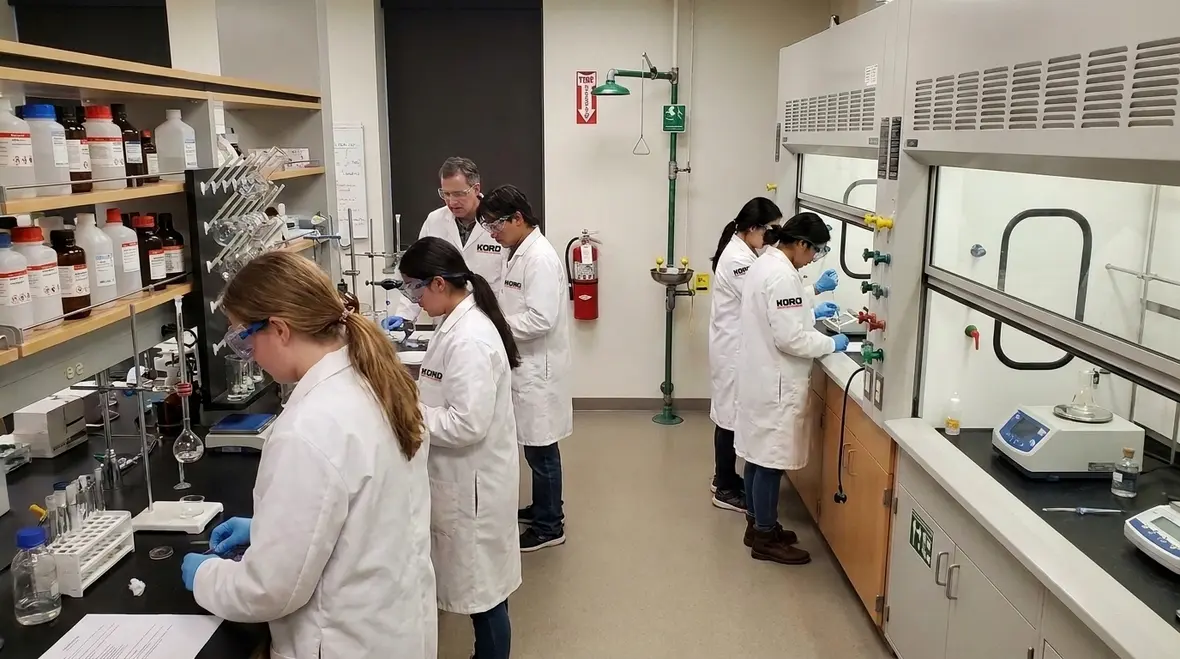
NFPA 45 Section 12.1 General: Overview of Educational Lab Operations
Quick Answer
NFPA 45 Section 12.1 sets baseline expectations for educational laboratory operations, focusing on safe practices, hazard control, and program oversight. It guides how facilities plan, train, maintain, and supervise lab activities so chemical, thermal, and ignition risks remain managed during day to day work.
For facilities that need broader campus support, school fire suppression system planning for classrooms and labs connects well with the operational issues covered here, especially where inspection readiness, turnover, and changing lab use all collide at the worst possible moment.
What NFPA 45 Section 12.1 Covers for Educational Labs
Within the broader scope of NFPA 45, Section 12.1 establishes general requirements intended for educational laboratory operations general. The goal is to standardize safe lab operations across classrooms, teaching labs, student work areas, and instructional demonstration spaces. These requirements support consistent management of fire prevention processes, safe handling practices, and ongoing readiness of fire protection and life safety systems.
In practice, Section 12.1 functions as the operational foundation for a facility’s lab safety program. It helps commercial, industrial, and retail related campuses implement practical controls that align with how educational labs are actually used: frequent turnover, varied student competency levels, and recurring hands on experiments.
How Educational Lab Operations Should Be Organized Day to Day
Educational laboratories typically operate under a mix of scheduled classes, open lab time, and special teaching sessions. NFPA 45 educational laboratory operations general emphasizes that safe operations depend on more than equipment. Programs require defined roles, predictable procedures, and operational controls that match the hazards present.
1) Instruction and supervision workflow
Facilities must ensure competent supervision during activities that can create ignition sources or fire load changes. A common failure point involves students initiating procedures without the expected prep steps, such as confirming chemical incompatibilities, verifying ventilation performance, or staging ignition sensitive equipment correctly.
2) Handling, storage, and staging of materials
Educational labs often experience rapid material movement between storage and workstations. Section 12.1 driven operational expectations typically translate into strict staging limits, clear segregation rules, and controlled access to storage cabinets. Inadequate labeling and inconsistent secondary containment practices regularly increase the likelihood of spills and vapor release, which can escalate a small event into a flash or fire incident.
3) Housekeeping and control of combustibles
Combustible waste generation increases with student activity. Housekeeping procedures should specify routine container use, waste segregation, and timelines for removal. A frequent operational breakdown occurs when waste containers overflow or when paper, solvents, and cleaning materials accumulate near heat sources, hot plates, or demonstration rigs.
Common Compliance Challenges in Educational Lab Environments
Educational labs have unique operational characteristics that raise compliance risk even when equipment meets design specs. The section 12.1 general framework helps facilities address the most common practical gaps.
Frequent turnover and variable competency
Students and rotating staff may not follow the same safe workflows, especially during early semester sessions. Facilities should align training refreshers with the actual experiments performed, not generic safety posters. Operational checklists and documented supervision protocols reduce variability.
Ventilation performance and local exhaust realities
Many lab activities rely on local exhaust ventilation and proper containment. If hood alarms are bypassed, filters are overdue, or duct performance degrades, the hazard profile changes. This can increase flammable vapor accumulation risk and affect how quickly smoke or combustion products are managed.
Ignition sources around student equipment
Hot plates, heating mantles, electrical apparatus, and open flame demonstrations require controlled ignition management. Failures often involve cords and power strips in high traffic zones, damaged extension cords, or uncontrolled transition between experiments that creates ignition risk. Operational controls should include inspection expectations and shut down procedures that students can follow reliably.
Fire Protection Systems and Maintenance Expectations Tied to Operations
NFPA 45 Section 12.1 general requirements drive operational readiness. That readiness depends on fire protection and detection systems that function as intended throughout the academic cycle, including during periods of high activity.
Practical inspection and readiness checks
Educational facilities typically need more frequent verification because of schedule variability and frequent room access. Operational readiness checks should connect day to day practices to system performance, including:
- Maintaining clear access to extinguishers, manual pull stations, and emergency equipment
- Verifying that detection and alarm components remain unobstructed and within their environmental limits
- Confirming that signage and egress paths remain usable during lab setups
- Ensuring that any impairment procedures and temporary closures follow documented controls
Service intervals that match the operating cycle
Commercial operations do not pause for semesters. Kord Fire Protection supports educational and campus style environments by providing inspection, testing, and maintenance planning that aligns with real occupancy patterns, enabling fewer disruptions and better audit readiness.
For more guidance on service delivery and compliance support, Kord Fire Protection information is available through its full fire protection services page.
Teams that want a practical documentation angle can also review this step by step fire safety audit process, which fits naturally with the recordkeeping and corrective action side of educational lab operations.
Documenting and Auditing NFPA 45 Educational Lab Operations
Section 12.1 general expectations require programs that can be verified. Documentation supports training, inspection traceability, and corrective action. Without evidence of control, facilities face elevated exposure during internal audits and external authority reviews.
What auditors commonly expect to see
- Written procedures that reflect the actual experiments and operational flow
- Training records aligned with assigned duties and lab schedules
- Maintenance and testing logs for relevant fire protection systems
- Corrective action tracking for recurring deficiencies such as housekeeping gaps or equipment defects
- Impairment and return to service documentation for any temporarily out of service life safety features
Corrective action that prevents recurrence
Corrective actions should address root causes, not just symptoms. For example, if extinguishers are repeatedly blocked by lab setup materials, the fix should include storage location changes, instructor staging rules, and a verification step at the start of each lab session.
Frequently Asked Questions
Take Action Now
Educational lab compliance succeeds when operational controls and fire protection maintenance work together. Kord Fire Protection helps facilities plan inspections, testing, and corrective maintenance aligned to real classroom schedules and hazard profiles. Contact Kord Fire Protection to review your current program, identify operational risk points under NFPA 45 educational laboratory operations general, and build an actionable maintenance and compliance plan.

Join Our Newsletter!
Get the latest fire safety tips delivered straight to your inbox From our Newsletter.



