
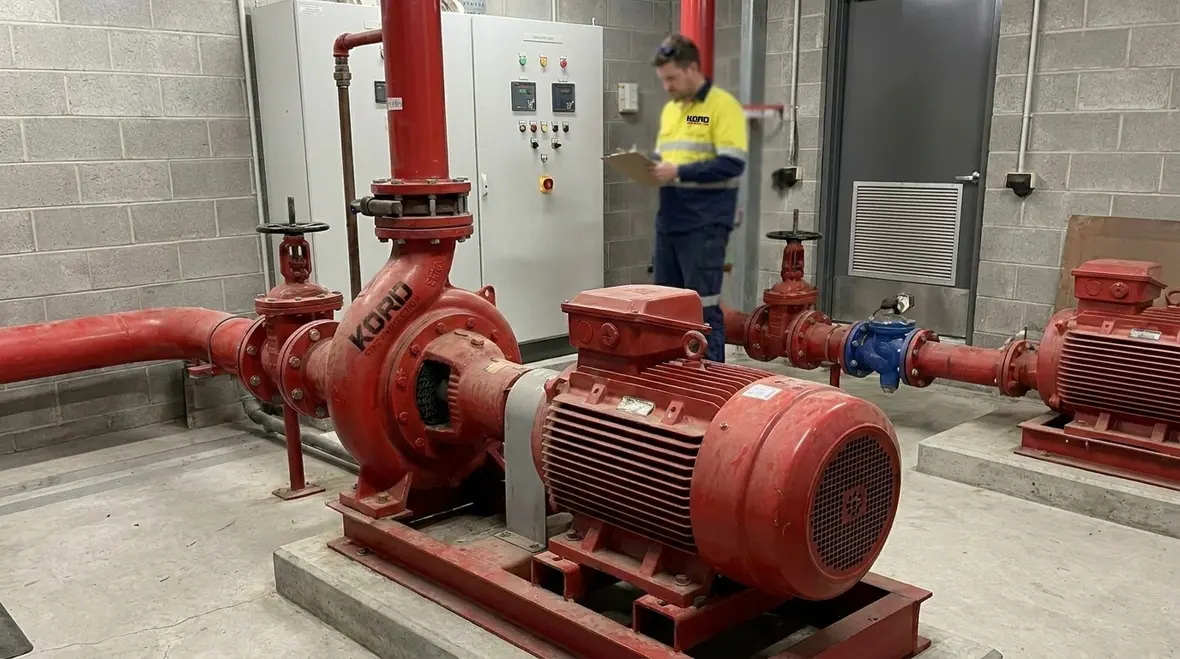
NFPA 20 Sections 4.6 to 4.7 Fire Pump Water Supply Requirements
Quick Answer: NFPA 20 Sections 4.6 to 4.7 cover the water supply, pumps, drivers, and controllers that keep a fire protection system ready when it matters. For Australian industrial, retail, and commercial facilities, Kord Fire Protection can align these components, test them properly, and keep compliance practical, not painful.
In Australia, facilities often learn the hard way that firefighting hardware does not run on hope. It runs on good fire pump water supply and controller requirements, clean control logic, and water that actually arrives when the system calls for it. This article walks through NFPA 20 Sections 4.6 to 4.7, so industrial, retail, and commercial operators can understand what the code expects for water supplies, pumps, drivers, and controllers. Then, Kord Fire Protection shows how it becomes a vital partner for the service and job from planning to commissioning. And yes, the goal is to keep the system reliable, not make it audition for the role of “dead on arrival.”
Facilities that need broader support across testing, maintenance, and readiness can also benefit from full fire protection services, especially when pump performance, controls, and documentation all need to stay on speaking terms.
Understanding NFPA 20 water supply expectations
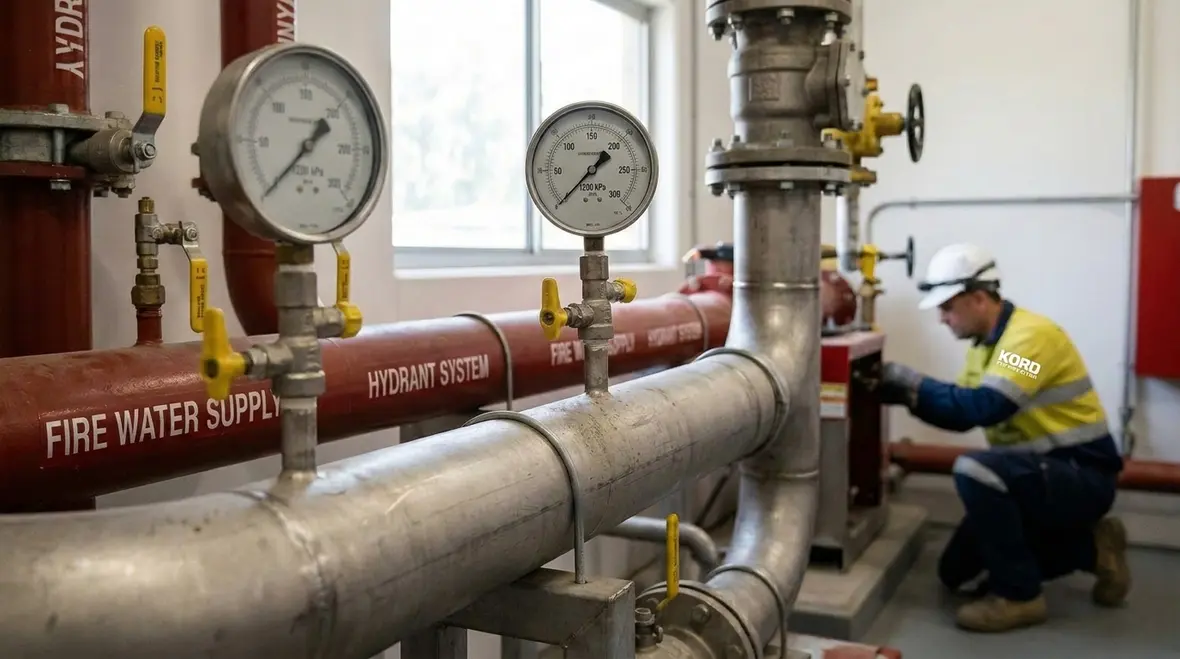
NFPA 20 Section 4.6 sets the foundation for reliability by focusing on water sources and how they perform during a fire event. Therefore, facilities must consider not just whether a connection exists, but also whether the available water meets demand at the required pressures and flow rates.
To meet these expectations, designers and installers typically confirm supply details early, then they verify performance during acceptance testing later. That sequence matters, because a paper plan can look perfect while real pipe friction quietly steals performance like a cat knocking items off a shelf.
Key ideas in this stage include water source type, how the system maintains supply, and how arrangements reduce risk of depletion or loss. In practical terms, water supply design must support the pump’s ability to deliver rated flow for the required duration. As a result, teams often evaluate the main water source, any storage, and the hydraulic layout long before equipment selection locks in.
What strong water supply planning really looks like
A dependable supply plan is less glamorous than a shiny pump room, but it does most of the heavy lifting before an emergency ever starts. Teams typically review source reliability, hydraulic losses, storage conditions, and how the supply behaves if demand rises quickly. If the supply side is weak, the rest of the system ends up trying to solve a problem it never had the power to fix.
That is one reason many operators pair their project planning with broader NFPA 20 context from this NFPA 20 overview. It helps connect the section-by-section requirements with the larger performance expectations behind the standard.
Pumps and performance: the heart of the system
Once the water supply can deliver, NFPA 20 Section 4.7 turns attention to pumps, drivers, and controllers. Pumps must perform under fire conditions, not just under normal test conditions. Thus, the selection process links pump curves, expected demand, and the realities of system pressure loss.
For industrial and commercial sites, pump reliability also depends on proper installation details. After all, alignment, suction conditions, and piping configuration can change results more than some people expect. Then, during commissioning, teams verify that pump operation meets the design intent.
Furthermore, pump systems must handle start and stop sequences correctly, and they must maintain stability as conditions shift. In many facilities, that includes scenarios where multiple outlets open, or where hose streams draw flow faster than the building’s routine habits would suggest. Therefore, the pump must stay within its effective operating range.
Why pump testing has to mirror real conditions
A pump that behaves nicely during a calm scheduled test but struggles under shifting demand is not exactly earning a gold star. Real confidence comes from testing that reflects actual site conditions, flow changes, and control responses. That means looking beyond whether the unit starts and asking whether it sustains the right pressure and output when the system is under stress.
Drivers: power that starts without hesitation
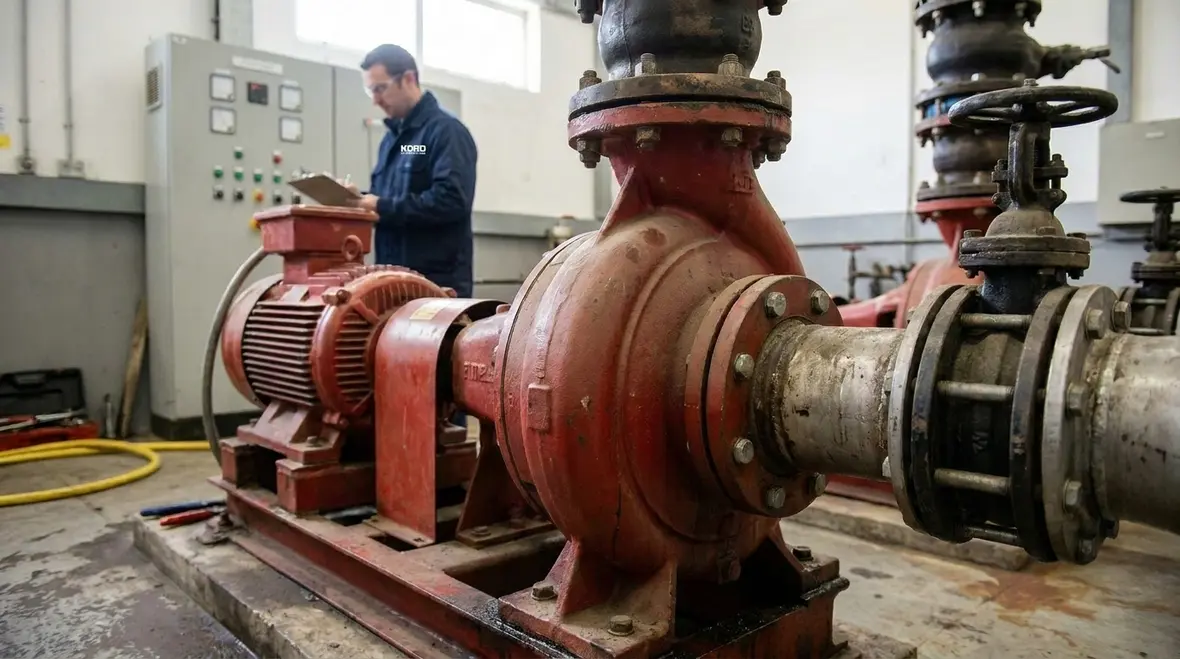
NFPA 20 Section 4.7 addresses pump drivers, which must provide dependable power for fire service. So, whether the site uses an electric motor driver or another approved arrangement, the driver must reliably start and continue to run as required.
Drivers also face the realities of the environment in Australia. Heat, dust, vibration, and access constraints in plant rooms can all affect performance. Therefore, proper enclosure, ventilation, and maintenance access matter just as much as the electrical or mechanical design.
In addition, teams consider how the driver responds during control commands and how it performs when the system shifts into fire mode. Consequently, driver reliability goes beyond specs and into the discipline of commissioning and ongoing service.
Power quality is part of reliability, not a side note
When facilities talk about reliability, they sometimes focus on the pump itself and treat the driver like a silent extra in the background. That is risky. If supply power is unstable, if protective settings are misaligned, or if room conditions wear down electrical parts, the driver becomes the weak link. Good service planning catches those issues before the system decides to introduce them during the least convenient moment possible.
Controllers: control logic that stays clear under stress
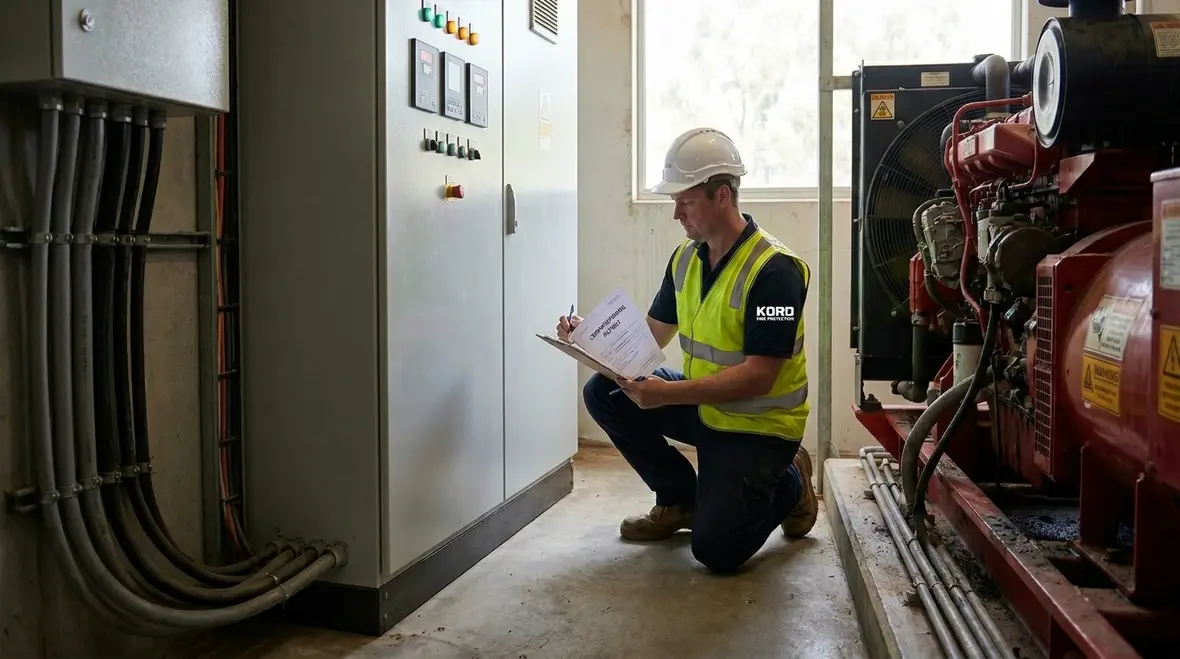
Controllers bring the system to life by coordinating signals, pump start commands, and status indications. Under NFPA 20, the controller must support fire service operation in a way that supports correct sequencing and dependable response.
Here is where fire pump water supply and controller requirements show up in real life. The controller does not just press a button. Instead, it interprets conditions, initiates pump operation, and ensures that the system behaves as intended when water flow demand increases.
To keep control logic dependable, teams often verify alarm and status points, wiring integrity, and the correct response to supervisory and initiating signals. Additionally, they confirm that controller settings align with the designed system and that the control system does not “choose” to act differently during real-world events.
And for the record, controllers do not enjoy surprises. If the wiring or set points are off, the system might still run, but it will not run the way the code expects. Kord Fire Protection helps reduce that risk by aligning controller setup with the complete hydraulic intent, not just the equipment label.
Clear logic prevents messy outcomes
Good controllers make complex response look simple. Bad setup makes simple response look haunted. The difference usually comes down to disciplined verification, clean wiring, proper settings, and a service team that understands how the controls interact with pump behavior, water supply conditions, and site monitoring expectations.
How system coordination reduces costly surprises
Water supply, pump, driver, and controller work like a team, not like separate projects. If one piece lags, the whole system suffers. Therefore, integrated commissioning becomes the difference between “it passed a test” and “it performs in a fire.”
For example, teams may confirm controller action timing, pump start performance, and flow delivery, then they check how each component responds when the system conditions change. In other words, they do not stop once the pump turns on. Instead, they validate that the system supports the water delivery goals throughout operation.
As facilities in Australia look after multiple trades and ongoing operations, coordination also reduces downtime. When a contractor or service team understands the full system logic, they can schedule work efficiently and avoid repeated trips that feel like a rerun of the same episode. Nobody wants to watch the “call-backs” season again.
This is where Kord Fire Protection becomes a vital partner. Kord supports the service and job by connecting design expectations with real-world testing, documentation, and practical maintenance planning. As a result, facility teams receive clearer performance confidence rather than vague assurances.
Australian facility service planning for ongoing compliance
Compliance is not a once-a-year event. It becomes a habit, and it starts with smart service planning. For industrial, retail, and commercial facilities across Australia, that means planning inspections, functional checks, and maintenance tasks so that the fire pump system stays ready.
Moreover, service planning works best when it reflects the actual controller and pump setup. If the controller logic includes specific interlocks, alarms, or supervisory monitoring, then service teams need to test those points in a way that matches the installed intent. Likewise, pump maintenance must reflect how the pump operates during tests, including discharge conditions and suction stability.
In busy commercial environments, downtime matters. Therefore, Kord Fire Protection helps coordinate service windows, confirm spare parts readiness, and support documentation so audits feel more like a review and less like a fire drill. And yes, a fire drill is fine. An audit panic is not.
Quick NFPA 20 checklist for Sections 4.6 to 4.7
To support job teams, facilities often use a short checklist that mirrors the code focus, then they expand it based on the site design. The goal is not to copy the code word for word. The goal is to ensure the code intent shows up during commissioning and service.
- Water supply: verify source capacity and performance under demand, then confirm the hydraulic path and any storage arrangements support the required delivery.
- Pumps: confirm pump performance against design flow and pressure, then verify installation details support stable operation.
- Drivers: confirm power supply and driver operation meet the required starting and running demands.
- Controllers: verify control logic, sequencing, alarms, and status points operate correctly during fire mode and test modes.
- Coordination: validate that the system acts as one unit, so control commands lead to correct pump response and water delivery.
FAQ
Final word
NFPA 20 Sections 4.6 to 4.7 demand more than good intentions. When water supply, pumps, drivers, and controllers match the design intent, the system performs under real fire conditions.
Kord Fire Protection helps industrial, retail, and commercial teams across Australia keep that alignment through commissioning, service planning, and reliable support. If the system matters, partner with professionals who treat compliance like a job worth doing.

Join Our Newsletter!
Get the latest fire safety tips delivered straight to your inbox From our Newsletter.



