NFPA 20 Section 4.25 Packaged Fire Pump Assembly Requirements
Quick Answer: NFPA 20 Section 4.25 focuses on packaged fire pump assemblies used in modern pump rooms. For facilities in Australia, it sets expectations for factory-built components, testing, labeling, and performance so systems work when seconds matter. Kord Fire Protection can help with design support, compliance guidance, commissioning planning, and ongoing service.
If your facility team is reviewing broader fire pump readiness at the same time, Kord Fire Protection also offers full fire protection services that naturally support inspection planning, coordination, and long-term system performance. For a wider technical overview, it also helps to review how NFPA 20 regulates fire pump systems.
Modern pump rooms need packaged reliability, and NFPA 20 Section 4.25 explains why
In the real world, pump rooms do not get more time. They get more pressure, more vibration, and more responsibility. That is why the packaged fire pump assembly requirements NFPA 20 under Section 4.25 matter for industrial, retail, and commercial facilities across Australia. Early planning reduces last minute surprises, and it also helps operators avoid the classic mistake of assuming “installed” means “ready.” To keep the peace in busy facilities, this section supports packaged assemblies that come together with clear intent: performance you can verify, documentation you can trust, and a setup that follows proven rules.
And yes, fire safety is serious business. Still, even the best gear deserves good management. Think of it like buying a premium power tool kit and then neglecting the manuals. It is not the tool’s fault, it is the human choice.
What NFPA 20 Section 4.25 covers in practical terms
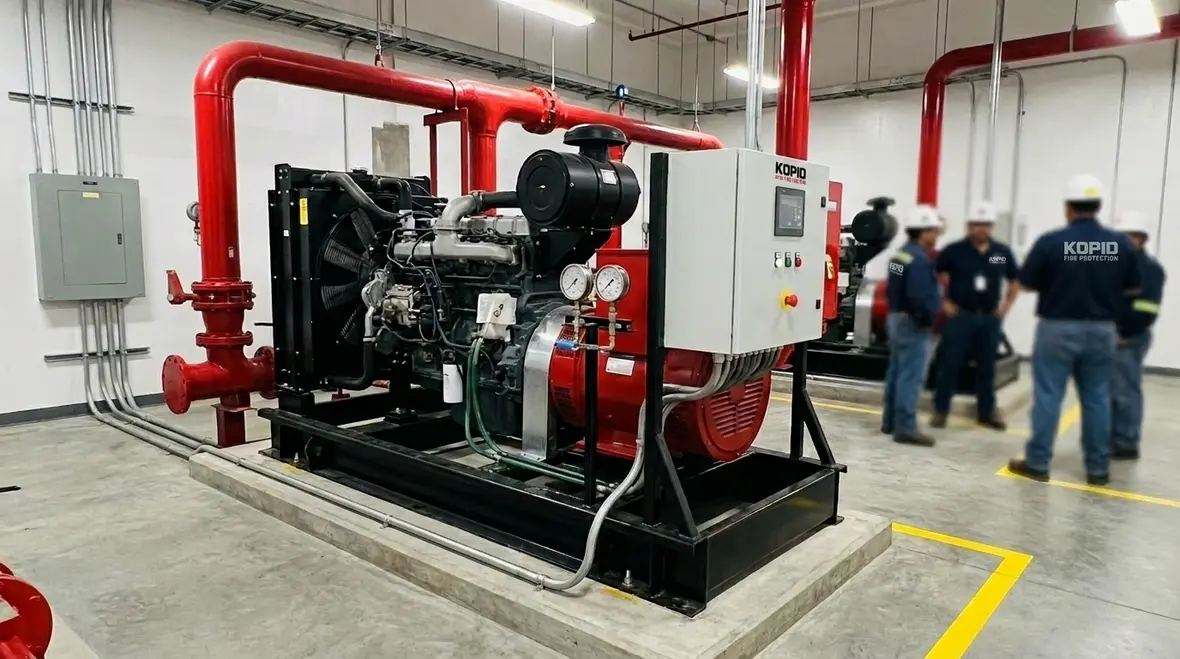
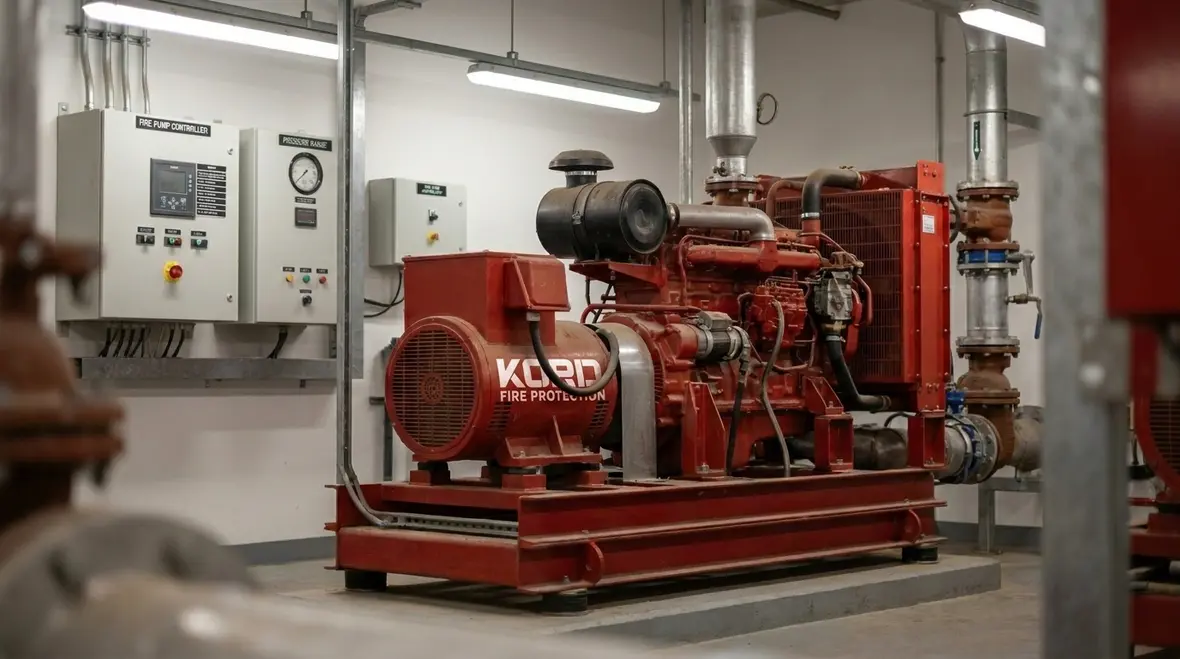
When facilities follow packaged fire pump assembly requirements NFPA 20, they focus on the system as a whole, not as a pile of parts. Section 4.25 addresses packaged assemblies typically shipped as factory coordinated units. This approach improves consistency, because components match the intended configuration from day one. It also supports faster installation and clearer inspection pathways.
Further, modern pump rooms often face space limits, shared mechanical areas, and strict operational schedules. Packaged solutions help reduce on site guesswork. As a result, the facility team can plan shutdown windows more confidently and avoid extended commissioning delays.
At the same time, compliance does not stop at delivery. The packaged assembly must still connect to the site systems properly, meet installation requirements, and support testing that proves the pump and controls perform as designed. That distinction matters, because a tidy skid or well-finished assembly can create a false sense of security if nobody checks how it behaves once the real building connections are live.
Why the packaged approach changes project planning
A packaged fire pump assembly can simplify coordination because it narrows the number of field decisions left to chance. Instead of piecing together major parts from several directions and hoping everything gets along like old friends, teams receive a more intentional arrangement. Documentation, labeling, and configuration tend to be clearer, which supports inspectors, installers, and operators without forcing them to solve a mystery during handover week.
Key features of packaged fire pump assemblies that matter on the ground
Even a compliant design can fail if the operational details get ignored. Therefore, facilities benefit from focusing on the features that drive real-world performance. Below are the areas that often decide whether the system is smooth in testing and dependable in emergencies.
- Integrated pump and driver coordination: Factory alignment and documented setup reduce the risk of mismatched components.
- Controls and instrumentation layout: Controls should support clear startup logic, reliable status feedback, and practical alarm paths for operators.
- Valves, fittings, and pressure sensing points: Correct arrangement helps ensure readings match actual system behaviour.
- Drainage, access, and service clearances: These factors influence maintenance outcomes, not just first day appearance.
- Finish quality and labeling: Clear identification saves time during troubleshooting and reduces human error during inspections.
Now, if someone tells a facility team “it is all standard,” they might be trying to sell a dream. Standards matter, but details matter more. A packaged assembly works best when it is installed and commissioned to the same standard as the paperwork claims.

Common details teams should not gloss over
Teams should pay close attention to how controls are identified, how pressure sensing points are arranged, and whether service clearances actually make sense once the room is occupied. A layout can look perfectly respectable on paper, then become a shoulder-bumping obstacle course once electricians, pipefitters, and maintenance staff all need access at the same time. Good packaged design helps, but practical site review keeps the promise honest.
How facilities use packaged solutions to reduce downtime and improve commissioning
Across industrial, retail, and commercial properties, project timelines rarely behave. They overlap fitout works, tenancy changes, and mechanical upgrades that all want the same floor space. As a result, a packaged assembly helps because the pump room scope becomes more predictable.
Furthermore, commissioning benefits from clarity. When the assembly is built as a coordinated unit, test procedures can align more closely with the documented configuration. That means less time spent chasing wiring confusion, mismatched sensor locations, and “unknown until now” performance assumptions.
Next, operational teams get a cleaner path to routine checks. When labeling, controls, and documentation follow a consistent approach, staff can run inspections more efficiently. In practice, that keeps compliance efforts steady and reduces the risk of last minute fixes that eat budget and patience.
This is also where packaged assemblies can lower friction between trades. The more clearly an assembly arrives configured, the less likely one contractor is to blame another contractor, who then blames the drawing set, who then blames gravity. Nobody wins that meeting. Better coordination up front tends to create better testing outcomes later.
Where Kord Fire Protection becomes a vital partner
Compliance is not a solo sport. Kord Fire Protection can act as a vital partner because the work does not end at equipment selection. Instead, Kord helps coordinate the steps that make the system trustworthy in daily life: review, planning, installation oversight support, testing guidance, and service continuity.
Here is how that partnership typically shows up for Australian facilities:
- Design and documentation support: Kord helps teams interpret the intent behind packaged fire pump assembly requirements NFPA 20, then align project scope with what inspectors expect.
- Commissioning planning: Kord can help structure test sequences so the facility avoids rework cycles.
- Operational readiness: Kord supports handover practices that help operators understand alarms, sequences, and maintenance touchpoints.
- Ongoing service and inspections: Kord can maintain performance over time so “as installed” becomes “as reliable.”
And to keep things real, facilities do not want surprises. They want confidence. Kord brings the calm discipline needed when schedules are tight and stakeholders are busy. Think of Kord as the person who reads the fine print before the fine print reads back.

Packaged assembly installation considerations for Australian pump rooms
Once the packaged assembly arrives, the facility still carries the responsibility to install it correctly. That is where a strong process protects both compliance and performance. Kord and facility teams typically focus on installation details that can make or break system readiness.
First, site connections and alignment must match the packaged configuration. If the pipework, vibration isolation, or support arrangement conflicts with the assembly design intent, you can see performance issues during testing. Then, the electrical and control integration must follow the project drawings and manufacturer requirements, not tribal knowledge passed down like an urban legend.
Next, the pump room environment matters. Ventilation, temperature control, and access routes influence how reliably the equipment stays within its safe operating envelope. Additionally, maintenance access should support routine checks without turning the pump room into a construction site every time a filter needs attention.
Finally, inspections should align with the evidence available on site: labels, documentation, test results, and clear records. When those items remain consistent, ongoing compliance becomes easier, and troubleshooting becomes faster.
Dual column checklist: what to verify before commissioning
- Confirm packaged configuration matches project documents.
- Verify labeling and documentation completeness.
- Check pump room access for maintenance tasks.
- Confirm pressure sensing locations align with design.
- Review drain and relief routing for safe discharge.
- Confirm electrical interfaces and control wiring.
- Validate valve positions and system fill status.
- Plan test sequences with clear acceptance criteria.
- Ensure alarms and indicators reach the right panels.
- Record commissioning results for future inspections.
This checklist keeps work moving. It also prevents the “we will sort it out later” problem, which always shows up later, usually at the worst possible time.
FAQ: packaged fire pump assemblies and compliance expectations
Call Kord Fire Protection to keep your pump room ready when it counts
Facilities across Australia need fire pump systems that behave predictably, not hopefully. Kord Fire Protection helps teams align project scope, installation details, and commissioning plans with the intent behind packaged fire pump assembly requirements NFPA 20. If your next upgrade, audit, or service window is coming up, reach out for a practical compliance and readiness review.
Then let us keep your pump room calm, clear, and ready. That is the goal with packaged assemblies too: fewer surprises, better evidence, smoother commissioning, and more confidence when the system finally has to prove itself under pressure.

Join Our Newsletter!
Get the latest fire safety tips delivered straight to your inbox From our Newsletter.