
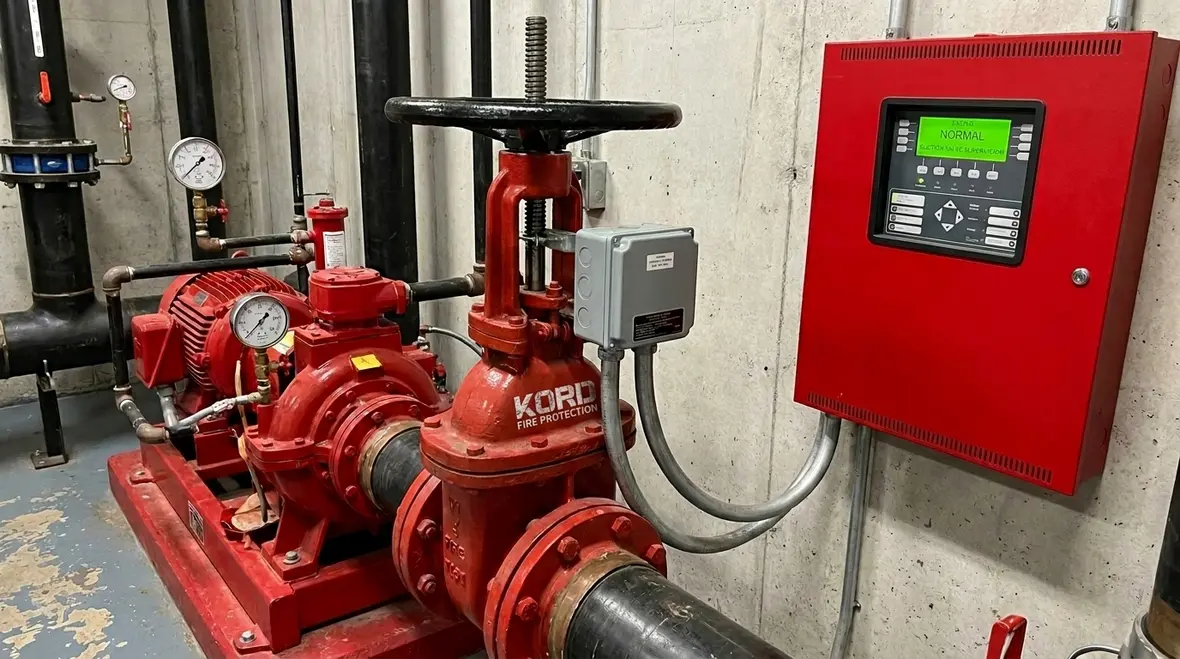
NFPA 20 Section 4.16 Fire Pump Valve Supervision Requirements
Quick Answer: NFPA 20 Section 4.16 sets fire pump valve supervision requirements to ensure critical valves stay in the correct position. Facilities verify valves are monitored for correct status, typically using supervised switches, signal devices, and approved methods. Kord Fire Protection can partner with teams across Australia to keep systems reliable and inspections smooth.
For sites that want support beyond one inspection cycle, full fire protection services can help connect valve supervision, pump readiness, and broader compliance planning without turning the plant room into a guessing game. For a wider code context, Kord Fire Protection also covers how NFPA 20 regulates fire pump systems, which pairs naturally with the supervision focus here.
NFPA 20 Section 4.16 in plain language, for facilities teams
Within the first pass of a design or inspection, fire pump valve supervision requirements become one of those topics that everyone recognizes and nobody wants to get wrong. Yet NFPA 20 Section 4.16 exists for a reason: when a fire pump depends on valves that can silently drift out of position, the system can fail right when it matters most. Therefore, the standard requires supervision for valves that affect pump operation so facilities can detect abnormal conditions before a real incident forces the issue.
In Australia, this matters across industrial, retail, and commercial sites where downtime costs money and fire safety teams need confidence. And while “supervision” can sound like a buzzword from a corporate meeting, it actually means monitored status, clear evidence, and repeatable checks. Kord Fire Protection can become a vital partner by aligning valve supervision with commissioning, documentation, and ongoing service that keeps the system audit ready.
Which valves fall under supervision, and why that matters
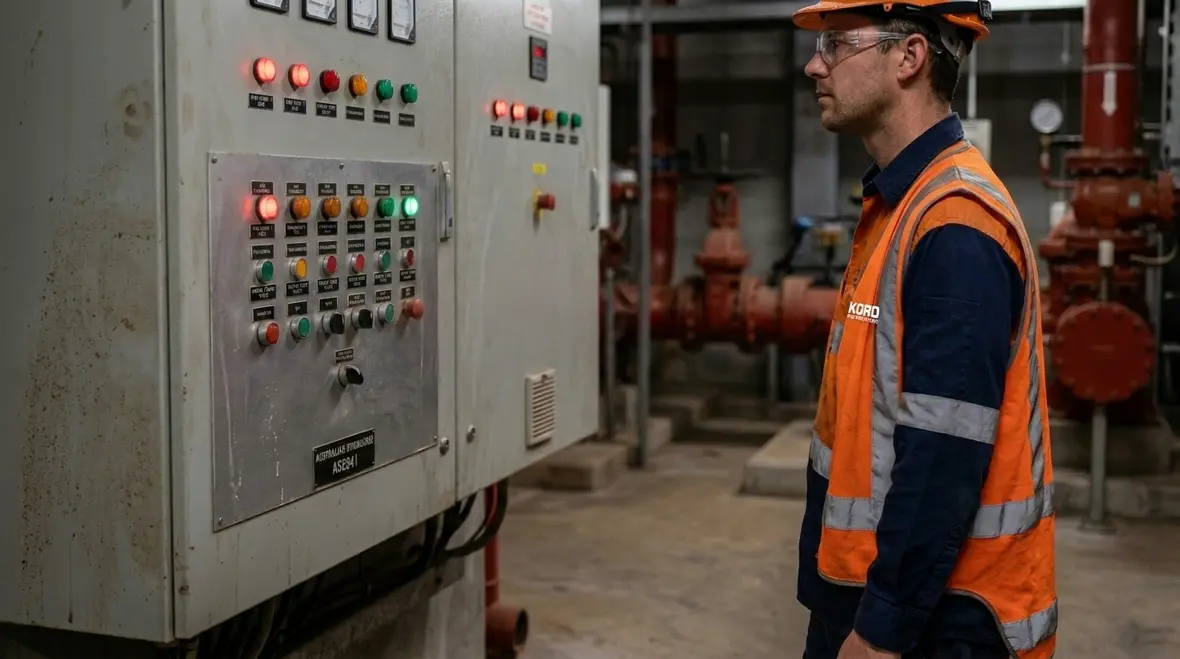
NFPA 20 Section 4.16 focuses on valves whose position can block or impair water flow to the fire pump or disrupt fire water delivery. In practice, this often includes valves connected to the suction and discharge arrangements where an incorrect position could prevent water from reaching the pump or the sprinkler or hose systems.
To keep risk low, facilities treat supervision as a chain, not a single device. If a valve controls the path and the pump cannot perform as intended, the facility needs early warning. This is especially true for sites that undergo renovations, reconfigurations, or tenant fit outs where valve positions can shift even when nobody “means” for them to. Supervising these valves helps catch that drift.
It also supports a key operational goal: system readiness. Instead of discovering a problem during an alarm event, the facility can identify the condition during routine monitoring and correct it before the next test cycle. Think of it as smoke before the fire, not after the sirens start.
Why facilities teams should map valve impact, not just valve location
A valve can look ordinary on a drawing and still have an outsized effect on pump performance. That is why teams should evaluate what each valve actually controls, how it affects suction or discharge, and what happens if it sits partially shut. A clean map of valve function helps supervision devices get installed in the right places for the right reasons, which is much better than discovering a blind spot during a test that suddenly feels very educational.
How the supervision signal works during normal operation
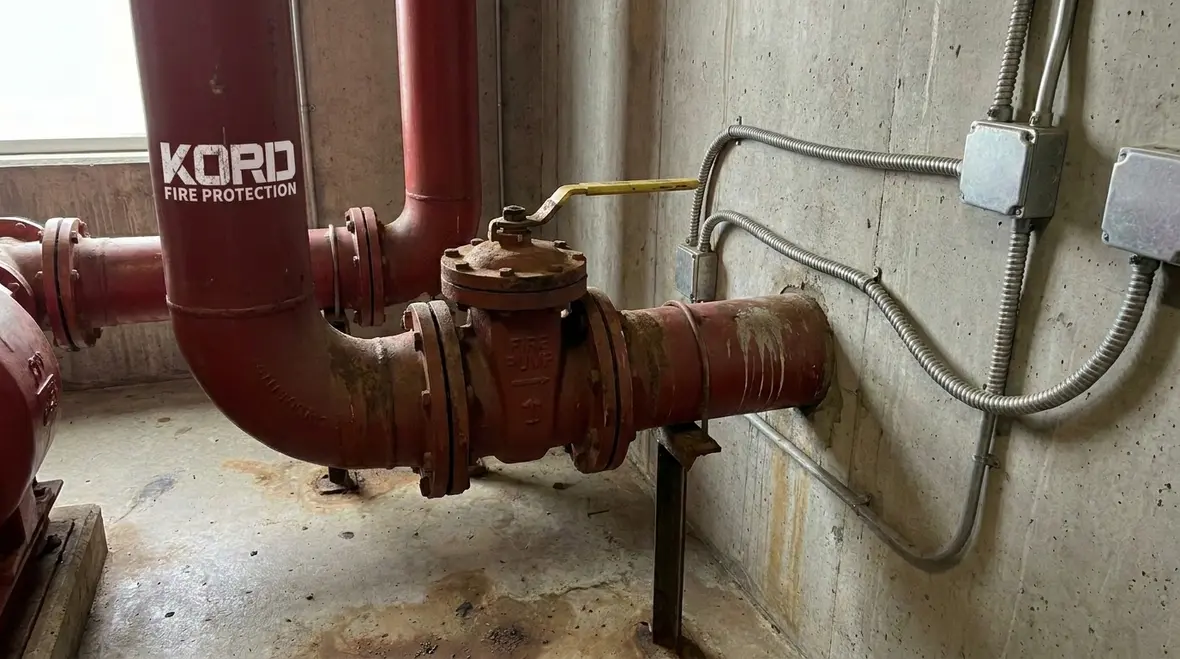
Fire pump valve supervision usually relies on status feedback that a control panel can report. Consequently, the system communicates whether a supervised valve appears in the required position. In most approaches, a supervised switch, transmitter, or approved device generates a signal that travels to the fire alarm or pump control system.
Then the control logic uses those signals to indicate trouble or alarm conditions as required by the arrangement. For example, if a valve should be open and the supervised position indicates closed, the system must show that condition so personnel can respond.
However, the real value shows up in the field, not just on paper. If a team installs devices but does not commission them correctly, the supervision might report the wrong status or report nothing at all. Therefore, proper alignment, wiring checks, device calibration where applicable, and test procedures matter just as much as the hardware selection.
Why signal integrity matters more than a tidy diagram
Panels only know what the field devices tell them. If terminals are loose, labeling is vague, or the switch travel does not match the valve position, the system may present a calm face while reality does something less reassuring. That is why credible supervision depends on field verification from end to end, not just a drawing that looks beautifully organized in a project folder.
Common failure points that inspections uncover
Facilities teams often assume valve supervision is a one time install. Yet the most frequent problems tend to show up during inspections, functional testing, and later service visits. First, physical damage or wear can affect switches and feedback mechanisms. Second, vibration, water exposure, and cable routing issues can lead to intermittent trouble signals.
Third, documentation gaps can cause confusion. If as built drawings do not match what exists on site, testers may interpret supervision results incorrectly. Also, contractors sometimes label points inconsistently, which means the panel may show a generic trouble without clear mapping to the correct valve.
Lastly, maintenance habits influence performance. For example, if someone exercises valves without confirming the supervised status afterwards, the system can drift back into an unsupervised or misreported state. And yes, that can happen even to careful people. The universe enjoys irony.
Installation, testing, and commissioning steps that keep supervision credible
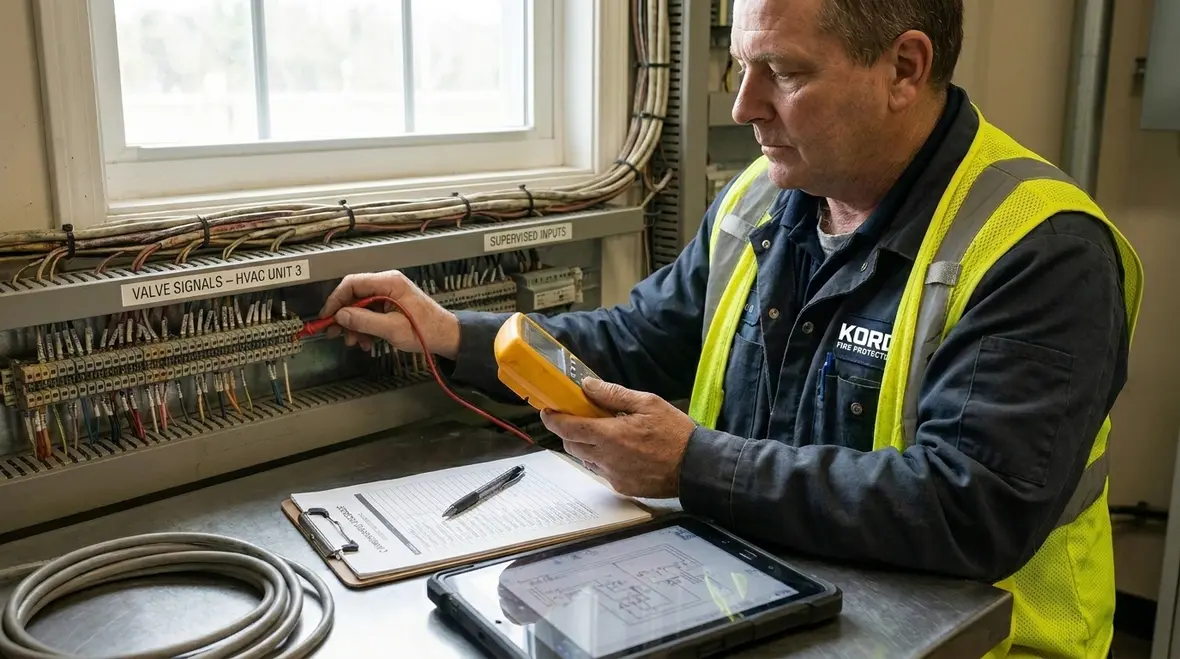
To meet the fire pump valve supervision requirements intent, teams should treat installation and commissioning as a controlled process. First, they should confirm the valve locations that require supervision based on the system layout and pump arrangement. Then they should select an approved supervision method that matches the valve type and installation environment.
Next, they should verify mechanical linkage and ensure the feedback device accurately represents the valve position. After that, they should test the entire signal path. This includes confirming correct wiring, verifying input behavior at the control panel, and confirming annunciation or trouble reporting works as intended.
Finally, they should document results. Clear point maps, test records, and updated drawings help the next technician or fire safety auditor understand what happened and why. Kord Fire Protection supports these steps by helping facilities across Australia coordinate commissioning, provide service practices that protect the signal integrity over time, and keep documentation clean enough to survive the toughest compliance day.
A practical commissioning rhythm that saves headaches later
The smoothest projects usually follow a steady sequence: identify valves, install devices, verify travel, test signals, record results, then retest after any adjustment. It is not glamorous, but neither is emergency troubleshooting at the exact moment everyone hoped the system was ready. A disciplined sequence turns supervision from a hopeful feature into a dependable one.
How Kord Fire Protection supports valve supervision across Australia
Kord Fire Protection can become a vital partner because supervision is not just hardware. It is a whole life cycle responsibility that ties design, commissioning, records, and ongoing service together. For industrial facilities, this means systems stay aligned with plant realities. For retail and commercial sites, it means supervision remains reliable through change, tenant turnover, and maintenance schedules.
In addition, Kord Fire Protection helps teams avoid the “we checked it once” trap. They support scheduled inspection practices that verify supervised status continues to match valve position. As a result, facilities reduce surprise troubleshooting and avoid last minute fixes during audits or scheduled tests.
And when the site changes, Kord Fire Protection can help keep supervision updated so the system continues to reflect reality. That is how fire pump valve supervision requirements become a living program, not a box checked at install time.
Clarifying terminology used in the field
People use terms like “supervision,” “monitoring,” and “status feedback” as if they all mean the same thing. They are related, but they describe different layers. Supervision refers to the system’s ability to detect an abnormal valve condition. Monitoring describes the ongoing observation of signals, often on a panel. Status feedback is the mechanism that converts valve position into an electrical or control signal.
To prevent misunderstandings, teams should ensure everyone uses the same language in drawings, test procedures, and maintenance instructions. Then, during functional testing, the evidence should support the claims. If the panel indicates a trouble, the facility should know which valve triggered it, what the expected position is, and what corrective action resolves it.
When terminology stays consistent, the work becomes faster and safer. And that is the goal, even if someone in the office jokes that fire protection work is “just switches.” Sure. Until the system needs to perform. Then it becomes very not just switches.
Featured FAQ
Conclusion: align supervision, reduce risk, and stay audit ready
NFPA 20 Section 4.16 fire pump valve supervision requirements exist to protect water flow when seconds matter. Facilities in Australia can meet that intent with correct device selection, commissioning, evidence based testing, and clear documentation.
Kord Fire Protection helps industrial, retail, and commercial sites keep supervision working as designed, even as conditions change. Reach out to Kord Fire Protection to review your valve supervision setup and strengthen confidence before your next test cycle.

Join Our Newsletter!
Get the latest fire safety tips delivered straight to your inbox From our Newsletter.



